
Peter Benjamin Parker: A Tragic Hero
Spectacularly Shakespearean
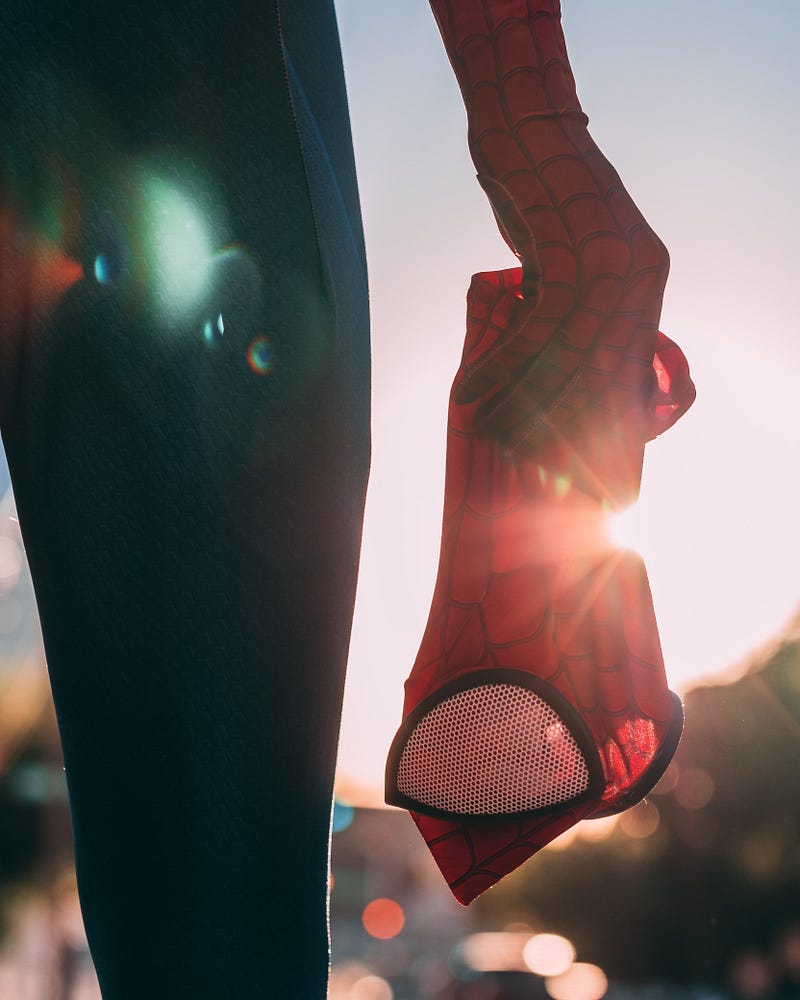
Earth-616. The birthplace of us mere mortals in the Marvel Universe. The home of one Peter Benjamin Parker, better known to us as Spiderman. Whether it be in the movies or in the comics, Spiderman, whether he be spectacular or amazing, has been a mainstay amongst the comic-book hero talk, regularly touted as a favourite among many. In fact, he is arguably my favourite superhero no matter the iteration or the actor.
So why is that the case? Well, it simply comes down to his characterisation and his representation within the world he resides in. By in large, superheroes are fantastical, with powers that are only imagined — from Superman’s super-strength to Thor’s ability to control thunder and wield Mjolnir, it is these powers of which many a child and adult alike are enamoured with. With Spiderman, this is no different, with his ability to swing from building to building, his Spidey-sense (or Peter Tingle). we know that the existence of Spiderman is all but imagined. Then the question remains, why do they hold such fandoms over people like myself?
For me, the different dimensions of a character are what brings us, humans, closer to the hero. It is relatability. It is the moral lessons in humanity that sees in them the earning of the title “hero.” No longer do the characterisation of comic-book heroes simply need to exist with strength beyond our capabilities to garner our fandom. We humans do not simply respond to a power fantasy. We respond rather, to the heart of the person behind the mask and/or suit. In this regard, the key difference from the “expected” acts of selflessness and heroics is supplemented with an inherent tragedy that acts as an undercurrent in the development of Peter Parker’s character. Essentially, it is this tragedy and melancholy which serves as an elevation in the degree of selflessness that Parker as “Spiderman,” as the crime-fighting, web-swinging, friendly neighbourhood hero patrolling the streets of New York to heights above the standard expectations in which we admire in superheroes.

Before he was bitten by that radioactive spider, Peter was just an ordinary kid in high school, laying low and hanging out with his close group of friends, something we all can relate to. He wasn’t the most popular, or the best at any one thing — simply mediocre. But he has the charm. Whether he be Peter Parker or Miles Morales for that matter, he has that certain swagger, that nonchalant manner of living which sees to his increased confidence after he attained his powers. However, this is where we learn the first piece of tragedy which has struck Peter. The death of his parents. He is often introduced to us living with his aunt May and uncle Ben — if you read between the lines, you’ll understand that he, as a young kid, will have lost both of his parental figures, which for the most part explains his isolationist views of the world.
The next bit of tragedy is when he loses his uncle Ben in a moral quandary. Does he go after the man who killed Ben or not? Does he pull back his punches as he has when fighting crime, or does he let loose, showing no regard for humanity? It is in these moments that the great line of “with great power comes great responsibility” echoes for all to see. It is this tragedy that grounds him in his acts of selflessness, in his acts of heroism. Having only his aunt breaks him, but he cannot show weakness. He is Spiderman. Perhaps, this is the real emotional characterisation. He must protect the citizens of New York, putting his life on the line, not for thanks, nor for recognition, but simply because it is his responsibility as bestowed upon him once he wears that mask. This is what makes Spiderman my favourite superhero in any comic book or movie universe.
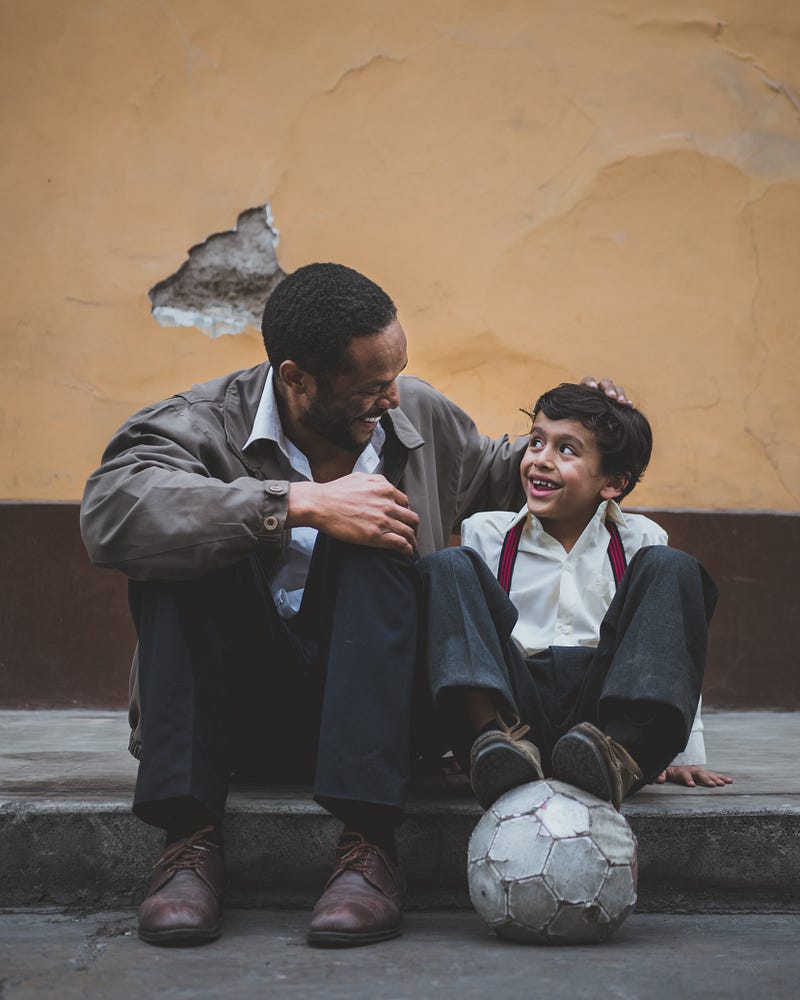
It is Peter Parker’s development that motivates us to do better, to be better. No matter what the consequence. No matter if we fail, we must strive to give all that we can to the people around us. tinged with tragedy, it is thus, of such poetic nature that the friendly neighbourhood Spiderman we know and love is in fact a spectacularly Shakespearean character.
As I complete my analysis as to the character of Peter Benjamin Parker, I leave you with one quote by the magnificent Stan Lee, the creator of Spiderman and the universe of Marvel Comics:
“You know one of the greatest things about Spiderman’s outfit? He is completely covered, so any kid could imagine he’s Spiderman.” — Stan Lee
Hope you enjoyed this post!
If you did, all I ask is for some applause to show your appreciation. A comment too if you wish?
Finally, before I leave you, are you looking for a passionate writer with unique posts to fill your feed? Do these pieces pique your interest?
If you answered “yes,” please consider following me for more posts like these in the future! Want to know more? Click on my profile and go to my “About” section, or feel free to send me a message at any time!
Much appreciated,


