
Perth Bushland Nature Walks
Wonderful Australian bushland walks with friends
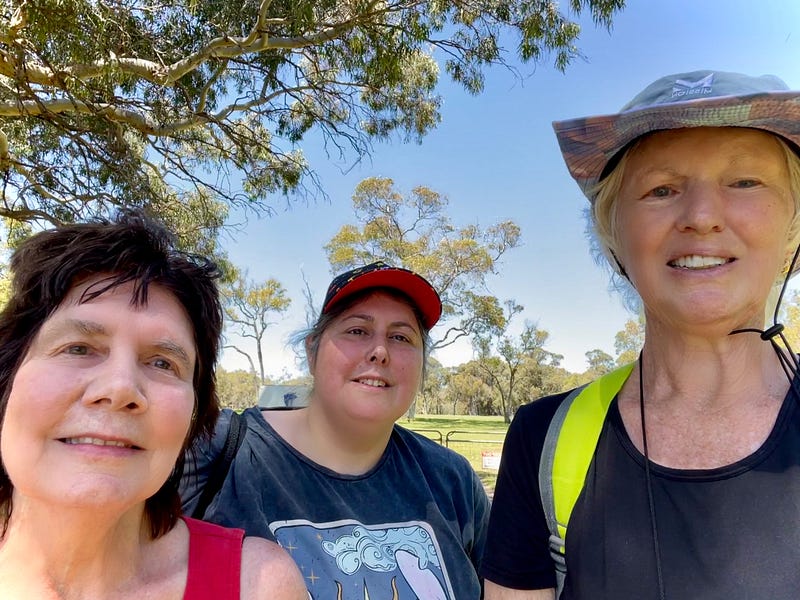
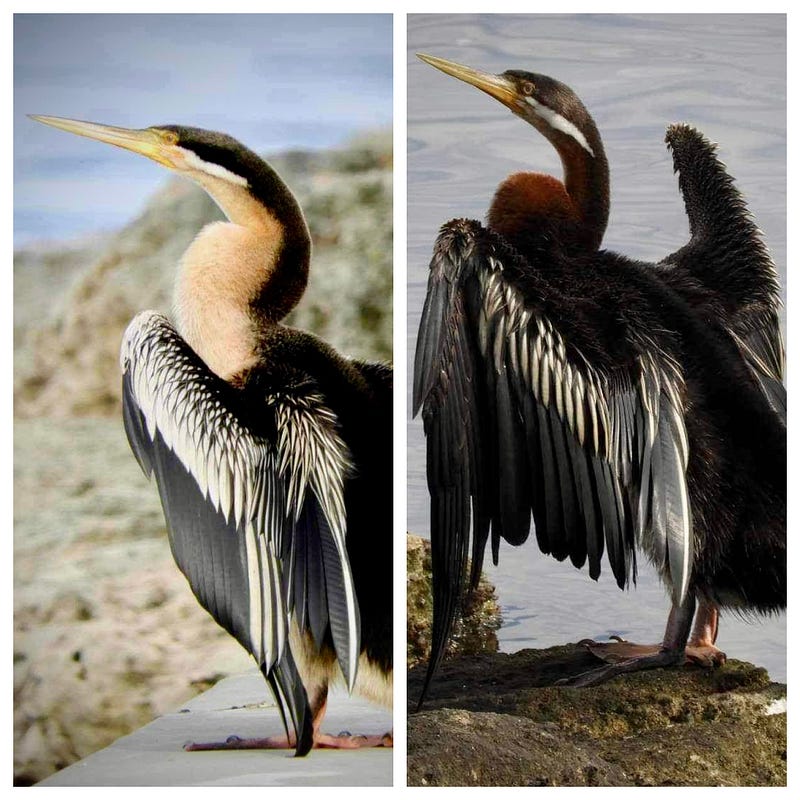
Carine Regional Open Space Park and Nature Center: Today Heather, Sharleen, and I went for a nature walk armed with our cameras. Heather and I used our phone cameras, but happily, Sharleen is an avid nature photographer and had her Nikon and telephoto lens with her. The beautiful bird photos are all hers.
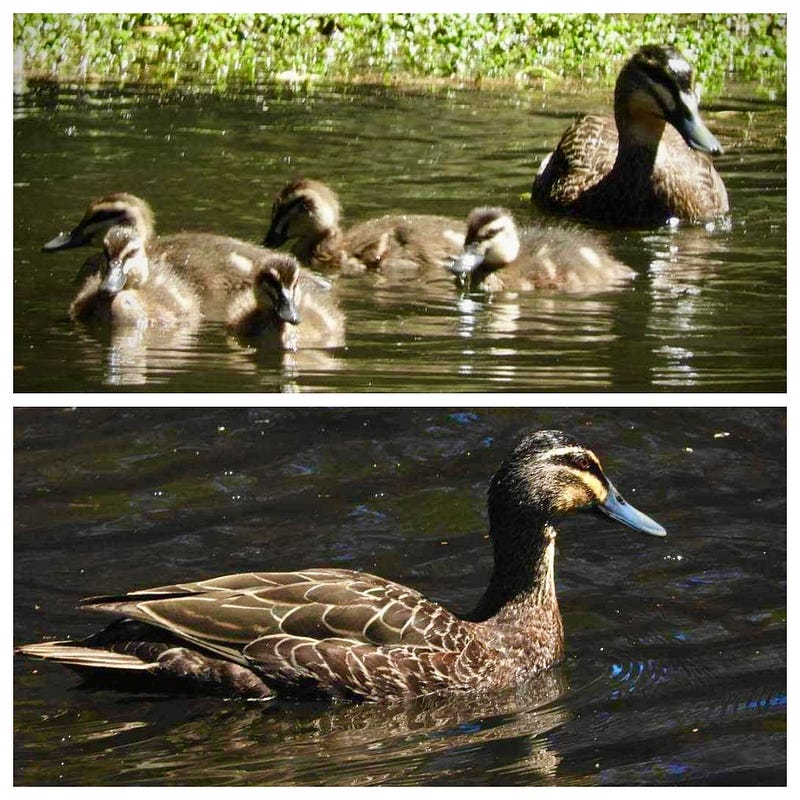
We watched the mama Pacific black duck and her ducklings swimming around in the water and diving in to search for fish and other delicious morsels to eat.
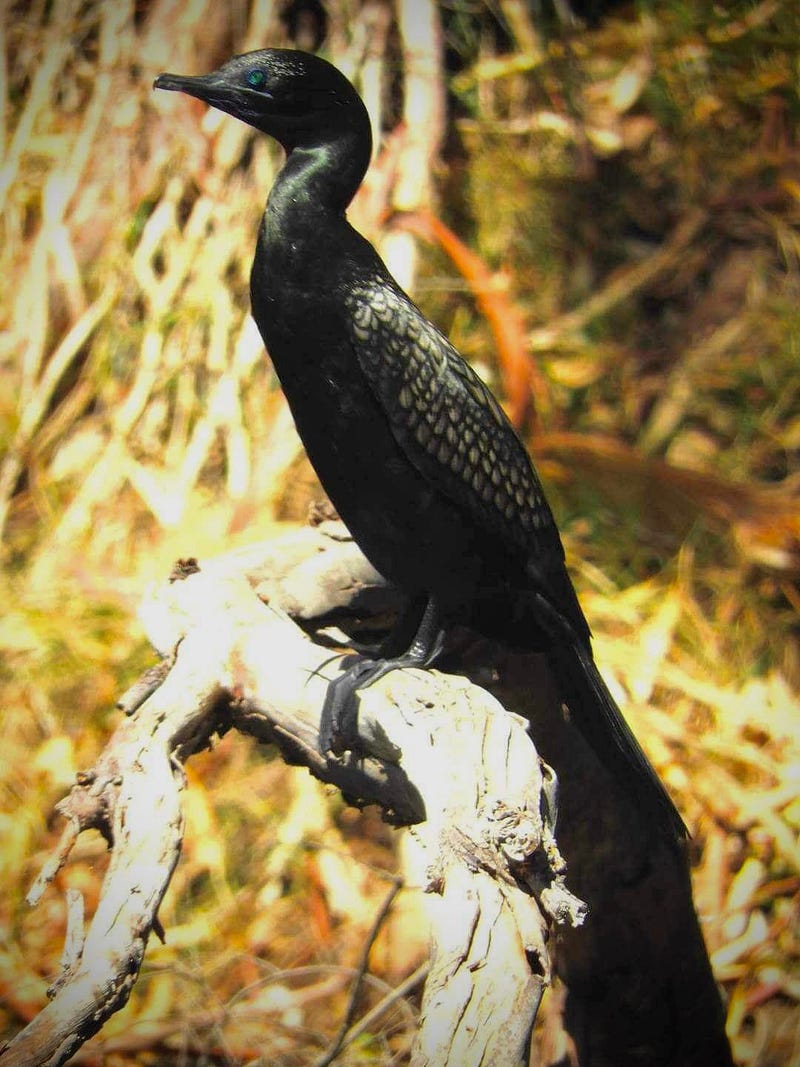
The black shag or black cormorant is similar to the cormorant we have in Florida. The Australian cormorant is longer than the Florida variety. Doesn’t it look elegant sitting on its branch?
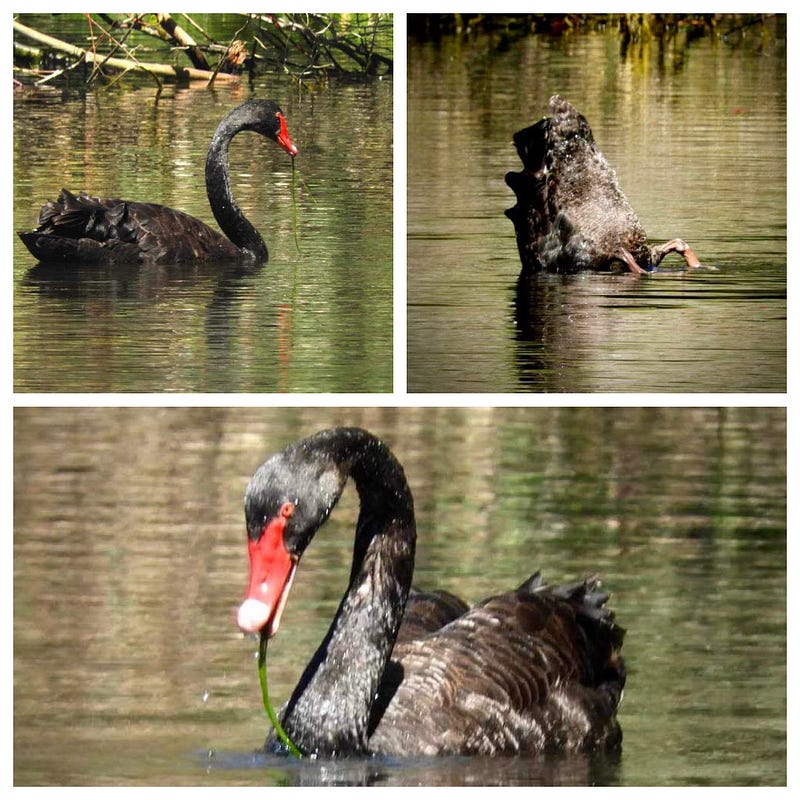
I had hoped to see swans so was delighted to see their long arched necks and bright red beaks on the water in the distance. Most of the time they were bottoms-up as they fed in the water but Shareen’s telephoto lens caught a few photos as they emerged before ducking down into the water again.
The Anhinga bird in the photos is also called the Australian Darter. They are similar to the Florida-native anhingas that we often see in our neighborhood. Anhingas swim submerged in the water, and then must dry their wings before they can fly away, so you see them perched near water with their wings stretched out drying their feathers. The Australian female has a lighter coloring and the male is darker. Beautiful birds. We love to see our Florida species of anhingas too.
Warwick Bushland: Heather and I also walked around the Warwick Bushland. Another beautiful walk. I am learning so much about Australian bushland plants on our walks.
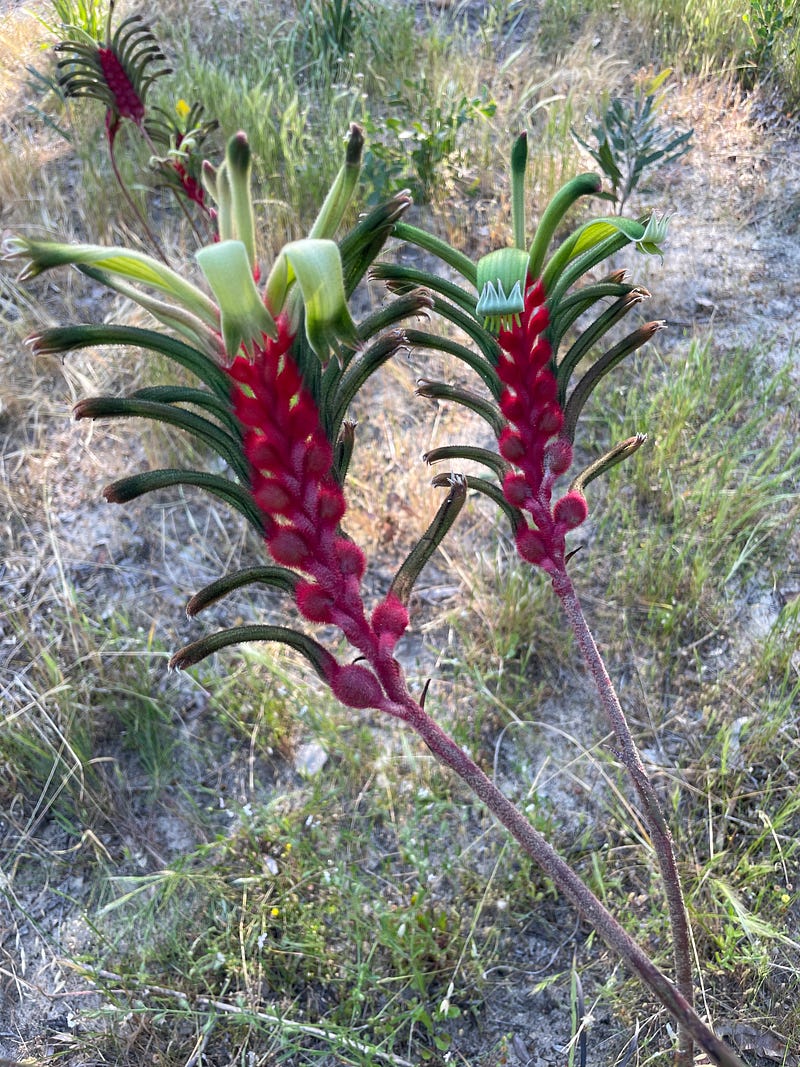
When we saw the kangaroo paw flower at Kings Park in Perth, Heather said that the red and green variety is the one commonly found in the bushland areas around Perth, so I was delighted to see it as soon as we started walking in Warwick Bushland.
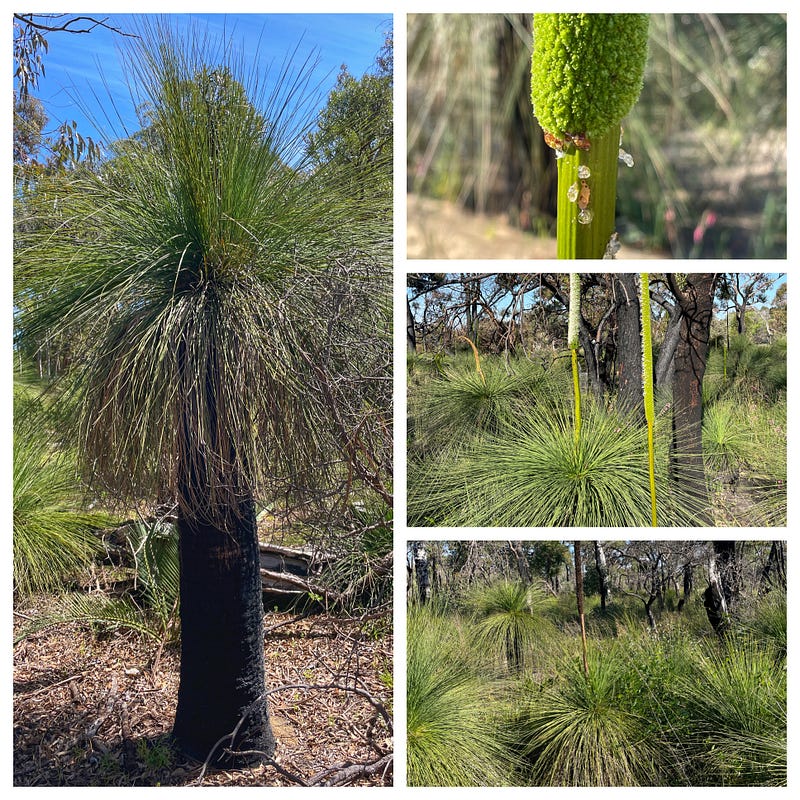
One of my other new favorite plants is the Grass Tree. The genus is Xanthorrhoea, but there are over 66 species. We have seen Xanthorrhoea everywhere that we have gone so far on our walks in and around Perth. It seems to be an important understory plant. They are often very long-lived; some are estimated to be 350 to 450 years old! (source)
The ones I’ve seen all have stiff, long narrow leaves gently blowing in the wind. I love to see the light reflecting from the leaves as they move.
Grass trees may take several years to flower. Flowers form on a spear-like spike, which can be up to 4m long! The ones that are flowering now were buzzing with bees attracted to the nectar. They are also food for birds and mammals.
Grass trees, like many other trees, have a root system with a symbiotic relationship, called mycorrhiza. Fungi surrounding the roots and extending out into the soil help the tree take up nutrients from the soil. In return, the tree provides nutrients to the fungi as a result of photosynthesis. (source)
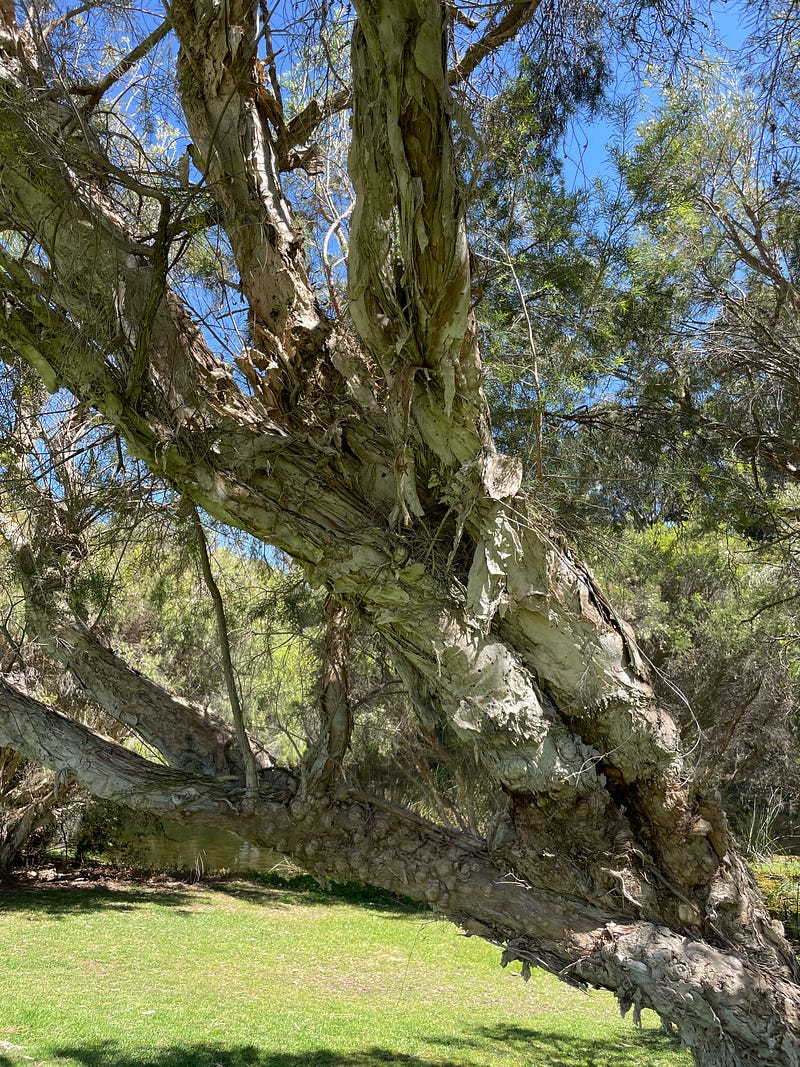
Another beautiful tree growing in the area is the paperbark tree. The paperbark tree grows in swamps, on floodplains, and near rivers and estuaries. It fits into the ecosystem here but it has also been planted in Florida and is considered to be a serious weed in the Florida Everglades since it outcompetes the native Florida trees.
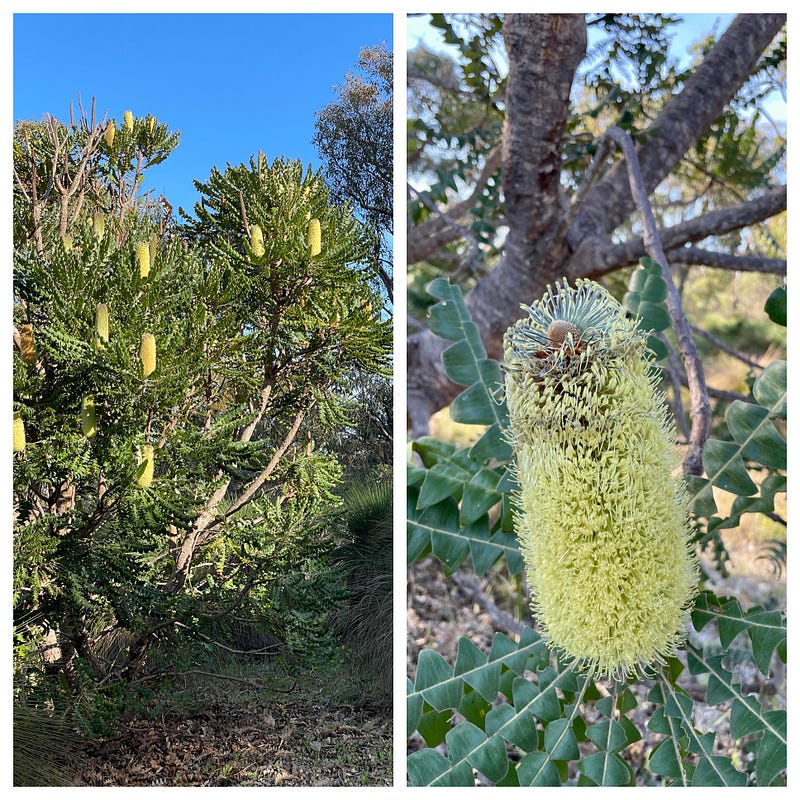
The candlestick Banksia tree is one of the common Banksia varieties found across Western Australia. We have seen it growing everywhere we have driven on our visit. Luckily we are here in October when it starts to flower. The candlestick-like flowers are up to 25 centimeters tall and 5 centimeters wide. With the sun shining on them, they really look like brightly lit candlesticks. Later in the year, the Carnaby’s Black Cockatoo birds will feed on the seeds in the mature cone.
We still have 3 days to travel around Perth. I can’t wait to see what else we will find. My camera is ready and my hopes are high.