
Perfecting Cheese
Adding life and pizazz to a wheel of dull cheese
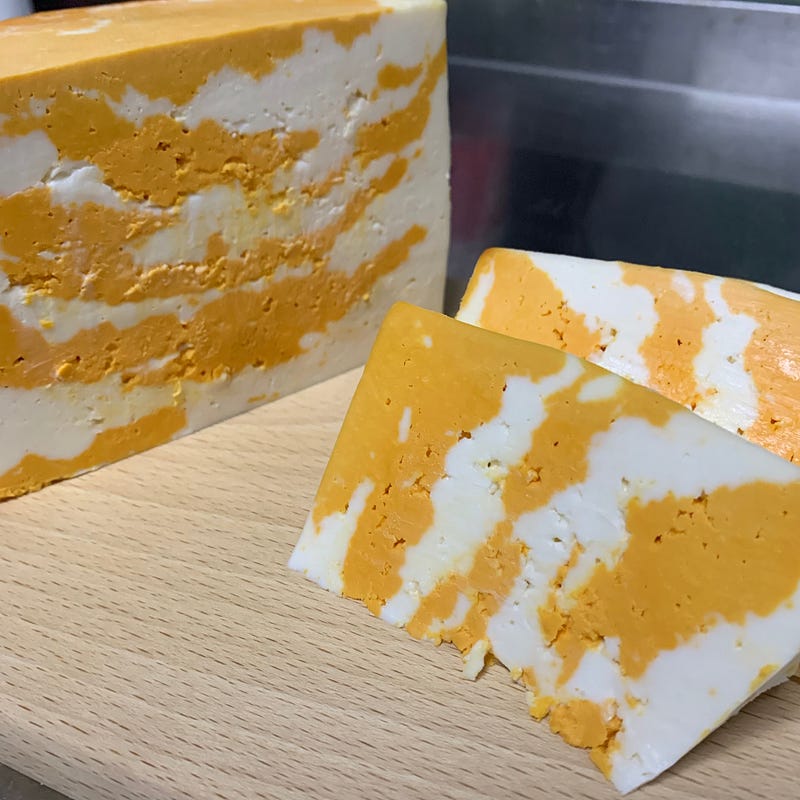
Nothing in life could be more disappointing than a below-average wheel of cheese.
Biting into that bland or dry hunk of dairy-mass is such a demoralising and heart-wrenching moment.
It’s disappointing when the cheese came from a shop. You’ve spent maybe $10 for a delicious experience, and now you’ve been made aware that the money you spent was clearly wasted. You now know that you’ll never go back to that charlatan ever again.
However if it’s a cheese you made, that’s a lot worse.
There’s a lot of reasons why a cheese that seemed so promising, turns out flat. Even if you followed all the rules and know that it’s not technically ruined, taste is king. After months of waiting, that beautiful baby turned out to taste like a block of warm, hard milk. And worst of all, it costs a hell of a lot more than $10 to make a wheel of cheese. Even a bland one.
There’s an easy way to raise the chances that your cheeses are going to age well and pick up a lot of yummy flavours — but the purists won’t be happy.
Cheese snobs who like things done a certain way don’t like hundred year old recipes to be messed with, and hate to hear of people messing with tradition.
“Berries in your cheese? How drawl. How old fashioned.”
I say, to hell with that.
Cheese that’s aging is very susceptible to it’s surroundings and absorbs flavour like a sponge. You should feel completely free to take advantage of that and give your cheese the best head start possible on it’s journey to FlavourTown.
So in that spirit, here’s some of the ways I like to enhance my cheeses during their lifetime in the cheese fridge.
Red or White Wine
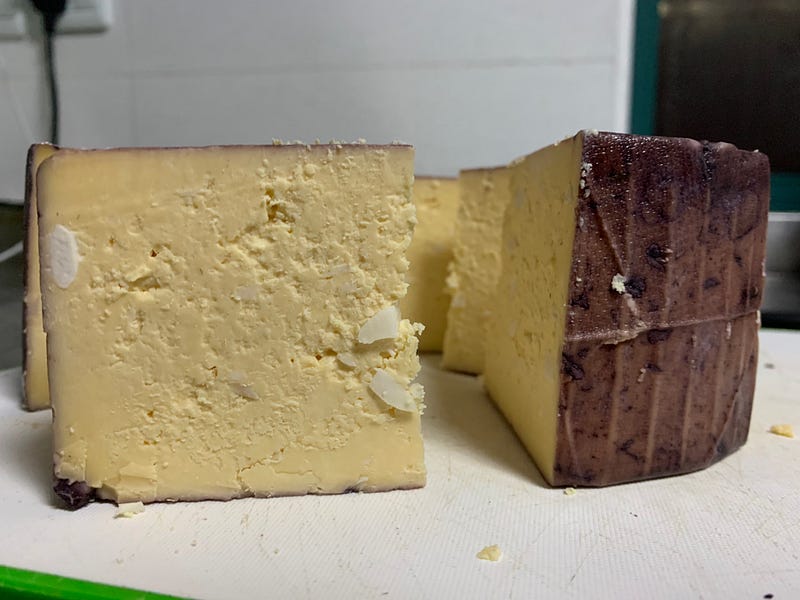
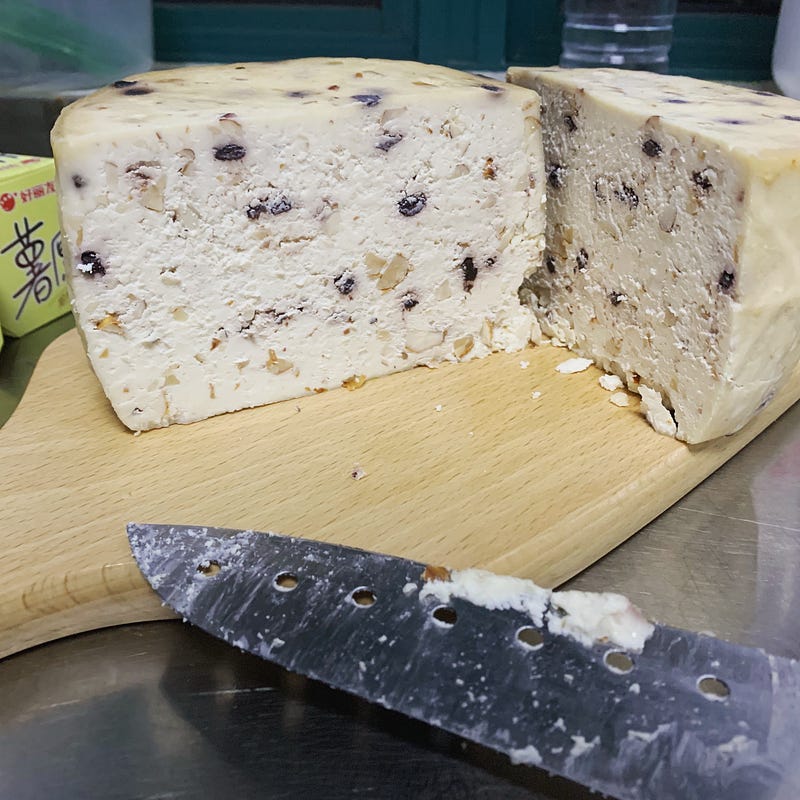
Pictured above is an absolutely delicious Jack cheese that I filled with macadamia nuts and coated with a skin of Australian red wine.
The beneficial bacteria’s that live inside the wine are complimentary to those living inside the cheese. So building a wine barrier around your cheese isn’t just delicious, it’s a shield warding off bad bacteria and certain species of mold.
How did I do it?
Right after churning the cheese, and right before placing the curds into the mould I added the chopped nuts. I put about two handfuls of nuts into the churned curds and hand-mixed them slowly for only about 30 seconds. I then added the salt and put the whole mixture into the mould.
Tip: Be extra carefully about pressing a cheese that has nuts inside. You’re going to need to give it more time then you may otherwise give a cheese, because the curds need to bind around the nuts. 24 hours on 20 pounds was enough for me.
Once the cheese was pressed I let it rest on a cheese rack in a cool, dry area for a few hours. After that I placed the cheese inside of a bag full of red wine, secured the top, placed that into a pot and into the fridge.
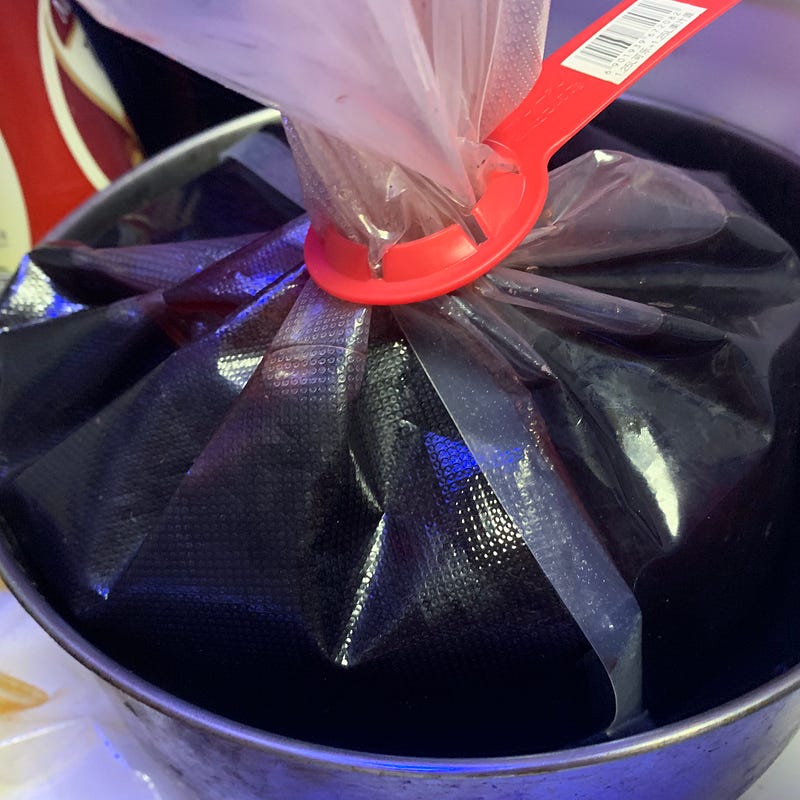
The cheese lived inside that bag for three days. (Turn the cheese every day).
After three days I took the cheese out, let it rest on the bench for a few hours then placed it into the cheese fridge.
For the first month I brushed new wine onto the cheese every week. If the cheese started to look dry I’d increase the frequency. After the month I swapped out the wine for olive oil. This was because olive oil also does a great job warding off bacteria, but it’s less expensive and keeps the cheese from getting dry more efficently.
Be really careful not to let mold grow on the cheese, because if you find yourself scrubbing mold off the cheese, you’ll also take off the wine.
Of course the only thing in the world that wine will actually come off is freaking cheese. So unfair.
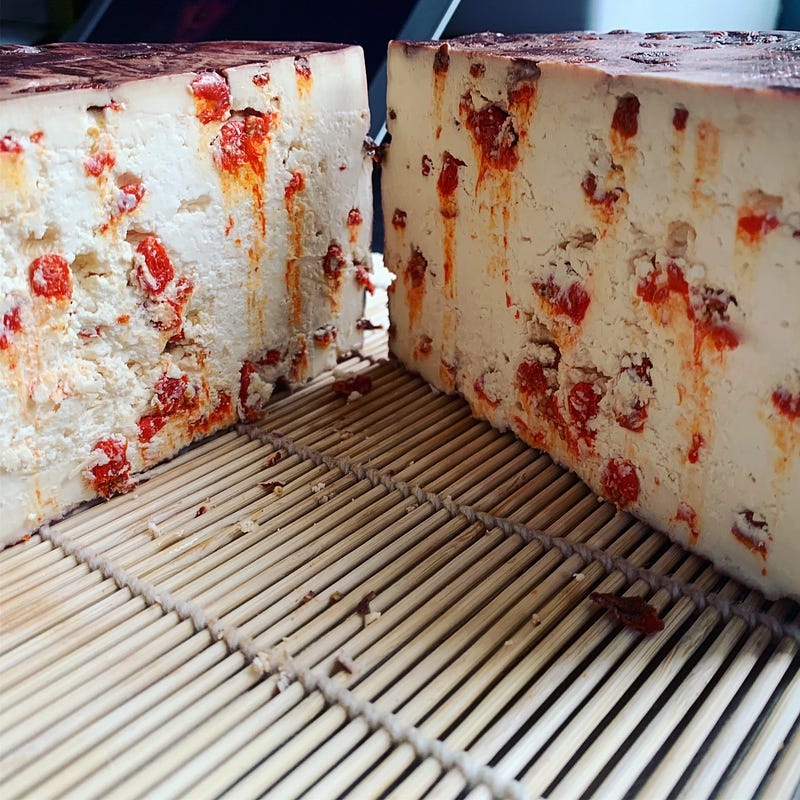
Once the cheese is finished, get ready for the taste of wine. The taste absorbs into the cheese quite strongly, it can be surprising the first time. So if your cheese was going to taste bland otherwise, it won’t now!
Beer
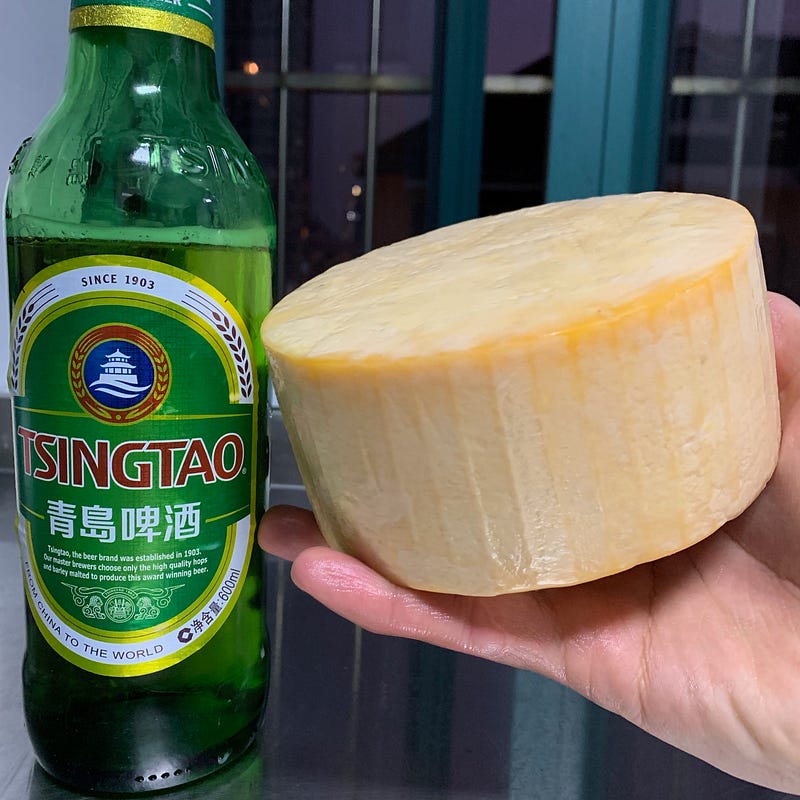
Beer is a bit of a hot topic for cheese makers.
I take beer’s side in the argument. I think it’s a fantastic way to age your cheese, and the bacteria inside the beer seem to compliment that in the cheese, same as wine.
Other people think that the bacteria inside the beer is counterproductive, and that it actually ruins the cheese and gives it a “bread flavour”.
As with most things regarding cheese, reliable information is scarce and the only real way to know for sure is to just try it for yourself and see what you see.
I’ve had a lot of success with beer, but I find it a lot more abrasive on my cheeses than wine. So unlike with wine, I don’t leave the cheese inside the beer for three full days. My cheese only gets beer for one day.
I still brush it with beer every week. The cheese I’ve pictured above was brushed with beer every week for 2 months. After that I switched to olive oil, same as the previous cheese.
Unlike the other cheese, this cheese is still going though. It’s a double Gloucester, so it’s a hard cheese and has a much longer shelf life. I’m keeping it alive until my brother gets to town, then we’ll eat it together over a bottle of wine.
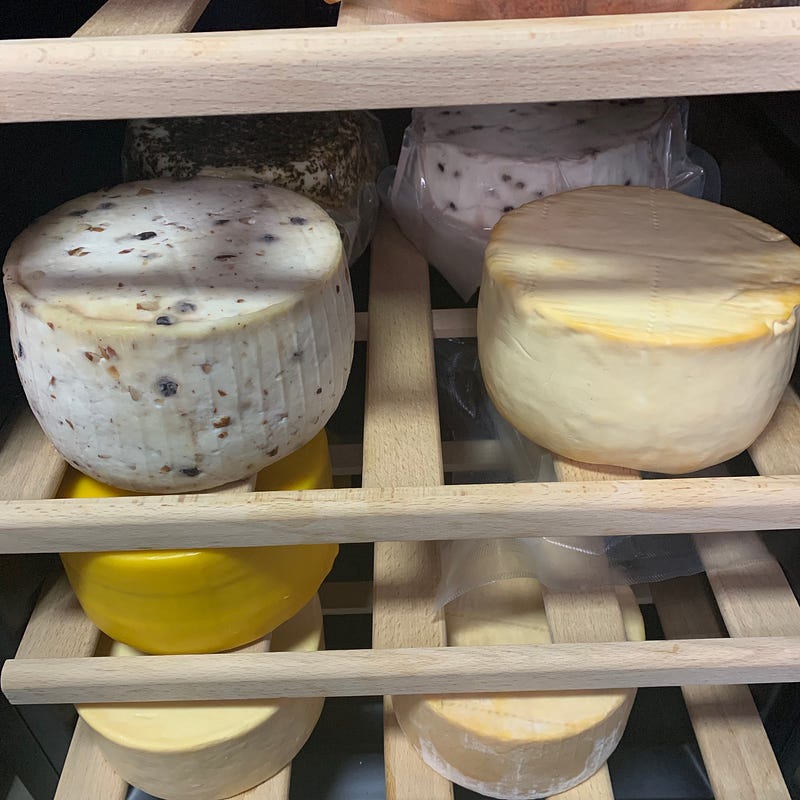
In the above picture in the order of top down, left to right we have -
- A Jack cheese thats painted in Italian herbs and spices
- A Wensleydale thats full of blueberries
- An absolutely delicious Jack cheese thats laced with blueberries and almonds
- An Amish style cheese that I cultured with yoghurt instead of my usual mesophilic culture
- A cheddar cheese that’s aging in wax
- A Jack cheese thats awaiting my decision into how it will be aged
- A beer soaked Jack cheese thats busy acquiring an interesting layer of white mold.
Probably one of the most delicious cheeses I ever made was an Amish style cheese that I wrapped in cheesecloth and let get ravished by mold.
When I finally cut the mold covered cloth off the cheese, the surface underneath was completely untouched. The cheese had a deep, blue flavour that must have come from the mold and was incredible.
No wrong way
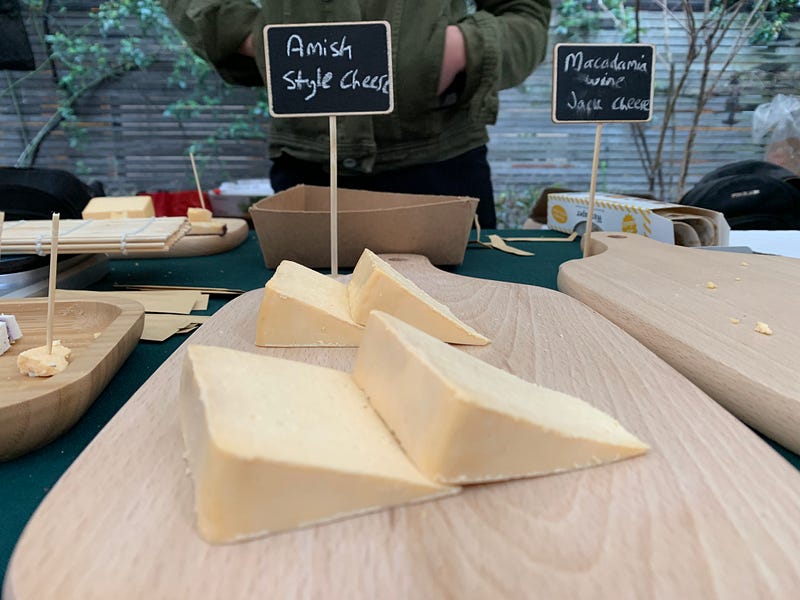
The advice I most often give to cheese makers is that you should try anything that comes into your head.
One great thing about cheese is that its very vocal, it will communicate to you if something’s wrong.
If it’s gone bad, it stinks — in a bad way. Bad mold’s will cause the cheese to crack or go putrid. The skin will peel off, or the insides will melt and leak out.
Sometimes my friends are too scared to try my latest cheese experiment because they think it might kill them. It probably doesn’t help that I talk so often about mold and bacteria.
But my philosophy is that if the cheese looks, feels and smells ok; then the worst it can do to you is taste terrible. If it tastes bad, just throw it out and chock it up to experience.
I threw out an entire wheel recently that I’d aged in chilli flakes and spicy salt. It was going to be incredible, but 6 weeks into aging, it started to smell like a horse.
No joke, I would get close and sniff to find myself smelling a horse. It wasn’t a bad smell, but it was the wrong smell. So I threw it in the bin.
Don’t mess around or take chances with safety, but absolutely do mess around and take chances with recipes.
Add things, try things and learn. Worst case, it goes in the bin. Best case? You supply your future dinner parties with the best cheese anyone you know has ever tasted.
Big fan of email lists? Well, do I have the clickable link for you.
Fancy some more yummy reads? Here below is my curated list just for you,