
The Art of Sauerkraut
There isn’t a problem in the world that can’t be solved with sauerkraut

I’m a big fan of fermented food.
As those who’ve browsed my profile will know, I’m an avid lover and maker of cheese. I’ve been making cheese for a long time and I get a lot of satisfaction from the slow process that goes into a perfectly aged wheel of cheese. Read this story all the way to the end for links to the cheese. Yummm.
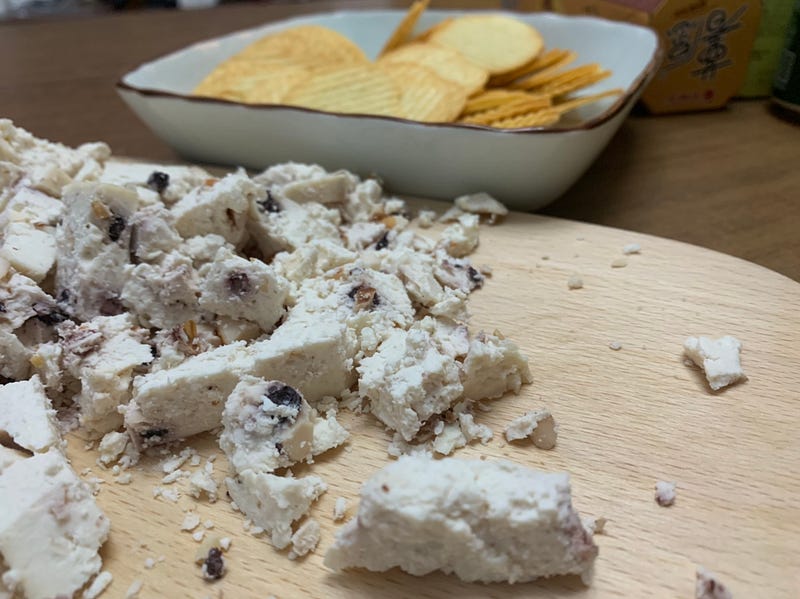
For a long time I only made cheese, however I’ve always been curious about other forms of fermented food. Fate, it seems, stepped in with an opportunity born from pain.
Infectious passion
Not long after moving to China I developed an infection in my bowel.
One day I’m minding my own business, thinking I’m healthy, then the next morning I’m writhing around the floor in pain.
I rushed to the hospital and was put on a drip, given several rounds of antibiotics, and doctors orders to radically change my diet. (I actually wrote a story about that too)
My doctor’s biggest request was that I ate healthier, she also suggested that I take the time to learn and make fermented food. She said that her mother swore by fermented food and that it cured her of many ailments, including the exact same problem I was suffering.
The doctor really wanted me to learn to make fermented tofu, I even sought out this food because I’d never heard of it and wanted to give it a try.
I live in China, so it wasn’t difficult to find. I smelt it a long time before I saw it however. It was like someone had died after having run a marathon during which they were force-fed garlic stuffed feet. It was absolutely putrid.
I returned to the doctor and negotiated down sauerkraut.
Falling for sauerkraut
Sauerkraut is an extremely delicious and nutrient dense food thats ridiculously easy to make and goes on everything! It’s packed with probiotics which support gut health, and has tons of vitamins C and K.
Supporting your gut goes a long way in reducing inflammation, increasing energy and even reducing depression. The BBC Inside Health podcast did an amazing episode where they talked about the importance of gut health. A doctor on the show talked about how there are 10x more microbial cells in our guts then there are human cells in our bodies.
ummmmm
We are more bacteria then we are human. It’s pretty mind boggling.
The podcast went into detail where they theorised that the bacteria living in our guts are so populous and dense that they’re not just influenced by our behaviour, they are the influencers themselves.
The podcast believes that the bacteria in our gut are “calling the shots” and are often part of the reason we think, reason and eat the way we do.
It makes sense when you think about it. If I eat a lot of bad food and foster an environment for bad bacteria to thrive, those bacteria will ask my brain for more of the food they like. If I do the reverse, good bacteria can be farmed and eventually influence me for good. There’s a really fantastic Kurzgesagt video that does wonders explaining the whole thing.

Knowing the influence my gut has over both my mental and physical health, and given my new bowel challenges; I had to give it a try. Time for me to begin the next phase of my life as a sauerkraut maker.
Jordan the sauerkraut maker
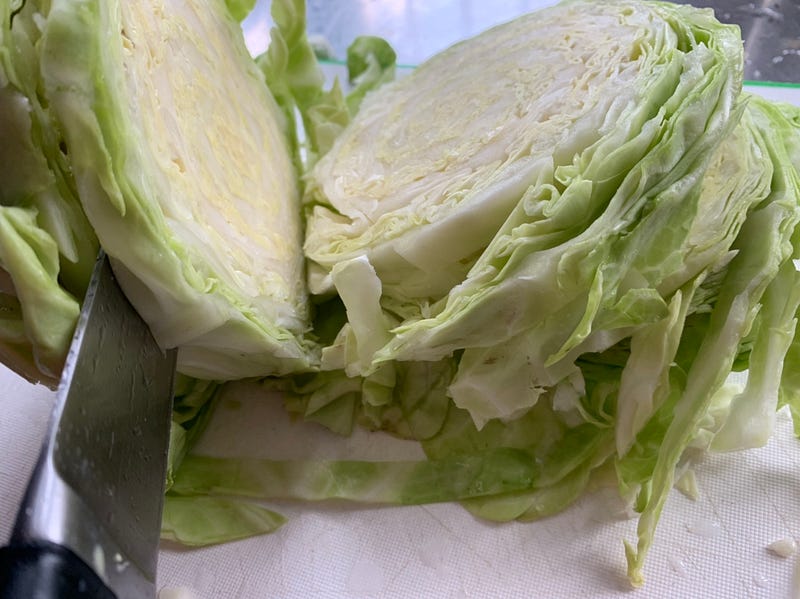
We begin with a couple heads of cabbage.
One cabbage doesn’t stretch very far. This latest batch that I’ve photographed was made of two cabbages that worked out to weigh 1.5kg combined, and it turned into quite a small amount of sauerkraut.
Once you’ve (lightly) washed your cabbages, cut them into strips.
Tip: Don’t over-wash the cabbages. There’s yeast living on them that helps with the fermentation process. You want to get rid of the dirt, but you need to keep as much of the yeast as possible.
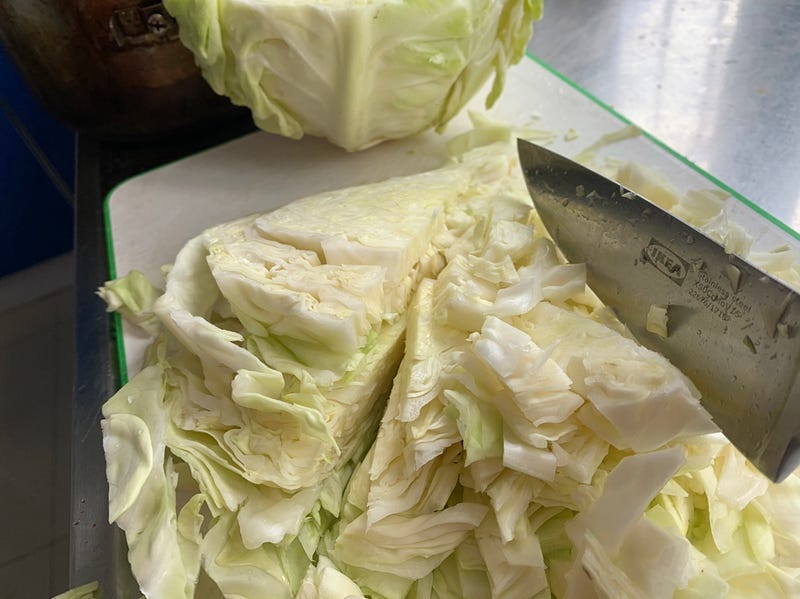
I actually leave my strips pretty thick. But you’re suppose to make them as thin as you can, it helps a lot with the next step.
Once your cabbage has been cut into skinny strips, add them to the pot and add your salt. You’ll want to add a tablespoon of salt for every 800 grams of cabbage.
Salt is the lifeblood of fermentation and plays a very important role. So in spite of how unfashionable salt has become, add the freaking salt.
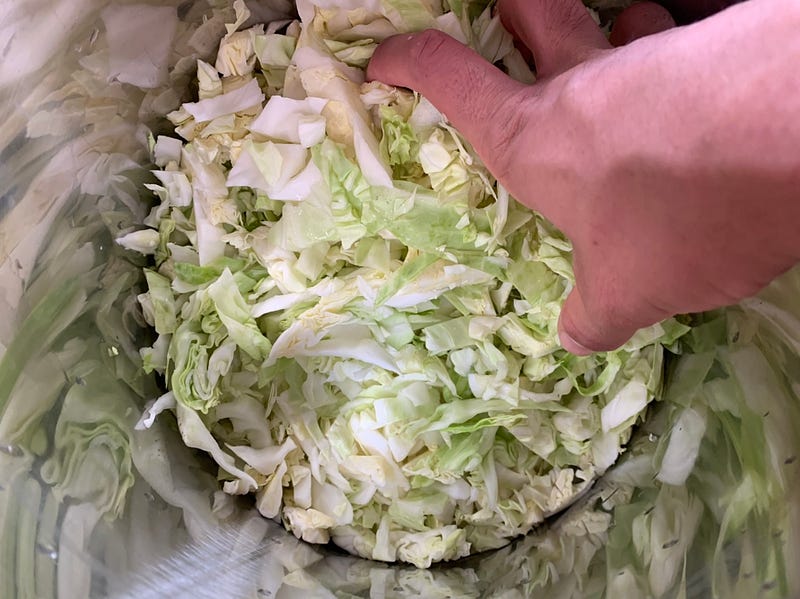
Once the salt has been added, the cabbage is going to become activated and sweat. You need to move that sweating process along and churn the cabbage with your hands.
Making sure your hands are squeaky clean first, get them in there and really squeeze and squelch the cabbage with all your might. It’s your goal to get enough water out of the cabbage to submerge it.
Once you’ve been wrestling with the cabbage for a while, (my lot took about 20 minutes), your hands may hurt but your cabbage should be underwater.
It takes time, effort and patience. Eventually you’ll be able to take a handful of cabbage, squeeze it and water will pour out. But that doesn’t happen in the first 10 minutes.
Believe me, if you’re someone like me that struggles with anxiety; a simple task like this with an end goal and a beautiful smell really helps melt the day away. (It really does smell yummy at this point).
Plus if you’re squeezing, choking and punching some cabbage, you’re not doing it to some idiot at your office.
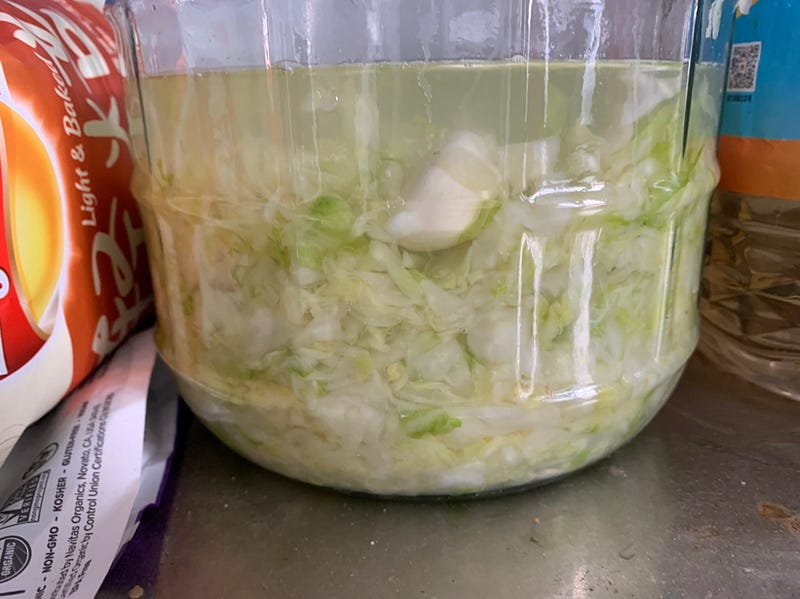
This is the finished product.
I added a few cloves of garlic to the jar once I was done. The bottle is a fermentation jar I bought online.
Make sure you use a proper jar and not just some plastic container you have kicking around in your cupboard. The fermentation process is brutal on the container and will strip toxins out of the plastic and add them to your blood stream.
We now need to wait two weeks for the fermentation to end before we can eat. I filled a food-safe baggie with water, stuck a pin on top and added that to the jar to push the water level higher and keep the sauerkraut submerged.
Check it every day. Release the lid just for a second to let the rising level of carbon dioxide out. You don’t need the trauma of coming from work and discovering a shattered jar all over your kitchen counter.
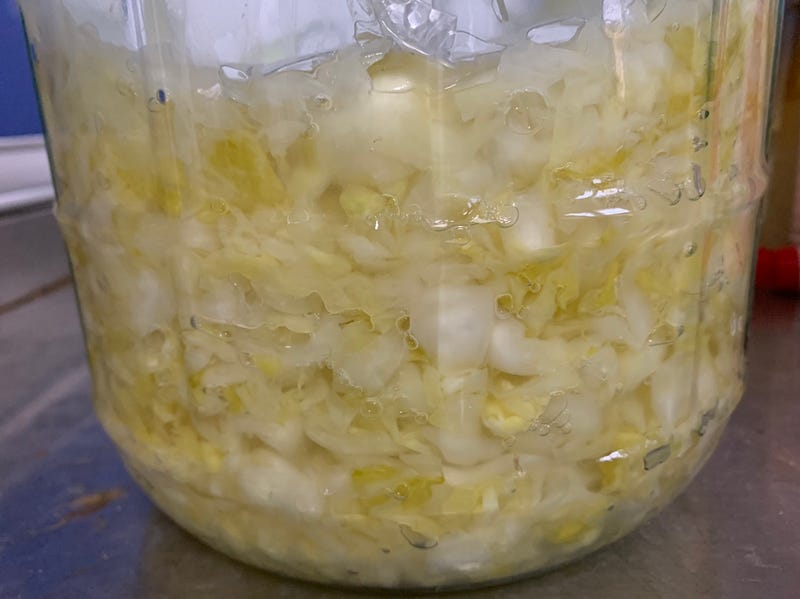
Just leave the jar on the bench at room temperature. It’s going to bubble and boil away while you ignore it. What you’re unable to see is billions of good bacteria breeding, multiplying, and making their home in your cabbage and eventually, your gut.
So what about you? Are you going to try making sauerkraut? Please let me know by writing me a comment. If you do, I’d love to see photos of the results and hear how it went.
Well, you’ve waited long enough. As promised, here are links to the cheese,


