
Passive-Aggressive Behavior
A form of manipulation and a sign of low emotional intelligence
Passive-aggressive Behavior is a Sign Of Low Emotional Intelligence
Someone who is passive-aggressive is not able to process and express their emotions constructively, so instead, they verbally or non-verbally express discontent by slamming doors or drawers, huffing and puffing, sighing or sulking, stomping, kicking things, telling backhanded jokes or being sarcastic. They also have no regard for how they are making those around them feel.
It is actually quite sad. Deep down, this person is afraid to say how they feel. Likely, they could not express their emotions as a child freely, and as a result, when they feel negative emotions, they revert to a child-like state.
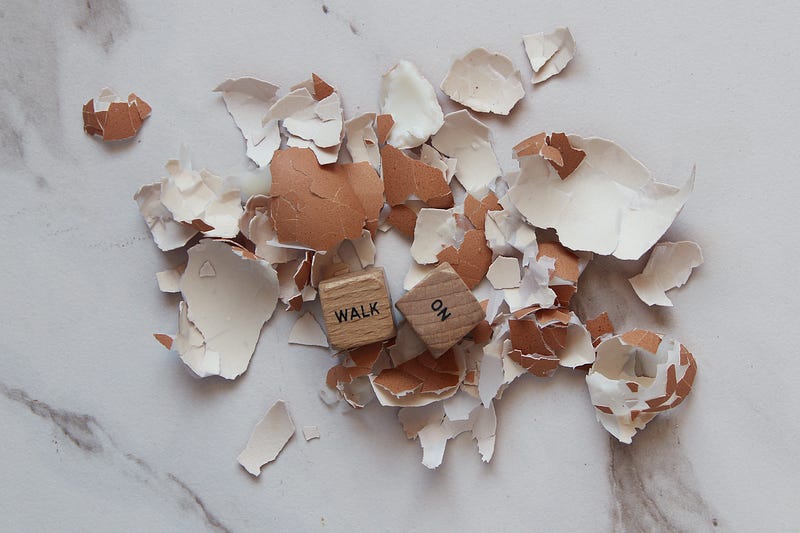
It feels like punishment to those around them. You feel as if you are walking on eggshells.
Other Forms Of Passive Aggressive Behavior
- Silent treatment, shutting down
- Sarcasm
- Eye rolling
- Closed body language
- Victim mentality
- Saying everything is fine when clearly it is not
How to Resolve The Conflict
Dealing with someone who is passive-aggressive is difficult. This is a form of manipulation, and manipulation is a form of psychological abuse. The first thing you must do is establish and enforce boundaries. Next, center yourself and practice good self-care so that you are in a good spot mentally. Finally, confront this person. Use “I statements” to make them feel more at ease.
Example for a script:
Hey, I can tell something is bothering you. I am on your team. I am not your enemy. If you want to talk about something, I would be happy to listen. I feel it may help.
If they decide to talk, avoid offering unsolicited advice. Listen and repeat what they say so that they know you have heard and understood them. This will help them to feel safe and create security for them to raise their emotional intelligence by learning to express their emotions more freely.
Final Thoughts
There are many forms of manipulation. Compared to gaslighting, passive-aggressive behavior is easier to recognize. It is still abusive and needs to be called out and rectified. If it continues long-term, it can be very damaging to the soul and will lower your self-esteem. If this person refuses to respect your boundaries and correct their behavior you need to consider leaving the relationship because it is detrimental to your mental health.
Thank you for taking the time to read, clap fifty times, highlight, and comment. In case no one has told you yet today, you are amazing. Please subscribe to my YouTube Channel. I will have a new guided meditation up tomorrow for sleep. Also, I do have one spot available now for online coaching via Zoom; if you are interested, you can click this link for a complimentary consultation call to see if we are a match to work together.
Peace & Light,
Libby
Leah Lynch wrote a beautiful poem, Get Focused, which is an inspirational reminder for us all ❤️
SAJNANI wrote a wonderful article on Waning Wisdom that made me miss my grandparents and the stories they once told.


