
Waning Wisdom

In an era where technology reigns supreme and instant access to information is the norm, the essence of wisdom often appears to be overshadowed, if not entirely forgotten.
However, wisdom remains an invaluable trait that guides our choices, molds our values, and enriches our lives.
“The only true wisdom is in knowing you know nothing.” — Socrates
The Decline of Traditional Sources of Wisdom
The Erosion of Inter-generational Knowledge Transfer

In the good old days, wisdom was a treasured family heirloom, passed down through generations like a cherished recipe.
However, in our fast-paced modern society, this time-honored tradition seems to be slipping away.
As we get entangled in the rush of the present, the wisdom of the past slowly slips through our fingers.
We’re too preoccupied with sharing our lunches on social media to sit down and listen to Grandma’s tales of resilience and triumph.
It’s like we’re squandering a treasure chest of wisdom that could help us navigate life’s twists and turns with finesse.
“The greatest glory in living lies not in never falling, but in rising every time we fall.” — Nelson Mandela
The Diminishing Influence of Elders and Mentors

Once upon a time, wise elders and mentors were akin to the Google search engines of wisdom.
They were the individuals with life experiences, battle scars, and stories that could leave you in awe.
But in today’s hyper-connected world, we’re more inclined to ask Siri than seek guidance from someone who’s been through it all.
We’re missing out on the personal touch, the human connection, and the priceless advice that can only come from someone who has tread the path before us.
It’s high time we revive the wisdom whisperers and accord them the respect they deserve.
“Mentoring is a brain to pick, an ear to listen, and a push in the right direction.” — John C. Crosby
The Impact of Technology on Wisdom Acquisition

Instant Gratification Culture and its Implications on Wisdom Development
Technology, the marvel of our age! We reside in a world where everything is just a click away, be it instant noodles or instant fame.
However, this instant gratification culture might be robbing us of something precious: the time and patience required for the acquisition of wisdom.
In our pursuit of quick fixes and immediate answers, we risk missing out on truly comprehending the complexities of life.
It’s akin to attempting to master the art of origami through a 30-second TikTok video.
Sure, you might end up with a folded piece of paper, but you’ll miss out on the beauty and intricacy of the craft.
“Patience is not simply the ability to wait — it’s how we behave while we’re waiting.” — Joyce Meyer
The Illusion of Wisdom: Information Overload and Filter Bubbles

In this digital age, information is at our beck and call 24/7.
We can Google the meaning of life, watch TED Talks on astrophysics, and even learn to knit a sweater for our pet hamster.
Yet, amidst this sea of information, we often find ourselves drowning in a whirlpool of conflicting advice, fake news, and opinions parading as facts.
We’re trapped in filter bubbles that reinforce our existing beliefs, making it harder to uncover genuine wisdom.
It’s high time we burst these bubbles, break free from echo chambers, and actively seek diverse perspectives to genuinely broaden our horizons.
“The greater our knowledge increases, the more our ignorance unfolds.” — John F. Kennedy
Changing Education Systems and their Effect on Wisdom Development

Rethinking Traditional Curriculum: Emphasizing Critical Thinking and Reflection
In our fast-evolving world, education systems face a daunting task: how to nurture wisdom in the minds of tomorrow.
It’s time to reevaluate our conventional curriculum and place a greater emphasis on critical thinking and reflection.
We must empower students to question, analyze, and challenge the status quo.
Let’s bid farewell to rote memorization of facts and figures and instead encourage exploration of the depths of knowledge, contemplation of life’s profound questions, and the cultivation of a thirst for lifelong learning.
After all, wisdom isn’t rooted in the regurgitation of information; it’s born from profound understanding and the ability to think for oneself.
“Education is not the filling of a pail, but the lighting of a fire.” — William Butler Yeats
The Role of Ethics and Philosophy in Fostering Wisdom

Wisdom isn’t just about knowing how to balance your checkbook or change a tire; it’s also about comprehending the deeper moral and philosophical dimensions of life.
By integrating ethics and philosophy into our educational journey, we can cultivate a stronger sense of wisdom.
Teaching students to ponder questions of right and wrong, to grapple with ethical dilemmas, and to explore the timeless wisdom of ancient philosophers can guide them toward making wiser decisions and living more meaningful lives.
It’s time we understand that true wisdom encompasses not only knowledge but also a strong moral compass.
“The unexamined life is not worth living.” — Socrates
The Rise of Influencer Culture and its Impact on Wisdom Perception

In the age of social media, influencers seem to have all the answers. From fitness gurus to lifestyle experts, they have become modern-day sages, dispensing wisdom with a single post.
However, it’s important to question the depth and authenticity of this wisdom.
While influencers may have expertise in their respective fields, their advice is often tailored to gain likes and followers rather than promoting true wisdom. As a result, our perception of wisdom may be distorted.
The Dangers of Superficial Wisdom
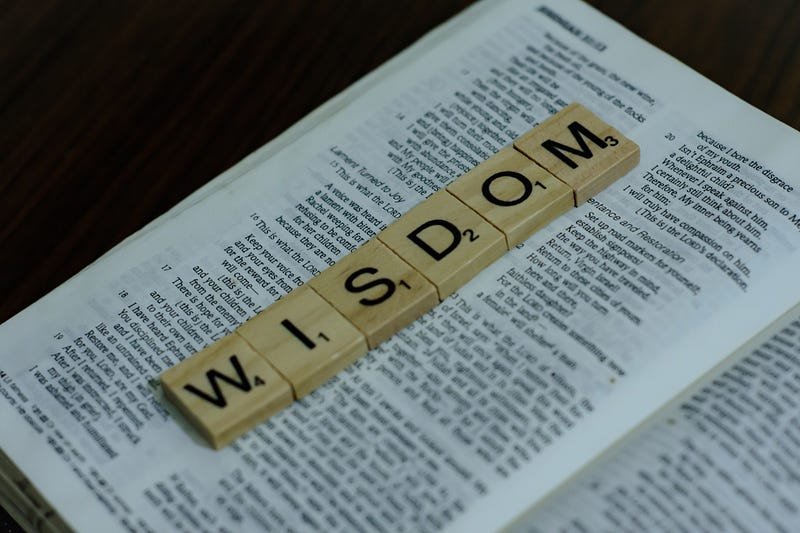
With a quick Google search, we can find answers to almost any question. But does that make us wise? The problem lies in mistaking information for wisdom.
Just because we have access to countless articles and YouTube tutorials doesn’t mean we possess the deep understanding and discernment that true wisdom requires.
Online platforms can give us a sense of false expertise, leading us to believe we are wise when, in reality, we are merely scratching the surface.
Challenges and Opportunities
The Shift from Experience-based Wisdom to Technological Proficiency

In today’s workplace, technological proficiency often takes precedence over experience-based wisdom.
As companies strive to stay ahead in a highly competitive landscape, the allure of cutting-edge technologies can overshadow the value of wisdom gained through years of hands-on experience.
While technology can enhance productivity and efficiency, it is important not to overlook the invaluable insights and nuanced decision-making abilities that come from seasoned professionals.
Building a Culture of Wisdom — Promoting Collaboration and Collective Decision Making
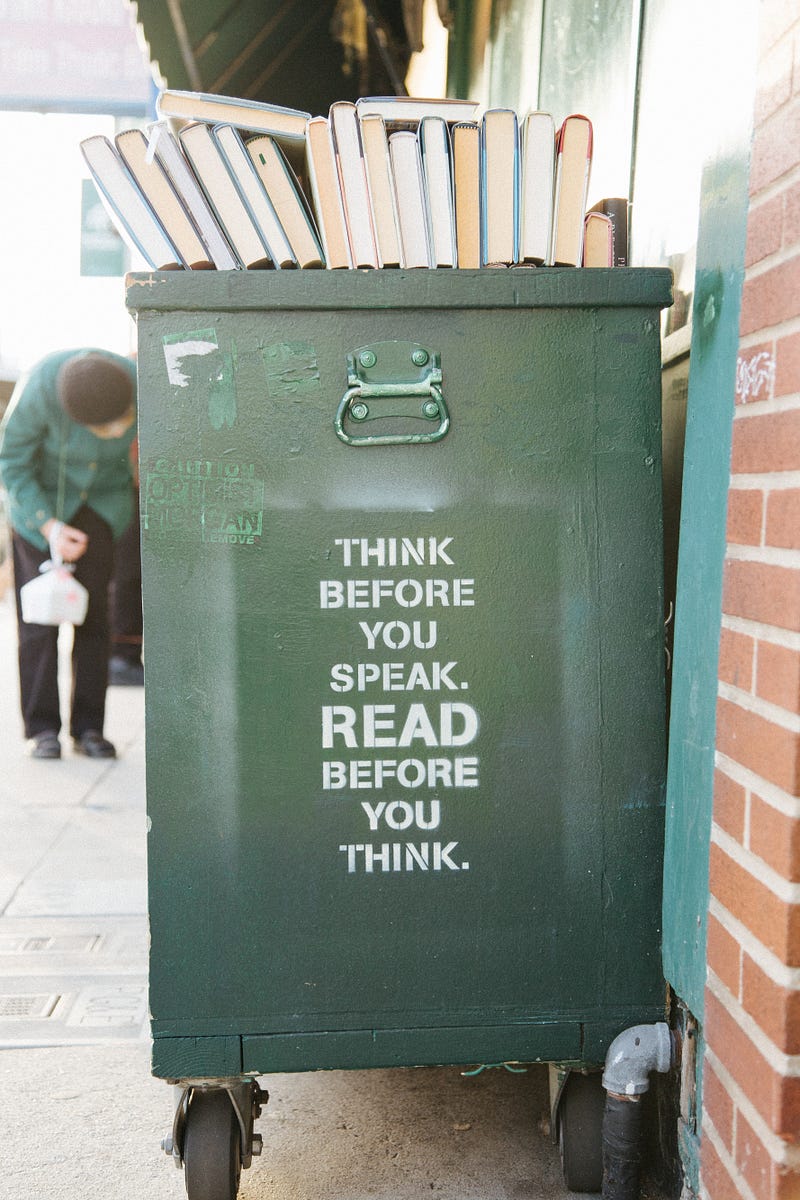
To cultivate wisdom in the workplace, organizations must encourage collaboration and collective decision-making.
Wisdom thrives when diverse perspectives are brought together, fostering dialogue and critical thinking.
By creating an environment that values the input of all team members, companies can tap into the collective wisdom of their employees, leading to better problem-solving, innovation, and ultimately, success.
Rediscovering Wisdom
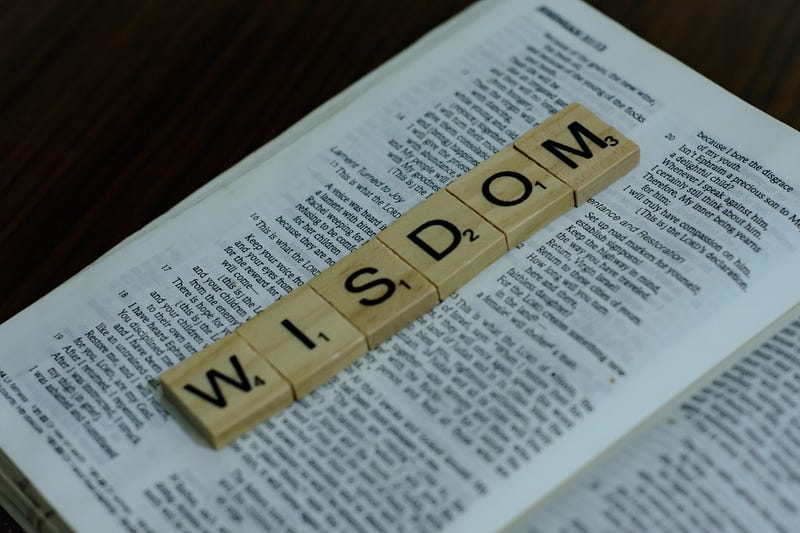
Revitalizing Traditional Wisdom Practices in the Modern World
While technology has its benefits, it’s essential to reconnect with traditional wisdom practices that have stood the test of time.
Ancient philosophies, mindfulness practices, and cultural traditions can provide us with profound insights and guide us towards a more balanced and wise society.
By blending the wisdom of the past with the advancements of the present, we can create a harmonious coexistence of tradition and modernity.
Fostering Emotional Intelligence and Empathy for Wisdom Development
Emotional intelligence and empathy play a crucial role in the development of wisdom.
Understanding our emotions and the emotions of others allows us to see beyond our own perspectives, paving the way for wiser decision-making and conflict resolution.
By fostering these qualities in individuals and communities, we can create a society that embraces wisdom and its transformative power.
Nurturing Wisdom in the Digital Age

The Need for a Balanced Approach: Embracing Technology while Preserving Wisdom
In the digital age, it is crucial to strike a balance between embracing technology and preserving wisdom.
Technology can enhance our lives in countless ways, but it shouldn’t overshadow the deep insights that come from lived experiences and genuine human connection.
By integrating technology into our lives mindfully, we can harness its benefits while maintaining a healthy appreciation for the age-old wisdom that has guided humanity for centuries.
Individual and Collective Responsibility: Creating a Wise Future
Ultimately, the responsibility to nurture wisdom falls upon each one of us. Individually, we must seek knowledge, challenge our assumptions, and cultivate our own wisdom.
Collectively, we must prioritize wisdom in our educational systems, workplaces, and societal structures.
By valuing wisdom and actively working towards its preservation and advancement, we can create a future that is guided by thoughtful decision-making, empathy, and true understanding.
Nurturing Wisdom in the Digital Age

In the face of technological advancements and evolving societal norms, the preservation and cultivation of wisdom are more crucial than ever.
As we navigate the complexities of the digital age, it is imperative that we recognize the value of wisdom in decision-making, problem-solving, and ethical considerations.
By embracing a balanced approach that embraces technology while preserving the essence of wisdom, and by fostering empathy, critical thinking, and collaboration, we can create a future where wisdom thrives.
Let us have a collective journey to nurture wisdom, both individually and as a society, ensuring a wiser, more enlightened world for generations to come.
“I appreciate your presence here. Thanks for reading. Interested in more? Feel free to explore my profile for additional content and subscribe to receive my articles as soon as they’re published.”


