
Paris Reinvented: One 15-Minute City’s Journey
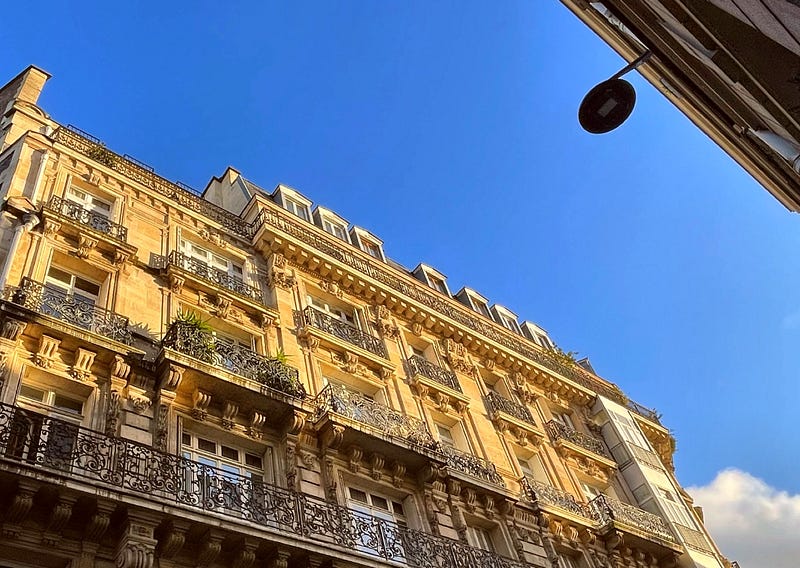
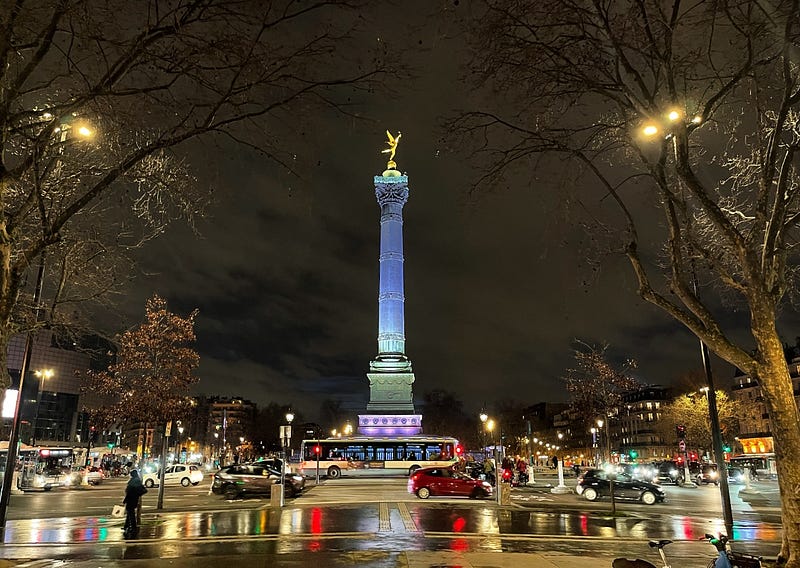
Paris has made impressive progress in the past decade towards becoming a green, sustainable city. Air pollution has been significantly reduced, and a range of measures in transportation and local governance has remarkably improved the city’s livability. (The photos in this article are from last week’s very short trip to Paris.)
The number of vehicles in the city center is dramatically reduced, many roads have been changed into one-direction traffic, and the space gained is given back to pedestrians and cyclists.
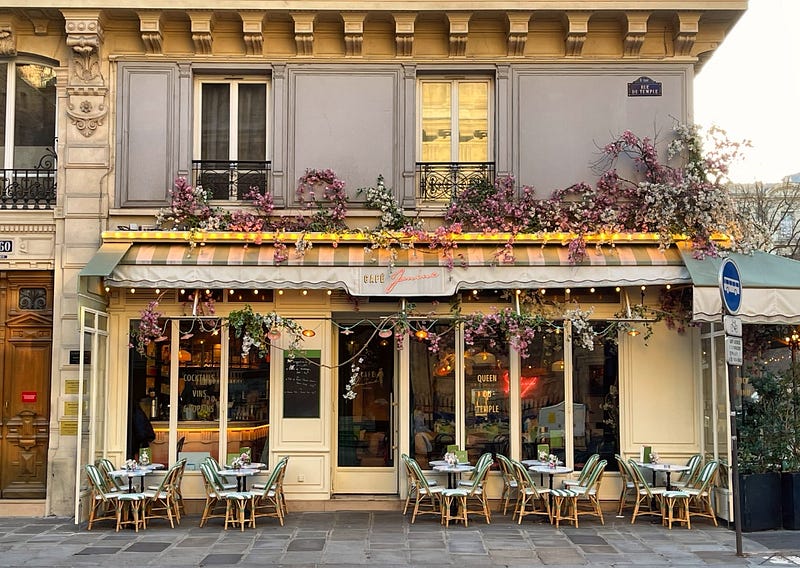
Only a few years ago, I used mainly the metro to get to another part of town, like I had done during every previous visit. But I have only used the metro once during my three trips in the past half year. Instead, I used the electric bikes available everywhere for a few euros and rapidly moved over the many new bike lanes to every part of the city I wanted to visit.
Paris’s remodeling should lead to what it proudly calls a 15-minute city: an urban space where you can easily travel between your home, workplace, shops, restaurants, local parks, or any other place you like to visit during the day.
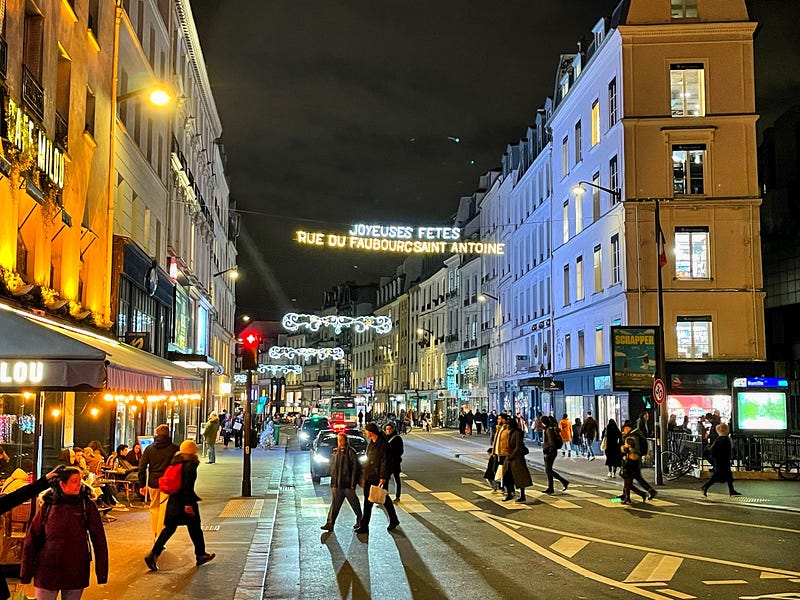
For American readers, this must be a revolutionary concept. Likely, it’s a nightmare for the oil and car industry while it remains a distant dream for many residents. Living without a car, prioritizing pedestrians and cyclists, and having a green urban design is the opposite of the American concept of concentrated areas for living, shopping, or business.
For me, as a Dutchman, there isn’t that much news. I have always used a bike as my first choice for transportation to go to school, university, and every job I ever had while living in my country. And practically all of my friends and colleagues will have had similar experiences. It’s not unusual for a ministry in The Hague to have only 50 parking spaces for thousands of employees. Meanwhile, the Dutch university city of Utrecht has the world’s biggest bicycle parking with 22,000 high-quality parking places. I have always done most of my grocery shopping by bike or on foot; it’s like living in the prototype of a 15-minute city. And if you ever visit the Netherlands, you’ll notice that most city centers are now car-free.
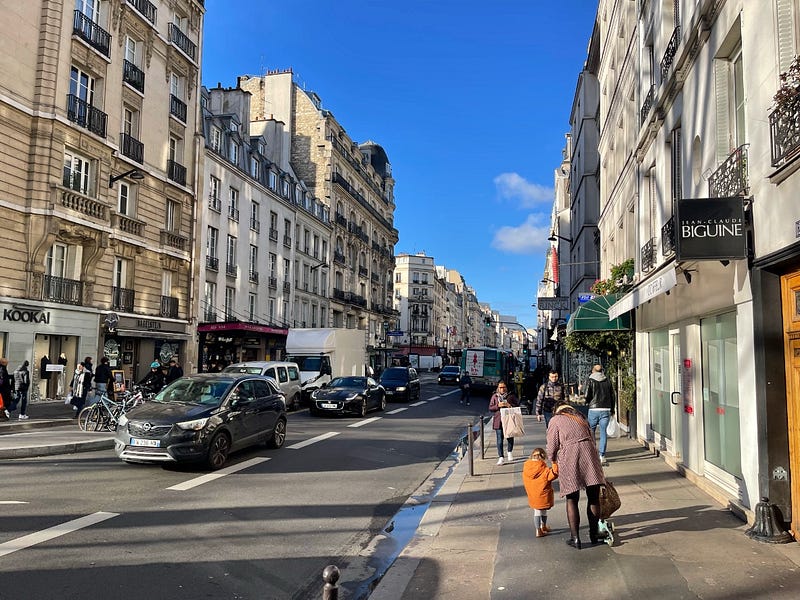
But to be fair, we don’t have cities the size of Paris, and we have a different history in urban planning; the changes I saw in Paris are impressive, and if you haven’t visited this city for several years, I guarantee you will be surprised.
One of the remarkable changes is visible on the road along the northern shore of the Seine. This used to be a polluting -and therefore deadly- highway where 40.000 cars per day passed over this UNESCO world heritage site. A large stretch of it is nowadays a car-free park.
During the pandemic lockdowns, Mayor Hidalgo grabbed the opportunity to push for more bike lanes. Paris now has about 1,000 kilometers of cycling routes. That is a bit more than Amsterdam’s 767 kilometers, which is a good start for the far larger city, even considering the different definitions of cycling paths. Paris counts the bus lanes as cycling paths, but I have had several experiences where a bus was driving so close behind me that I felt like Denis Weaver in Spielberg’s thriller Duel. But who knows, maybe some Parisians don’t feel safe on Dutch separate cycling routes with their own traffic lights; it’s probably different driving cultures we all must get used to.
Subscribe to receive email notifications when I publish new articles.


