avatarAnkit Das

Free AI web copilot to create summaries, insights and extended knowledge, download it at here

3320

Abstract

In such circumstances, it’s better to back off a little bit, reduce weights, choose some easier progression, or reduce your speed and frequency of running.</p><p id="1978"><i>To see better results, train smart, and not always train too hard.</i></p><h2 id="98d7">Prolonged soreness</h2><p id="be1a">If you are a beginner, then it’s perfectly fine to have muscle soreness for a long period like a week.</p><p id="b90f">But if you are an experienced lifter and not trying any new exercise or movements, and still feeling soreness like the day you started to workout that lasts for a long period of time like a week, then you must have a check on your workout routine.</p><h2 id="cb51">Lack of motivation</h2><p id="fe98">No, it’s not for couch potatoes who haven’t trained for half a year.</p><p id="f55a">If you aren’t feeling like showing up for a workout, but earlier you used to look forward to your workouts, it can be a big red flag.</p><p id="79a0">And that’s how overtraining affects you mentally and emotionally as well as physically.</p><p id="391e">You might feel tired, sluggish, and irritated throughout the day. This is the result of working your “sympathetic nervous system” excessively and in this process, <a href="https://www.apa.org/topics/stress/body#:~:text=In%20the%20male%20anatomy%2C%20the,produced%20by%20the%20adrenal%20glands.">you’re decreasing testosterone and increasing cortisol levels way too high.</a></p><p id="c6a4">An increase in cortisol level just after a workout is completely normal as it will come down after some time but if it continuously stays above the normal level then you must re-evaluate your workout or any external factor that might be leading to this circumstance.</p><h2 id="b379">Flat muscles</h2><p id="f2e0">And what do I mean by that? I mean not seeing significant growth in your muscle mass.</p><p id="6118">Muscle recovery takes place while you rest. If you’re supplementing your workouts with proper nutrition and rest, especially sleep, your muscles are in an ideal state of muscle growth. Remove any one of them and you won’t see any progress.</p><p id="b816">And what do we do in overtraining? We remove ‘rest’.</p><p id="c026" type="7">If you remove the event of muscle recovery and building, how the heck are going to see any result?</p><p id="a17c">So in overtraining, you are doing more breakdown than rebuilding, and you know where this will lead you to, right?</p><h1 id="be1d">How can you avoid overtraining?</h1><p id="38be">What is overtraining? Training extremely every day, right? So, avoid it. When you train a lot without enough recovery, you are very much prone to injuries too, which can again hamper your progress.</p><p id="a164">What else can you do?</p><h2 id="486c">You are what you eat</h2><p id="2add">Make sure you eat properly every day.</p><p id="08a7" type="7">You can’t expect good results from a packet of chips.</p><p id="345e">Not just protein, yes it is important for muscle growth, but other vitamins and minerals are essential too. You don’t need to measure your meal, but you must always know what you are eating, how much you are eating, and what to expect from what you are eating.</p><h2 id="3ccc">The real magic takes place when you sleep</h2><p id="c5c1">Do you know when your muscle recovery and build-up peaks? Durin

Options

g your sleep.</p><p id="a1f6">Not just that, lack of sleep can lead to a hell of problems such as a <a href="https://www.ncbi.nlm.nih.gov/pmc/articles/PMC4445839/">decrease in anabolic hormones like testosterone.</a></p><p id="1a40">So, you must take 7–9 hours of sleep every day.</p><h2 id="e549">Have an unload week</h2><p id="f6be">Decreasing the load from your muscles for some time can be beneficial too.</p><p id="8f52">It can be incorporated like a week in a month or two, according to your progress level, when you train with lighter weights or train with an easier progression than what you train usually.</p><h1 id="1325">The Takeaway</h1><p id="8795">Overtraining can be as dangerous as not training at all. You’re overtraining if:</p><ul><li>You see a decrease in your performance level for a long time.</li><li>You feel soreness like the day you started to workout and lasts for a long period of time like a week.</li><li>You feel sluggish and don’t want to show up for the workout.</li><li>Your intense training is not paying off.</li></ul><p id="2765">You can avoid overtraining by:</p><ul><li>Avoiding doing extreme workouts too often, yes I know it’s obvious, yet often ignored.</li><li>Eating a balanced diet.</li><li>Sleeping enough, i.e., 7–9 hours a day.</li><li>Incorporating an unload week.</li></ul><p id="6453">So by now, you must be clear about how harmful overtraining can be, how to know that you are overtraining, and how to avoid it.</p><p id="1261">I hope you learned something new. Thanks for reading!!</p><p id="0a17"><b>You’d also like…</b></p><div id="98aa" class="link-block"> <a href="https://readmedium.com/a-calisthenics-checklist-you-must-be-aware-of-dd19c56fa86b"> <div> <div> <h2>A Calisthenics Checklist You Must Be Aware Of</h2> <div><h3>3 key factors that determine your calisthenics journey</h3></div> <div><p>medium.com</p></div> </div> <div> <div style="background-image: url(https://miro.readmedium.com/v2/resize:fit:320/1*1DJEgxWwIMOr73qiPfRLiA.jpeg)"></div> </div> </div> </a> </div><div id="d45c" class="link-block"> <a href="https://readmedium.com/5-reasons-to-train-full-body-everyday-bdbc2c7612b"> <div> <div> <h2>5 Reasons To Train Full-Body Everyday</h2> <div><h3>#3. You get a high-quality training volume</h3></div> <div><p>medium.com</p></div> </div> <div> <div style="background-image: url(https://miro.readmedium.com/v2/resize:fit:320/0*WI2W5FBe9L4kN1im)"></div> </div> </div> </a> </div><figure id="8fd1"><img src="https://cdn-images-1.readmedium.com/v2/resize:fit:800/0*JOsxvNQQqfEtJdp5.jpeg"><figcaption></figcaption></figure><p id="5814"><b>You just read another post from In Fitness And In Health:</b> a health and fitness community dedicated to sharing knowledge, lessons, and suggestions to living happier, healthier lives.</p><p id="e213">If you’d like to join our newsletter and receive more stories like this one, <a href="https://scottmayer.substack.com/"><b>tap here</b></a><b>.</b></p></article></body>

Overtraining Is The Worst Thing You Can Do To Yourself

How to know and avoid it
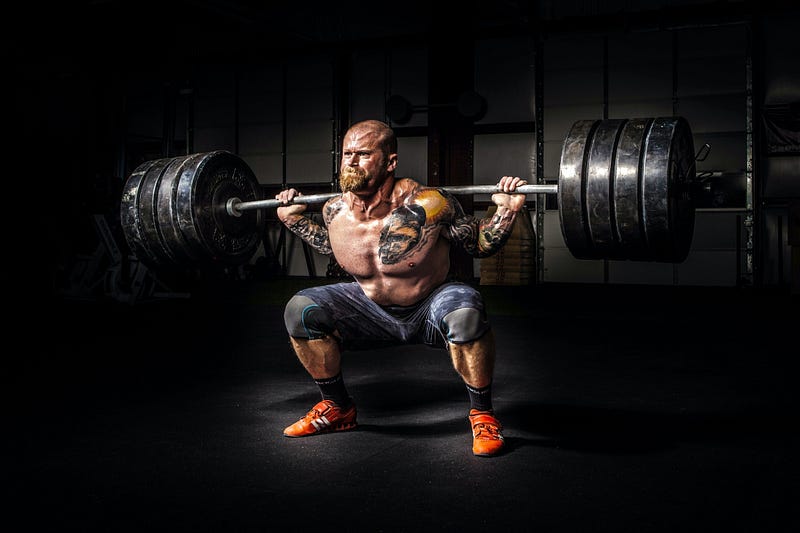
Photo by Binyamin Mellish from Pexels

A workout is a good thing. It can help you stay at a healthy weight, improve your cardiovascular system and fight depression too.

So if it is so good for us, then working out intensely should be beneficial, right? It seems like that’s not the case. Overtraining can have adverse effects on your brain as well as the body.

First of all, we must ensure that we’re on the same page, i.e., what overtraining is?

If you think pushing yourself to your limit during a workout is called overtraining, then my friend, for you overtraining is a good thing. But in general, i.e., what the fitness community says, overtraining is pushing a muscle group to its limit again and again without giving it enough rest to recover.

A study shows that light to moderate runners has lower mortality than the ones who don’t exercise, I know what you’ll say, “I am not a fool, I know that, show me something new.” So to your surprise, the same study shows that the ones running at an intensive fast pace more than 3 times a week have mortality equal to the ones who don’t exercise.

Overtraining can have adverse effects on your heart, ligaments, tendons, and immune system. Yes, immune system too. An intense exercise can lead to 3 — 72 hours of impaired immunity before building it back stronger.

How do you know you’re overtraining?

A decrease in performance level

One of the most obvious ones.

If you are working out really hard, and your workouts typically go well, and then you have a day or two when your performance wasn't able to reach its peak, then its perfectly fine, but if you see a series of days like for a week or two, you must get cautious.

You were doing that intense training to make yourself strong, not to weaken yourself.

It’s not at all normal that you do so many intense workouts, and the result comes out to be a decrease in grip strength and weights feeling heavier on your joints and bones. You were doing that intense training to make yourself strong, not to weaken yourself, right?

In such circumstances, it’s better to back off a little bit, reduce weights, choose some easier progression, or reduce your speed and frequency of running.

To see better results, train smart, and not always train too hard.

Prolonged soreness

If you are a beginner, then it’s perfectly fine to have muscle soreness for a long period like a week.

But if you are an experienced lifter and not trying any new exercise or movements, and still feeling soreness like the day you started to workout that lasts for a long period of time like a week, then you must have a check on your workout routine.

Lack of motivation

No, it’s not for couch potatoes who haven’t trained for half a year.

If you aren’t feeling like showing up for a workout, but earlier you used to look forward to your workouts, it can be a big red flag.

And that’s how overtraining affects you mentally and emotionally as well as physically.

You might feel tired, sluggish, and irritated throughout the day. This is the result of working your “sympathetic nervous system” excessively and in this process, you’re decreasing testosterone and increasing cortisol levels way too high.

An increase in cortisol level just after a workout is completely normal as it will come down after some time but if it continuously stays above the normal level then you must re-evaluate your workout or any external factor that might be leading to this circumstance.

Flat muscles

And what do I mean by that? I mean not seeing significant growth in your muscle mass.

Muscle recovery takes place while you rest. If you’re supplementing your workouts with proper nutrition and rest, especially sleep, your muscles are in an ideal state of muscle growth. Remove any one of them and you won’t see any progress.

And what do we do in overtraining? We remove ‘rest’.

If you remove the event of muscle recovery and building, how the heck are going to see any result?

So in overtraining, you are doing more breakdown than rebuilding, and you know where this will lead you to, right?

How can you avoid overtraining?

What is overtraining? Training extremely every day, right? So, avoid it. When you train a lot without enough recovery, you are very much prone to injuries too, which can again hamper your progress.

What else can you do?

You are what you eat

Make sure you eat properly every day.

You can’t expect good results from a packet of chips.

Not just protein, yes it is important for muscle growth, but other vitamins and minerals are essential too. You don’t need to measure your meal, but you must always know what you are eating, how much you are eating, and what to expect from what you are eating.

The real magic takes place when you sleep

Do you know when your muscle recovery and build-up peaks? During your sleep.

Not just that, lack of sleep can lead to a hell of problems such as a decrease in anabolic hormones like testosterone.

So, you must take 7–9 hours of sleep every day.

Have an unload week

Decreasing the load from your muscles for some time can be beneficial too.

It can be incorporated like a week in a month or two, according to your progress level, when you train with lighter weights or train with an easier progression than what you train usually.

The Takeaway

Overtraining can be as dangerous as not training at all. You’re overtraining if:

  • You see a decrease in your performance level for a long time.
  • You feel soreness like the day you started to workout and lasts for a long period of time like a week.
  • You feel sluggish and don’t want to show up for the workout.
  • Your intense training is not paying off.

You can avoid overtraining by:

  • Avoiding doing extreme workouts too often, yes I know it’s obvious, yet often ignored.
  • Eating a balanced diet.
  • Sleeping enough, i.e., 7–9 hours a day.
  • Incorporating an unload week.

So by now, you must be clear about how harmful overtraining can be, how to know that you are overtraining, and how to avoid it.

I hope you learned something new. Thanks for reading!!

You’d also like…

You just read another post from In Fitness And In Health: a health and fitness community dedicated to sharing knowledge, lessons, and suggestions to living happier, healthier lives.

If you’d like to join our newsletter and receive more stories like this one, tap here.

Overtraining
Workout
Lifestyle
Training
Fitness
Recommended from ReadMedium