avatarHealth Geek

Free AI web copilot to create summaries, insights and extended knowledge, download it at here

1963

Abstract

e plays a vital role in osteoarthritis in females.<b> Estrogen regulates bone metabolism</b> by promoting the activity of bone forming cells, Osteoblasts. Estrogen levels <b>decrease after menopause</b> in females and osteoblastic functions are lost or decreased. This contributes in <b>decreased bone density and damage to the joints.</b></p><p id="9189"><b>‣ Vitamin D and Calcium Deficiency:</b></p><p id="bc4c">Women are <b>less involved in physical work</b> that promotes bone growth and increases bone density. So, they have weaker bones as compared to men and <b>need vitamin D and Calcium in higher amounts</b> to maintain bone health. <b>Vitamin D and Calcium deficiency leads to weaker bones</b> contributing to wear and tear of the bones and joints.</p><figure id="9dae"><img src="https://cdn-images-1.readmedium.com/v2/resize:fit:800/0*c8qWIdaSyjXPMxDe.jpg"><figcaption>Photo source <a href="https://encinovascular.com/conditions/knee-osteoarthritis/"><b>encinovascular.com</b></a></figcaption></figure><h1 id="6b8a">3- Activity Levels and Bio-mechanics:</h1><p id="7b72">Women are more involved in <b>kneeling squatting and stair climbing</b> as compared to men. These activities cause wear and tear of the joints.</p><p id="7fbb">Also, most females have <b>weaker muscles around the knee joint</b> as compared to men. This puts more pressure on the joints and an increased wear and tear.</p><h1 id="751c">4- Other Risk Factors:</h1><p id="197a">Some other risk factors that might contribute to decreased bone density and increased stress on the joints are:</p><blockquote id="3922"><p><b>1- Genetics — </b>some women may be more prone to osteoarthritis based on their genetics.</p></blockquote><blockquote id="f8b3"><p><b>2- Weight —</b> Excess weight puts extra pressure on the joints.</p></blockquote><blockquote id="908c"><p><b>3- Knee Injuries — </b>Ligamentous or meniscal injuries to the knee joint may contribute to increased stress on the joi

Options

nt.</p></blockquote><p id="b834">These are some of the potential risk factors that can lead to osteoarthritis of the knee. Consult a healthcare professional to understand your risk factors and preventive measures <b>(exercise, dietary changes, lifestyle changes, weight management techniques and joint protection strategies).</b></p><p id="42d5"><b><i>Thank you for reading this article and I look forward to your feedback in the comments. If you want me to write about any specific health topic, feel free to ask. You can follow and press the bell icon to get notified whenever I post a new story. Appreciate your time and help!!</i></b></p><div id="91ae" class="link-block"> <a href="https://readmedium.com/unlocking-the-sunshine-vitamin-how-vitamin-d-builds-strong-bones-dd36812ea4f5"> <div> <div> <h2>Unlocking the Sunshine Vitamin: How Vitamin D Builds Strong Bones?</h2> <div><h3>Get Your Bones on Vitamin D and Calcium…</h3></div> <div><p>medium.com</p></div> </div> <div> <div style="background-image: url(https://miro.readmedium.com/v2/resize:fit:320/0*CXZNtZxJxHGnzBfS.png)"></div> </div> </div> </a> </div><div id="3af1" class="link-block"> <a href="https://readmedium.com/5-pillars-of-a-vibrant-health-577a318d578f"> <div> <div> <h2>5 Pillars of a Vibrant Health.</h2> <div><h3>Health is one of the most talked-about subjects in the world. With time and with the new discoveries in the medical…</h3></div> <div><p>medium.com</p></div> </div> <div> <div style="background-image: url(https://miro.readmedium.com/v2/resize:fit:320/1*1pUDZ41WPZQhtPcDmxGvfg.png)"></div> </div> </div> </a> </div></article></body>

Osteoarthritis of Knee is More Common in Women. Know why?

Factors Involved in Knee Osteoarthritis in Women.

Osteoarthritis is a degenerative joint condition characterized by joint wear and tear, as well as loss of articular cartilage around the joint surfaces. This decreased in the cartilage leads to an increased friction between the bones damaging the joint surfaces.

Osteoarthritis can affect any joint but most common joint are the weight bearing joints such as hip and knee.

We will discuss osteoarthritis in more details in the coming article but let’s discuss the main reasons why females are 40% more prone to osteoarthritis of knee and hip as compared to males.
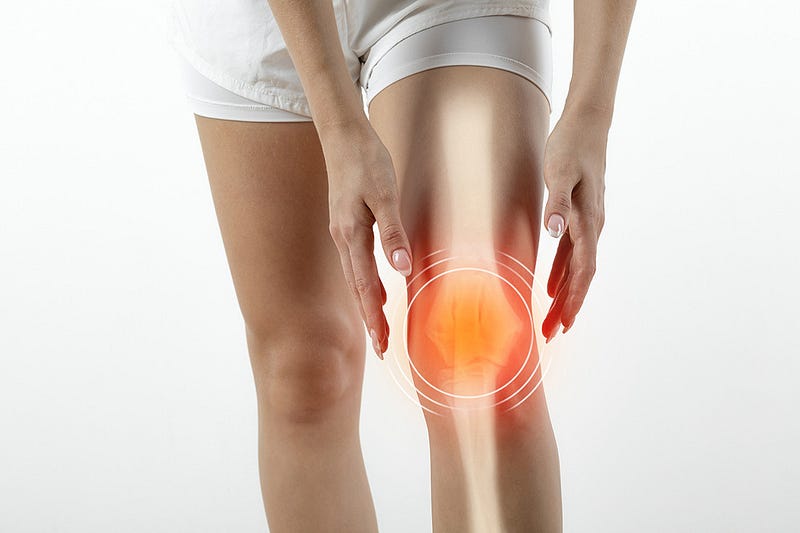
Photo by Kriskamol Sithitool, M.D. on samitivejhospitals

Lets get straight into the factors involved in knee osteoarthritis in females.

1- Anatomical Differences:

Wider Pelvis in females causes an increase in the Q Angle (Angle between the knee cap and the femoral shaft). With the increased Q angle, there is an increased stress on the inner part of the knee and knee cap contributing to wear and tear of the joint.
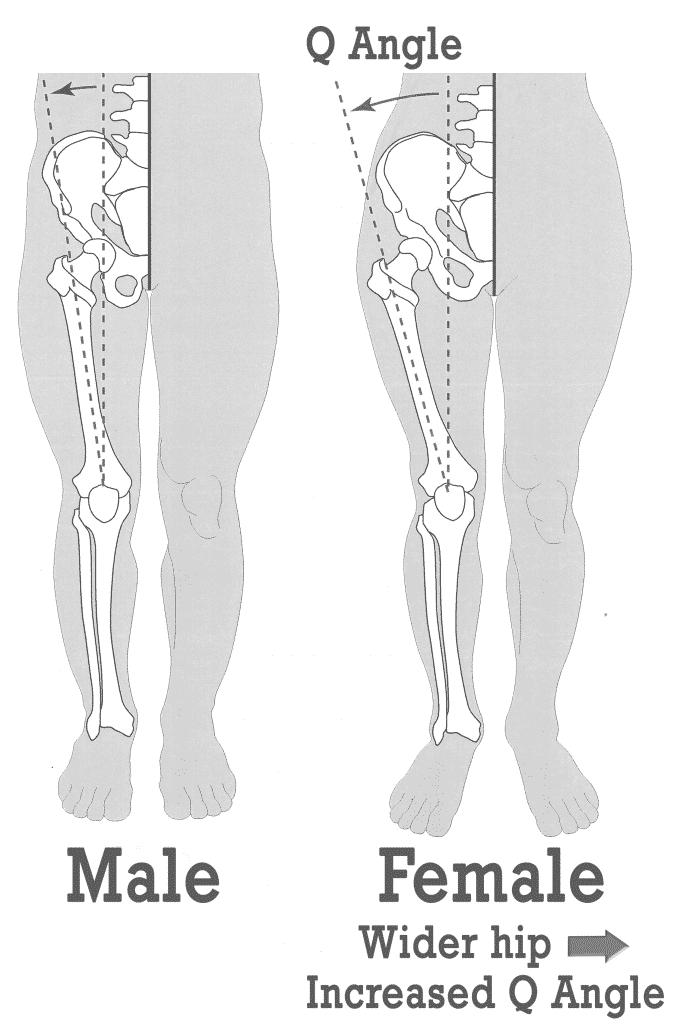
Photo by Matt Phillips on runnersconnect.net

2- Hormonal Changes:

‣ Estrogen Deficiency:

Post menopausal deficiency of estrogen hormone plays a vital role in osteoarthritis in females. Estrogen regulates bone metabolism by promoting the activity of bone forming cells, Osteoblasts. Estrogen levels decrease after menopause in females and osteoblastic functions are lost or decreased. This contributes in decreased bone density and damage to the joints.

‣ Vitamin D and Calcium Deficiency:

Women are less involved in physical work that promotes bone growth and increases bone density. So, they have weaker bones as compared to men and need vitamin D and Calcium in higher amounts to maintain bone health. Vitamin D and Calcium deficiency leads to weaker bones contributing to wear and tear of the bones and joints.
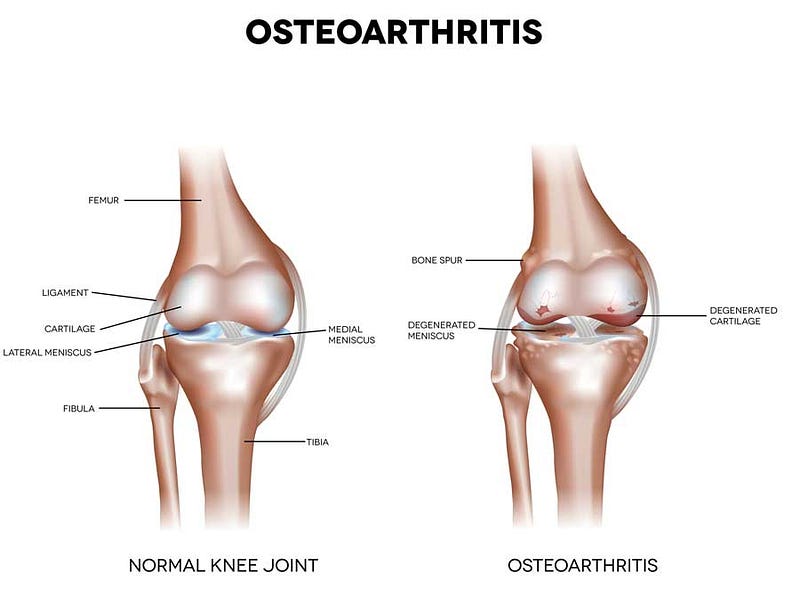
Photo source encinovascular.com

3- Activity Levels and Bio-mechanics:

Women are more involved in kneeling squatting and stair climbing as compared to men. These activities cause wear and tear of the joints.

Also, most females have weaker muscles around the knee joint as compared to men. This puts more pressure on the joints and an increased wear and tear.

4- Other Risk Factors:

Some other risk factors that might contribute to decreased bone density and increased stress on the joints are:

1- Genetics — some women may be more prone to osteoarthritis based on their genetics.

2- Weight — Excess weight puts extra pressure on the joints.

3- Knee Injuries — Ligamentous or meniscal injuries to the knee joint may contribute to increased stress on the joint.

These are some of the potential risk factors that can lead to osteoarthritis of the knee. Consult a healthcare professional to understand your risk factors and preventive measures (exercise, dietary changes, lifestyle changes, weight management techniques and joint protection strategies).

Thank you for reading this article and I look forward to your feedback in the comments. If you want me to write about any specific health topic, feel free to ask. You can follow and press the bell icon to get notified whenever I post a new story. Appreciate your time and help!!

Osteoarthritis
Knee Pain
Osteoporosis
Health
Self Improvement
Recommended from ReadMedium