
Only Show What You Can Explain Fluently to Establish Trust with The Audience
Walk the talk in a direction you know
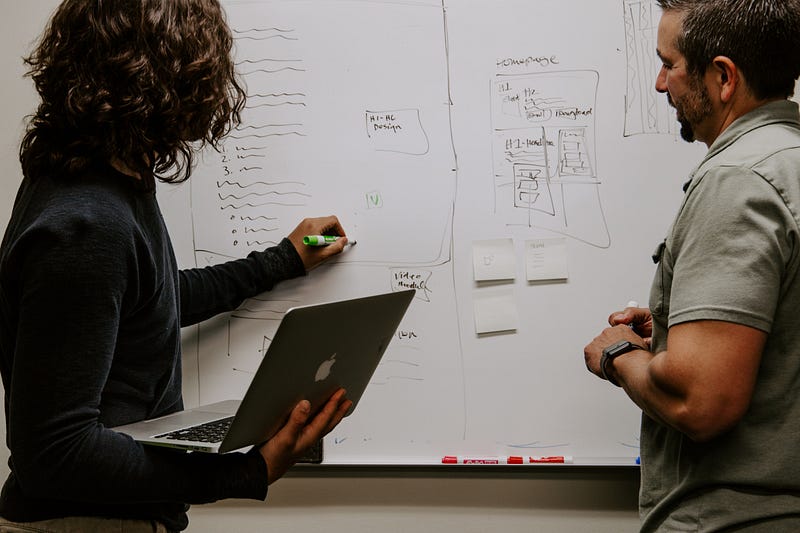
During one of my college presentations, I prepared an 18 slides presentation. I didn’t know half of the content in it. I had recited all of it. If the examiner dived deep into my work, I wouldn’t be able to answer. I would cave. That was the plan. I knew I would fuck up if things so south.
Before delivering the final work, I showed it to the professor who was in charge of my work.
I started explaining and went on-and-on for straight 15 minutes. The professor didn’t stop me at all. I was tired at the end because of all the matter I had mugged up.
He could have interrupted right in the middle. But he wanted me to learn the hard way.
He skimmed through the presentation and asked me some simple questions that I couldn’t answer. Although I have just memorised, I couldn’t answer any of them.
That is where he gave the minimalist advice that I follow every time.
Only show what you can explain.
Your audience doesn’t know how much effort you have put to create your work; they only see the result and will give feedback based on the final output.
You have to be prepared for all the questions that are coming your way. Sometimes you don’t know what queries your audience will fire.
If you can’t answer all their questions, then your efforts won’t count. You just made a fool of yourself. You don’t want the hard work to turn off that way, do you?
Cut the fluff
I follow this a lot in writing. I remove all the distractions and write for 30 minutes non-stop. In the end, I realise I have made a 7 minutes article with some jargon I will find difficult to explain. My aim is to make it max 4 minutes read. Bite-size information is easy to consume.
Then comes the editing phase. Here I keep only the things that don’t need enough explanation apart from my words itself.
Your work should speak for itself.
Steve Jobs uses only a few words in his slides whenever he gives a presentation. When he came back after he was fired from his own company, he came up with this tagline for future Apple products, “Think Different”.
While giving presentations also, he speaks out most of the information instead of throwing text in the slides. That must require a lot of practice. But since I haven’t used any presentation recently and I won’t be needing it soon, I won’t need to go around for those details.
Instead, I need to make sure I leave the audience with zero doubts when they finish with my articles. Questions are welcomed, but not out of doubt. They should come out of curiosity, that is how simple and exciting I want my work to sound.
Minimalism benefits everywhere
While talking also, I follow this behaviour. Talk only what only you know about and learn what you don’t. It is futile to give a pointless opinion that will just invite more doubt in the discussion.
When you don’t know something, admit it. Learn about it. Have a curious attitude and learn it so well that you can explain it to anyone, even a 5-year-old as Albert Einstein says.
This blog belongs to a series of posts I am publishing in this 100-days streak. Today is day 74. Navigate to the end of article 22, for the reference from day 23 onwards. If you would like to read the ones before day 22, here is the first one that documents them in the end.
~ Sanjeev