
Impeachment
Only Pearl Harbor Was Worse than the Attack on the Capitol
Three attacks on the United States in 80 years. Impeachment’s important because that one was internal.
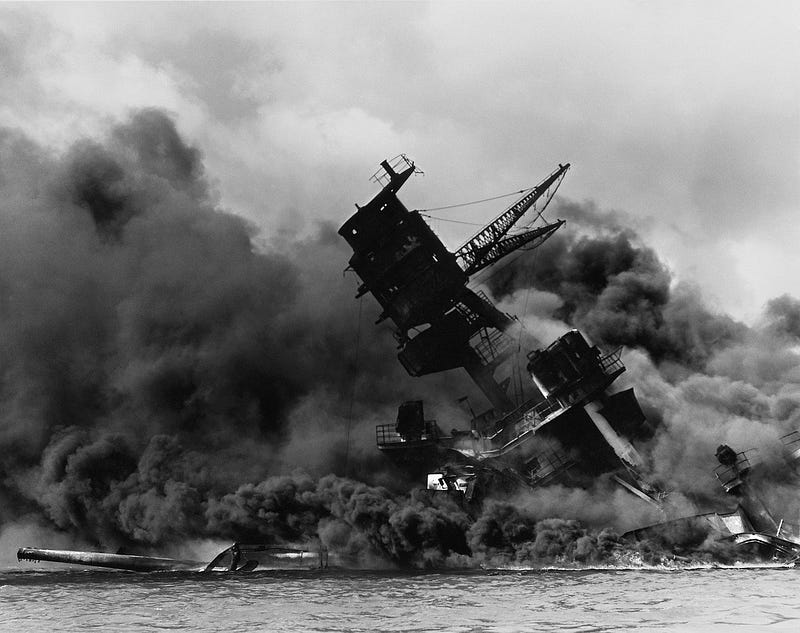
The United States has been attacked three times during the lifetime of some of the Senators sitting in judgment.
Two attacks were external and one was domestic. Although the external attacks took more lives, the internal one is still having major repercussions. The Senate is in a position to make it even worse.
The attacks — Ranked
Although deaths are important, the ranking is based on the immediate and potential impact on the entire country and people not directly involved.
- Pearl Harbor. It showed just how blind the United States was about the rest of the world. It resulted in 2,403 deaths. Even more important, it was the start of many other attacks in the Pacific and pulled the U.S. into a 5-year war.
- Jan 6, 2021 Capitol Riot. It was a direct attack against the Constitution. Had it been successful, the 2nd and 3rd in the Presidential succession would have been killed and who knows what chaos would have ensued when the duly elected President attempted to take office on January 20th.
Civil war between citizen factions or the military?
- Even though only 5 people died, it sets a precedent that inspires future attacks and other crimes unless there are consequences for this one.
3. 9/11 Terrorist Attack. Although it killed the most people, 2,977, it ranks a distant third because the attackers were few and far away. With precautions, it was unlikely to reoccur. Also, it did not directly affect the entire country.
The basis for comparison is the long-term direct impact on the United States. Number of deaths and injuries is not relevant.
The external attacks have already been dealt with, but the internal attack is still underway. The Senate chose not to deal with it.
The Real Issue
The House has done its job in handling the Capitol attack by impeaching the President, claiming he instigated the attack.
The Senate is supposed to decide, as jurors, if he did or not. That is really a side issue. Donald Trump is not very important. The real issue is:
Can a President do anything, commit any crime, in January And not fear impeachment Because the trial didn’t occur until he was out of office?
If a senator votes to acquit solely because the House did not present sufficient evidence to show that the President did not incite the mob to attack the Capitol, then so be it. He just needs to convince his constituents.
If the senator feels the President cannot be impeached because he is no longer in office, then he is granting every future President permission to do whatever they please in January because they cannot be impeached.
There is no statute of limitations built into the Constitution, but a President should not have to live the rest of their life in fear of a partisan impeachment. So, an impeachment should be issued and judged in a timely manner.
The House did not delay in bringing charges and the Senate has granted a speedy trial.
The Senate needs to do its job honestly.
The Senator’s Legacy
The prior impeachment was dumb, but this one is critical. I’m assuming the Democrats will vote for conviction. The Republicans, however, are at a crossroad. Either way, a senator’s legacy is on the line.
Hopefully, they will stop January attacks & other crimes Instead of making them a permanent fixture
Do Republican senators who supported the idea that a President cannot be impeached after leaving office have the courage to vote against acquittal? Or, are they all going to brainlessly follow the party line and perhaps take their party down for a long time.
Feb 14, 2021 update: The Senate voted for acquittal even though McConnell said the House made its case and Trump did incite the mob. He was acquitted on a technicality.
Both Florida senators voted to acquit. I’m waiting for a statement from them to see if they felt he was not guilty or they are letting him go without consequences.
“They Thought They Were Free”, a book by American journalist Milton Mayer, shows how average Germans were fooled and pulled in by the Nazis. That’s because — just as Zweig had described it — “each act, each occasion, is worse than the last, but only a little worse.” The parallels today with Trump are frightening and our senators did the same thing with this vote.


