
One Significant Reason Why Some People Aren’t Getting Vaccinated
Spoiler alert: Poverty is a bigger problem than you realize.
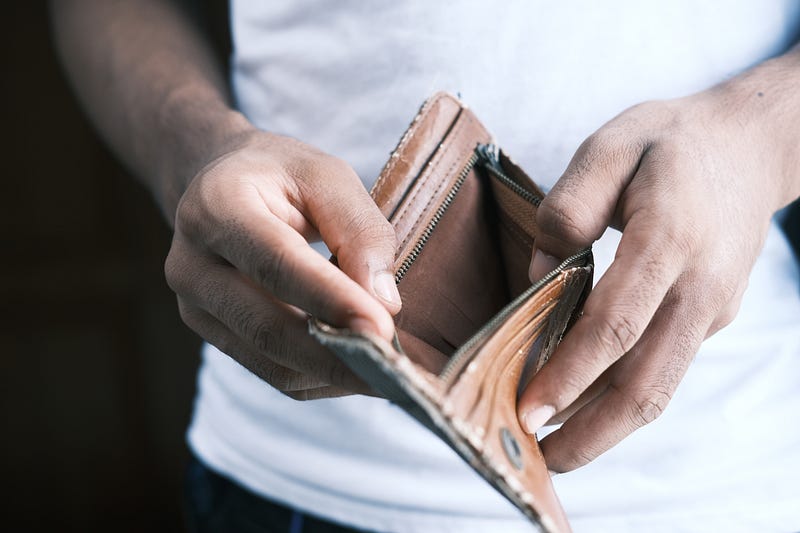
I was lurking in a Facebook conversation recently in which I came across someone who didn’t know that COVID vaccines in the United States were freely available at most CVS and Walgreens pharmacies, many clinics, and numerous other health-related facilities.
I learned this because her reasons for not getting vaccinated were that she couldn’t afford it and didn’t live near a hospital.
This surprised me and others involved in the conversation. Fortunately, as Facebook groups go, this was a pretty non-toxic group. She was gently brought up to speed on vaccine availability and even helped her locate several places she could go within five miles of her home.
But it did make me think about why she didn’t know about all this already. Or how anyone couldn’t know. I thought about it a lot later that day, and then it all kind of clicked.
Now… let me say that this may not have been her reason, but I know why some people don’t know about readily available vaccines.
Because it could just have easily been me 30 years ago. Back when I was dirt poor and struggling simply to eat.
For Reasons of Poverty
There are still a lot of uninsured people out there. According to the US Census, In 2019, 28.9 million people in the United States still did not have health insurance. Of those people, the largest segment was made up of adults between 19 and 34.
That last point felt very familiar as it matches up with the period when I lived without health insurance. Back then, I was one of those who, when we got sick, adopted an “I’ll either get better or I won’t” attitude. Money was tight. I was constantly behind on rent and utilities. Proper food wasn’t really an option.
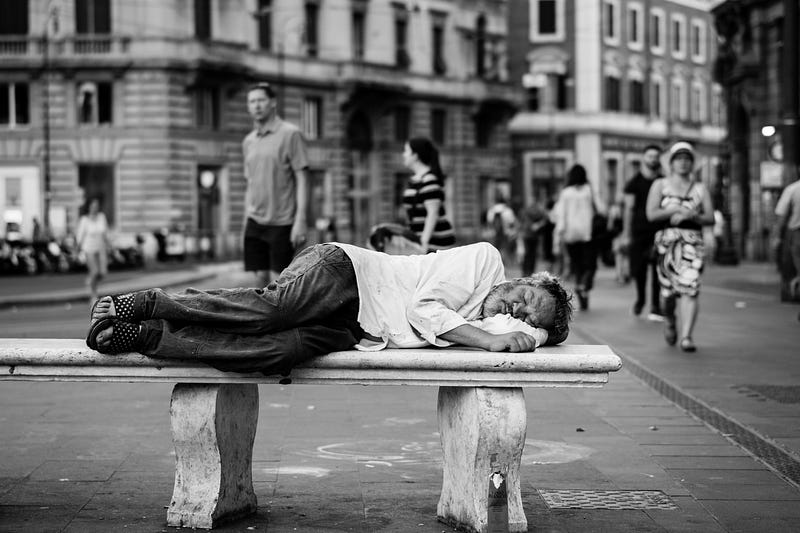
It was a rough time. I eventually climbed out of that and actually do pretty well now. (Starting around the time I went freelance.) I have a mortgage, a car, a family, and a somewhat grounded middle-class lifestyle. Bone-crushing poverty was 30 years ago, but I remember keenly what that was like.
Get this.
Poor people don’t go to doctors. When they don’t go to doctors or even clinics, they don’t get prescriptions. If they don’t have prescriptions, they don’t go into pharmacies.
Even when poor people need over-the-counter medicine for a cold or flu, a lot of that is expensive. If they buy medicine at all, they’re more likely to go to a flea market or other venue that sells expired medications at significant discounts.
If a person hasn’t been inside a CVS or Walgreens for many years, it’s entirely reasonable to believe they don’t know about free vaccinations.
And even if they have learned that the pharmacies are dispensing COVID vaccines for free, there are many places in the United States where there is no pharmacy within walking distance.
Public transportation could be a solution, but, believe it or not, poor people often work full-time. They sometimes work two full-time jobs. They can’t afford to take time off. Not with children to feed.
Finally, in the United States, poverty is most pervasive in “Red States,” that is, the regions under primarily Republican leadership. For whatever reasons, Republicans, in general, have been pretty hostile to masking, vaccination, and other measures needed to keep COVID-19 under control.
Some of it is due to simple tribalism — with Democrats in charge of the federal government, Republicans can’t allow them credit for controlling COVID. Some of their actions are out of pure spite. Some out of ignorance. And some out of racism.
Because of all that, poor people in the Red States tend more to be victims of misinformation. They’re told to be suspicious of the vaccines, that they don’t work, cause side effects like infertility, or include microchip trackers because — well, who knows?
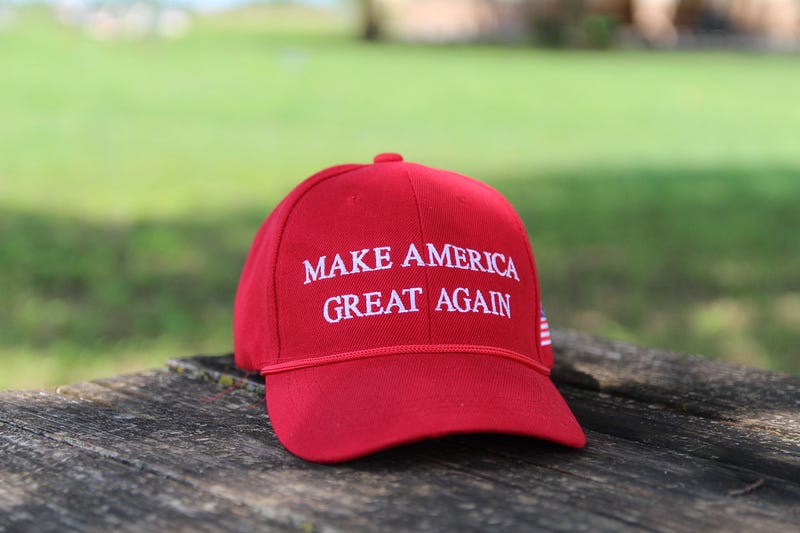
It’s no wonder that the US’s most severe resurgences have been in the Red States. And who suffers the most?
The poor.
While it may be reasonable to suggest that any one of these barriers can be overcome to get a vaccination, getting past multiple variables — all linked to poverty — is entirely different.
Many of the poor should not be counted with the “willfully unvaccinated.” They would get the COVID vaccine if they could and had better access and information.
What To Do?
There is a lot a community can do to bring vaccinations to as many people as possible. The Biden administration’s idea for a door-to-door information campaign is a good one. More televised information would also not go amiss.
As great as local pharmacies and clinics are in providing places to get vaccines, maybe it’s time to push for pop-up vaccination clinics in other areas such as local churches or more schools — sites easier to get to if one doesn’t have reliable transportation. And available during non-work hours.
The delta variant of COVID is serious business. We need to get more serious about fighting it.
The Challenge
As an American, I can state pretty safely that we can sometimes be a foolish people. Much of the American myth is built on self-reliance and self-determination. We don’t like other people telling us what to do — especially if it’s the government. And it doesn’t matter if it’s for public safety or not.
We can be awful selfish.
And if we learned anything from the previous administration, many people in this country don’t care how much they suffer so long as they can make someone else suffer worse. Dying by the thousands? I guess that’s one way to “own the libs.”
Why It’s Still Worth Trying
But everyone is worth saving.
Let me be clear. I am never going to be one of those who just say, “Let them die,” or “No one lives forever.” That’s monstrous.
We are all in this together — whether you or they like it or not.
I have a young child. I want there to still be a world for him to grow up in.
I want to be there as he grows up. I want his mother and grandmother to be there.
Vaccination is easy and safe. Sure, you may feel a little off for a day after receiving a shot, but it’s a hell of a lot better than getting hooked up to a respirator.
Masks and social distancing are surprisingly effective in slowing the spread. Remember that the flu was around 5% of what it had been in previous years. And deaths from flu were also way down.
I’m hoping that wearing a mask while sick becomes standard all around the world.
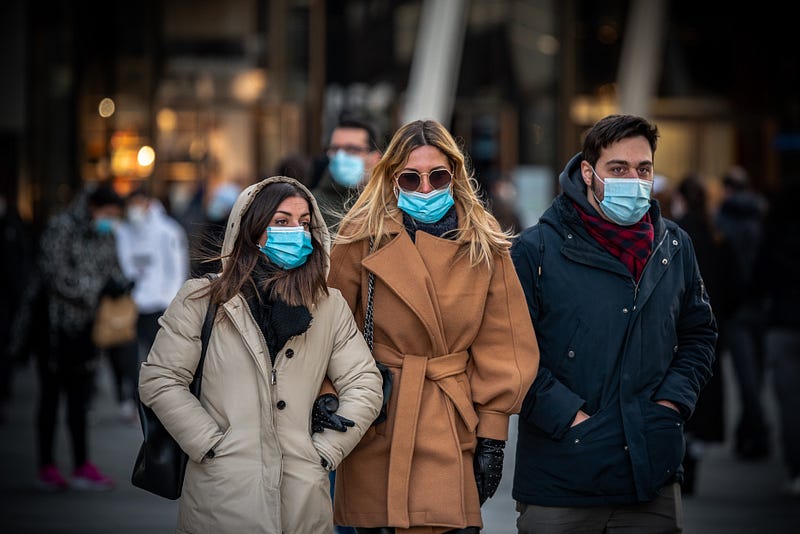
But for now, I’ll be happy if people take COVID seriously and that we remember that not everyone has equal levels of opportunity to receive vaccines. It’s on us to make it easier for as many people as possible to get vaccinated.
Or, at the barest minimum, stop making it so difficult.
It bears repeating: We’re all in this together.
About John Teehan
John lives in Rhode Island with his wife, son, and dog. He specializes in tech, health, business, parenting, pop culture, and gaming. Visit wordsbyjohn.net for more info and rates. Twitter: @WordsByJohn2