
8 Powerful Ways To Improve Your Written Content
Power up your style and build a larger audience.

Who doesn’t want to be a better writer?
I know I do. Every day I try to be a little bit better than the day before.
Fortunately, I’ve had some practice over the years, and I’ve picked up a number of tips to share.
This is what I’m hoping you do…
Jot down the section headers onto a Post-It note and stick it near your computer. As you approach each new piece of content, review the list. When you’re finished, go through it like a checklist to see if anything could be applied to strengthen your writing.
Eventually, this will become second nature.
And perhaps you’ll create some of your own tips while on your journey.
In the meantime, let’s look at some ways to boost your writing.
1. Begin with a rough outline.
I don’t always call it an outline. I sometimes refer to it as a laundry list. Essentially, it’s just a list of the topics I want to cover — usually in the order of importance, although that can change during the process.
My title is the subject. Everything else on the list is the breakdown starting with the word “intro” and ending with “conclusion.”
Following a rough outline or list keeps you on point and less likely to stray off-topic.
2. Ask yourself what the takeaway will be.
For instance, I want the reader to walk away from this piece with some good strategies for writing a more substantial blog post, ad copy, article, or whatever. This could even apply to a love letter, really.

When you’re working on your piece, ask yourself the “Why” of it.
What value does the reader gain?
3. Start with a strong intro.
I’m not saying you have to start with an explosion or a murder scene. But a strong opening that promises some kind of value will keep the reader moving forward — at least to the next paragraph.
If you can hook your reader in the first paragraph, you improve your chances that they will read most or all of the piece — which is your goal.
4. Make your advice immediately actionable.
Your piece alone should be enough of a starting point for the reader to take action immediately — or almost immediately. For instance, when you finish reading this, I hope you can next look at a piece of your own writing and see what suggestions you could apply to make your work stronger.
Sure, you can use this as a checklist for future pieces, as I suggested in the introduction, but even better if you can use this article right now.
The same should apply to your own writing.
The next article or blog post you write should contain information the reader can use right away.
5. Place value over everything else.
Here’s the dirty little secret about SEO writing these days… it doesn’t matter as much as you think.
Google is changing the way it ranks websites, and a lot of the old conventional wisdom regarding keywords no longer applies with the same strength it did.
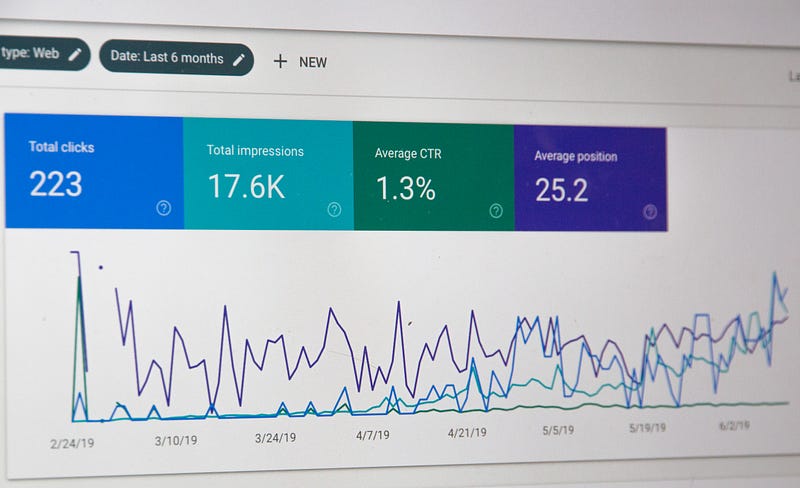
What matters more is the value of the information in your piece. The AI bots over at Google have gotten very good at sniffing out work more driven by SEO than by value.
Focus more on the value if you want to see your piece perform well online. Strong headers that match with the information they promise are a good start.
6. Be a ruthless editor.
Earlier drafts of this piece initially listed twelve tips for more powerful writing. I deleted four because they were re-hashes of advice I had already given. I liked the idea of having an even dozen number of tips, but bringing it down to eight made it more robust.
Editing is more than checking spelling and grammar. It’s looking at how it’s structured and how it flows. It’s also knowing when parts should be cut and then doing so.
Don’t worry. There are plenty of more words to write later.
7. Think about your writing as a conversation.
People respond better when they feel what they’re reading is more along the lines of a conversation than a lecture. Now, this doesn’t necessarily apply to every type of writing. A heavy-duty chemistry book, for instance, would get a bit tedious if written in a conversational style. A 700-word blog post, however, is often a more casual read. It’s meant to transmit information, but you don’t lose as many points using a more informal, conversational style.
If anything, it does a better job engaging the reader.
Who do you envision when you think of your audience? How do you think they would respond to your work? How do you want them to?
8. Listen to your work.
Whether it’s you reading your work aloud to yourself or a friend reading it aloud to you, listening to your words can give you an alternative impression of how your work comes across and if it communicates as effectively as you’d wish.
It’s old advice, but it still has value.

That said, might I suggest that if a piece reads well, you could consider it the start of a possible podcast piece?
Good writing should be able to pull double duty.
Powered up writing
Strong writing doesn’t take an MFA or other fancy degree.
It takes practice and a willingness to experiment a bit. There is no single way to strengthen writing but many different ways to power up your personal style.
These suggestions, all or some, should give you some excellent ways to optimize your style of writing and build a larger audience.
Keep at it.
About John Teehan
John lives in Rhode Island with his wife, son, and dog. He specializes in tech, health, business, parenting, pop culture, and gaming. Visit wordsbyjohn.net for more info and rates. Twitter: @WordsByJohn2