
One Of The World’s Oldest Existing Vocal Music Genres Continues To Influence Millions To This Day. Here’s Why.
A History Of The Ancient Japanese Chant Music, Shōmyō
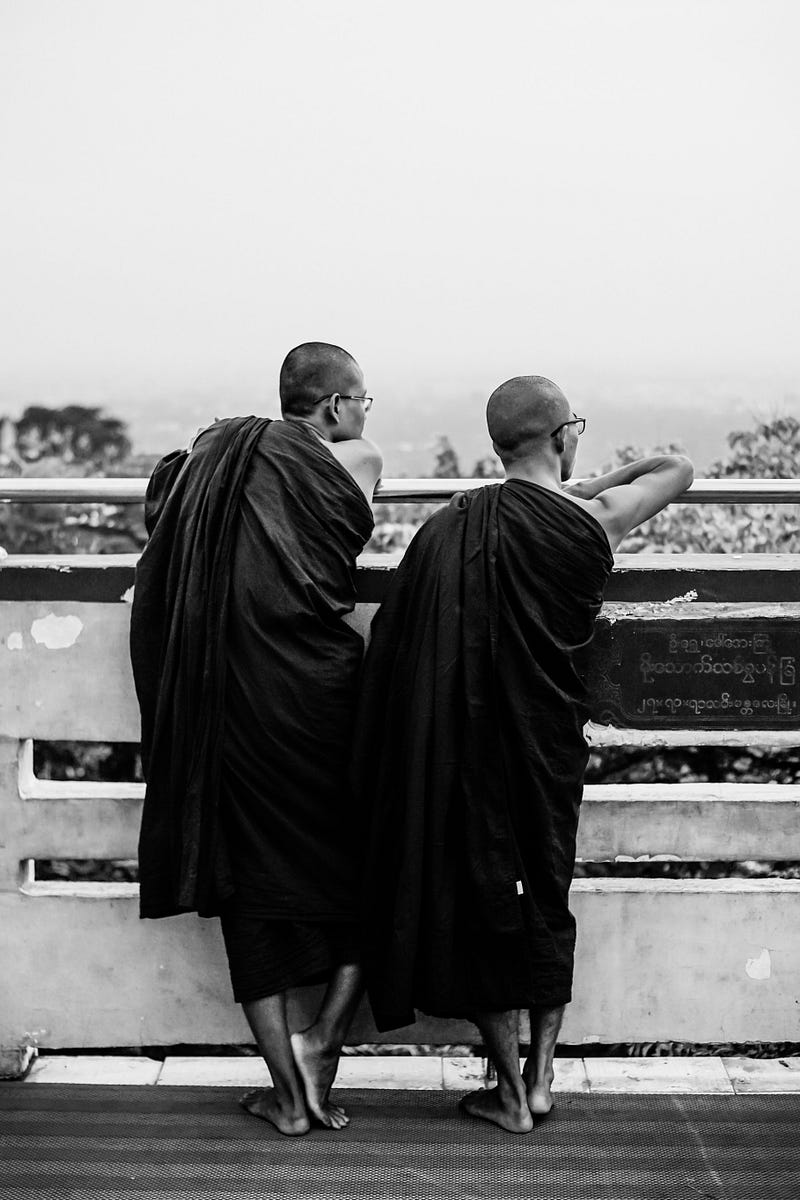
Welcome to the world of the 1,000 year-old genre, shōmyō!
First, you might wonder, what exactly is shōmyō? Well, in the simplest of terms, it is a kind of chant performed by Japanese Buddhist monks.
They’ve practiced this chant for very specific different religious reasons. In the below piece I’m going to share what those exact reasons were, as well as other fascinating facts about the genre. Here’s a quick summary of the piece below:
- Where the chant music began.
- How it got from where it started, to Japan (sneak peak: it includes a road)
- Why it was carried on from generation to generation
- Where you could hear the music live today
Don’t let me stop you, dive right into the rich history of one of the world’ most fascinating sounds!
Birth of Buddhism in Japan
Buddhism entered Japan thanks to the sharing of knowledge and wisdom from Indian monks. In the 7th century Indian Buddhist in the Vajrayana tradition traveled east into China under the Tang dynasty with a purpose. Indian monks were already trading and communicating with Chinese merchants on the silk route, and over the periods hundreds of years, Buddhism started to spread throughout China. From Sanskrit manuscripts being translating to Mandarin to buddhist temples being built in cities like Luoyang, Buddhism made a significant impact on Chinese culture. Some of the main Buddhist at this time who passed on the most influential information and transcribed important text included Paramartha and Xuanzang.
Over time, Chinese people adopted the practices and theology of Buddhism. During the Tang dynasty Buddhism had gained government support for the construction, spread, and preservation of Buddhist art and temples. Even though many Chinese people saw Buddhism as a foreign culture infiltrating their Confucius and Taoist beliefs others seen it more as a complement to their way of life. Buddhism required a lot of concentration, dedication, and ritual-based practices that ensured a peaceful lifestyle and freedom from suffering in the afterlife. Included in these strict rituals were throat-based Vajrayana chants. Buddhism, its history, and profound knowledge began spreading further throughout Korea, China, and Japan over the centuries thanks to the cross section of culture between the close nations. Each nation incorporated its practices into their own cultures. For Japan, that included fusing the esoteric worldview of Buddhism with the nature-focused beliefs of Shintoism.
By the 6th century there were a considerable amount of Japanese Buddhist monks in Japan. While some tribes in Japan actively sought to discourage the growth of Buddhism in Japan Emperor Kotoku put government dollars towards the travel and education of Japanese Buddhist monks in China. When these monks returned they continued their Buddhist academic scholarship and helped spread the faith in Japan. In the Heian period of classical Japan Emperor Kammu exerted unprecedented political power over his domain and used some of his influence to fund the educational and travel of two Japanese monks, Kūkai and Saichō. When those two consequential monks returned they created the tendai and Shingon Buddhist schools. These school are, to this day, still the most popular schools in the nation and have both carried the tradition of shōmyō through a millenia.
The Tendai and Shingon Schools
For over one thousand years shōmyō was used by Japanese monks to enhance their meditative state. Through the two schools of Tendai and Shingon shōmyō was remarkably kept alive.
The Tendai school was founded by Saicho and his learnings in China, specifically their Tiantai Buddhist practices. This school of Buddhism follows the Lotus Sutra (a specific Indian-based scripture believed to be the authentic word of Buddha) and is a part of the larger umbrella of esoteric Buddhist schools (entry based on initiation rituals).
The Shingon school was established by Kukai after his travels to China around the same period in the 8th century. Whereas Tendai Buddhists focus their teachings on the Lotus Sutra, Shingon Buddhists emphasize a far wide display of texts and practices including, the Susiddhikāra-sūtra, and Pure Land traditions. Like Tendai, however, Shingon is a part of the esoteric school and initiates members through very exclusive, secret, deity-based practices.
How It Sounds
If you are looking for music to meditate to you have found your sanctuary. Shomyo creates the ultimate background and setting for the senses to connect with your breathing. It is stilling music that hums with the vibrations of a swarm of buzzing bees. For those who are obdurate in their music taste, shōmyō will surely come as a shock. It’s unconventional to western ears due to its seamless lack of structure and dynamic melody. Don’t try to make sense of the sound, don’t try to time its end, just let it consume you.
Shomyo chants calm the mind and dulls the five senses. The music goes on in one sustained note, putting you in a trance or lower stress state. I found the music incredibly useful when I’m in my most high-pressured work-oriented state. When these moments arrive, turn the music on and tune out the world. All of the noise and clutter from the outside world suddenly feels removed when you put on shōmyō.
Modern Shōmyō
There are many elements of Japanese culture that are as old as time. From Japanese lacquerware to Shintoism, modern Japan lives in the present without sacrificing its ties to the past. With shōmyō, the Japanese are the same way. In fact, they outwardly celebrate it. For instance, some of the most well-kept monasteries and mausoleums still practice shōmyō and welcome hordes of visitors every year.
For Tendai Buddhist history, visitors are encouraged to visit Enryaku-Ji, the sects headquarters. If you’re lucky, you could witness Monks performing shōmyō during a memorial service at the temple. Due to its rich history and cultural significance Enryanku-Ji has been added as a UNESCO Historical Heritage Site.
If you’re interested in an even largest center of Buddhist practices, then explore the small town of Mount Koya in the southern part of Osaka. The area is known as the headquarters of the Shingon sect of Buddhism and includes attractions like Kukai’s Masoleum, lodging on the premises, and even pilgrimage trails. There have also been shōmyō performances done at Mount Koya.
Academia is clearly on top of trending topics and discoveries in Japanese culture, including shōmyō. Just 6 years ago, in 2017, Standford’s Ho Center For Buddhist Studies hosted a special shōmyō performance in celebration of the Center’s 20 years of existence.
A few years before then UC Berkeley hosted the internationally renowned musician, Makiko Sakurai, to perform ancient shōmyō for their community.
There are several music groups who are dedicated to spreading knowledge and appreciation about shōmyō. One of those notable groups is JSK. The acronym stands for “Jodo Shomyo Kenyan no Kai” and consists of Buddhist monks who travel throughout Japan playing shōmyō to new crowds. Sometimes, they even combine shōmyō with other ancient Japanese genres like Gagaku.
The heavily acclaimed group, Shomyo no Kai — Voices of a Thousand Years, have taken the world by storm due to their multidimensional approach to educating audiences about shomyo. Not only do they perform the chants to international audiences, but they also conduct workshops to help people meditate using the proper chants and breathing techniques.
There are well over 500 million Buddhist in the world. For well over a millennium shōmyō was used to reach nirvana, either for this life or the next. In either practice, the common ground included understanding the Buddha and his teachings. Therefore, shōmyō’s long-lasting existence proves just how important that journey has been for the millions of Buddhist through time and space who continue to seek transcendence in our world.
Writer Recommendation Corner: I’m really digging these writers, and I’m hoping, one day, you will too: Kenny Minker J.C. King