
One Ascriptive Name Can Motivate Folks To Change Their Lives
Names others give us matter

My parents had differences in one area of child-rearing. Dad did not care about our friendships. He felt that as teenagers we were old enough to make wise choices and he treated all of our friends with grace and charm.
My mother was very mindful of appearances and warned constantly about the need to keep the right sort of friends.
She quoted an old English proverb: “Give a dog a bad name and hang him.”
Small town censorship
In small communities, a bad name was the slow strangulation of dreams and respectability. There was no escape for a girl. If she were still at school, the teachers would punish her for minor infractions. They paid less attention to her work because they thought they knew where she’ll end up.
The job market was equally perilous. If they get hired, they’ll probably have to undertake unrelated job activities or try freelancing with the men with money and time on their hands. These girls usually lived a dog’s life — sorry dogs, some of you have a great time!
Fortunately, they were few but we all knew them. When you have a bad name, you lose your anonymity. They did not deserve their reputation or their unenviable brand of whoredom on their forehead. The men may join the taunts during the day but seek their warmth when it is dark.
Gradually, I came to understand my mother’s fears but took comfort in my father’s trust. He was right. I chose my areas of rebellion strategically and kept within the boundaries that reassured my mother.
I guess society has always used derision and ostracism to keep its foolhardy young in check. Even so, there is a lot in a name. It not only identifies us but it can define us.
These girls ruined a large part of their lives not because they were evil — but they were indiscreet. Someone telling them they could do better would have been a lifeline, to lift them out of shame.
Guidance through a Father’s name
When my mother felt that my father was too lenient or lax with us, she came up with her trump card:
“Carl, these children will bring disgrace to your name.”
That mantra propelled Dad into action against my brothers. Honestly, they were always the culprits. My sisters and I might have veered a little off course but we never rocked the boat, so escaped Carl’s intervention.
His name mattered. It connoted integrity, hard work, loyalty, and faith. So, as children, our surname was like a placard of good rules hung around our necks. We still failed sometimes but we knew where the bar of parental approval was.
Names usually have a meaning
Re-naming has always been part of the human experience. In the book of Ruth 1:20, we find an example of Naomi a widow, trying to ensure her name reflected status.
God had affirmed some people by changing their names e.g Abram, was a childless man who became the father of many nations. (Genesis17:5). Jacob put aside his deception and became Israel, through whom a country will be named and established. (Genesis 35:9).
Jesus renamed his followers
In John1:42, Jesus called Simon, Cephas, or Peter when they were introduced. James and John, he renamed the “Sons of Thunder”.(Mark 3:17). So his labeling of his disciples signified who they really were.
Jesus had followers who were violent, thieving, covetous, arrogant, and self-centered. My mother would have had a fit if we hung out with them.
Jesus was still able to say: “You are the salt of the earth.”
He saw their potential. He knew the power of affirmation. Despite their imperfections, he knew they would become champions of the faith.
We can make a difference
I am grateful that we are slowly escaping the judgment of small communities where teenage mistakes linger. Yet, we often confuse correction with name-calling. When one’s self-esteem is low one can easily accept the identity of a given name.
Being called “good for nothing”, “no good”, “ a thief”, or “whore” does nothing for their self-respect or creates the mood to implement positive changes. Teenagers and stigmatized people often shrug in defeat. Ridicule or humiliation rarely, if ever, produce the growth and maturity our misguided attempts long to see.
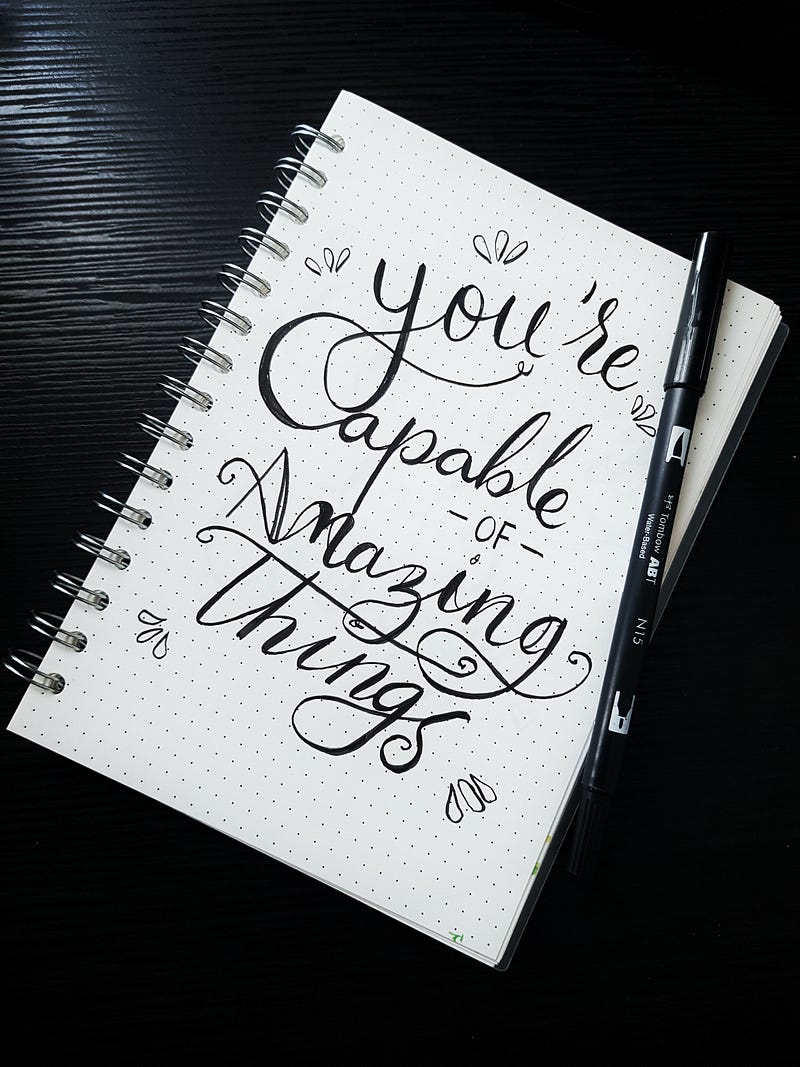
Rather, let’s learn a lesson from what Jesus said nearly 2000 years ago and affirm those whose conduct gives them stigmatizing names. Offer them an alternative view of themselves. At least, they’ll be encouraged that you still have faith in them. At the same time, we can show more grace to online personalities. Canceling is not always the best option, neither is ridicule.
We cannot tell them that they are the “salt of the earth”. We might lose credibility when it is clearly untrue. Instead, we can capitalize on any attribute of theirs to figurately rename and inspire them.
Having a new name will open the door to unexpected possibilities. Both you and they will be changed. Our communities will be richer, too.
You might care to read this story