
Nonbelievers Don’t Choose to Reject God
For some reason, lots of Christians have trouble understanding it
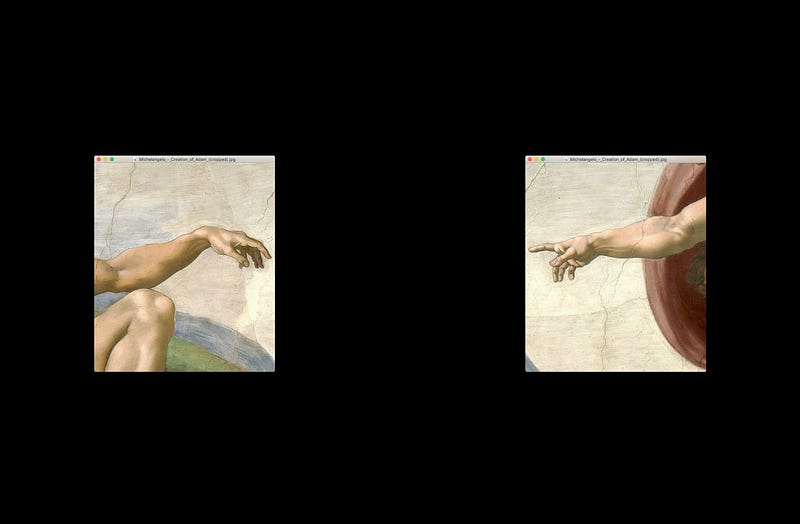
Today I received yet another “caring” and “compassionate” comment from a concerned Christian. This guy says his “life assignment is to teach God’s every Word and train leaders for godly influence..”
Since he will likely send similar comments to other non-Christians (after all, it’s his life assignment), I think it is worth writing an article discussing why devout Christians like him should NOT go around telling nonbelievers that they are rebelling against God.
You’ve made a choice to rebel against Him and your end will be like those you feel sorry whom God destroyed. — Hirwa G. Israel, Nov. 26, 2022
Let me say it out loud.
You can’t rebel against someone whom you don’t think exists.
I don’t believe in Zeus, so I don’t care what Zeus’ believers have to say about Zeus. I don’t follow his commandments or moral mandates if he issues them. Does that mean I actively rebel against Zeus?
No.
Do Christians feel that by virtue of believing the Christain God as the only God, they are rebelling against all other gods and goddesses?
No.
If God wants me to believe and trust in Him, the least He can do is show himself to me in ways that I can understand, so I am compelled to accept His existence.
Then, and only by then, can I start thinking about following Him or rejecting Him.
It’s common sense.
Yes, I once believed God existed, but that was when my mind was still immature. As I grew older and learned more things, I naturally adjusted my understanding of this world, including religion. I am no longer convinced that the God of the Bible exists. The Bible was written by people, churches were built by people, and creeds were established by people. It’s all people. God is nowhere to be seen; His impact is nowhere to be found.
Christians can talk about His omnipotence and omniscience all day long, and write huge volumes discussing His attributes, but at the end of the day, no study has confirmed intercessory prayer makes any difference.
The prayer study sponsored by Templeton Foundation even found a small negative (but statistically insignificant) effect for patients who were informed that some people were praying for them.
The study observed 1,800 patients who went into heart surgery. They were divided into three groups. The first group was informed that there may or may not be people praying for them, and some Christians were asked to pray for them daily for 14 days. The second group was also told the same thing as the first group, but the researchers assigned no one to pray for them. The third group was informed that people would be praying for their surgery and recovery, and Christians were assigned to pray for them.

The result was that 51% of the first group and 52% of the second group suffered complications after the surgery. In the third group, the complication rate was 59%.
Apparently, if you hate someone and wish they don’t get better from an illness they are suffering, you can tell them you are praying for them.
Now, tell me how I am supposed to believe that Christian God exists if there is no sign of His influence in this world?
Christians, if you want to accuse non-believers of rebelling against God, at least prove to them that God exists. Otherwise, you are just displaying your ignorance and possibly malice.
Further reading
If you are not a Medium member yet, please consider signing up using my referral link. I will get a small commission at no extra cost to you.


