
Non-human suffering — do animals suffer and how?
Fear, depression, anguish — not only humans struggle with these feelings. Animals also get depressed.

Answering this question is highly problematic. There is still no clear scientific evidence that animals feel emotions in exactly the same way as humans (although there is a group of researchers who support this thesis). What we do know is that the way our brains and theirs work at the biochemical level is very similar. Animals, unlike humans, cannot express their emotions in words, but this does not mean that fear, suffering or depression are alien to them. Observation of their behavior provides clues not only about the physical condition, but also mental. The fact that our pet has lost interest in a favorite toy or treat can be the result of a serious illness or, for example, a struggle with mood swings. Worse days are not only a human affliction. Many of the mood disorders described in the literature also affect our relatives — primates. Trained and experienced observers can accurately read an animal’s mood because of its human-like facial expressions or emotional behavior.
They think and they feel
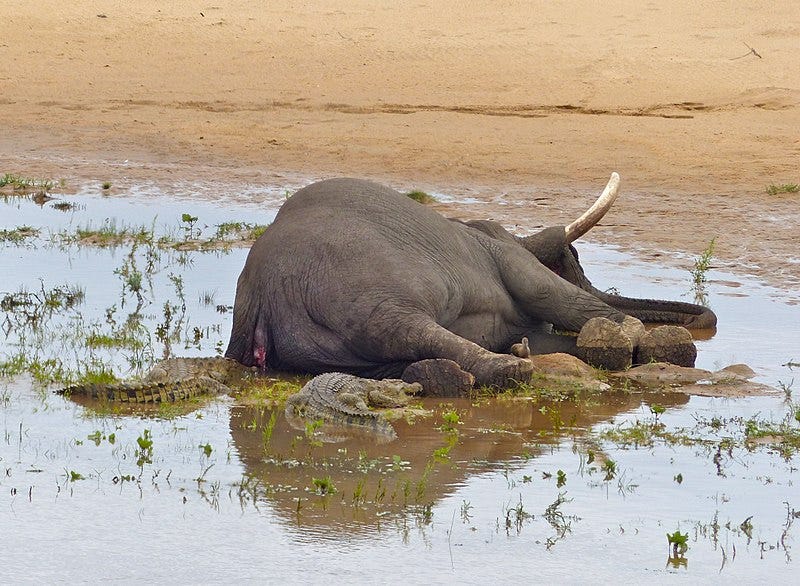
For many centuries we mistakenly believed that animals do not feel any emotions (in the sixteenth century Descartes considered them “living machines” incapable of feeling). In the nineteenth century, Charles Darwin took the side of animals by suggesting that their emotional experiences were similar to those of humans, and scientific advances and daily observations of our pets have reinforced this belief. Still, there are exceptions and people who treat animals according to Descartes’ idea. We already know that elephants suffer after losing a pack member, rats feel empathy, and crabs remember pain. Fruit flies cooperate with each other, chimpanzees help each other, dogs feel true affection and love, and dolphins recognize their face in a mirror. It has also been shown that when cattle, horses or goats learn new skills, their heart rates accelerate strongly due to their emotional involvement. The turning point that sums up our knowledge so far was the signing of the “Cambridge Declaration on the subject of the study of the heart of cattle and goats” on July 7, 2012. “The Cambridge Declaration on Consciousness” by leading researchers in cognitive neuroscience, neurophysiology, neuroanatomy and neuropharmacology. They recognized that mammals, birds, and other creatures such as octopuses possess consciousness, behave intentionally, and suffer, so depriving them of life without first depriving them of consciousness is a particular cruelty.
Symptoms
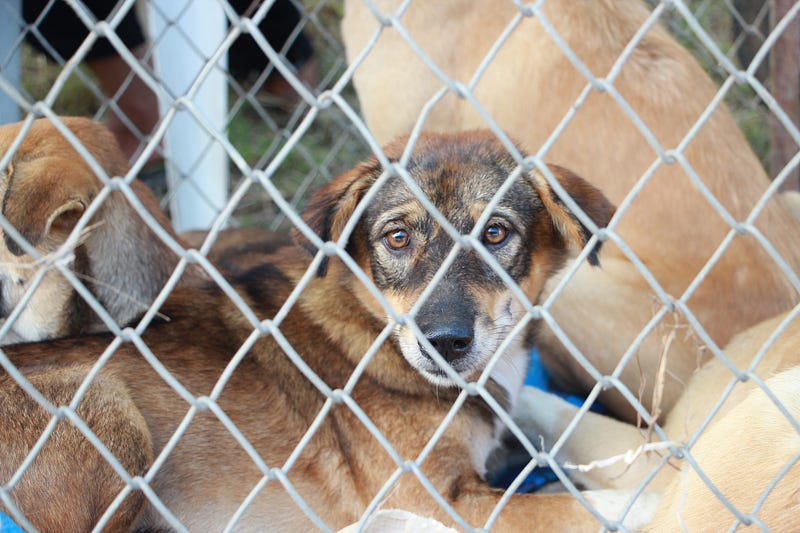
Diagnosis of depression can be problematic because of its subjectivity. In humans, its main symptoms include feelings of guilt, suicidal thoughts, and a pessimistic view of the future. Animals cannot confide in you about their worries, so to assess the risk of depression, it is important to determine whether there are behavioral, physiological, or cognitive changes. An example is the so-called anhedonia (from Greek: an- — “without”, hedone — “pleasure”), which is a limited or complete lack of feeling of pleasure and joy. In animals, this manifests itself, for example, in a loss of interest in favorite treats and toys (e.g., pigs ignore sweet food), reduced activity (e.g., slumped posture in primates), reduced social interaction with other animals, or disrupted circadian rhythms of sleep and wakefulness.
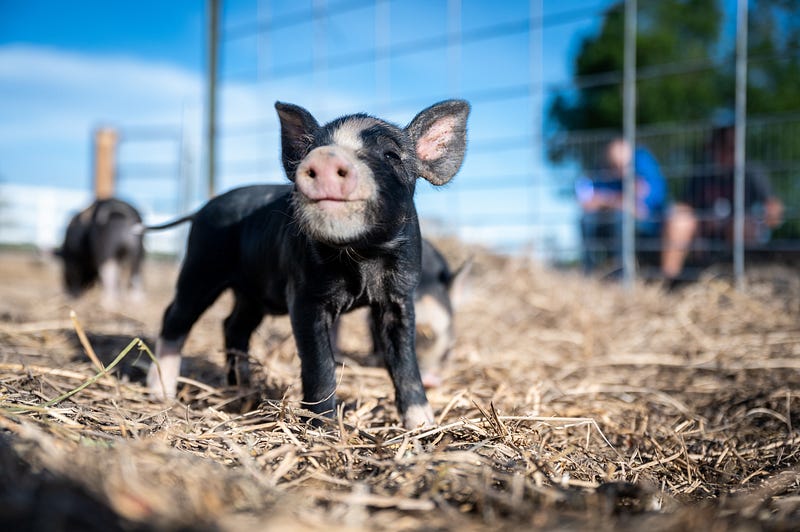
It also assesses how an animal’s behavior is affected by stressful situations. Experiments conducted on laboratory rats subjected to constant stress (a popular model used to study depression in humans) have shown the appearance of symptoms such as anhedonia, cognitive deficits and weight loss. Symptoms of depression have also been reported in pigs kept in intensive breeding regimes, in which it is difficult to talk about animal welfare. However, we still do not have a list of criteria that must be met to diagnose depression in animals with certainty. Therefore, the main objective of current analyses will be to evaluate and classify all its measurable parameters in different species living in different environments. Recognizing the co-occurrence of depressive symptoms can be used not only for better diagnosis, but also to develop more reliable research models that will allow us to learn more about mental disorders affecting humans. Above all, the results may contribute to redefining many ethical aspects of keeping animals in captivity. Thanks to them we can learn what changes should be introduced to take even better care of their well-being, including the psychological one.
To the rescue
Is there any hope for emotionally distressed animals? Drug treatment is used as a last resort, when other forms of therapy fail. Not only veterinarians, but also zoopsychologists and behaviourists can help animals. In their work they deal with so called behavior therapy. This is preceded by a thorough interview with the owner to identify the main problems faced by the animal. Then the therapist, on the basis of careful observation of the animal, makes a diagnosis about the basis of its behavior and shows the owners specific methods how they can help the pet and improve mutual relations. Zoopsychologists also evaluate the personality and psychological state of quadrupeds, which helps in deciding on the adoption of a specific animal suited to the personality or lifestyle of the potential owner. Several Polish universities now offer postgraduate studies in zoopsychology. Most behaviorists’ patients are dogs. For each of them, an individual psychological profile is created based on the so-called ethogram — a set of behaviors characteristic for a given species in all aspects of life, including play, rest, and social contacts. Any deviation from the ethogram is considered a disorder and should be corrected accordingly. To become a behaviorist, a person must complete a specialized course.
Tragic consequences
The worst possible outcome of emotional disturbance in animals is suicide. An example is the story of Peter the dolphin, who became the subject of research conducted by NASA in the 1960s. Their goal was to improve communication between humans and this species (there were even attempts to teach them English). Peter’s caretaker lived in the laboratory to spend as much time as possible with her protégé. As a result, an incredible bond was formed between them. The end of the research, however, turned out to be tragic. When funding for the project was halted, the animals were moved to another facility and lost contact with their caretakers. After a few weeks of separation it turned out that Peter was dead. The animal committed suicide out of longing. How is this possible? Well, dolphins, as opposed to humans, do not breathe “automatically”. They decide on each breath they take and by consciously holding it they condemn themselves to death by suffocation.
Science historian Laurel Braitman describes a similar story in her book Animal Madness. Her dog named Oliver suffered from a severely advanced mood and behavior disorder. He hunted fictional insects that only he could see, suffered from severe separation anxiety, showed a propensity for aggression, and, according to his owner, even attempted suicide. Left alone in the house, he climbed onto the windowsill and jumped out of a third floor window. The owner had no doubt that her pet was struggling with depression and that this suicide attempt was a result of it.
Research Models
Depression and anxiety disorders are affecting more and more people. According to statistics, about 16 million Americans experienced a depressive episode in 2015. In Poland, 1.5 million people may suffer from this disease. The scale of the problem is alarming — according to experts from the World Health Organization (WHO), in a few years it will be the most common disease in the world. For many years, mental health was a taboo subject, therefore nowadays education concerning its significant role plays a key role. Currently, we are also facing increasing problems of this type of disorders among young people, which was caused, among others, by the COVID-19 pandemic. For many years, animals suffering from depression, ADHD and other behavioral problems have been used to develop drugs that will ultimately serve humans. The same neurochemicals and neurotransmitters as in humans are responsible for their emotions. Rodents and primates have become the most important models for research on anxiety and depression.
Most experiments are aimed at verifying the clinical efficacy of new psychopharmacological agents. The first studies (1960s) were among the highly controversial ones, because depression was induced by physically stressing the animals. However, these models were not perfect, because in humans such stimuli do not predispose to the disease at all. One model is called chronic mild stress (CMS). Animals, mainly rats, are exposed to mild stress stimuli for weeks, which results in the appearance of a number of symptoms associated with depression. Currently, skewing the cage, wet bedding, and placing an unfamiliar individual nearby are sufficient to induce depression. A genetic model is the Wistar Kyoto rat strain (WKY), which is characterized by high sensitivity to stress and exhibits many depressive behaviors, including anhedonia. There are also pharmacological models; injections of agents such as dexamethasone or corticosterone are then used to induce depression. To test the usefulness of the drug, animals are subjected to behavioral tests that test their resistance to stress. These include the forced swim test — the animal is placed in a cylindrical container of water and the time it remains motionless is measured. The immobility is equivalent to the sense of hopelessness found in humans, and its length indicates the severity of the disease. The immobility phenomenon is reversed by antidepressant medication.
Behind bars
The majority of reports of mood disorders involve animals kept in captivity. Most often, the conditions in which they are kept are significantly different from those in their natural environment. This fact negatively affects the behavior and psyche of animals, which is confirmed by observations from zoos. It happens that the specimens living in them suffer from ailments that have never been documented in nature, and on the other hand resemble those occurring in humans. There have been cases of depressed snow leopards, zebras with phobias, and brown bears with obsessive-compulsive disorders.
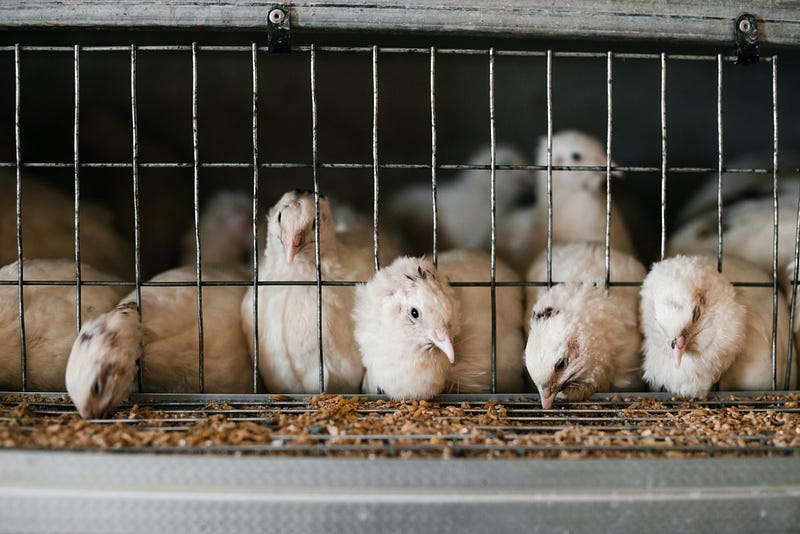
Such mental problems of animals caused by captivity, loneliness or lack of environmental enrichment and stimuli are called zoochosis. Individuals suffering from them often develop so-called stereotypies, i.e. constantly repeated aimless ritual movements. They mainly concern animals kept in places such as zoos, fur farms, or industrial farms. Examples of stereotypies include pacing back and forth on a particular track, swinging one’s head, and swaying in a single rhythm. One polar bear at the New York Zoo spent his days in the pool, swimming in figure-eights. Apathy and lack of appetite drove his body to the brink of exhaustion. Fortunately, the animal was saved — drug treatment was administered and the enclosure was enriched with makeshift toys. Due to the latest scientific findings and growing public awareness, zoos are paying special attention to the welfare of their guests. The zoos are staffed by highly qualified specialists, not only doctors but also zoopsychologists. Circuses and animals used as tourist attractions by private owners remain in the grey area. In this case, education or concern for the future of the species is not important. All that matters is profit. Such animals cannot count on any help. Most often they wait for the end of their days in suffering.
However, there is currently no data comparing the emotional behavior of animals living in the wild and in captivity. According to Harvard psychologist Irene Pepperberg (known for her observations of the Alex parrot), animals in the wild simply cannot afford to be depressed. Struggling with the hardships of everyday life — fighting to survive, avoiding predators and finding food — take up all their attention. A moment of weakness or a bad day could cost them their lives.
On the verge of insanity
Just as in humans, among animals there are individuals with increased emotional sensitivity. They are particularly susceptible not only to the onset of depression, but also to a range of other psychological problems such as hallucinations, separation anxiety, phobias, and obsessive-compulsive disorder. Separation anxiety occurs when the pet destroys household objects in the absence of the owner, which may be accompanied by symptoms related to autonomic system stimulation, including increased heart rate, yawning, drooling, vomiting, and urination. Psychogenic dermatoses (skin lesions) somewhat resemble stereotypes because affected dogs excessively and notoriously lick a specific body part, e.g. a limb, leading to wounds that are difficult to heal. The disease can be caused by any situation that causes the animal severe stress. Many dogs also suffer from phobias — mainly sound phobias related to thunderstorms or fireworks. In order to prevent them, alprazolam is administered, a drug used in humans in the course of anxiety and anxiety-depressive syndromes. Phobias are also part of the so-called social deprivation syndrome (SDS). Affected animals react with fear and panic to selected environmental stimuli (e.g. walks). With time, they develop typical symptoms of depression, including lack of appetite, insomnia, apathy, depression, and constant sitting in the lair or even taking care of physiological needs there. This condition, if prolonged and untreated, is directly life-threatening.
The thriving market for pet antidepressants is estimated to be worth $10 billion. Although owners believe that their pets do in fact suffer from depression, scientists are more reticent, refusing to use the term. They replace it with the term “depression-like disorder”. There are still no conclusive results of large-scale studies that would support the thesis that depression in animals corresponds in its etiology and course to its human counterpart. It seems, however, that the best and at the same time most effective medicines for animals suffering from mental disorders are love and understanding. If we know the cause of their emotional suffering, we can discover what will make them feel better.
Cool that you made it to the end of this article. I will be very pleased if you appreciate the effort of creating it and leave some claps here, or maybe even start following me. Thank you!


_in_Letaba_riverbed_(11930208004).jpg)