
Mysterious brain disease in Canada — No one knows what causes “neurological syndrome of unknown origin”
Patients with a mysterious disease that attacks the brain are on the rise in Canada. Its symptoms resemble galloping alzheimer’s. Young people are also getting it.
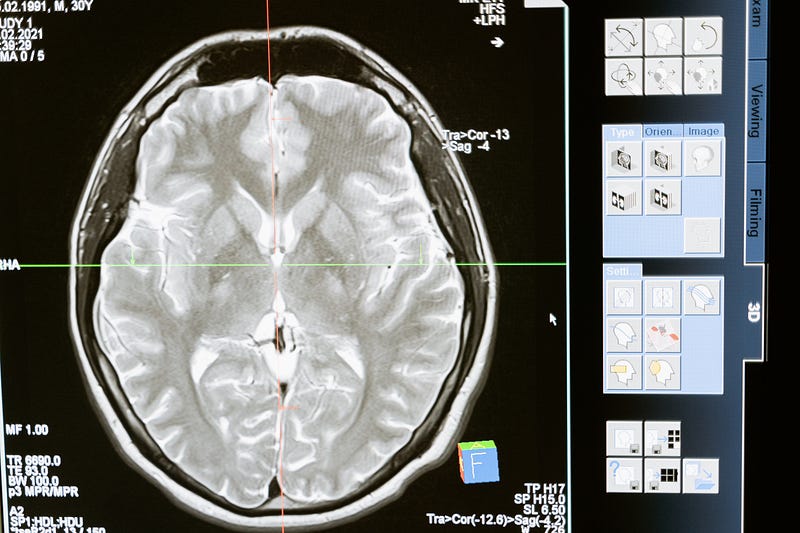
The first cases of the new disease were reported in the Canadian province of New Brunswick in 2013. Several people began to complain of memory problems, trouble maintaining balance, visual disturbances or visual hallucinations, weight loss, and limb pain. Their loved ones observed that their behavior had also changed.
Dementia was first suspected, as most of the patients were in their 60s. But the disease progressed incredibly quickly. Neurologist Dr. Alier Marrero of Moncton University Hospital, to whom the patients were referred, began to suspect they were suffering from Creutzfeldt-Jakob disease, a brain degeneration caused by prions.
Prions are protein molecules that set off a chain reaction in the nervous system. They interfere with other proteins to coil into the right shapes, which is crucial to their function. The disease is transmitted by contact with tissues from sick animals, but you can also get infected by eating meat containing prions. It is still dangerous even after cooking or roasting, because prions are not broken down by heat.
However, in the case of the Canadian patients, tests quickly ruled out Creutzfeldt-Jakob disease. Prions were not detected in any of the patients in New Brunswick.
Mysterious neurological disease in Canada also affects young people
People with similar symptoms have increased year after year. In 2019 alone, 11 people fell ill with the mysterious disease, in 2020 another 24. The number of deaths was also increasing, the effect of the fact that the disease quickly devastates the entire body.
Initially, Canadian authorities ignored the problem. The symptoms, it was claimed, were “not very specific.” They could have been caused by Alzheimer’s disease or another type of dementia. Indeed, the average age of the patients was 59.
However, this was an average. Among the patients, there were also people who were very old and even very young — including an 18-year-old. Every fifth patient was under forty. It was difficult to claim Alzheimer’s disease. It was only at the insistence of the patients’ families that Canadian authorities formed a commission to investigate the causes of the disease.
A special care center was also opened in New Brunswick — it was all that could be provided for the sick. The mysterious disease was named “neurological syndrome of unknown origin.”
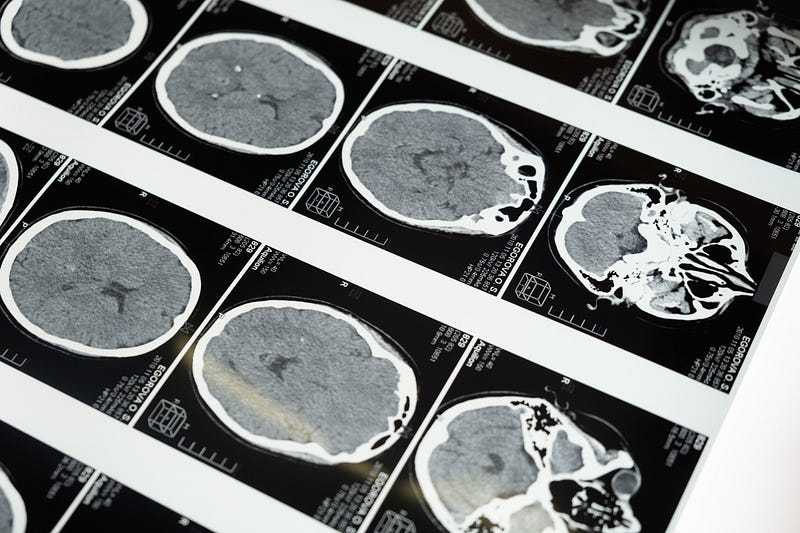
What causes galloping dementia in Canada? Maybe it’s toxins secreted by cyanobacteria
If it’s not prions, there must be some other factor that causes galloping dementia even in young people. Perhaps it is some poisonous compound found in water or food? According to Dr. Marrero, the prime suspect is toxins produced by cyanobacteria. These microorganisms are known to produce a whole arsenal of substances dangerous to animals and humans. Some of them are particularly dangerous to the nervous system — that is, they are neurotoxins.
One of the compounds produced by cyanobacteria is 3-Methylamino-L-alanine — BMAA. Scientists suspect that it is this neurotoxin that causes the so-called amyotrophic lateral sclerosis and Western Pacific dementia syndrome (also called lytico or bodig) among Guam islanders.
The islanders became ill, it turned out, by eating bat meat containing the compound. The animals fed on sago seeds, which were home to cyanobacteria that produce BMAA.

Cases of mystery illness may be up to three times more
The official number of detected cases of the mysterious New Brunswick disease is already 48, while the official number of deaths due to it is eight. In an interview with the British newspaper “The Guardian”, however, an employee of a network of care centers in New Brunswick claims that people suffering from similar symptoms are even three times more, because 150. And more than a hundred are waiting for official confirmation of the diagnosis.
The Guardian’s anonymous interviewee is also of the opinion that the disease is not limited to a single Canadian province. New Brunswick had the earliest and the largest number of cases. It was also the earliest the problem was publicized.
Importantly, there have also been a few cases where similar symptoms have been found in people who live with the patient but are genetically unrelated to them (spouse or caregiver). This is not proof, but it is a strong clue indicating that the agent causing the mysterious condition is hiding in the water or food.

Families want to pay for BMAA testing themselves
In New Brunswick, located on the Gulf of St. Lawrence, fishing for lobsters, crabs and salmon is an important industry. Scientific tests conducted in 2018 showed that the former contain traces of BMAA. New Brunswick authorities, however, did not rush to conduct a more extensive epidemiological and sanitary survey — even when the Canadian government wanted one. That would have hit an industry worth more than a billion dollars a year.
In contrast, a test report released by Canadian provincial authorities in October 2021 ruled out the presence of most toxins in the environment or food. So the family of Laurie Betty, who died in December 2019 from the disease, intends to have his body tested for BMAA on its own.
Source: The Guardian, CBC.ca, Toxins
Cool that you made it to the end of this article. I will be very pleased if you appreciate the effort of creating it and leave some claps here, or maybe even start following me. Thank you!