Non-Foreigner Friendly Restaurants in Japan Aren’t Being Racist
Maybe it’s not them, it’s us
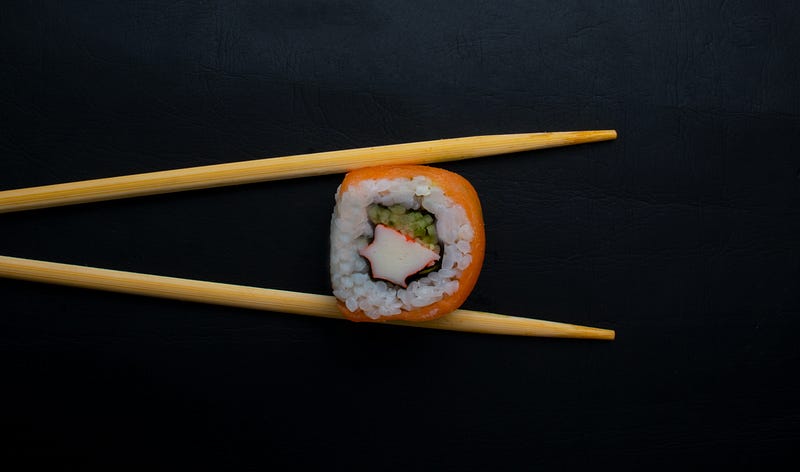
After watching Jiro Dreams of Sushi — a documentary about sushi master Jiro Ono and his renowned Tokyo restaurant — I added a sushi experience at that caliber of excellence to my bucket list.
I eventually had the opportunity to taste and experience Michelin-star level sushi when I visited Japan, which I’ve written here. It did not disappoint and, to this day, remains the most amazing sushi tasting I've ever experienced. But in this article, I’m not here to talk about food. Instead, I’d like to address a side-topic that arose while I was planning this food experience.
See, after much deliberation, I actually decided to not eat at Jiro’s restaurant due to many accounts of it being not foreigner-friendly.
I didn’t want to show up only to not be let into the restaurant for being a foreigner. Even if I was allowed in (maybe on account of me being Chinese?), I didn’t want to spend that kind of money only to be rushed out in under 30 minutes.
I wasn’t too deep into my research for another Michelin star restaurant when I came across more comments and reviews about Japanese restaurants that weren’t foreigner-friendly.
TripAdvisor runs abundant with not-so-stellar reviews for these high-end Japanese restaurants. The feedback is fairly consistent and generally pertains to either a language barrier or some aspect of rejection or subpar service on account of the visitor being a foreigner. So I’d like to pause here and explore this.
I could be frustrated and outraged by it. I could get myself riled up and blistering for an argument. I could have gone off into the abyss of a Reddit subthread to rant about it.
But let us practice some cultural tolerance and remember that we are visiting their country. Let us not impose our notion and understanding of racism on others, and falsely claim the victim.
On the whole, the Japanese people are wonderful, friendly, helpful, and accepting. I experienced this time and time again, whether we were lost on the streets, struggling with the transit system, or confused about yet another delightful Japanese invention.
So when a restaurant from this culture declines to serve you for being a foreigner, maybe we ought to give them the benefit of the doubt. Maybe it’s not (generally) done out of hatred and racism but for another reason altogether.
Maybe it’s us as the foreigners who have missed the cultural connotations surrounding an establishment at this level of excellence.
Perhaps it’s not really a public restaurant that anyone can waltz into and it’s instead, more of a private establishment. Can you imagine strolling along the Monte Carlo coastline and letting yourself into someone’s private yacht just because you see the captain serving drinks to other people?
Maybe it’s us who choose to visit their country and culture, but expect them to greet and serve us in our language.
Shouldn’t the onus be on us to learn their language and customs when we are the ones encroaching on them? Rather than place the burden of (mis)communication on them, shouldn’t it be on us who have consciously gone out of our way to insert ourselves into their way of life?
Or maybe it is them.
Maybe after dedicating their lives to this art form and spending decades perfecting every nuance and aspect of the sushi experience, down to the details that most would not even realize existed, it’s unacceptable for them to not be able to perfect the last step — the customer experience. Maybe it’s a tarnished finale to what should be a beautiful concert because they’re unable to communicate with the fluidity and grace that their food deserves.
Before you get on your high horse and stomp your feet in righteous indignation that you are indeed being discriminated against, it’s worthwhile to note that even if you are Japanese, some of these high-caliber restaurants do not accept new guests. This means that unless you are a regular clientele of the restaurants, you cannot cold-call and make a reservation for yourself. You must be invited and accompanied by someone who is already a regular at this restaurant.
Ultimately, after I picked a foreigner-friendly restaurant, I took some advice from the travel forums and asked my hotel to make the reservation on our behalf. Not only was it a super smooth process, but they also included helpful tips with the address translated into English for our GPS, directions on how to get there, and the appropriate dress code to adhere to (no perfume, no sandals, no shorts, no t-shirts, and no tattoos). So helpful and considerate!
Does this scream of a culture that’s refusing to serve you out of prejudice, discrimination, and hatred? No, I don’t think so.