
No pretending with stunning country queen Connie Smith
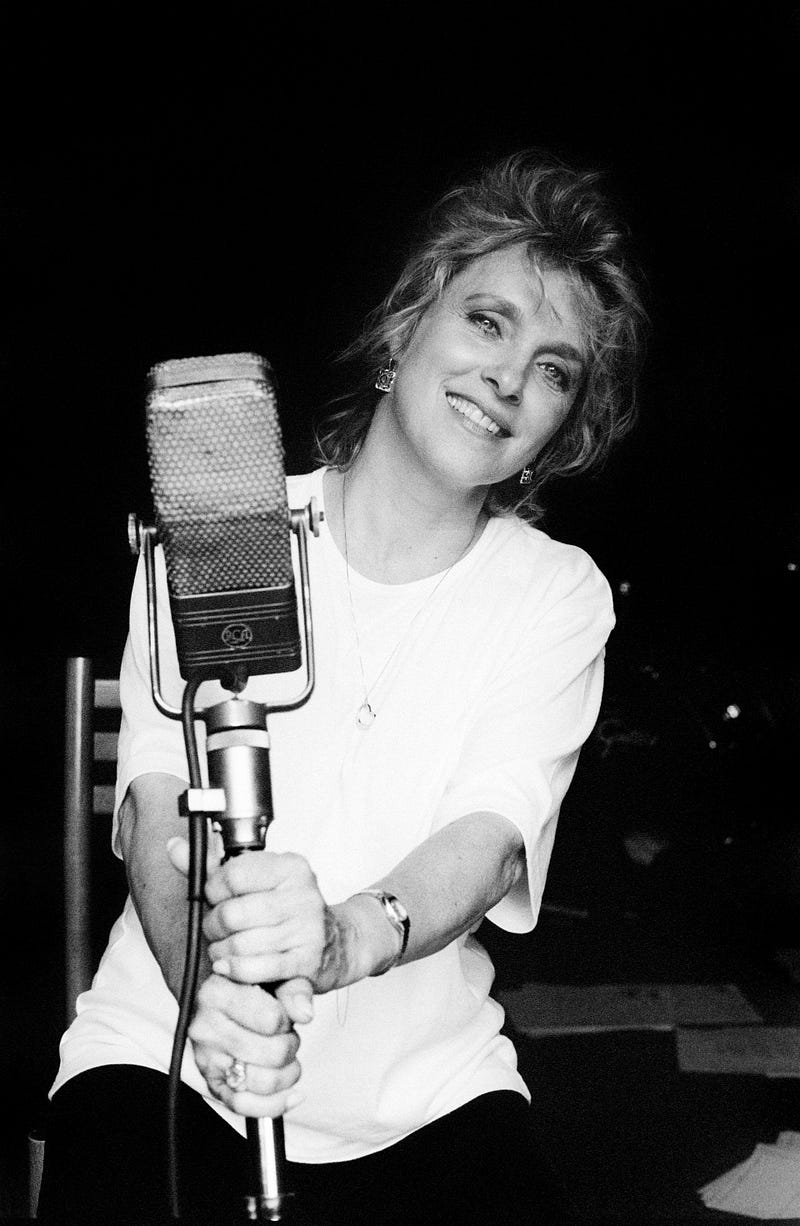
Marking seven decades as a recording artist, Country Music Hall of Famer Connie Smith achieved her footing in Nashville in the shocking aftermath of Patsy Cline’s death. She became an illustrious member of the Grand Ole Opry at age 23 in 1965, less than a year after her debut single, “Once a Day,” stormed the charts for an unprecedented eight-week stay at the “Toppermost of the Poppermost” to coin a phrase uttered by former Beatle John Lennon.
Written by Whisperin’ Bill Anderson and approved by guitar extraordinaire Chet Atkins, “Once a Day” maintained a 25-year unbroken streak as the first debut single in country music history by a female artist to reach number one.
Smith’s authoritative, no-nonsense, alto mined the depths of country’s bruised soul, no doubt paving the way for 38 Top 40 country singles in a 15-year period, many on Elvis Presley’s longtime recording label, RCA Victor.
Twenty landed snugly inside Billboard’s Country Top Ten, including such countrypolitan jewels as “Ain’t Had No Lovin’”, “The Hurtin’s All Over”, “I Never Once Stopped Loving You,” “Just One Time”, “Ain’t Love a Good Thing,” and a country disco-ish cover of the Bee Gees’ “I Just Want to Be Your Everything.”
A new label unable to thoroughly promote her records, the onslaught of Urban Cowboy country, and devotion to family and Christianity curtailed her hit-making potential by the dawn of the ‘80s.
History often relegated the stunning country queen’s accomplishments to the back burner in lieu of better-known contemporaries such as Tammy Wynette, Loretta Lynn, and Dolly Parton. The latter once famously uttered, “There are only three female singers in the world — Barbra Streisand, Linda Ronstadt and Connie Smith. The rest of us are only pretending.” In 2012 the Country Music Hall of Fame finally got it right when Smith was officially recognized in a ceremony unintentionally overshadowed by fellow inductee, reigning superstar Garth Brooks.
Married to fellow country music preserver Marty Stuart, the “Ribbon of Darkness” chanteuse can be seen in reruns of RFDtv’s The Marty Stuart Show, performing a classic country number with her well-rehearsed band, the Sundowners.
For folks who have never experienced Smith up close and personal, the living legend books a handful of American road dates each month in addition to her semi-regular Grand Ole Opry residencies. Visit her official website, ConnieSmithMusic.com, to know when she will entertain in your neck of the woods.
******************DON’T GO ANYWHERE YET!*******************
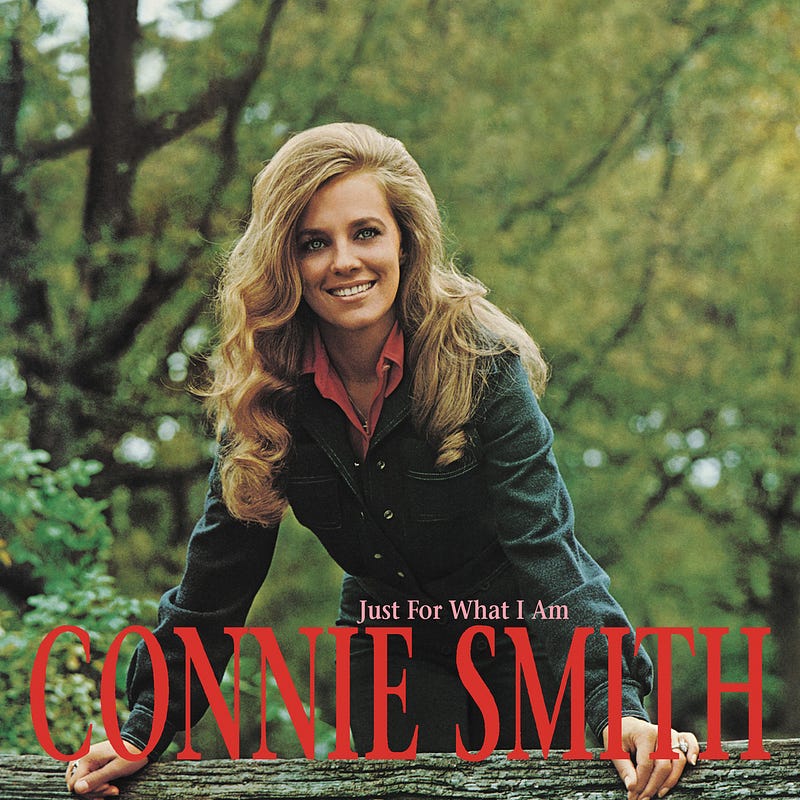
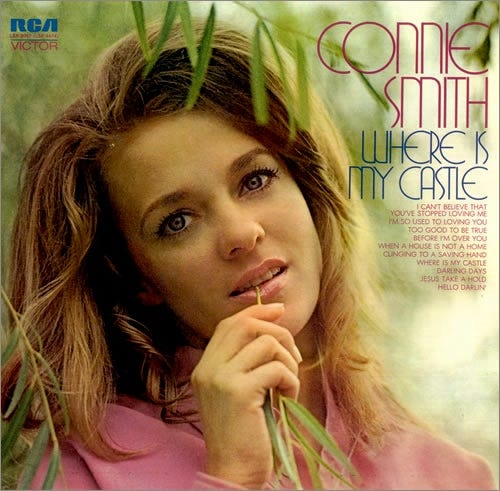
Further Reading: On her second long playing album for RCA Victor, Connie Smith covered Ray Price’s jubilant declaration of true love, “I’ll Be There (If You Ever Want Me),” pulling it off without even so much as breaking a sweat. The Cherokee Cowboy was an undisputed titan of 20th century country music, melding an indomitable synthesis of hardcore honky tonk and Western swing that kept the charts bursting for over 30 years. Merle Haggard, Willie Nelson, George Strait, and a host of contemporary performers clearly owe a huge debt of gratitude to Price. One of his performances that inexplicably slipped under the radar is “Rose Colored Glasses,” released at the height of the suave troubadour’s career in 1965. A special feature, “Deep Country Cut of the Day…,” explains exactly what you’ve been missing.
Exclusive Interview: One of my proudest moments as a working journalist was getting to spend an hour conversing with late American treasure Merle Haggard about his storied career. In “Still Holding His Mud: A Day in the Life of ‘Struggling’ Guitarist Merle Haggard,” the ink slinger waxes nostalgic about learning to play both the fiddle and guitar as a poor but blessed nine-year-old Bakersfield kid in the aftermath of World War II, if he still has those crucial instruments gathering dust in a closet somewhere, raising a Fender Telecaster maestro at the dawn of the 21st century, actually receiving inspiration for a song while sauntering towards a London concert stage, his patented songwriting formula, losing anonymity, and whether stage fright can be conquered.
© Jeremy Roberts, 2014, 2016. All rights reserved. To touch base, email [email protected] and mention which story led you my way. I appreciate it sincerely.


