
Mental Health | Food
New Research Supports Several Natural Remedies for Depression and Anxiety
Three recent studies show the benefits of healthy eating, probiotics, and vitamin B6 supplements for alleviating depression and anxiety

Last month, headlines flashed the news that a major review article had found “no clear evidence” that low serotonin levels cause depression and called into question whether taking selective serotonin reuptake inhibitor (SSRI) antidepressants is worthwhile.
However, most experts were not surprised that low serotonin levels are not the sole cause of depression, and many do not agree with the conclusion that serotonin has no role in depression at all. Depression is a heterogeneous disorder, both in terms of causes and symptoms. That makes it unlikely there is a single treatment for depression that is effective for all patients, but that doesn’t mean that existing treatments are ineffective for everyone.
Experts caution that patients should not stop taking SSRIs and that this new evidence does not negate findings from randomized controlled trials of thousands of depressed people that have definitively demonstrated that SSRIs and other antidepressant drugs are effective in treating depression.
But medicine isn’t the only answer either. Three other recent research studies have also provided support for the benefits of healthy eating, probiotics, and vitamin B6 supplements for alleviating depression as well as anxiety.

The Microbiome-Gut-Brain Axis
A research team from the University of Basel and the University Psychiatric Clinics Basel (UPK) has reported in the journal Translational Psychiatry that probiotics can support treatment with antidepressants.
Among subjects with depression, those given a probiotic in addition to antidepressants for 31 days showed an increase in lactic acid bacteria in their intestinal flora compared to those given antidepressants alone, along with a greater improvement in depressive symptoms and a normalization of brain activity in brain regions associated with emotional processing. The latter effect was measured using functional magnetic resonance imaging (fMRI) while subjects viewed neutral or fearful faces.
“Although the microbiome-gut-brain axis has been the subject of research for a number of years, the exact mechanisms are yet to be fully clarified,” said Anna-Chiara Schaub, a doctoral student in the Department of Psychiatry at UPK and a co-author of the study. “With additional knowledge of the specific effect of certain bacteria, it may be possible to optimize the selection of bacteria and to use the best mix in order to support treatment for depression.”
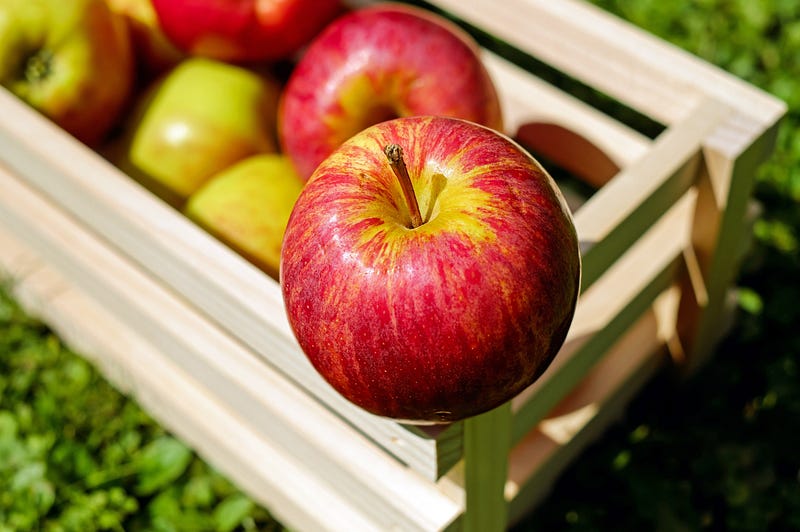
An Apple a Day Could Keep the Psychiatrist Away
A study in the British Journal of Nutrition reported that, after taking demographic and lifestyle factors such as age, general health, and exercise into account, the more often people ate fruit, the lower they scored for depression and the higher for mental wellbeing. The frequency of eating fruit during a typical week was found to be more important than the total amount consumed. No direct association was found between eating vegetables and psychological health.
Researchers also found that those who frequently snacked on nutrient-poor savory foods (such as chips) were more likely to experience everyday mental lapses, lower mental wellbeing, and higher anxiety, stress, and depression.
“Very little is known about how diet may affect mental health and wellbeing, and while we did not directly examine causality here, our findings could suggest that frequent snacking on nutrient-poor savory foods may increase everyday mental lapses, which in turn reduces psychological health,” said Nicola-Jayne Tuck, lead author and a doctoral student in the College of Health and Life Sciences at Aston University. “It is possible that changing what we snack on could be a really simple and easy way to improve our mental wellbeing.”
Tuck added, “Overall, it’s definitely worth trying to get into the habit of reaching for the fruit bowl.”
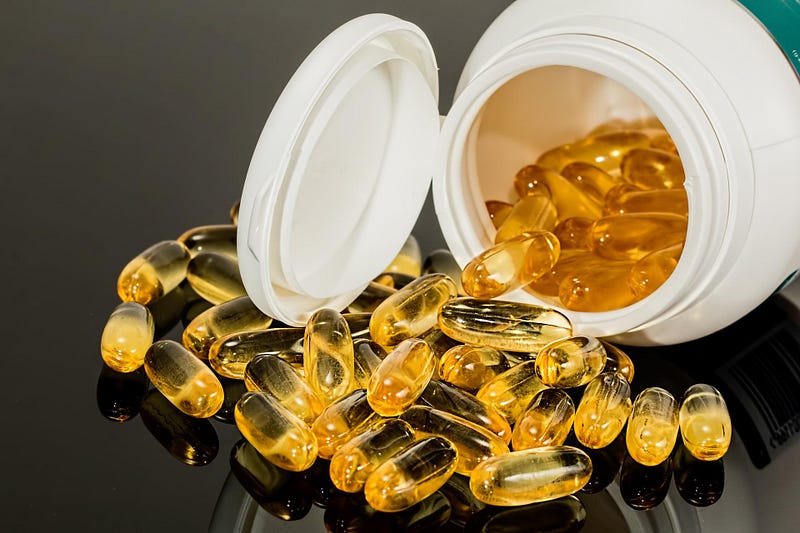
The Benefits of High-Dose Vitamin B6
Researchers from the University of Reading measured the effect of high doses of daily Vitamin B6 supplements on young adults for a month and found that subjects reported feeling less anxious and depressed. The doses were approximately 50 times the recommended daily allowance.
As reported in Human Psychopharmacology: Clinical and Experimental, this effect was not observed among subjects who were given high doses of a daily B12 supplement or placebo.
Although previous studies have shown that multivitamins can reduce stress levels, few studies have been carried out into which particular vitamins drive this effect. Vitamin B6 is known to increase the body’s production of Gamma-Aminobutyric Acid (GABA), a major inhibitory neurotransmitter in the brain.
“Vitamin B6 helps the body produce a specific chemical messenger that inhibits impulses in the brain, and our study links this calming effect with reduced anxiety among the participants,” said lead author Dr. David Field, of the School of Psychology and Clinical Language Sciences at the University of Reading. “Many foods, including tuna, chickpeas, and many fruits and vegetables, contain Vitamin B6. However, the high doses used in this trial suggest that supplements would be necessary to have a positive effect on mood.”
While acknowledging that research in this area is at an early stage, Field added that “nutrition-based interventions produce far fewer unpleasant side effects than drugs, and so in the future people might prefer them as an intervention … [o]ne potential option would be to combine Vitamin B6 supplements with talking therapies such as Cognitive Behavioral Therapy to boost their effect.”
More by this author:


