Changing Perspectives in Science
A New Discovery Reveals How Eating More Protein After Exercise Fuels Muscle Growth
We thought there’s a low ceiling on how much eating protein boosts muscle growth — but it looks like we were wrong

Protein is essential for building muscle, but how much protein should we eat? Like many people, I dabbled in protein shakes after the gym, but I could never tell if they made a difference.
Was I getting extra fuel for muscle growth or just saturating myself with more protein than I could use?
A new study published in one of the world’s leading scientific journals just found a surprising answer with big implications. The study is important because it challenges our assumptions and might change our views on how best to use protein.
Today, I’ll unpack what the study found, what it means for building muscle, and how to understand all this from an evolutionary perspective.
New study challenges old beliefs
One of the world’s premier science journals is Cell. The new study was published in one of Cell’s satellite journals (Cell Reports Medicine). The researchers were interested in how protein intake affects muscle growth after exercise.
Before we dive in, let’s break down the basics of protein intake and muscle growth.
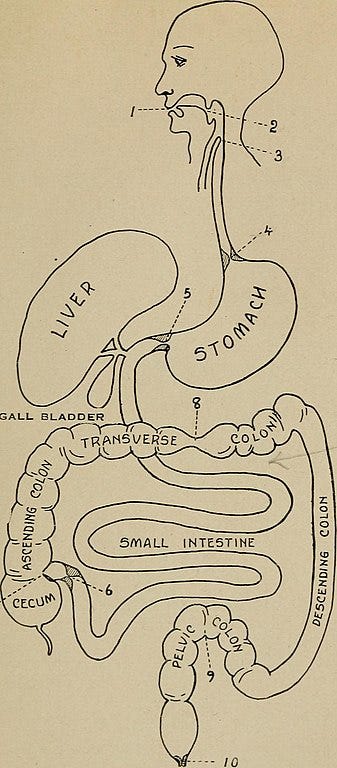
It’s well known that we have to eat protein to grow muscle. The protein we eat is absorbed and broken down into nutrients that our body uses to grow muscle, among many other functions.
Protein is made of amino acids, and amino acids are fuel for muscle growth. When we eat protein, our body strips out amino acids so they can be used to make new proteins inside our body.
However, many researchers believe there’s a limit to how much post-exercise protein intake can drive muscle growth. This is because older studies found that muscle growth after exercise maxes out at 20–25g of protein.
Beyond 20–25g, past studies found that the amount of amino acids in our blood and the creation of new proteins didn’t seem to increase.
Based on these studies, researchers inferred that more than 25g of protein is a waste. They assumed that we become saturated with protein and amino acids, and the surplus doesn’t drive muscle growth.
Evolutionary questions raise doubts
But despite those studies, there are reasons to be skeptical. For one, the idea that we can’t absorb more than 25g of protein at a time isn’t really consistent with human eating habits over evolutionary history.
True, eating 3 square meals a day is the modern norm. But we lived as hunter-gatherers for the vast majority of our 300,000 year history.
Hunter-gatherers depend on the availability of food. When food becomes scarce or irregular, there are often long periods of hunger punctuated by bouts of intense eating.
The same is true of our animal cousins, like lions who endure hunger and then gorge on a wildebeest.
The weird world of snake metabolism and muscle growth
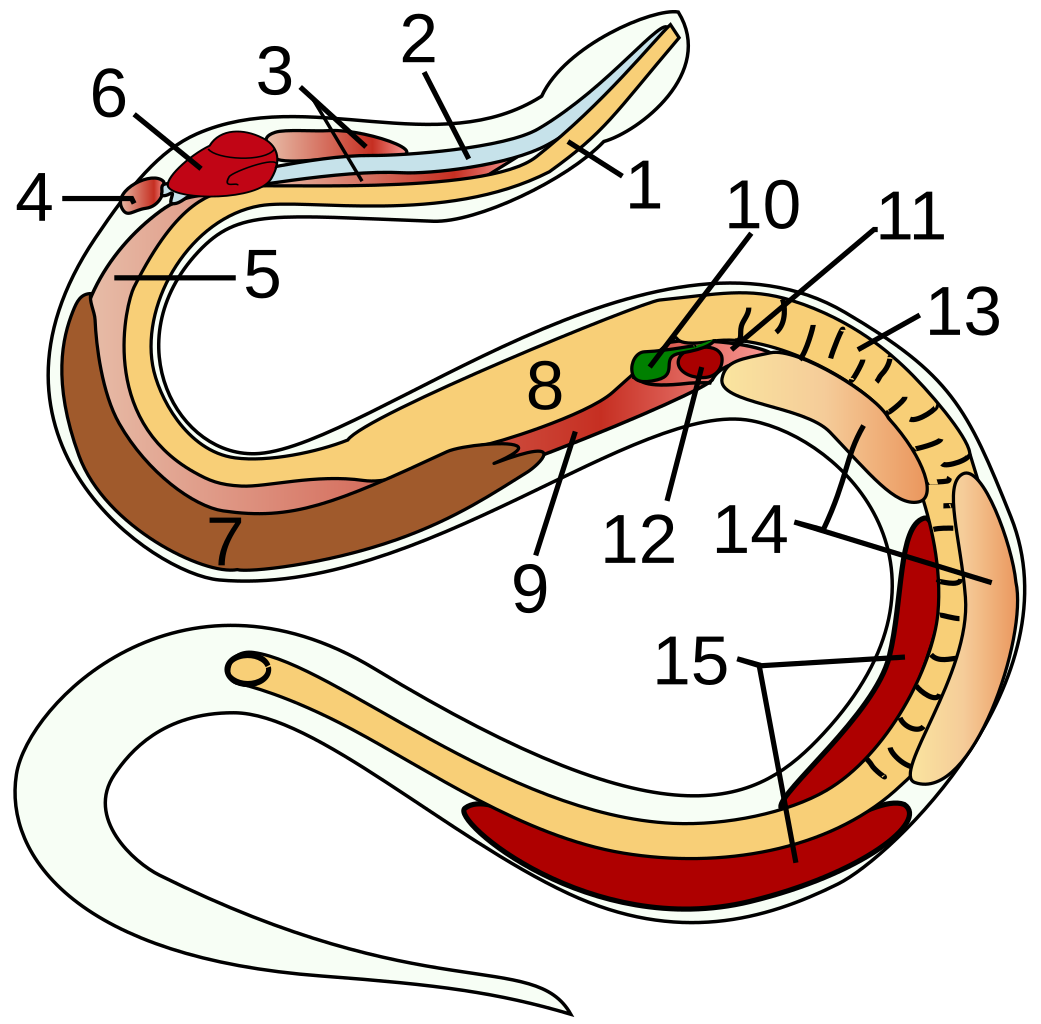
Snakes are a particularly extreme example. Some go years without eating, and they can take days to digest their food.
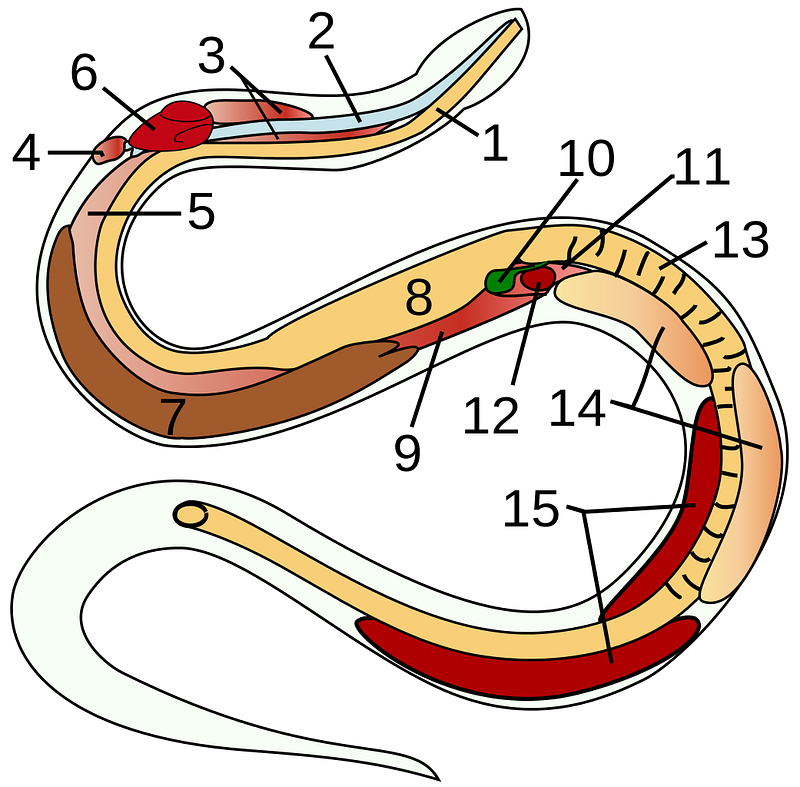
If snakes could only absorb relatively small amounts of protein at a time, they’d be in big trouble.
Lucky for them, snakes can digest protein over extended periods. In one study, snakes were still absorbing protein to drive muscle growth 10 days after they ate a meal worth 25% of their own body weight!
Since regular meals are unusual by evolutionary standards, only being able to absorb fairly small amounts of protein would be a major disadvantage.
And we clearly survived our hunter-gatherer days, so our biology must have ways to cope with cycles of hunger and feasting.
What did the study do and what did it find?
For reasons like these, the researchers behind the new study were skeptical that 25g sets a hard ceiling on how much protein we can absorb at once.
They used more sophisticated techniques than the older studies and put the idea to the test.
They had people do resistance training and then gave them either 0g, 25g, or 100g of protein. The protein was given as a drink, and the participants didn’t know which dose of protein they received.
To assess the rate of protein absorption and muscle growth, participants gave blood samples over the next 12 hours. The study also used four different ‘tracers’ to assess how the protein was absorbed and used.
The concentration of amino acids was measured directly, while muscle growth was estimated by measuring the rate at which our bodies produce their own proteins.
Compared to the placebo group, who got 0g of protein, people who got 25g or 100g absorbed more protein, extracted more amino acids, and had higher rates of muscle growth, just as you’d expect.
But in contrast to older research, people given 100g of protein had more amino acids in their blood and higher rates of muscle growth than people given 25g of protein.
People given 100g of protein also had more amino acids in their muscle tissue itself, and the study found that the amount of amino acids taken into muscle tissue “essentially increased linearly”.
The group given 25g showed a more temporary rise and fall in amino acids and muscle growth, while the group given 100g had elevated levels of both across the entire 12-hour period.
The study also tested genetic activity in muscle tissue to see whether the participants became saturated and started processing protein differently.
The researchers found no differences in genetic activity between the groups given 25g or 100g of protein.
This tells us that greater protein intake didn’t change the body’s genetic response to incoming protein — there was no evidence of a saturation point.
What does this mean for exercise and building muscle?
These findings could be a very big deal. They indicate that we can absorb much more than 25g of protein at a time and that we can use this fuel for muscle growth over an extended period.
The study’s authors even suggest there may be no upper limit to how much protein we can turn into muscle:
“Here, we show that the anabolic response to protein ingestion has no apparent upper limit in magnitude and duration in vivo in humans. We demonstrate that protein ingestion results in a dose-dependent increase in dietary-protein-derived amino acid availability and a concomitant increase in muscle and whole-body protein synthesis rates.”
We know that everything has limits, so there’s probably an upper limit to how much protein we can use to drive muscle growth. But this new study shows that the limit is far higher than we thought.
The study only looked at protein intake after resistance training in regular people, so there’s still a lot to learn.
Does the type of training matter? How about the intensity or duration of training? Are there differences between people with very little muscle and people who already have lots of muscle, like athletes and bodybuilders?
Does age or sex matter? Are different sources of protein better or worse? Is it better to consume the protein before and/or after exercise?
For answers to these questions, we’ll have to wait for more research — watch this space. But for now, at least, this new finding shows that high dietary protein levels are essential to fuel muscle growth.
Nutritional focus for muscle building and beyond

There are many good sources of dietary protein, and a diverse diet is a healthy diet, so don’t just go to town on meat and protein shakes. Like with many things, balance is key, and you need to cover your nutritional needs.
Nutritional deficiency
Regarding nutritional deficiency, my fiancée and I learned this the hard way when she was recently hospitalised for iron-deficient anaemia.
This taught us a stark lesson in nutrition, and we’ve since worked hard to build a diverse diet with many sources of protein, vitamins, minerals, fats and carbs.

Problem with overeating
Similarly, don’t go overboard feeding the beast. Overeating is a leading cause of obesity and overweight, and there are many health benefits to periodic hunger, like intermittent fasting.
For example, a recent study in Nature investigated how intermittent fasting slows aging and prevents brain degeneration. They even identified a gene that’s crucial for this process — the inscrutably named OXR1 — which seems to work the same way in fruit flies and humans.
Fortunately, studies have also shown that we can lose fat and gain muscle at the same time. This means there’s no need to make ourselves fat in the pursuit of muscle — everything in moderation.
Conclusions and takeaways
If your aim is to build muscle, it’s important to consume ample protein during workouts and recovery days.
While it’s crucial to address other nutritional needs, high-protein diets are necessary allies in the pursuit of muscle growth.
Individuals also vary and there’s a lot we still don’t know, so pay attention to your body and make adjustments as you need.
Life itself is research and we’re always gathering new insights and ditching outdated ideas.
Happy eating/exercising, and thanks for reading!