
Neurodiversity: the Diversity of our Brains
It is time to celebrate the uniqueness of our brains and minds
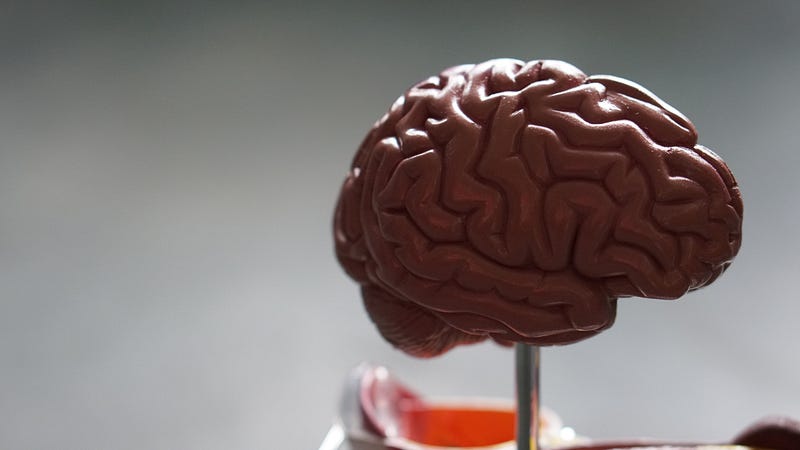
While mainstream societies tout multiculturalism, racial and religious diversity as well as queer acceptance (at least in some parts of the globe), there is increasingly a “neurodivergent awakening” to not just stop the blatantly discrimination against the neurodivergent but to actively encourage their presence and representation. Neurodiveristy is in every community and society and people at all levels are beginning to realize this. This has to do with both changing beliefs held at the social level as well as personal ones.
What comes to your mind when you think of the word “autism”, for example? Critically analyse why you think what you think. Surely a condition that is genetic and lifelong and incurable qualifies to being an identity. Especially when it has to do with inherent differences in the neurology of brain matter that has most to do with personhood itself than ethnicity and even gender.
Neurodivergent people are increasingly rejecting the rule book espoused by the neurotypical folk who with good intentions want everyone to be like them. We do have a spectrum — from trying to blend with normality to explicitly rejecting normality. Disabled folk of all types do not want to be seen as flaws or incomplete versions of normal people. Instead of changing disabled children to fit the environment, society has to change the environment to fit all children. Other people’s idea of normal shouldn’t be imposed on any person.
Neurodiversity is beautiful. It is the celebration of the differences in our neurology. It is to consider these differences as normal phenomena. According to the Harvard Medical School nearly half the population qualifies as neurodivergent having either a mood, impulse-control, anxiety or other disorders like dyslexia, autism, ADHD or dyspraxia. With such a large number surely it should be taken seriously as normal ways of being complete individuals.
But neurodivergent people find themselves at odds with neurotypical society which fails to accommodate a variety of needs by mostly subscribing to the medical model —treating such conditions as dysfunctional, disorders and disabilities. Considering them purely as disorders to be solved, traps one into thinking that research, prevention, control and cure are the solutions. What about acceptance, inclusion and representation? We need to move away from a medical model of disability towards a social model. These are identities as much as they are disorders.
Instead of trying to reprogram the neurodivergent to conform and comply to the interpersonal and structural norms of a neurotypical society, we should spare them the unfair inconvenience of having to be therapized and fixed. Diversity comes in all forms and is found in all individuals. An ideal human society celebrates this fact — not use these differences as means of mockery or implicit superiority complexes. Those with ADHD and autism shouldn’t be said to be “suffering” from such conditions. That is neurotypical society projecting its biases unto them.
Just like the LGBT community reclaimed the term "queer", which was once used as a slur, the neurodivergent community can as well claim "madness", "craziness" and “stupid” as part of their identities. Flip the ableist connotations of these words to something that one can take pride in. We need to push back the notion that disabilities and neurodivergent are inherently negative. That they have to pass unnoticed among the general population. That the mildest suffering should blend with normality and the worst should at least be made as close to normal as possible. We have to push for the notion that communities founded upon disabilities are beautiful and their presence is beautiful and their representation is beautiful.
We should stop trying to find causes to eliminate these conditions. Why do we want to be eugenic? And what does it mean for these conditions to be genetic? Why did these variations in the human genome come about? Did they serve an evolutionary advantage and shouldn’t they be still valid in today’s gene pool? These are legit questions that researchers are pondering on. The common belief that diversity is a strength is almost certainly true.
It’s time for us to see the beauty and value of neurodiversity as being essential to the flourishing of human life as much as biodiversity is essential to the flourishing of life on earth. Help to create awareness of this valid beautiful adding-to-the-excitement-of-life phenomena. Please share this with others and emphasize the beauty in having different minds and brains just like we emphasize the beauty in having different bodies.
If you loved reading this story, you might love reading this:


