
Nature’s Signs in Japan
An Organic Calendar That Needed No Pages To Turn
In the rustic folds of the Japanese countryside, where the seasons unfolded like a series of carefully crafted courses, I found myself elbow-deep in the dirt of a traditional tea farm. Living and working there, I got a ringside seat to the grand spectacle of nature’s ever-shifting menu, an organic calendar that needed no pages to turn.
Summer, the unruly cousin, awaited with all its boisterous energy. The relentless buzz of cicadas served as the background score, joined by the eerie cawing of crows overhead.
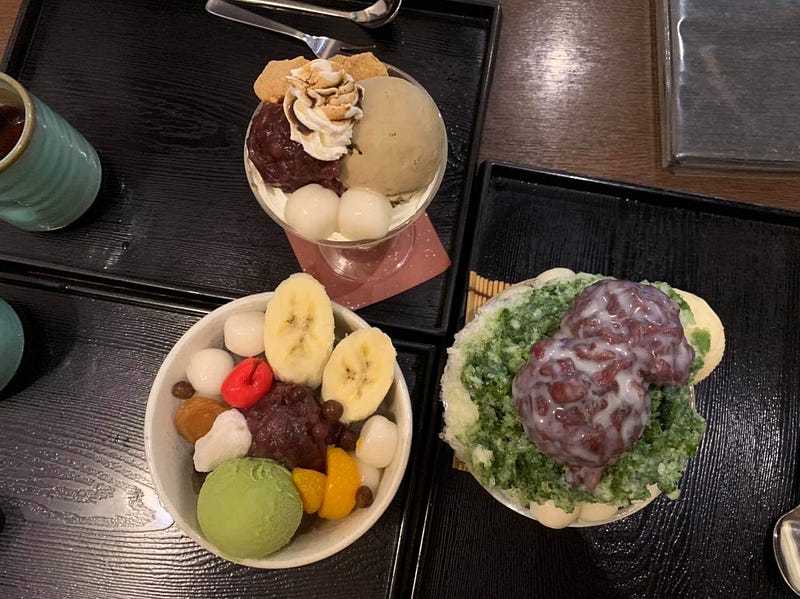
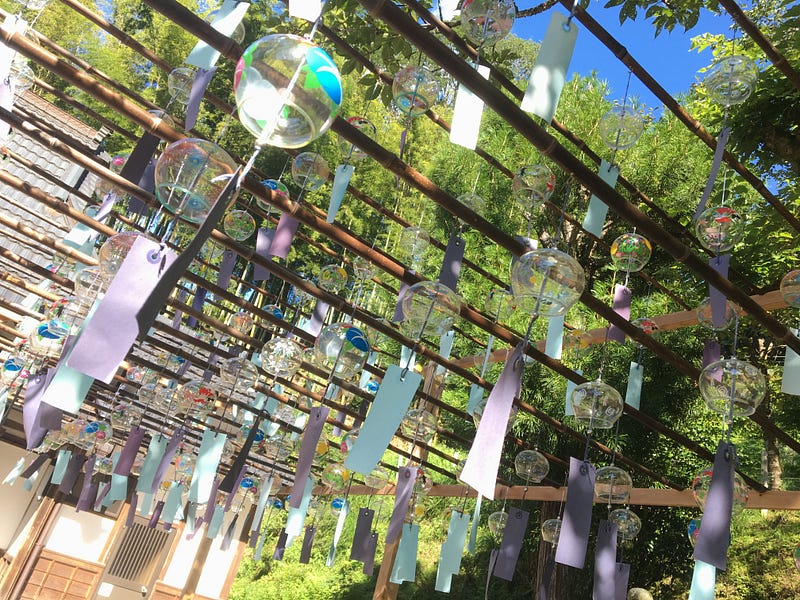
Kakigori, the shaved ice, became the cool kid in town, offering sweet relief from the summer sauna. Furin chimed in, their metallic melody playing in harmony with the wind.
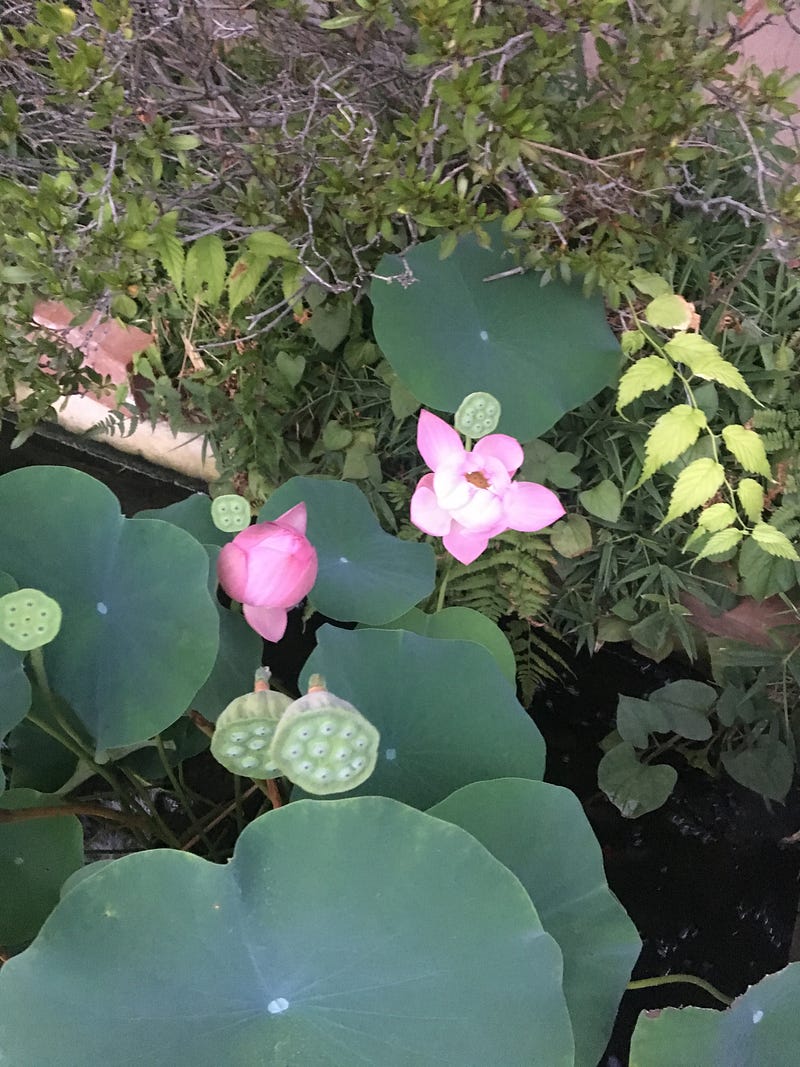
Watermelons cracked open like a burst of fireworks, their juicy insides a celebration of the season. Cucumbers, cool and crisp, provided a refreshing crunch. Blooming lotuses, like nature’s fireworks upon a reflective sky, graced the ponds, while the sizzle of the grill and the laughter of friends turned summer into a joyful carnival.
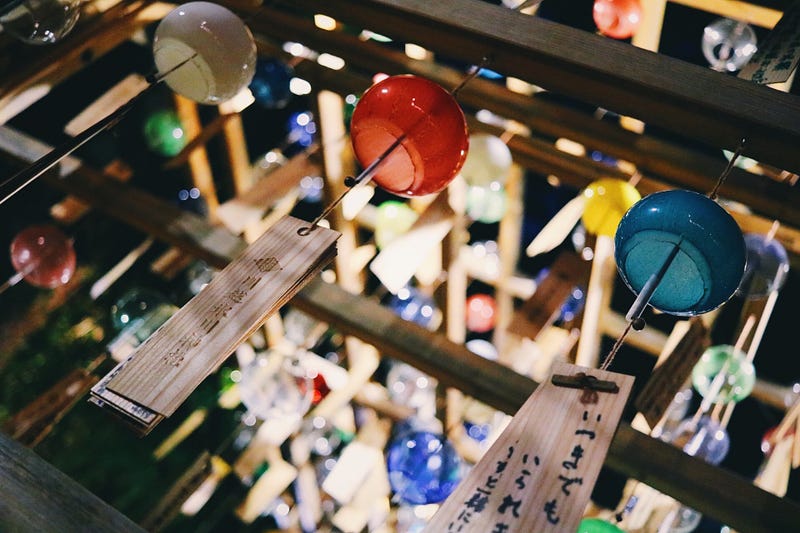
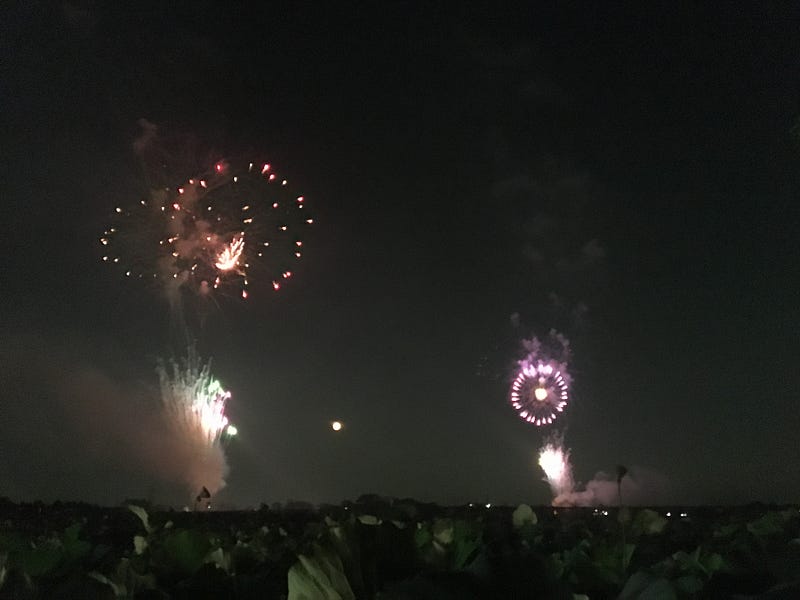
It was a sensory explosion, a reminder that even in the midst of indulgence, there was a natural rhythm that played on, unaffected by the revelry.
Autumn, a symphony of fiery brilliance that needed no announcement. The tea fields, once surrounded by a sea of green had metamorphosed into a kaleidoscope of reds and oranges. Koyo, they call it — autumn colors that set the hills on fire, a natural signpost heralding the approaching change.
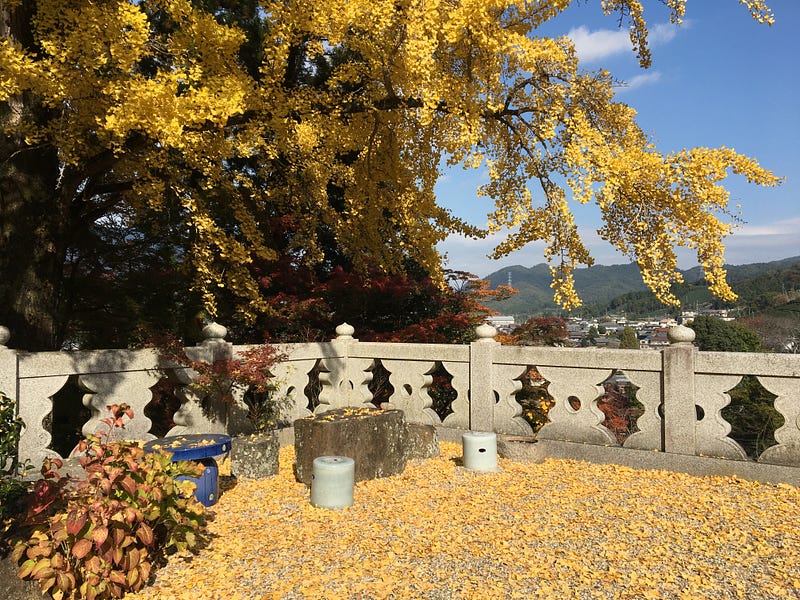
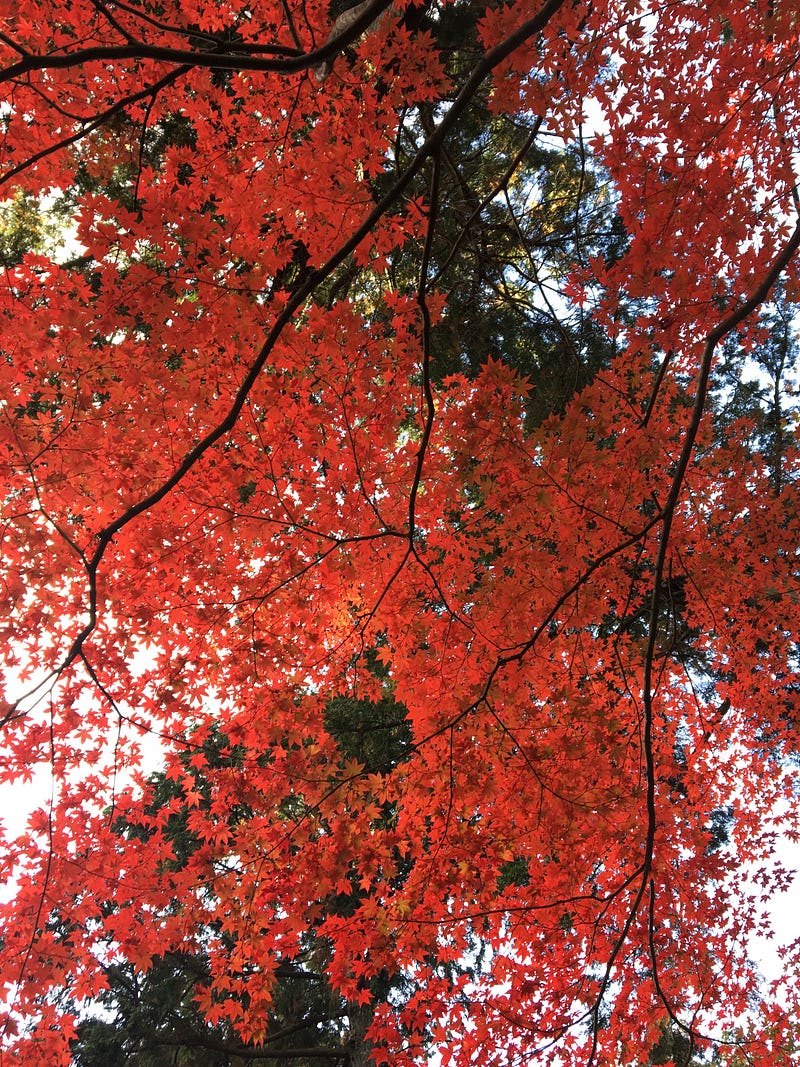
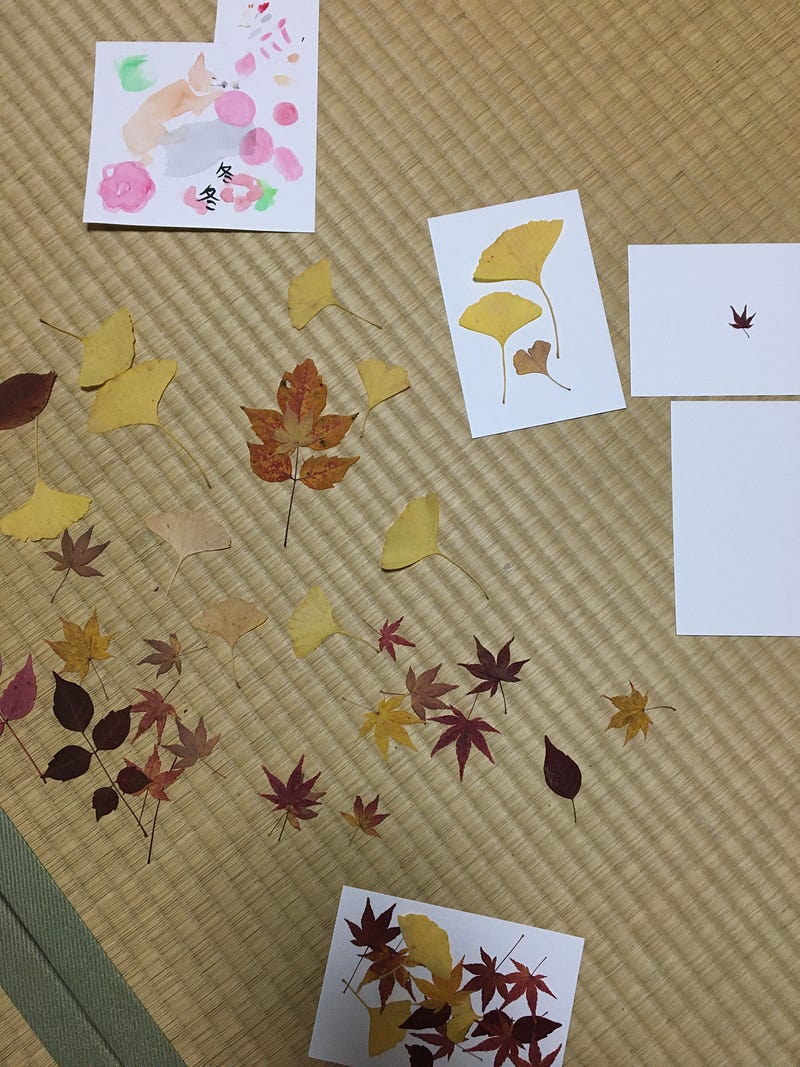
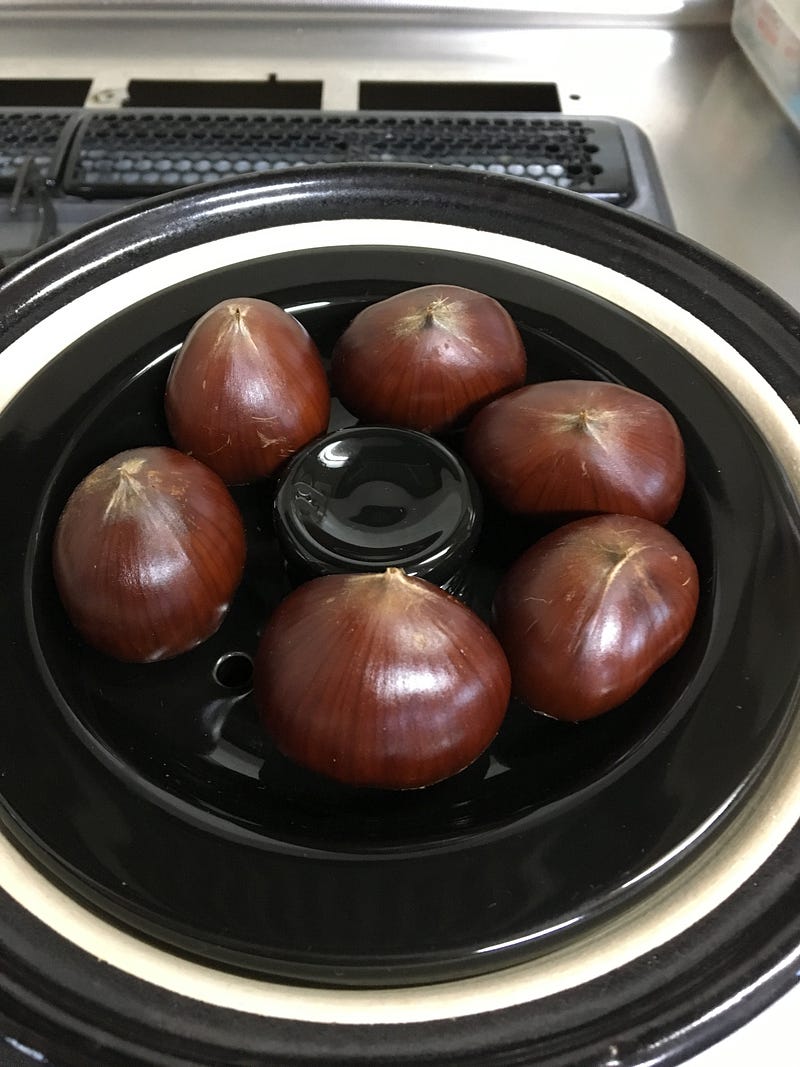
The air, heavy with the whispers of leaves, rustled secrets of the season, each breeze carrying a message for the attentive listener. Chestnuts, unleashed from their branches, thudded on the ground like applause for Mother Nature’s show, a percussive reminder of the earth’s rhythm.
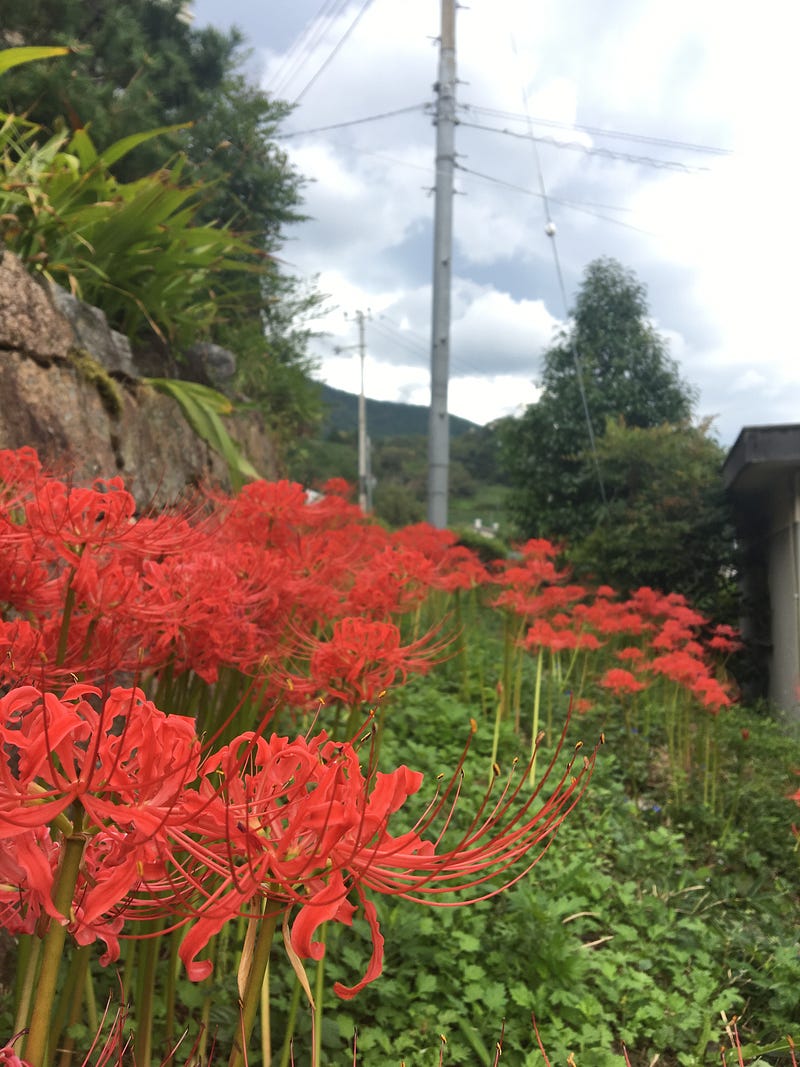
Venturing further, I stumbled upon the Higanbana — the red spider lilies — standing proud, their vivid hues juxtaposed against the fading greens.
Nature, like an artist, used vibrant hues to paint its moods, a canvas of emotions that required no translation.
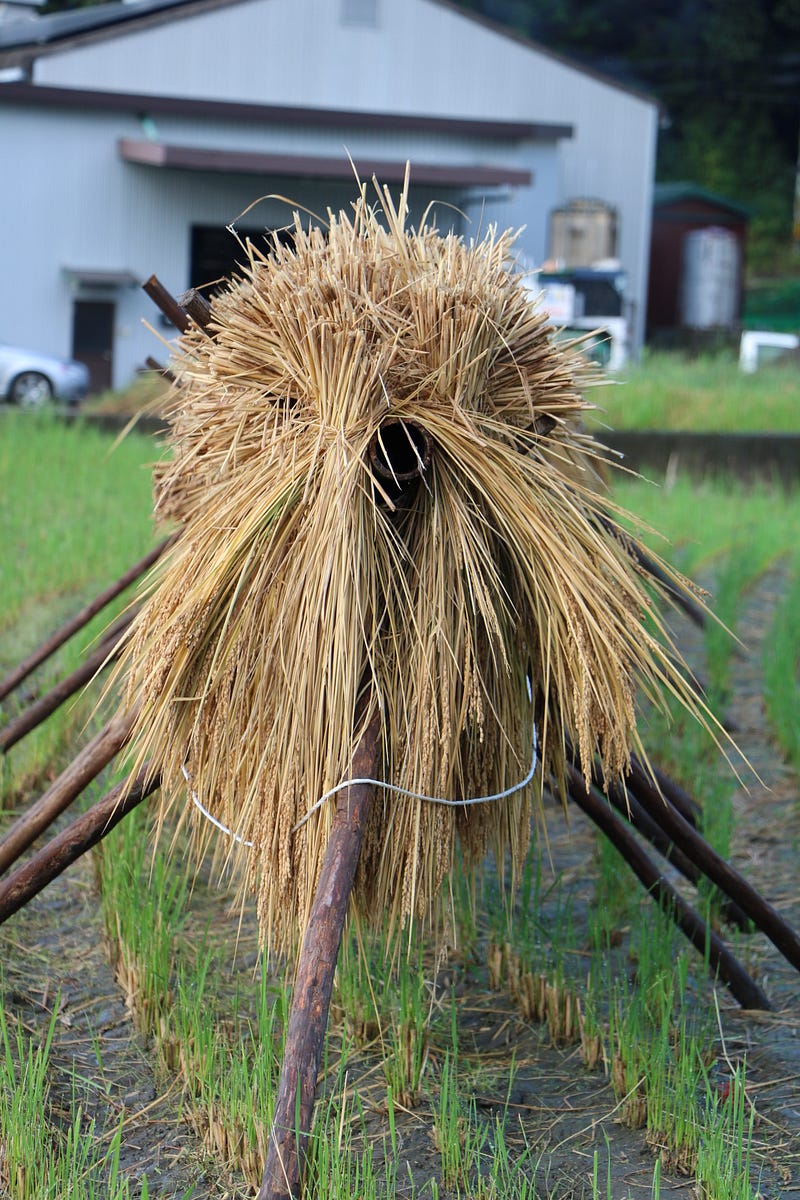
And then, the fully harvested rice fields. Haza (bundled rice), laid out to dry in the sun, looked like a patchwork quilt woven from the earth’s own bounty.
It was a visual feast, a gastronomic climax to the year’s hard work, an unspoken acknowledgment that the land had given its all.
Winter’s entry was more subdued, a quiet metaphor for introspection and renewal. Persimmons, hanging like rubies from bare branches, whispered promises of sweetness amid the cold. Yuzu perfumed the air, a zesty prelude to the season’s offerings.
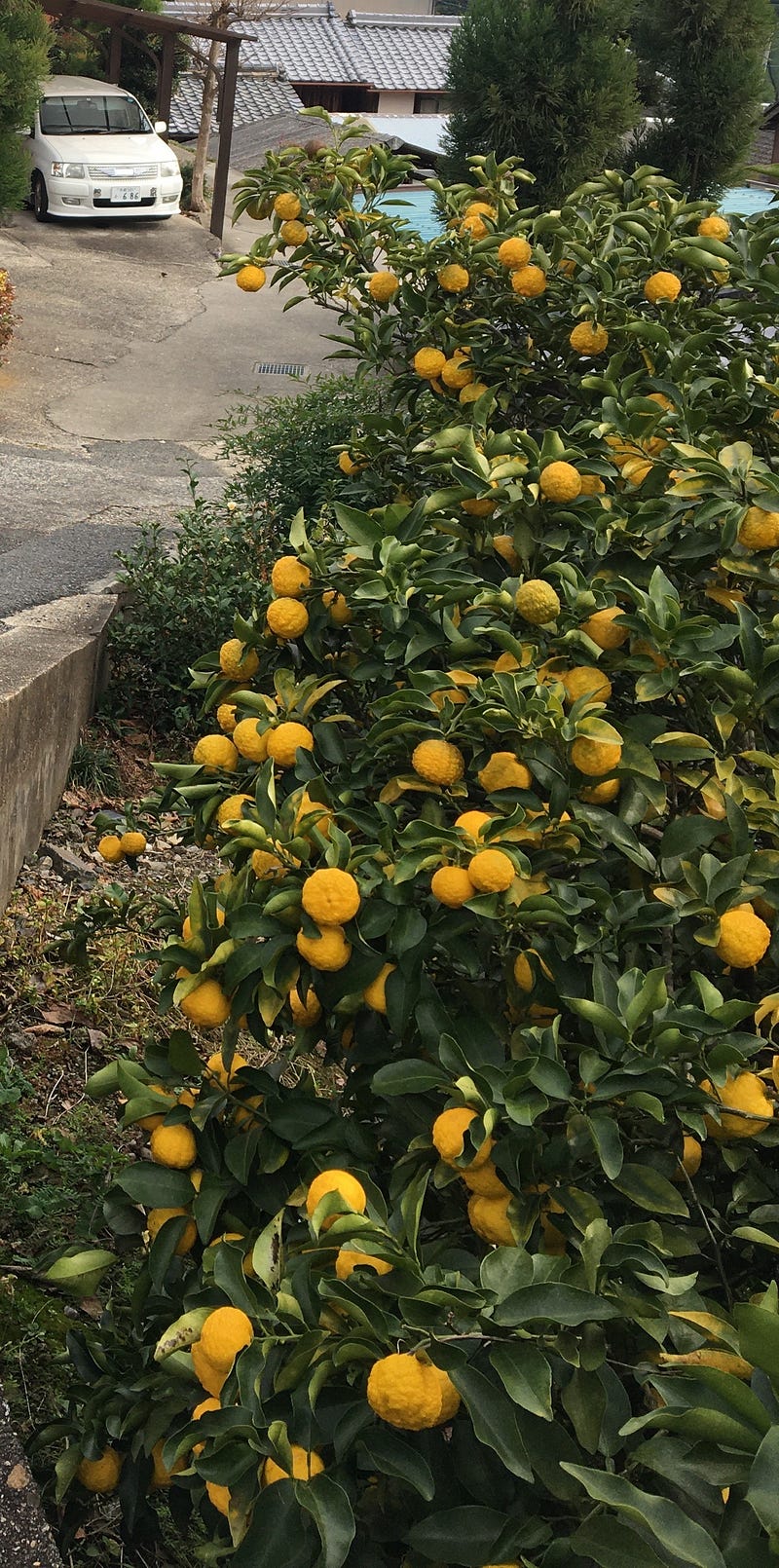
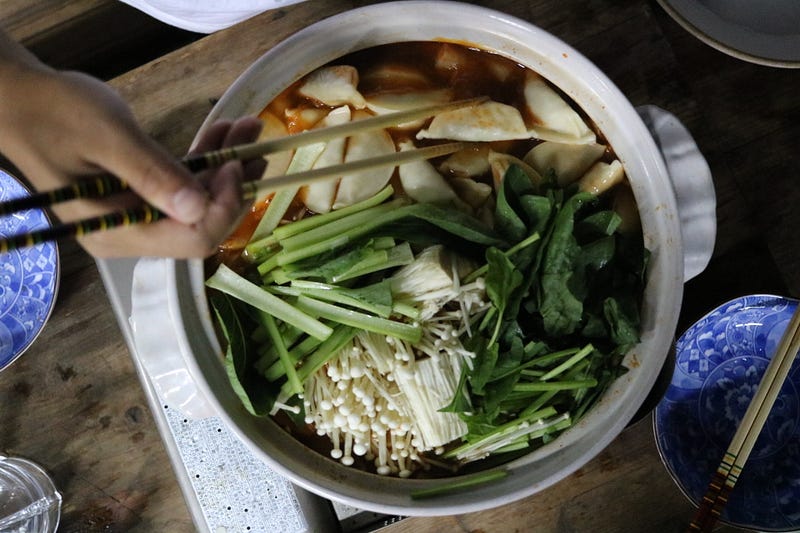
Nights, filled with the comforting embrace of nabe, became a communal ritual that warmed both body and soul.
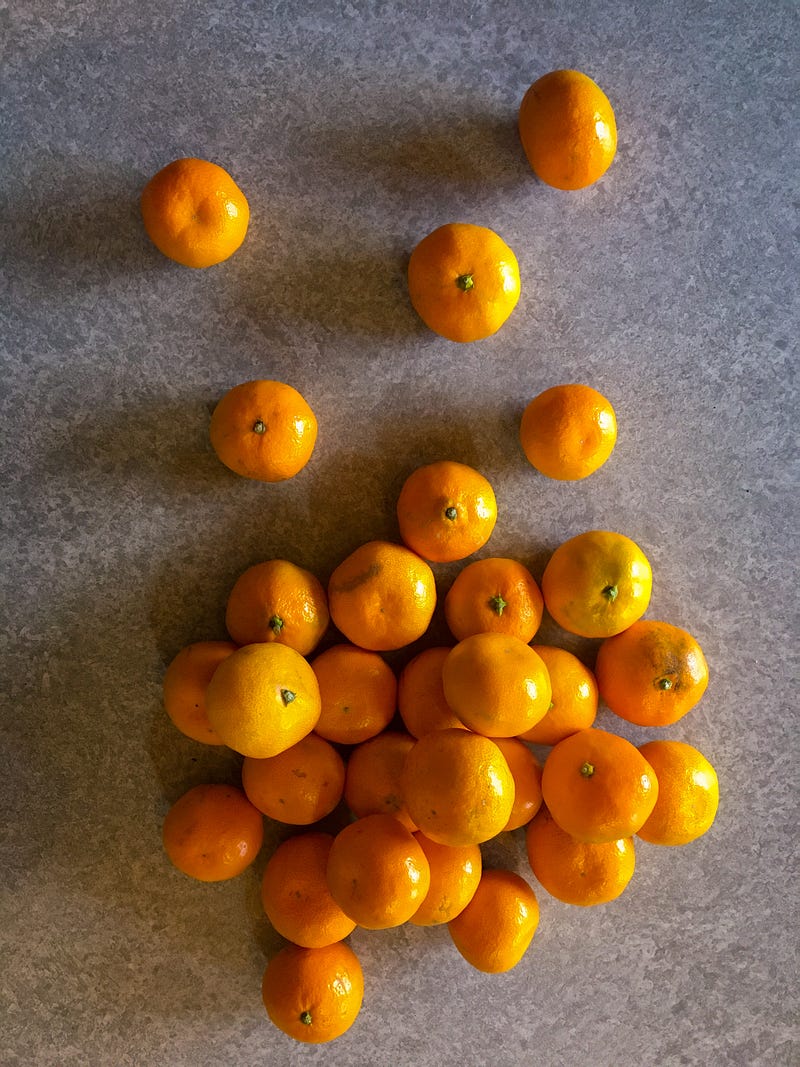
Mikan, plucked fresh in the frosty mornings, became the morning ritual — a burst of citrus sunshine in the palm of your hand, a tangible reminder that even in the coldest times, life bore the promise of a sweet kiss.
Amidst this, the kotatsu became the epicenter of life — a low table with a built-in heater, drawing everyone close, like moths to a flame.
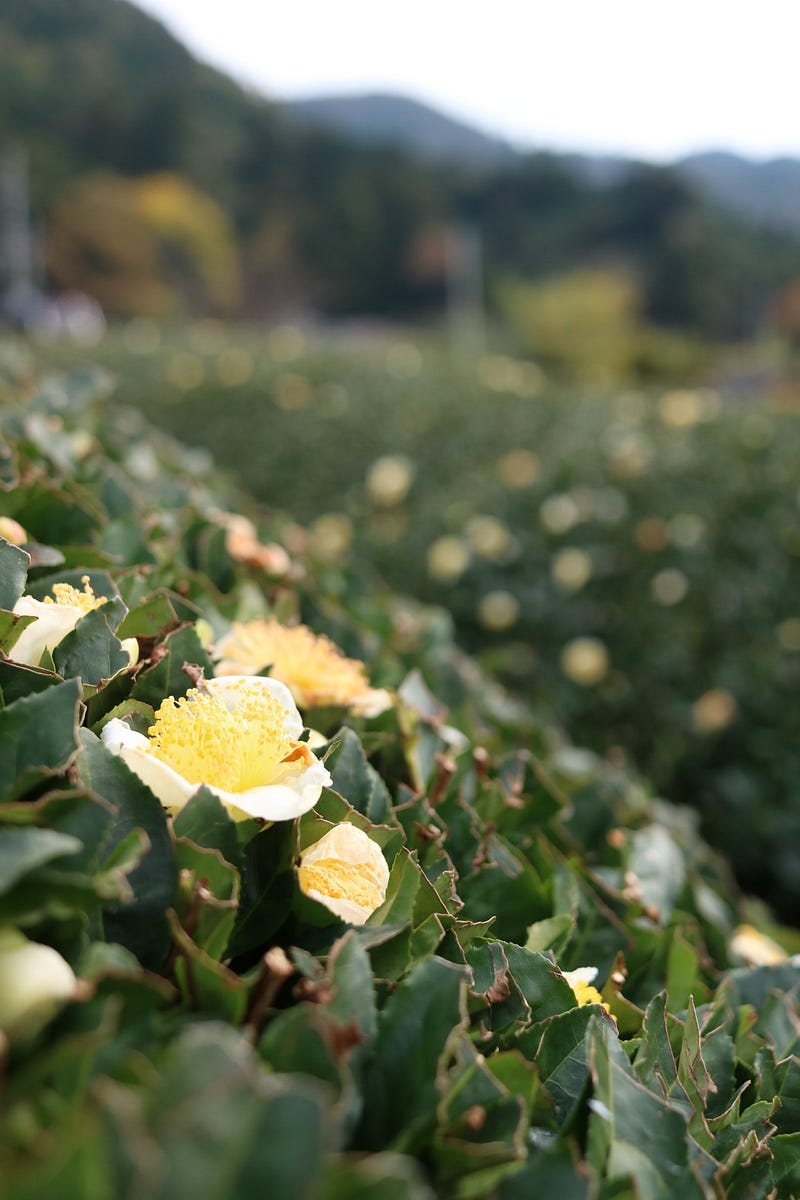
The camellias, resilient in the winter chill, seemed to bloom with a defiance, a subtle rebellion against the cold. Nature, in its silent rebellion, whispered that even in the harshest times, there was a core of warmth waiting to be discovered.
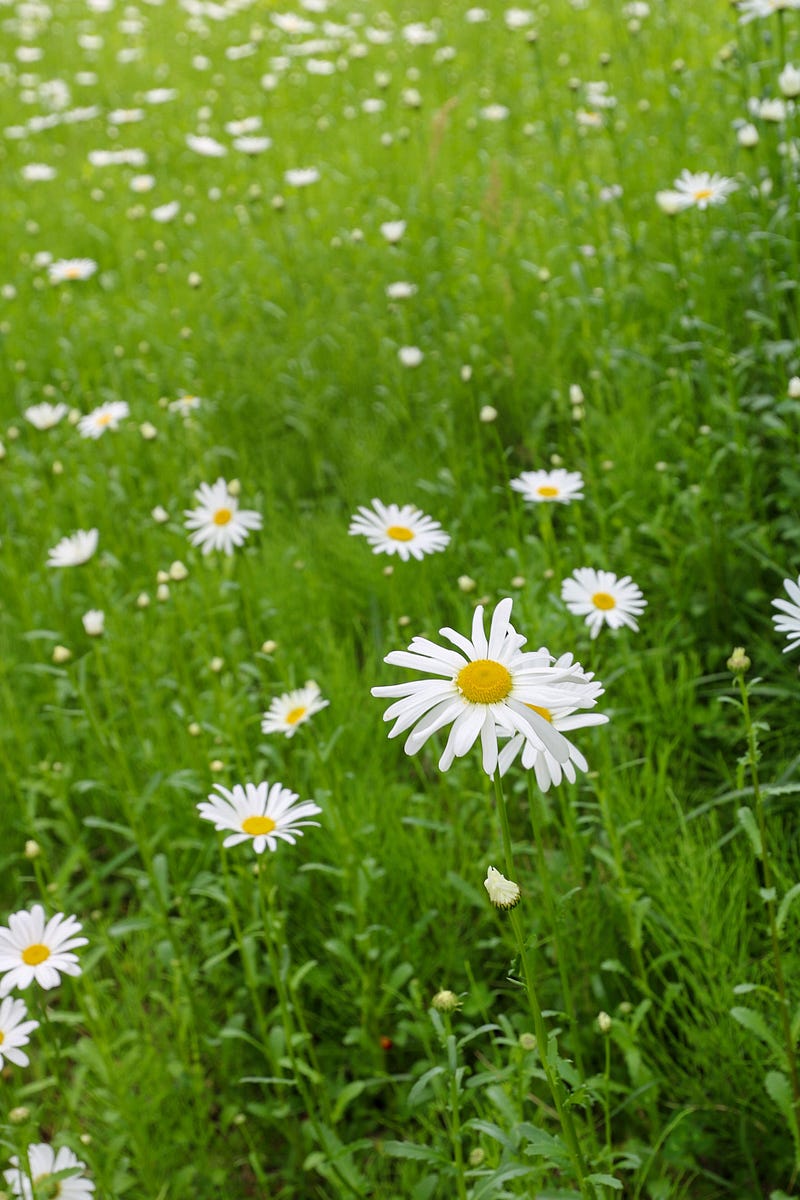
Then, the landscape thawed, and spring unfurled like a riot of colors. Flowers emerged in a chaotic ballet — cherry blossoms pirouetted in the early spring breeze, while irises and daisies joined the floral ensemble. Wisteria draped itself like a living tapestry, a fragrant curtain swaying in the wind.
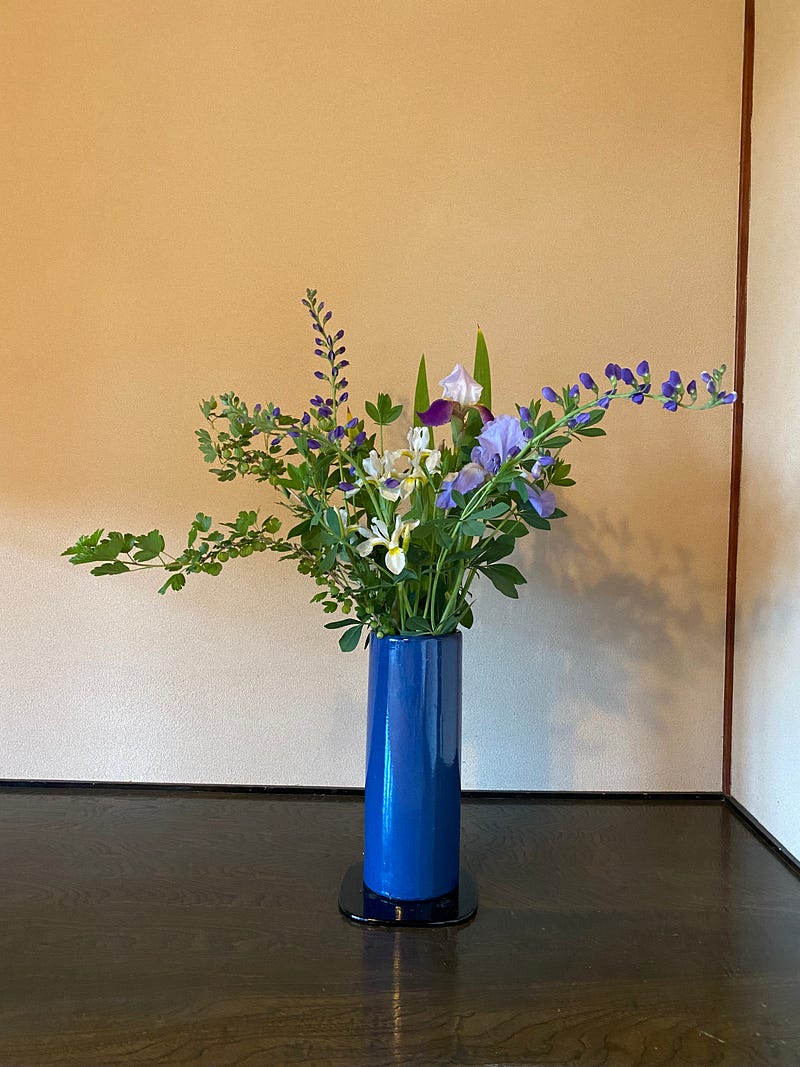
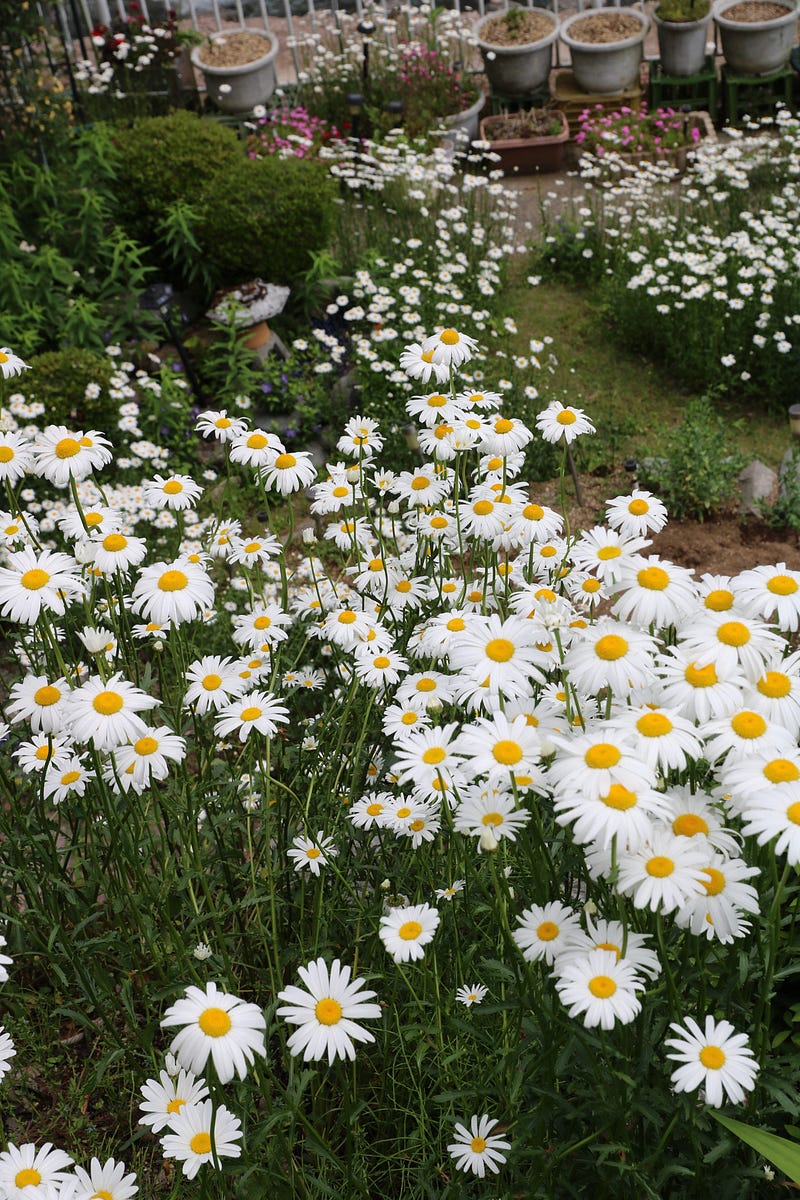
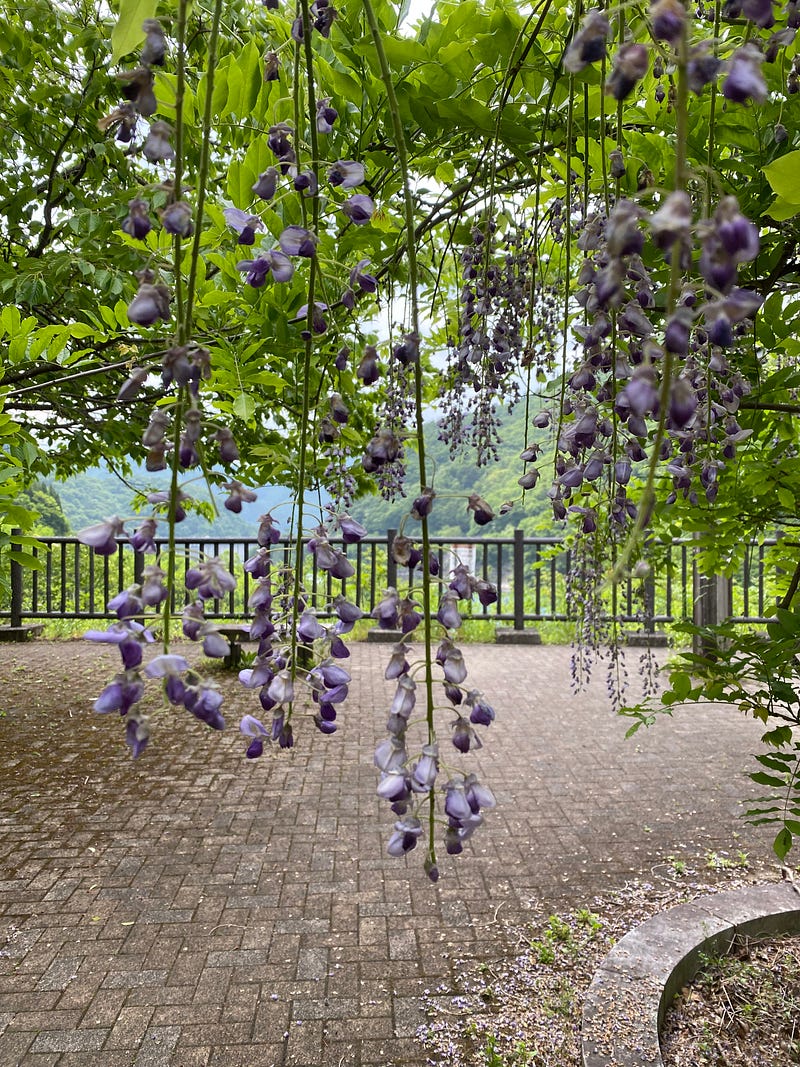
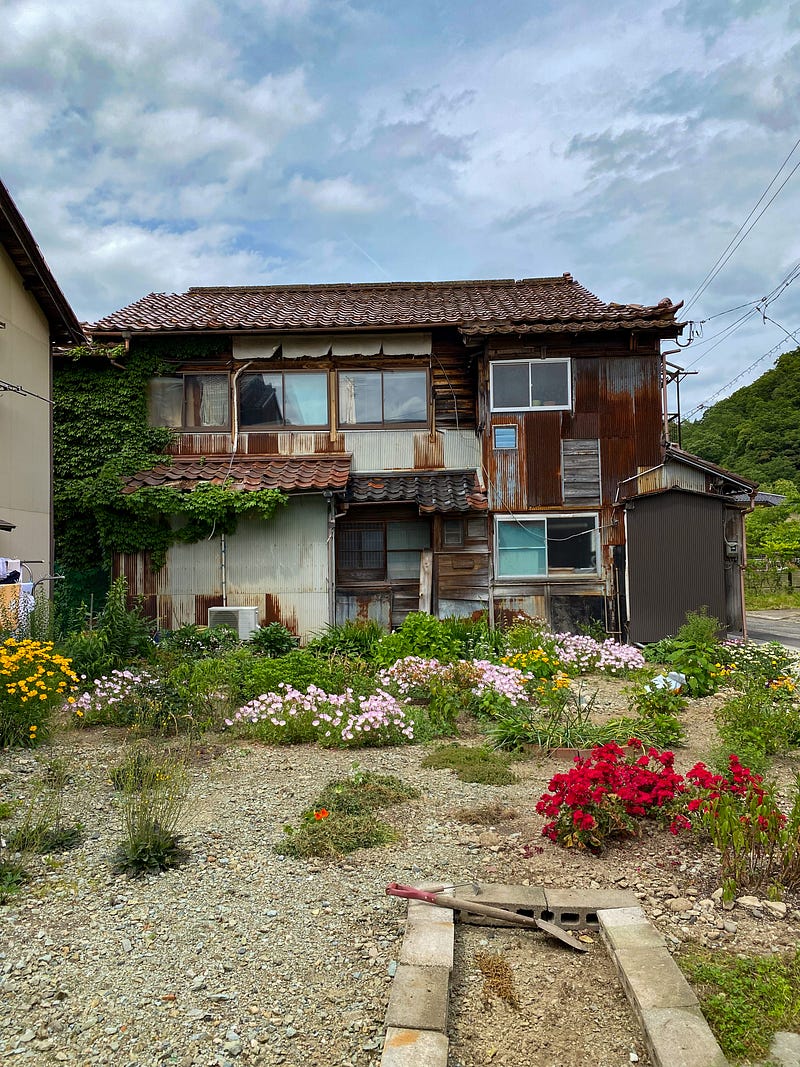
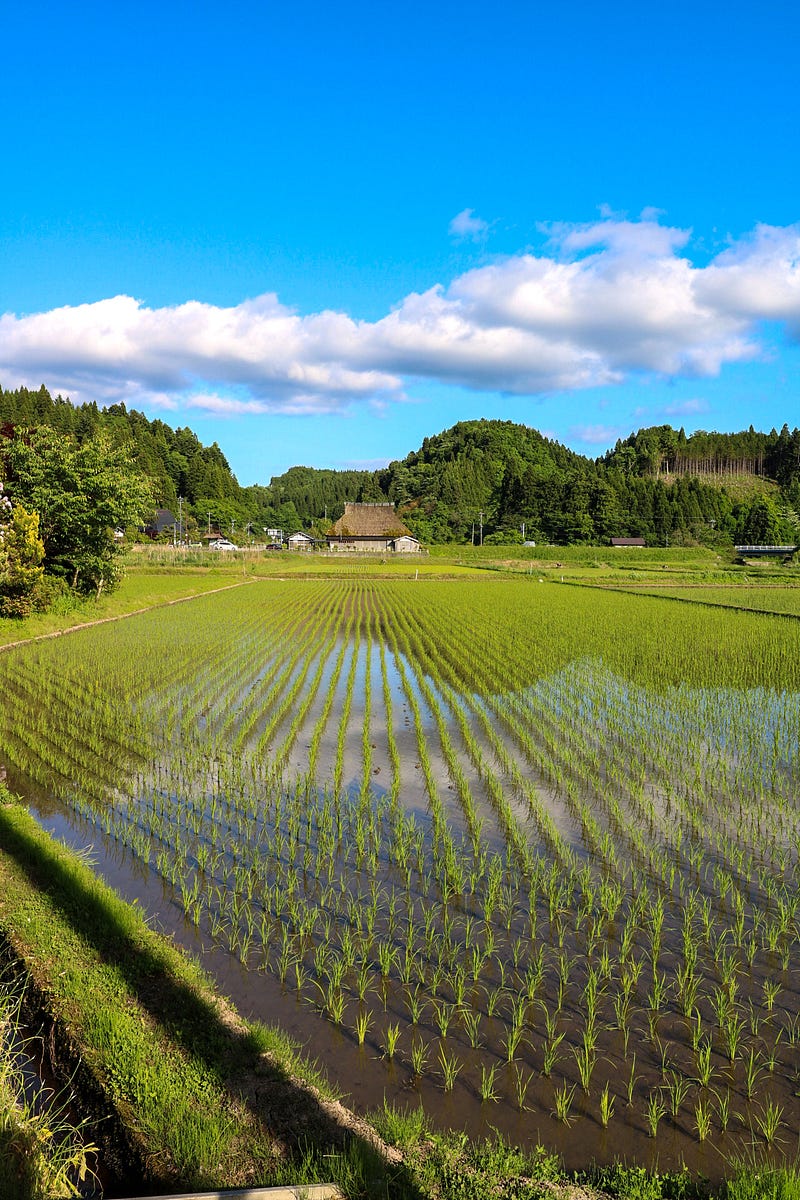
The rice fields, freshly planted, transformed into liquid mirrors, reflecting the heavens above.
It was a metaphorical canvas, a reflection of the eternal cycle of growth and renewal.
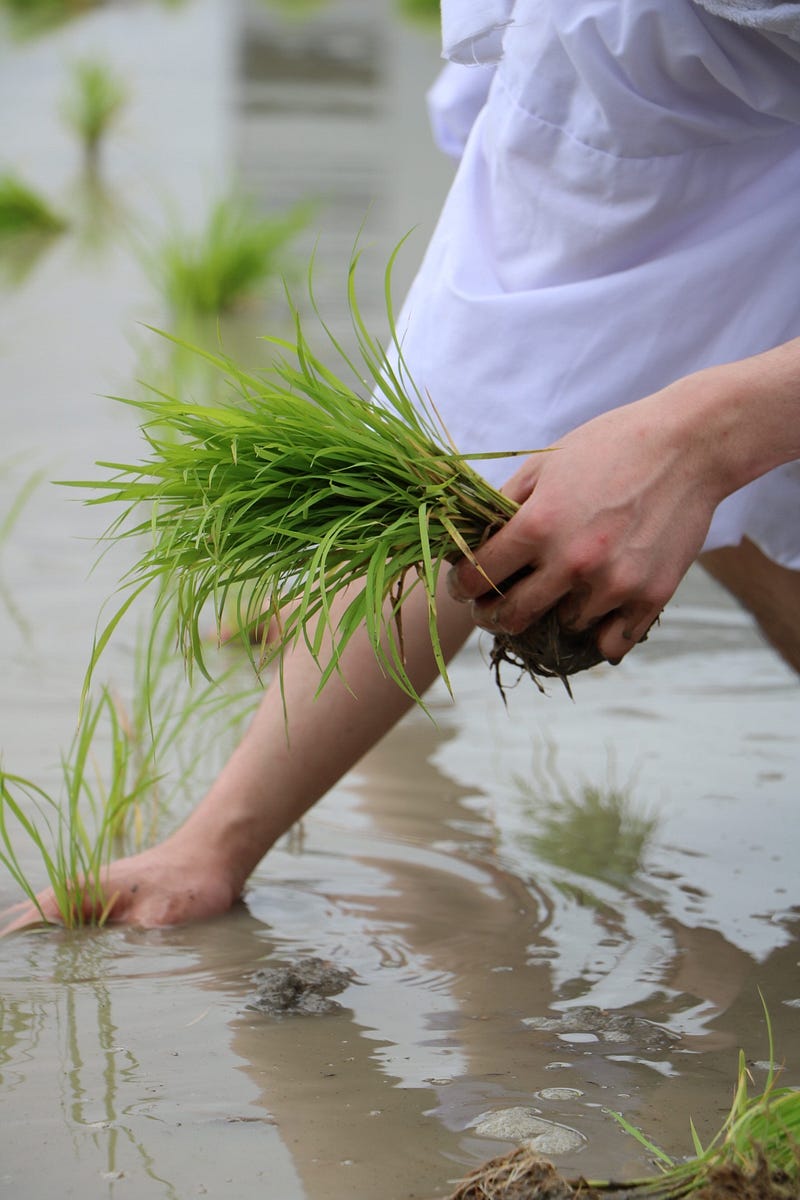
Mountain vegetables, foraged from hidden corners, offered a taste of the wild side.
The air, heavy with the scent of blossoms and wet earth, felt like a gentle tease, inviting everyone to partake in nature’s rejuvenation.
It was a sensory reminder that even in the most hidden corners of existence, life pulsed with vitality.
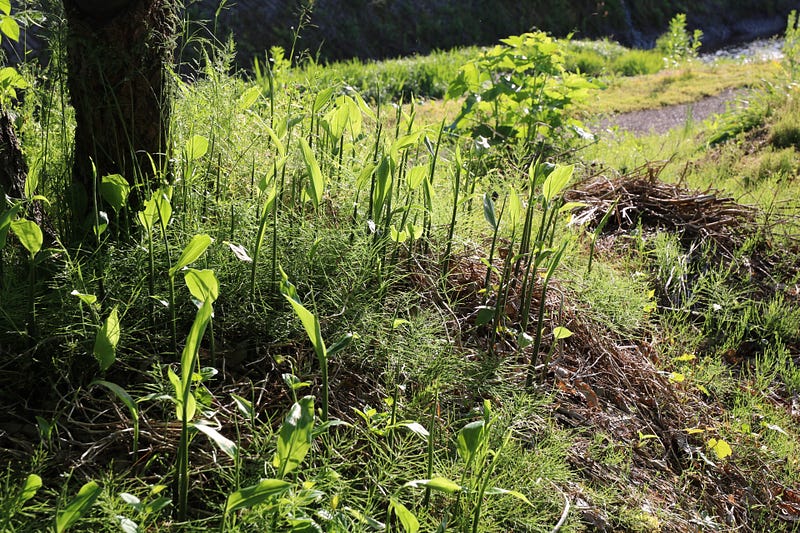
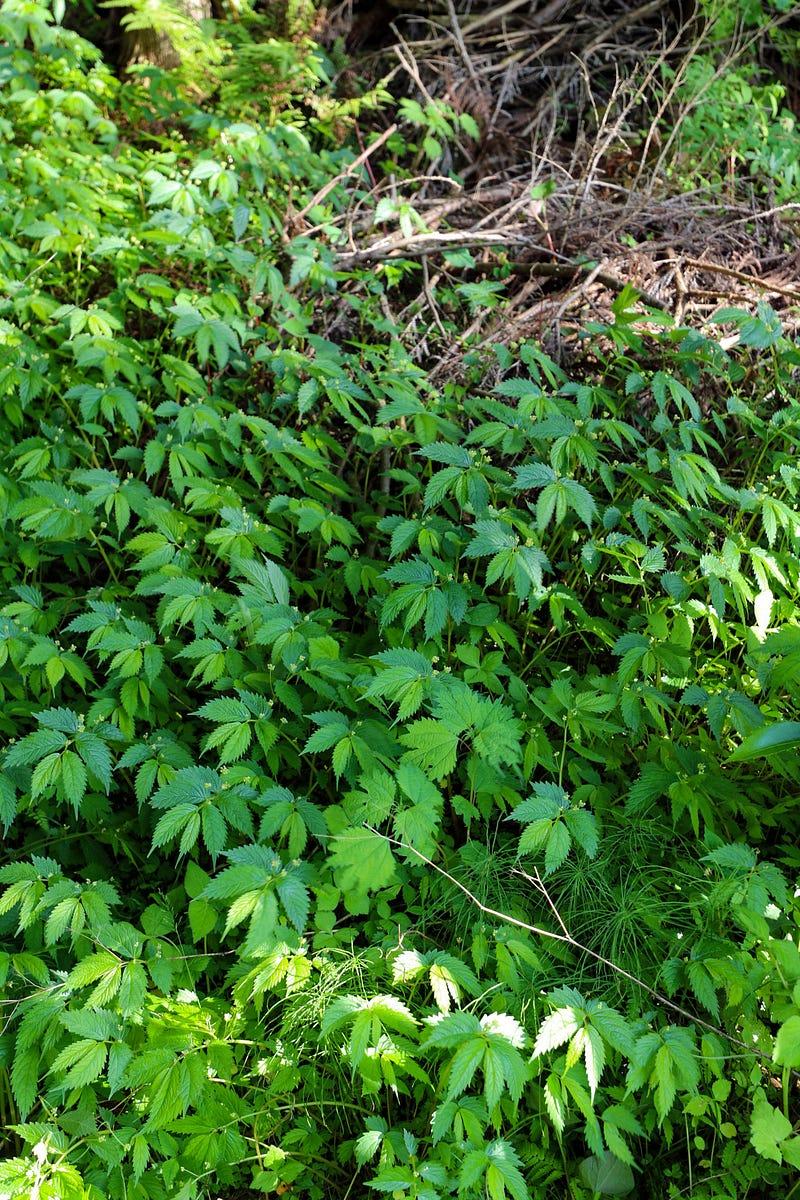
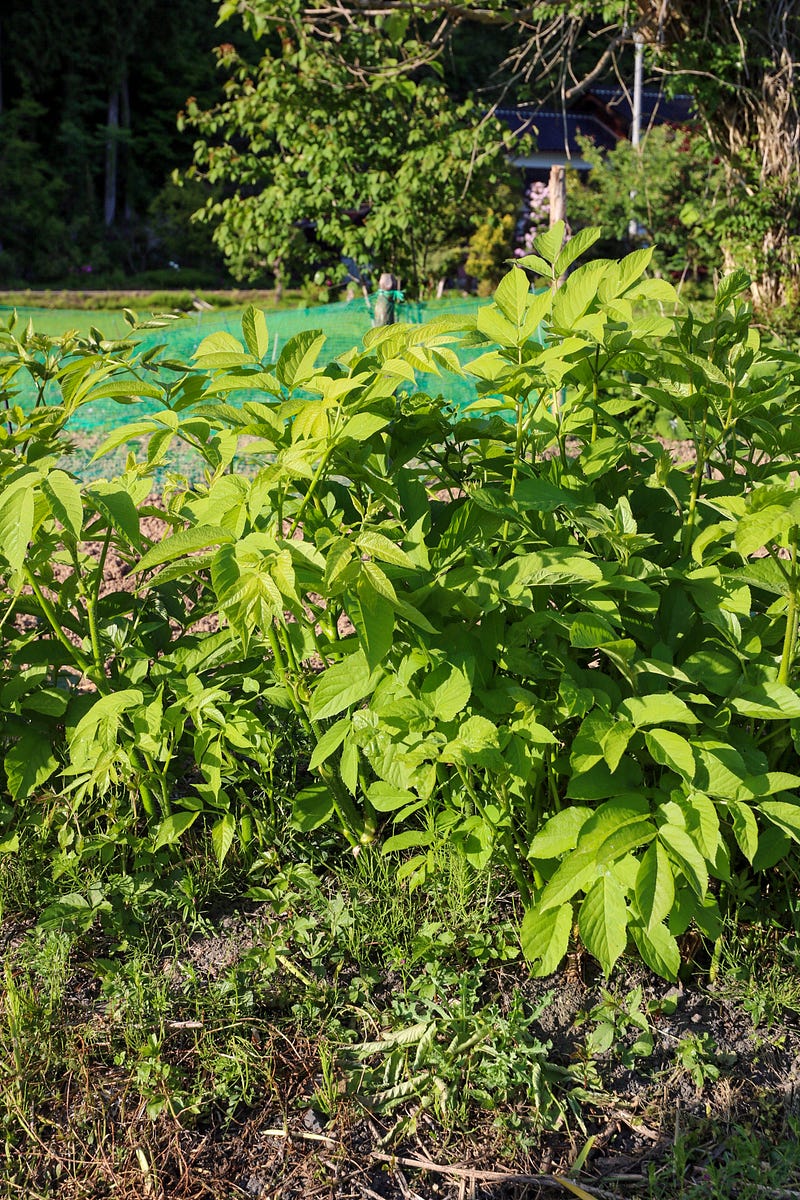
Nature, in its untamed brilliance, became my constant guide, revealing the signs of the times through leaves, flowers, and the gentle whispers of the wind.
As I ventured beyond the familiar tea fields, each step transformed into a passport stamp, marking my passage through a chronicle where the language of the seasons spoke louder than any calendar ever could.
A few reads from this month’s challenge I enjoyed, and you should too!
Adrienne Beaumont’s adventure Lost in Translation on a trip to China.
Brad Yonaka’s encapsulating relationship with Egypt as a sign of the times.


