
Nature Shatters Sky
A Haibun
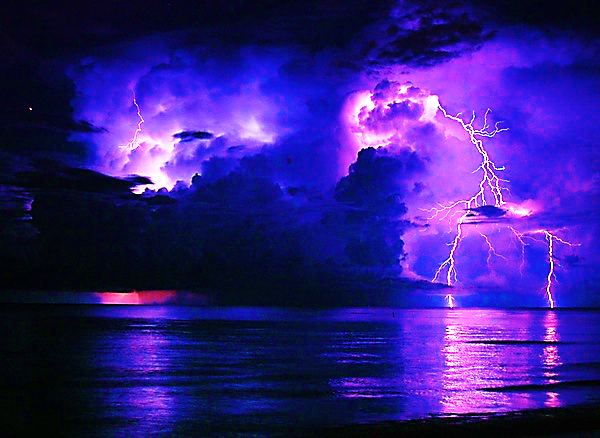
surging in tension sky shattered — captivating eyes ears body breath
thunderbird screams defying window’s thin barrier penetrating vibrating cells of the body kneeling in the bated silence that followed as if the lightning rod ego was struck mute to awaken the sky within
Thalia Dunn introduced me to the Haibun. The following is her description (follow the link through her name). Haibun, a Japanese style of poetry originating from the 17th century, is a combination of short prose or prose poem (between 20 and 150 words) and includes a haiku. Similar to haiku, a haibun focuses on a detail of a single event in the present moment. Unlike haiku, which usually focuses on the natural world, haibun poetry is open to any topic. In a haibun, the haiku can precede or follow the prose and is related to the theme, but is used as the climax or subtle introduction of the poem. The prose and haiku need to complement or balance each other so there is no need for interpretation.
The intensity of a lightning storm is felt in our whole being. Our eyes capture the beauty in the bolt display that brings light in the darkest of stormy skies. The thunderous roar that follows, however, can trigger our limbic system’s response for safety. Our body and our very breath are held both in awe and in fear. For that moment there is no contradiction.
The raw power we witness is both majestic and frightening. We feel our insignificance in such a display but can also ride the surge and connect with another reality. Nothing in the universe is alien to us. We are the lightning, we are the shattered sky and the blasted Earth, and we are the observer marveling at the immensity of it all. We can hold, for a lightening moment, all of these experiences in one being — our being. And then it is gone in a flash.
If you like this haiku please check out some of my other work:
Traditional Haiku format:
Western Haiku: