
Namibia Sending 170 Wild Elephants to Auction
Elephants are at risk of extinction due to poaching and ecological factors
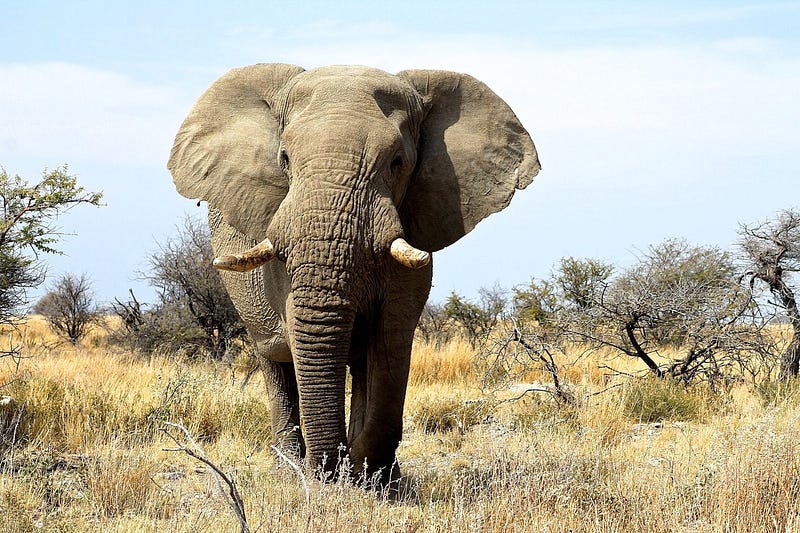
The southern African country of Namibia is planning to auction up to 170 wild elephants. An increase in elephant population and drought are the main reasons the government is putting the animals up for sale.
Namibia’s environmental ministry has established strict sales guidelines. Bidders must meet strict criteria to participate. Requirements include verifying that elephants won in the auction will be protected by game-proof fencing once they relocate. Stringent quarantine measures are also in place. The bidding is open to anyone in the country or abroad who can meet the standards.
Experts fear the elephants are at risk for extinction. Factors such as drought are a threat to the animals’ well-being.
Poachers place a high value on elephant tusks. Harvesting the large mammals for their ivory tusks is illegal.
Elephants, to their detriment, are increasingly involved in conflicts with humans. Tusks slip out of the country and land in China and other southeast Asian countries. Ivory is a prized material in jewelry making.
To export the auctioned elephants out of Namibia, buyers must prove they have permission to move the animals to their countries. Conservation authorities will review every transaction to ensure compliance with the rules.
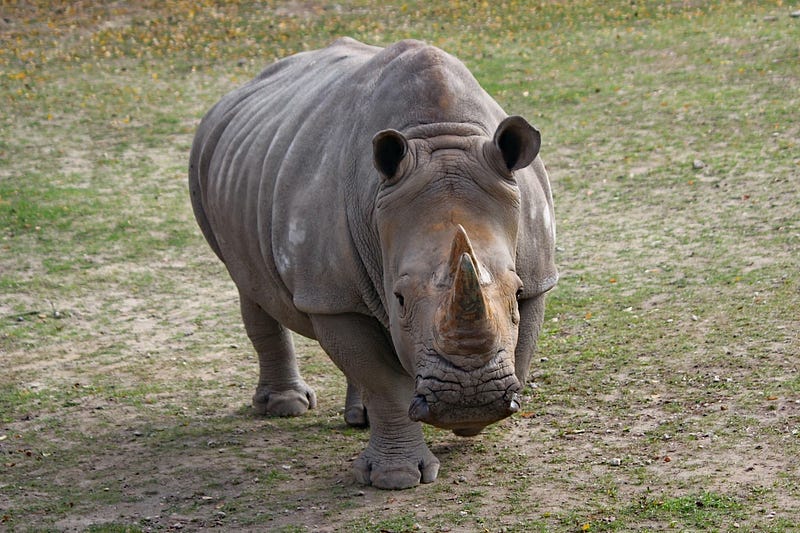
Namibia and other African nations have seen Elephant and White Rhino populations triple in the last 15 years. Growth puts pressure on their living spaces. As the population increases, countries are considering other solutions such as allowing more trophy hunting exports. Both activities could raise precious funds needed to protect the species.
Around the world, permitted hunting allows for both fund-raising and animal population control. A good example is deer hunting in the United States. Conservation and recreation work together to better control populations. The money generated from tag sales fuels conservation programs.
Namibia even looked into removing themselves from CITES. With no relief from restrictions on hunting white rhinos, Namibia considered ignoring rules that govern the trade of high-value, endangered species. CITES, the Convention on International Trade in Endangered Species, is a stout organization and their rulings cover more than just endangered species. CITES rules, for instance, limit harvesting and movement of Brazilian rosewood, prized by instrument makers and players alike.
Auctioning wildlife is not new. This year, the country has already auctioned more than 1,000 animals. Namibia is experiencing drought conditions not seen in a century.
*** *** ***
Come Along With Me! Subscribe — Join Medium
*** *** ***
Douglas Pilarski is an award-winning writer & journalist based on the west coast. He writes about luxury goods, exotic cars, horology, tech, food, lifestyle, and workplace issues!
You’re welcome to share your thoughts or tell me your story. Email me here. [email protected]
Copyright © 2021 AstonBell Media
All rights reserved.


