
My Pain Is Your Pleasure
How Racial Medical Bias Impacts Me
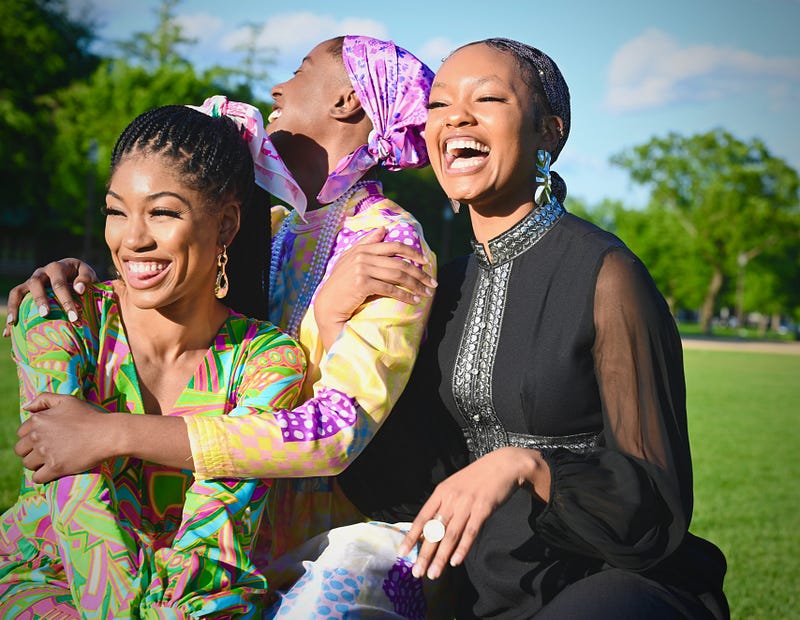
For years I’ve always wanted to know what I’m passionate about and what gets me emotional. After experiencing, reading, and witnessing, I had to talk about medical racial bias. I’ve written two articles on this topic, so please feel free to read more about black women’s experiences. I decided to answer the same questions I’m asking women to respond to telling my own experience. I wouldn’t feel right telling other women’s stories without revealing my own. When I was ten years old, I was diagnosed with scoliosis; at twelve, I had surgery which included rods and hooks being placed along my spine to “straighten it out.” Before having any major surgeries, my spine was at a 30–35-degree angle.
Going through puberty and my spine curving isn’t the best scenario for any teenage girl. My parents decided that surgery would be best. After having surgery, I never had physical therapy. As I grew, I would have pain along my legs and lower back.
Now on with the questions
Age: 35 Location: California How old were you, or when did you experience pain? 19–20 How long did it take you to make an appointment with your primary care doctor? During that time, I had a new job, and with that new job, I had medical insurance, so I wanted to go and have a physical exam. As a new patient, I had to wait three months. Can you describe how your first doctor’s visit? What gender was your physician? The first appointment was going well until I mentioned my back pain. I’ve always wanted a woman doctor. My primary doctors have been women. Were they Caucasian? Most of them were Caucasian, and I had one doctor from India. Did they encourage any tests? No requests for an MRI or X-ray. Did they provide you with any pain medications? No. They would examine my back and say that this was a muscular-skeletal issue, and all I needed was Tylenol. How did you feel leaving your first visit? Were you satisfied? Did the doctor answer all your questions? I always feel defeated leaving the doctor’s office. Hearing comments like “You’re young to take narcotics,” although I never asked for any narcotics, and “I’m not prescribing you any pain medication if that’s what you think.” That quote by a middle-aged white man in an orthopedic office.
I’m never satisfied leaving the doctors because I can’t get my copay refunded for such terrible service. I felt like my appointments were rushed, and they didn’t listen. I hate when they want to “rate our pain.” The ranking doesn’t dictate the level of care their willing to give. Everything is the same; for instance, if I rate my pain an eight, you think, as a patient, I should get a level eight standard of care.
I challenge women to ask why we should rate our pain? We’re hurting. Ask them why it’s necessary? Ask them if your answer dictates the level of care their willing to give? As someone who has blood pressure issues, I request that the doctors check my blood pressure before and after the visit. Because the anxiety, stress, and anger I feel before the appointment even starts is exhausting within itself. How long did you remain in pain after your initial visit with your doctor? After hundreds of appointments and an MRI later, it’s discovered that I have a pinched nerve, mild arthritis, and a deteriorating disk. Here I have the proof to back up what I’m saying, and I still don’t get any standard of care. How do you feel currently? Angry, so many doctors skipped over me for years, and now the situation is worse, and I’m still not getting the help I deserve. Do you think the medical providers who reviewed your diagnosis improved your quality of life or worsened it? They pissed on my “quality of life”; they didn’t care if I lived, died, or suffered. I hate the doctor’s office. I’m no longer optimistic about going in there and at least having a plan to get better. If you can tell other black women who may be going through the same experience, what would you tell them? Make sure you have the doctor document everything if they are unwilling to give you the care you heard them give some middle-aged white woman pills. Patients are allowed to read doctor’s notes with services like MyChart.
You have the right to read and message your doctor on discrepancies and make them explain why they said what they said during that visit. If you’re not happy with the doctor, you have to move on to the next doctor who will. Treat doctors how you would any restaurant or any other business you give your money to; if you aren’t receiving good quality service, then leave.
I also want to set the record straight about it just being about pills. It’s never just about medications; it’s about being in excoriating pain and still must explain, describe, and write a thesis statement describing our pain. It’s about being human and being treated as such.
I’ve heard a doctor say to a patient that they will prescribe a million and one meds to get them through day-to-day tasks, and that same doctor can come into my room, and the vibe is different. They give, “well, there isn’t much we can do.” I’m staring at the doctor with a “you’ve got to be f*ckin kidding me.”
If you are a black woman who has experienced racial medical bias and would like to share your story, please share in comments or reach out to me privately.