
Hear My Cries
Voices heard on deaf ears

I’m in pain
Most black women in America say those three words. Any average person would say, “go to the doctor” what if I told you that women of color go to the doctor and don’t receive the proper care they deserve? What if I told you that black women leave the doctor’s office with no plan of action, no further testing, and no medication to “ease” the pain? What if I told you that many black women leave the doctor’s office defeated and empty-handed?
Those examples are my own and other black women across America. The problem is medical racial bias, yes, it’s a thing, and yes, unfortunately, this is still a thing in the 21st century. I wrote a dissertation about my thoughts and history of medical racial basis; if you would like to enlighten yourself, you can read that article here. The objective of this article isn’t to repeat myself. I’ve written on this topic, and you, the reader, can spend a few minutes typing medical racial bias in your search engine.
As a black woman, I refuse to go above and beyond to explain our history and to stand on a crat with a bullhorn getting the crowd “fired up” to make the necessary changes. If you are concerned with our history, if you want to know how to use your white privilege to combat racism in America, then YOU, yes, you must do the work. I will not hold your hand and guide you on doing good. That’s up to you. My job as a black woman is to live my life the best way I know-how. If I make you uncomfortable or uneasy, I won’t say sorry I will say, “that’s your problem.”
Many of my readers admire my authenticity and what you see is what you get. I’m not a gardener, so I won’t be beating around any bushes, and my equilibrium is off, but I would walk straight. I will not candy coat our struggle. Since I’m an artist, I will paint the picture and leave it to you to interpret what I painted.
With this article, I needed some help. I can quickly write my story, but I wanted to take a different approach and speak up for those who can’t find the words to speak truth to power. I’ve joined Facebook groups, and in one of those groups, I created a post about pain and my experiences with the doctors. I was lucky to reach out to four women, with two responding in a timely fashion. Some names you may know and others you may not know, but that doesn’t take away the pain they endure daily. I will break these stories into two.

Name: ASP Age: N/A Location: Georgia
How old were you, or when did you experience pain? I’ve experienced pain for as long as I can remember beginning from childhood. I grew up in the Caribbean, and the healthcare system is different from the US. My journey leading to the diagnosis of my rare disease was when I first noticed the differences. I began having symptoms in 2019.
How long did it take you to make an appointment with your primary care doctor?
Thankfully, my primary care office is a group practice that offers same-day appointments. As a result, I was seen the same day by a nurse practitioner as my primary care physician was unavailable.
Can you describe how your first doctor’s visit? Is your physician male or female?
I had a great experience with a female nurse practitioner. Once I was referred to different specialists’ things changed. All my specialists are male except for my dermatologist and primary care physician.
Most of my first appointments went well, but some felt rushed. I had had instances where the physician answered the phone in the middle of a conversation or interrupted me when I was trying to give a history of my symptoms, moving on to a different question.
What was the race/ethnicity of the doctor? Many specialists are part of my care team. My primary care physician and dermatologist are African American, but everyone else is Caucasian, Asian, or Indian.
Did they provide you with any pain medications? Since my diagnosis in 2019, I will say that the only person outside of ER doctors that have offered me pain medication is my primary care physician. I often discuss the severity of my pain with my other physicians. I’m often prescribed biologic medications that take months before I experience any benefit. In the meantime, I continue to suffer.
They often say to take Tylenol. Taking Tylenol is like taking candy to someone who suffers from multiple chronic pain conditions.
It makes me sad that none of my physicians (outside of my primary care) help me deal with the acute nature of my pain. Because my disease is very complex, I see the specialist more often than I see my primary care, and one would hope that they wouldn’t want their patients suffering for months.
How did you feel leaving your first visit? Were you satisfied? Did the doctor answer all of your questions?
After my experience with my first specialist, where I learned that a specific test was not done, I made it my duty to become more knowledgeable and prepare for my other appointments. I came in with questions. Not all my questions were answered, but I asked enough to let them know that I would be playing a significant role in my care. Unfortunately, we must advocate for ourselves.
If there was a test, I wanted to be done that fit within the scope of my issues, I asked for it. If denied, I wanted an explanation, and have them all my document my requests.
I have had experiences where some doctors have been rude. For instance, my neurologist was Asian. One of my diseases was affecting my ability to walk. The drugs to treat it include steroids. Steroids cause weight gain. He told me that I would be gaining weight during my appointment, which would not help my current condition.
He focused on me gaining weight rather than the drug’s benefits and why I was on them. There was nothing I could do about the weight gain. Why would you even say such a thing to a patient? He was insensitive and dismissive during the appointment. I left the practice.
How long did you remain in pain after your initial visit with your doctor?
With some doctors, it can be weeks and other days it depends on how quickly the medication they gave me works. It rarely is pain medication. Currently, I call the office often to the point where some may find it annoying. I am the one who is suffering, and I refuse to suffer anymore. I need help, and if they don’t listen, I’ll find someone who will.
How do you feel currently?
Currently, I’m frustrated. What causes the most frustration is that doctors don’t listen to you. I know that I am not a trained physician, but as a patient, I know my body and tell when something is wrong. They also don’t believe you when you tell them you are in 10/10 pain.
I have high pain tolerance, and we all know that pain is subjective. The lack of tears, facial grimacing, or frowns does not indicate the severity of my pain. If I inform you of my degree of discomfort, you should take my word for it.
Do you think the medical providers who reviewed your diagnosis improved your quality of life or worsened it?
One of my diseases causes inflammation in the joints. There were periods when they added to it and periods when they made it worse. For instance, I was experiencing pain in my foot recently. This time, however, the nature of the pain was different. I called two specialists in my care team, and they both pointed the finger at each.
It would help if you went to see him and the other would tell me the same. I was very frustrated and in pain. I told them repeatedly that I felt something else was going on. None of them offered me an appointment. They told me to keep using the medications I was on and sent me well wishes.
I saw a different provider a few days later who was concerned. She sent me for an ultrasound, and they found a blood clot in my leg. What if I had died? That’s the thought that ran through my mind. I am happy that I found someone who listened.
If you can tell other black women who may be going through the same experience, what would you tell them?
Keep advocating for yourself. Speak up, and don’t be afraid to find someone that listens to you. You are not alone, and you shouldn’t have to suffer.
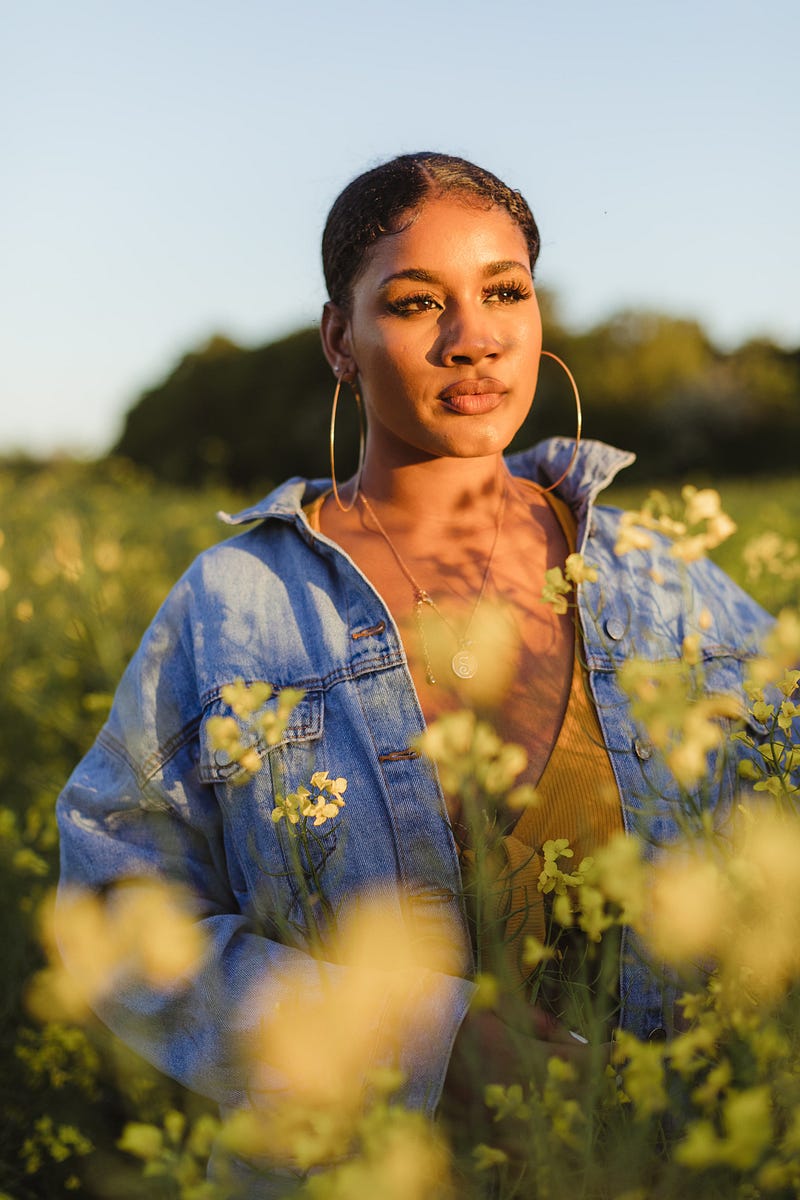
Name: Brandi Age: 37 Location: Kentucky
How old were you, or when did you experience pain?
I was 21
How long did it take you to make an appointment with your primary care doctor?
Eleven weeks! I had to move back home to my mother’s house in northwest Ohio to get an appointment sooner than 3 or 4 months out.
Can you describe how your first doctor’s visit?
When I first went in there, I took the pregnancy test, then had a pelvic exam and samples taken to run the test. The doctor then proceeded to tell me that he had delivered me (which was weird).
Is your physician male or female?
My doctor was male.
We discussed my test results and proceeded with the appointment as if I was there because I wanted to be pregnant.
I asked questions about the options available to me if I didn’t want to be a parent, and nothing was ever provided as far as any alternative options.
I also asked about getting my tubes tied as I knew I didn’t want any more kids but was told that that wasn’t an option because I was single and under thirty.
What was the race/ethnicity of the doctor?
Two white male doctors and one black male doctor.
Did they encourage any tests?
Yes, he encouraged genetic testing due to a family history of miscarriages.
Did they provide you with any pain medications?
No, not even when my milk ducts clogged.
How did you feel leaving your first visit? Where have you been satisfied? Did the doctor answer all of your questions?
I was angry, enraged! He not only did not answer all my questions, but he was also very dismissive of my wanting to discuss options like abortion or adoption with me.
How long did you remain in pain after your initial visit with your doctor?
My entire pregnancy.
How do you feel currently?
Perfectly fine and in excellent health.
Do you think the medical providers who reviewed your diagnosis improved your quality of life or worsened it?
They would’ve made it worse.
If I hadn’t done my research and taken steps based on that research to manage my pain with different techniques that didn’t require medication that I still use to this day.
If you can tell other black women who may be going through the same experience, what would you tell them?
Always research on your own, and always get more than one opinion. Eat healthy, exercise when tolerable, and always remember you’re worth the fight for your health; keep pushing. If you don’t like the answers you’re getting, keep looking for a doctor who can.
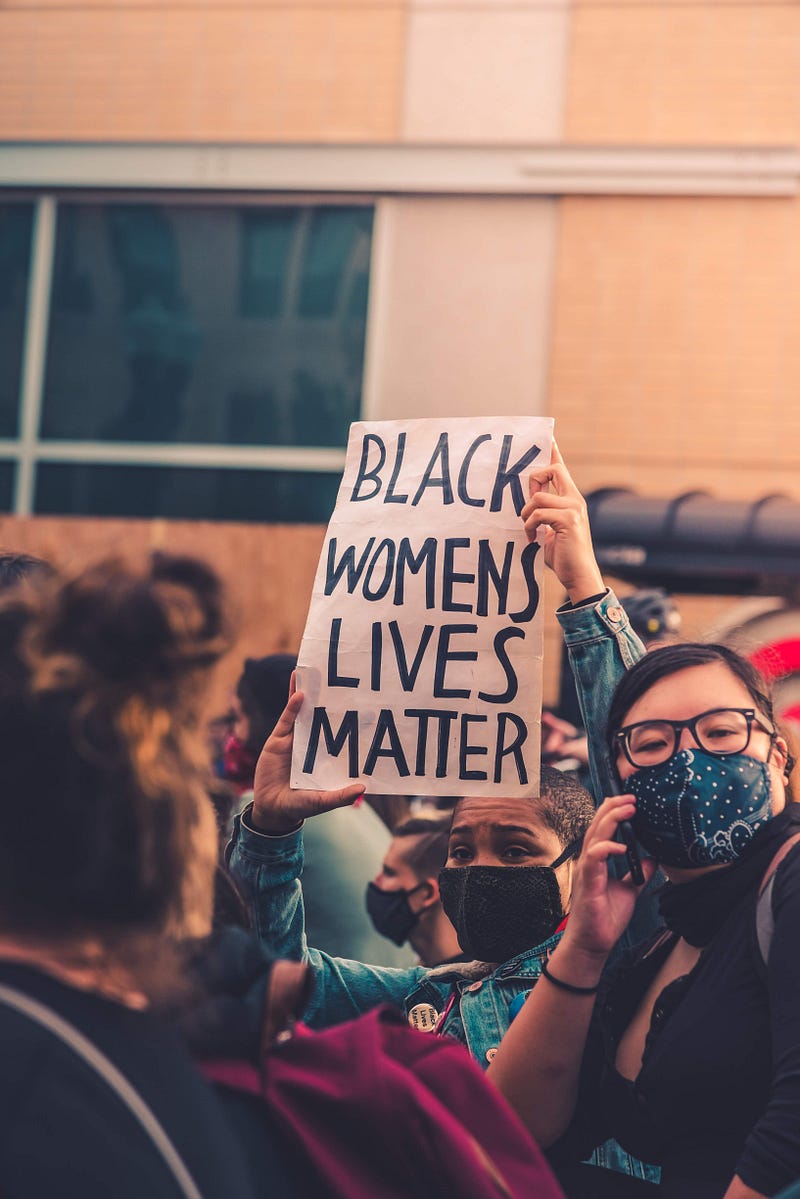
I wanted to give a special thank you to these two queens for allowing me to share their stories. Keep fighting. Your voices are crucial during these painful times. Pun intended.
Stay tuned for more stories from phenomenal women.