
My Own Photography vs. Midjourney v4’s AI Art
…and why it’s not “stealing” my originals
Artificial intelligence (AI) has disrupted the art world, causing some artists to panic about being replaced by a machine. So I thought I’d experiment using my own photography to show how AI and artists can work hand-in-hand instead of against one another.
In each of the following samples, I took the original photo. So, my work is being used as the reference for Midjourney’s generations, not another artist. Midjourney takes my image (and simple prompt) and generates something original using a random seed number (the starting point.) Do I own this new artificially generated version? No. But as you will see, you can use AI to re-imagine your own works, which you can use and sell freely.
Here are some of my own samples fed into Midjourney v4. The titles are the exact text prompts I entered alongside the original images.
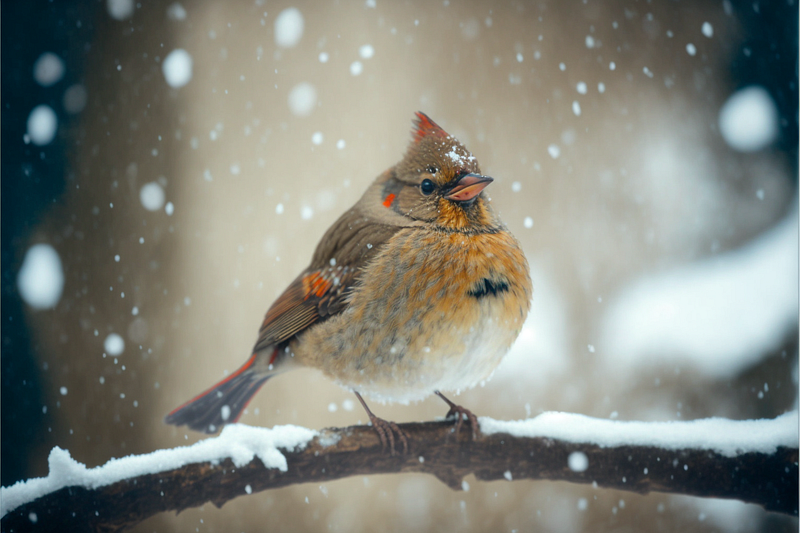
‘Bird in snow’
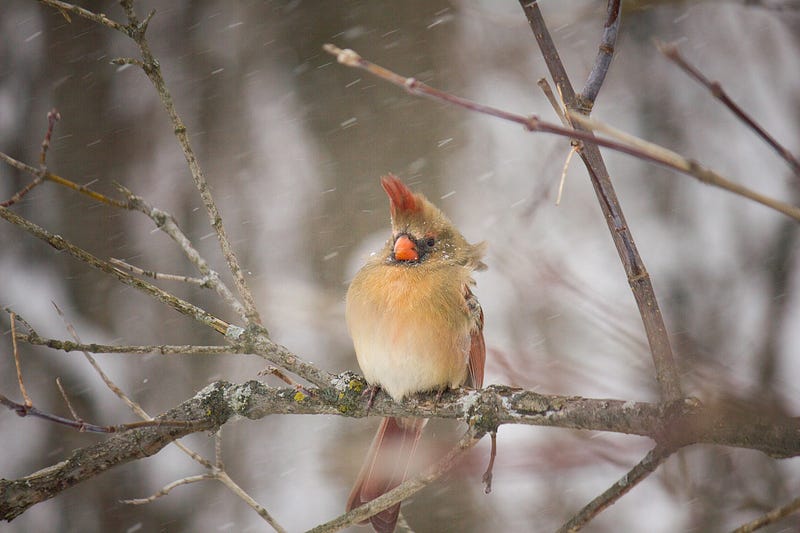
I trudged out into the woods one winter to get this shot. My hands were so cold I could barely hold my camera steady (so I had to increase the shutter speed, which caused some image noise.)
While many brilliant red male cardinals looked great against the white snow, I liked this capture of a female cardinal weathering the snowstorm.
The AI version was produced from the comfort of my warm office. I like how Midjourney included a shallow depth of field to put more emphasis on the bird’s face. Oh, and it also cleaned up the noise.
‘Woman with hat and purse’
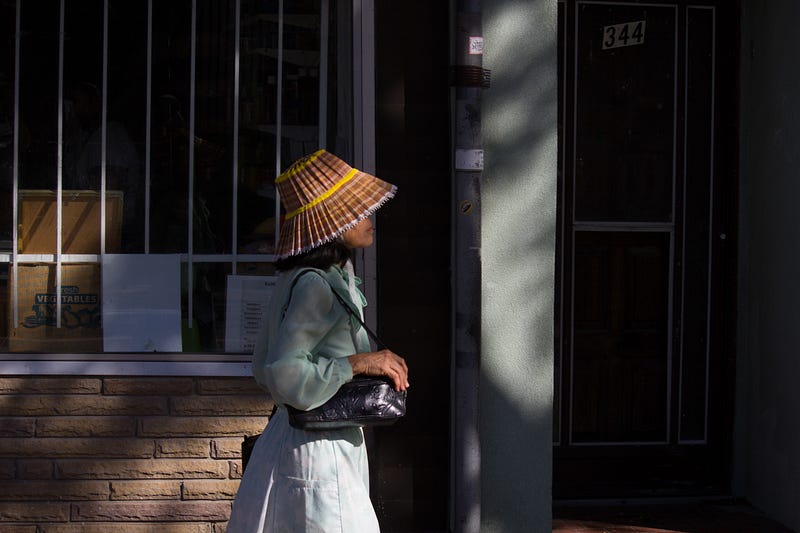
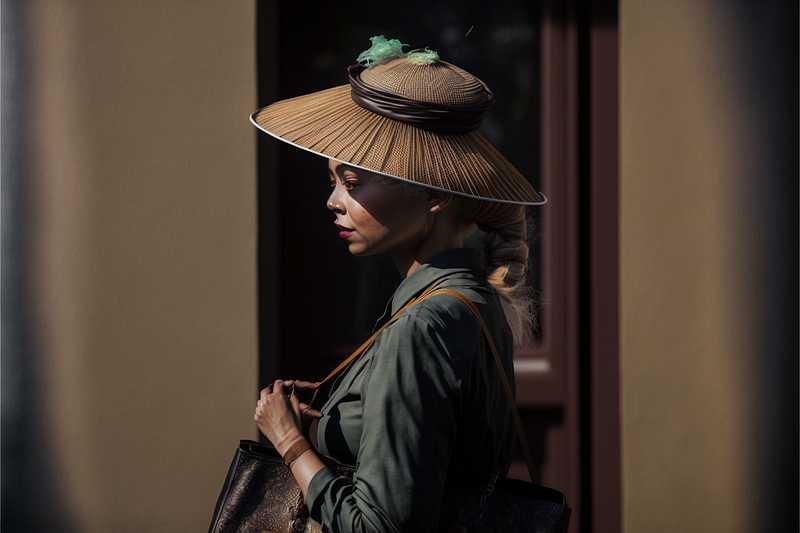
I took this photo of a (mostly) anonymous woman at a street festival. I liked her poise, grace, and hat covering part of her face. I also like the way the sunlight hits the scene.
Midjourney’s version decided to give her a full face, as well as an interesting hairstyle and hair colour. It retained the dramatic lighting, although distributed differently from the original.
‘Cathedral against dramatic clouds’
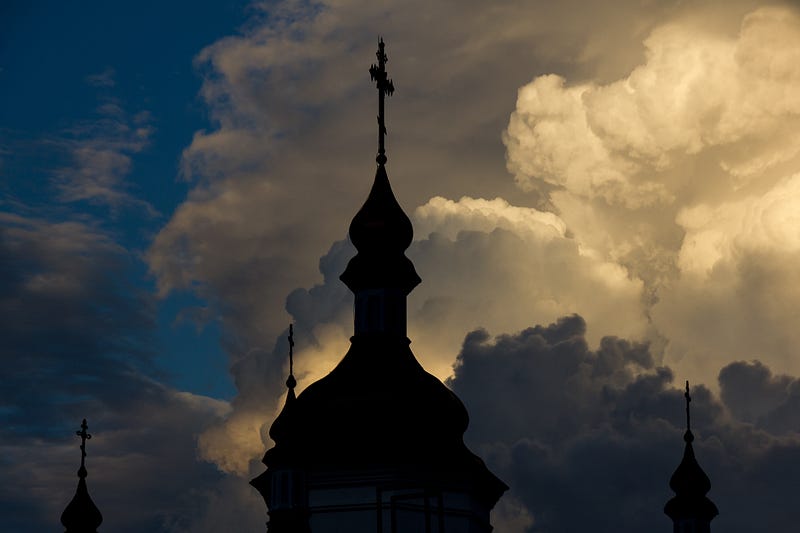
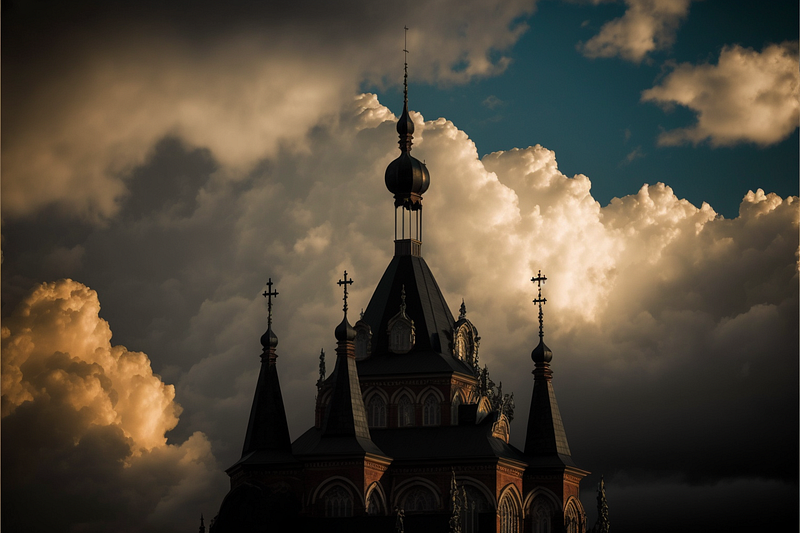
The clouds on this day were too beautiful not to capture. They worked well as the background to this large cathedral in my city, which became a silhouette.
Again, you can see how Midjourney took some liberties when creating its version. It “imagined” many of the missing details of the cathedral (differing from reality) while keeping the high-contrast clouds.
‘Dead flower in winter’
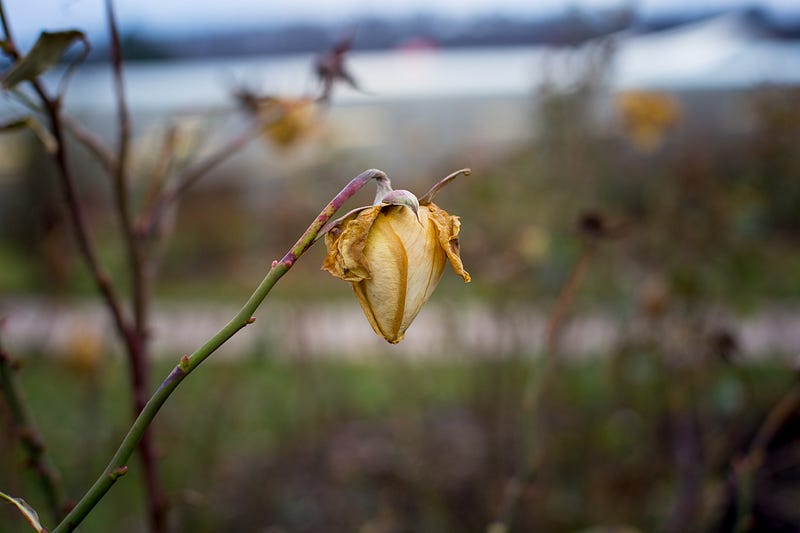
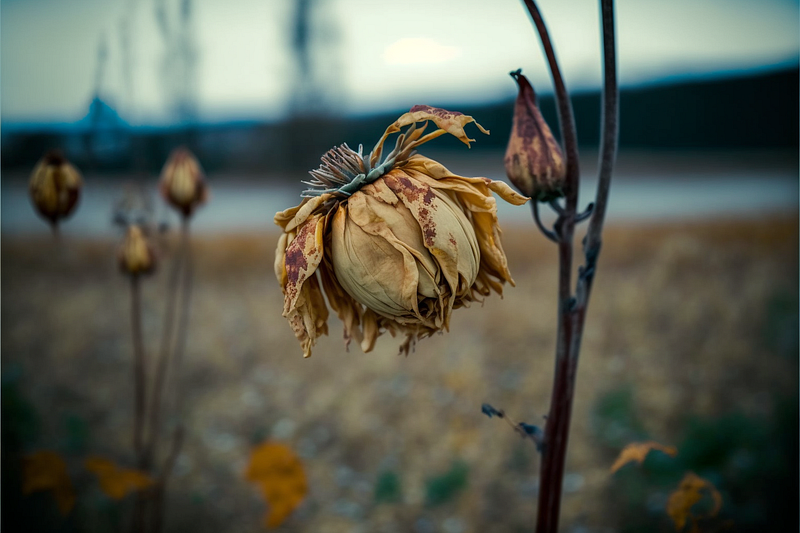
I shot this one yesterday during my dog's walk to a local park. I liked how the flower still hangs on despite the frigid air, waiting patiently for spring.
The AI version added more “life” to the flower, suggesting it defied death. It kept the same gloomy atmosphere that’s common during Canadian winters.
‘Sunset and powerlines’
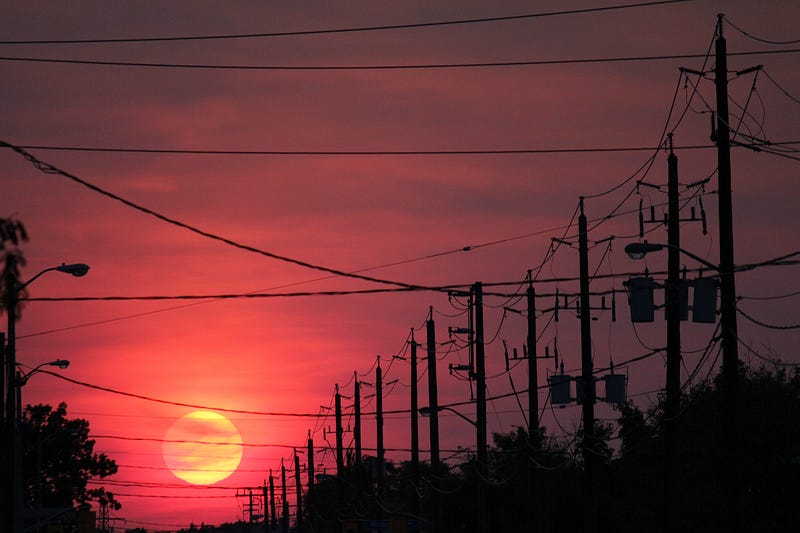
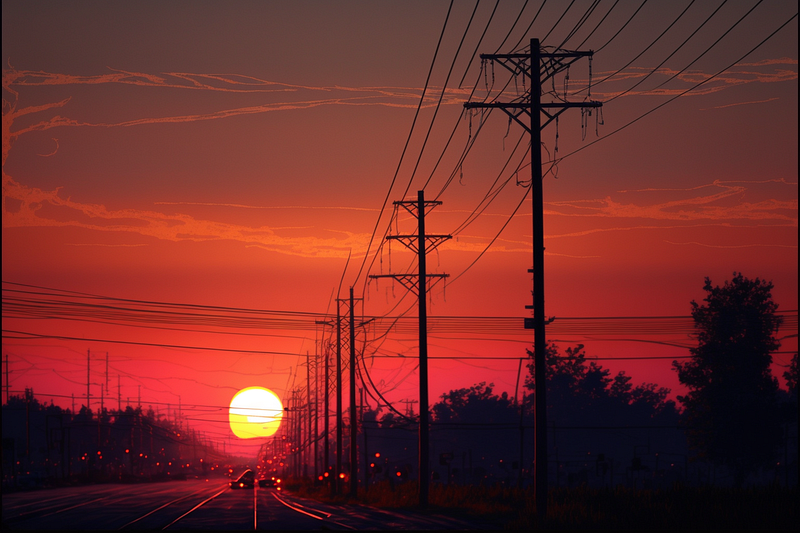
This was one of those scenes that was too good to pass up, as the pronounced sun quickly dipped under the city. However, in my rush to shoot this scene, I forgot to override the camera's automatic features. As a result, the camera automatically pushed itself to a higher ISO than necessary, causing some ugly noise in the process.
I love Midjourney’s take on this one. It kept the brilliant sun while smoothing out the details closer to how I wanted them. I also like how it imagined an illuminated roadway (with perhaps some streetcar tracks?)
Not sure about the weird lines extending from the sun, though.
‘Cats behind glass’
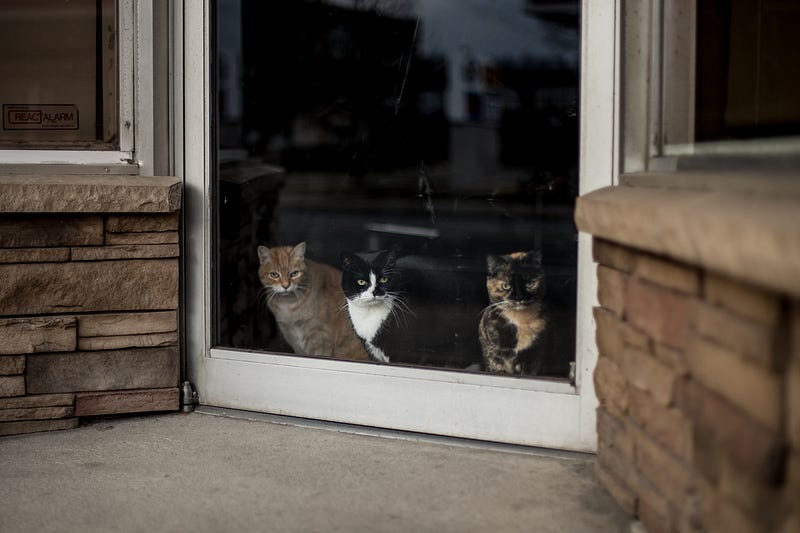
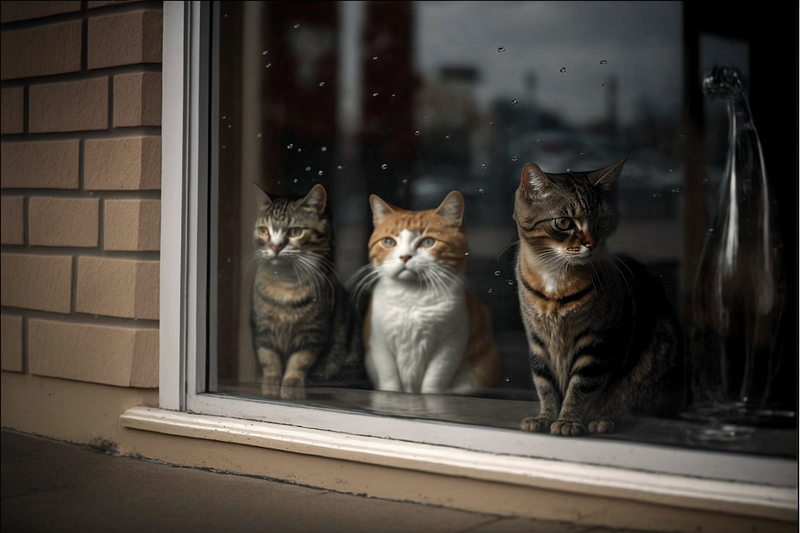
I also shot this one yesterday while walking the dog. I was passing this storefront when these three curious cats emerged, staring down my pooch. He didn’t seem to mind them, but it gave me a chance to snap a couple of quick frames before the cats got bored and left.
I like how, faithful to the original, AI put only one of the felines in complete focus. It also added some water droplets to the glass and some ornament behind it (which I didn’t ask for but looks good in my opinion.)
‘Peeling art on door’
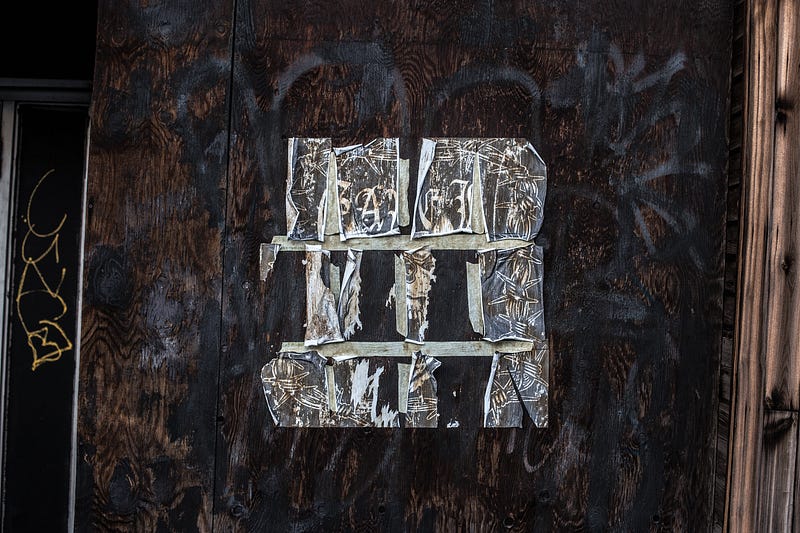
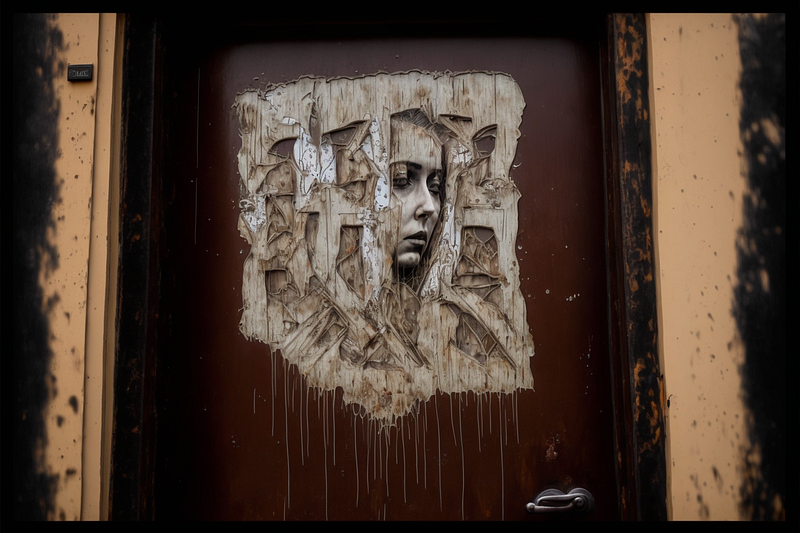
I took a snap of this door because I liked the way the flaking poster contrasted with its dark colour. It appears the original art was some words surrounded by barbed wire, with a skull in the middle.
Midjourney had a field day with this one, adding a full face in place of the partial skull. It looks like a paranormal being staring out of a hole in the door, which gives it a slightly creepy vibe.
‘Ray Lamontagne, black background’
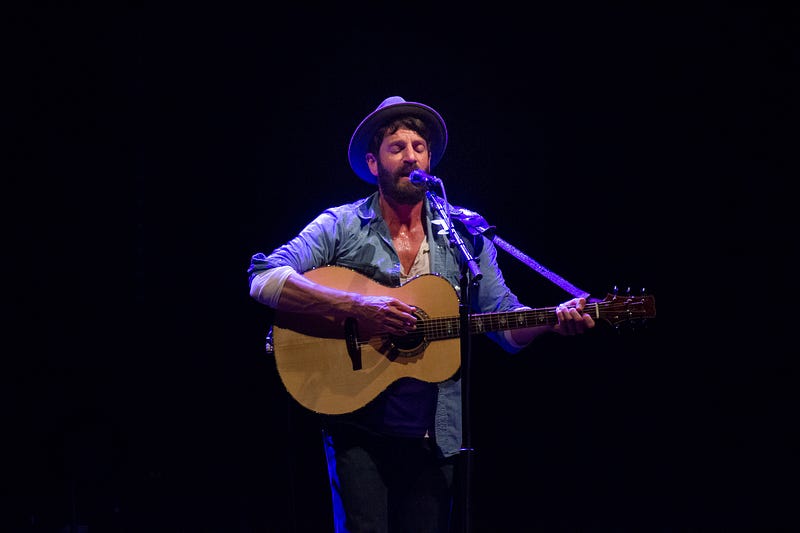
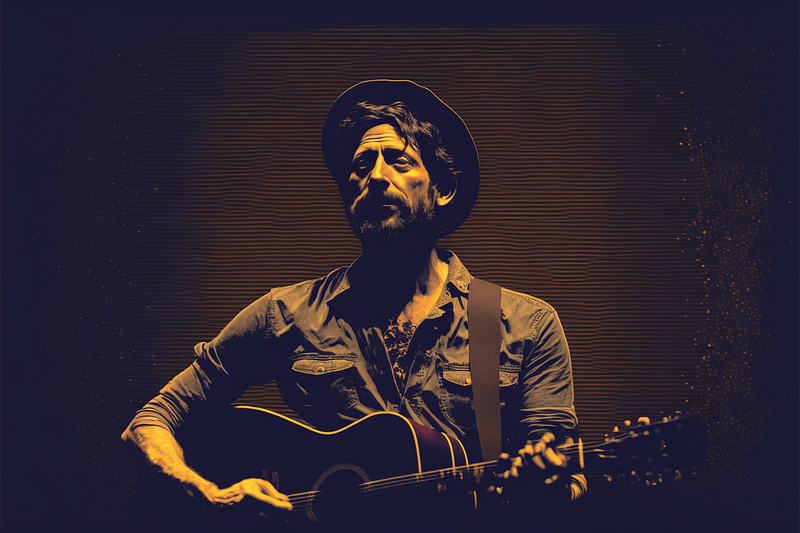
Ray is one of my favourite musicians. I was lucky enough to catch him live a couple of times, this one an outdoor concert that allowed long lenses. I love how the stage lights make him stand out from the dark background, highlighting his sweat.
Midjourney’s version looks almost like an album cover or poster to me. It chose a random style to add to the background, even though I specifically asked to keep it black. It also took the liberty of adding chest hair (or a fuzzy sweater?), not that he needed it.
(By the way, Midjourney recognizes a wide variety of well-known people in its prompts and faithfully reproduces them.)
Which is better, my photographs or AI art?
At one time, photography was not accepted as an art. It was seen as almost cheating in the art world — you could literally create a picture with the mechanical click of a button.
While fine art photography is now a thing, I see AI disrupting the art world in the same way. Artists are upset that people can generate something beautiful in seconds that took them days, weeks, or even months to create.
However, I maintain it takes creativity and know-how to truly stand out as an artist, whether you’re writing, drawing, taking pictures, or making AI images. It takes imagination to dream up concepts that the tools translate for you. AI is a major leap, but it’s really just the next step of art’s evolution.
I willingly “guided” Midjourney using my own photographic art, and I like the interpretations. Some artists are mad because AI was trained using their art without their knowledge. But it doesn’t “steal” from these images — AI uses the data to create something entirely new. It’s the same concept as studying how to draw Disney characters, as an example, and then creating a new work by hand in the same style.
By the way, if you’re concerned about others stealing your uploaded reference photos or even your AI generations, you can delete them (at least in the case of Midjourney.) Otherwise, there’s really nothing stopping others from using the digital creations (although your original photos are copyrighted.)
Reimaging photography is just one way I see artists using AI, and I’m excited about how we can tap its potential in the future.
Which versions here do you like better, the original photos or the AI? Let me know in the comments, and why!


