My Love Affair With Growing Peppers
A few basics and two secrets to growing peppers so you’ll love growing this food
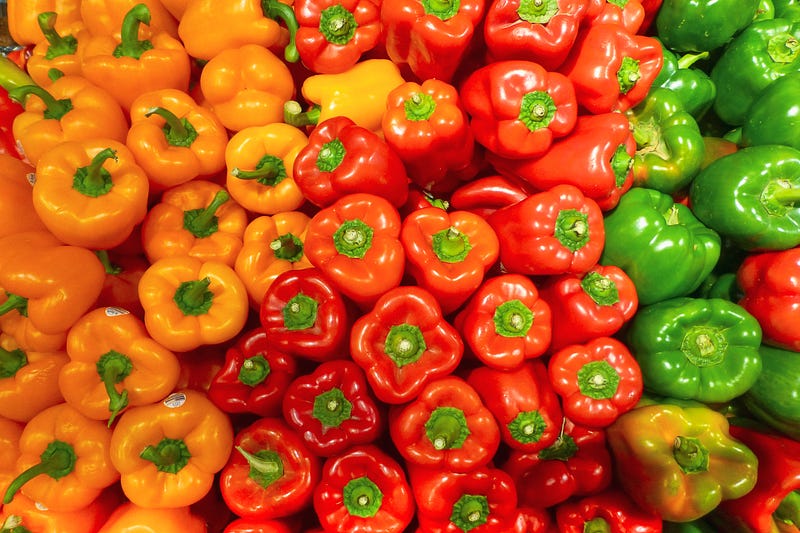
I’ve been in love with growing peppers for over forty years. I love how easy they are to grow and how pest-free they are. If you’re new to growing your own food, it’s important to have fun and succeed.
If you like eating peppers, I suggest you grow them. I haven’t purchased peppers for cooking or tonics for fifty years. Kinda nice. It makes me happy, and I’d love to help you experience that simple joy.
I live in a cold climate, so I purchase peppers for raw eating in the winter months. Someday I may experiment with a plant in the house.
All peppers are easy to grow, but hot peppers are the easiest to prepare for storage. One plant of each type you want will give you enough for yourself and to share.
Basic Needs for all Peppers.
Peppers like loamy soil that’s rich in organic matter.
For peppers in garden beds, I mix composted manure with compost about 50/50. Then I add a sprinkle of continuous release organic fertilizer and blend. When I plant, I mix about four cups of this into the soil around each plant.
That’s what I do. Lesson one. Never do what you read or what someone else does. Here’s a great article focused on growing one type of peppers but the information is useful for all types.
It’s important to learn about your soil and how to keep it healthy. Here is a post a friend of mine wrote which will help. https://readmedium.com/what-the-heck-is-a-soil-amendment-a56e2e7c2920
Peppers like hot sunny weather, so check the recommended planting times for your area.
They like consistent watering. I use a wood chip mulch around my peppers to help keep them from drying out.
Support each plant with a stake or small tomato cage to keep them from falling over. This isn’t necessary, but keeps them looking pretty and makes them easier to pick because they’re off the ground.
Seeds or Transplants? Hint — Transplants.
I start my own hot peppers from seed in February. I do it then because I’m getting excited. I garden as I cook; I create as I go. As a beginner, and/or if you only want one plant of each variety, purchase plants.
When to Plant
Peppers are a warm-weather plant. Once the danger of frost has passed and the soil temperature is at least 65°F, you can plant them outside.
What the experts rarely mention is that peppers do not grow in cool weather, even if the soil temp is right.
They don’t like nighttime temps below 60. They won’t die, but they won’t grow either.
What I do if I plant them in the ground is to watch nighttime temps and cover them up if it’s going to be below 60 degrees. I use clay flower pots or boxes and place them upside down over each plant. They aren’t fussy. Use a rock or brick to keep boxes from blowing away.
Growing in Containers
Peppers are easy to grow in containers. They don’t even mind a small container, but larger ones are easier to keep watered and allow more room for the things I plant with peppers. I mix my soil but recommend you purchase a good container mix. I’ve heard good things about Happy Frog. It’s pricey but may be a good way to go for your first year.
Secret #1
When planting peppers in containers for early produce, I double-pot. That means I plant the transplant in a pot and then sit that pot inside another larger pot. I put a mulch material in between the two pots. The birds like it if you use dried moss. Replace as they sneak the moss out for their nests.
The benefit of double-potting is that plant roots are kept warm and will not be harmed by cooler temperatures. Plants double-potted can develop a strong root system while other plants are still in the house. Every year I have the first peppers, so everyone who stops by the garden gets some.
In addition, depending on the temperature, I cover them at night.
One caution with double-potting is that if the temperature gets up to 100 degrees F, your plants will cook. So lift the inside pot out when hot. Cold in- hot out.
Secret #2
I bury a narrow flower pot or larger water bottle with the bottom cut off into the soil beside each pepper. It’s difficult for container-grown plants to reach their roots for nutrients. Seems obvious.
I bury it up to the rim and fill the container with one cup of worm castings. Once a day I water through the container so the plant gets a little worm casting tea. As needed, I put other nutrients into the receptacle.
Here’s what I’m doing with the peppers I’m growing this year.
I have pepper plants here and there in the flower and herb garden. Two plants are with the parsley and calendula. I tucked one sweet pepper plant behind the oregano. Always grow oregano. The plants and critters love it as does your spaghetti.
One sweet pepper is in the back of the house with some purslane, marigolds, phlox, and random weeds.
Sweet pepper and cayenne are double-potted in containers on my driveway. With these, I have marigolds, onions, and purslane.
I have a container with jalapenos and Swiss chard in the garden beside another jalapeno in the ground. I nestled them among some St John’s wort and lamb’s ears.
Two other peppers are in containers with marigolds.
So everybody is happy.
If you like peppers of any sort, growing them is easy and a lot of fun. They're sturdy and attractive plants so you could keep them on your patio. Begin with any good quality potting mix and transplants and you’re sure to fall in love with growing your own peppers.
Thank you for stopping by my Not-So-Fancy Garden. I’ve enjoyed sharing this information with you and hope you find some of it helpful in your adventure growing food.


