
You’ve Been Missing Out on This Ultimate Pepper
Shishito peppers are a hit at Farmers Markets
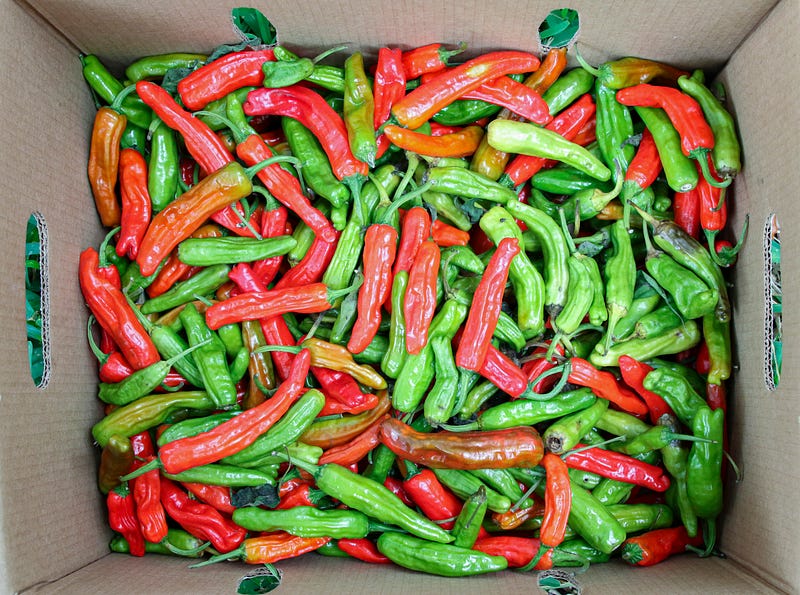
What the heck’s a Shishito? It’s a thin-walled, sweet pepper that originates in Japan. ‘Shishi’ means lion since the pepper resembles the small head of a lion combined with ‘togarashi’, which translates into a chili pepper.
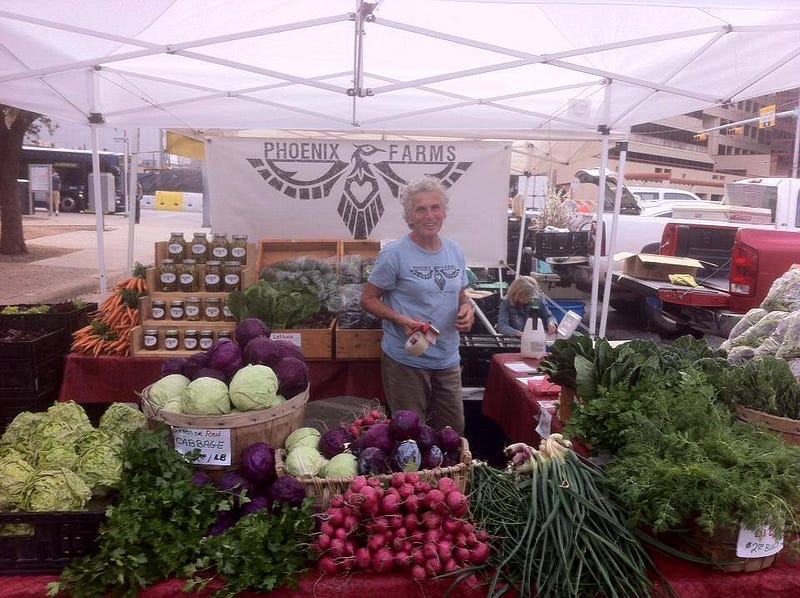
As an organic vegetable farmer, I find shoppers are often unfamiliar with these peppers. But once they take some home and cook them, I guarantee they’ll be back for more.
Sweet with a complex flavor.
Taste them raw, they’re good, unbelievably delicious when cooked. The pepper tastes sweet with a complex flavor- slight citrus, fresh and bright, with a smoky hint.
Wrinkled peppers, slender and thin-walled, they mature at between two and four inches. Enjoy them green or red, though I prefer them red when they are sweeter and higher in Vitamin C. At the Farmers Market, we sell them in pint baskets, either mixed colors or all-green.
I have read that one in ten peppers may be as hot as a mild jalapeno. Although that may be true, I’ve never tasted a hot one, and I eat a lot of them.
Chefs love them.
Shishitos are popular as tapas or appetizers. One of my favorite restaurants here in Austin, Texas, Barley Swine, has served them stuffed with a fig/cheese mixture, and they are freaking amazing! They are a high-value crop as several chefs buy fifty pounds or more each week.
They’re a versatile pepper, and we sell them to a variety of restaurants- from Spanish tapas to fine American dining. I’ve eaten them charred, grilled, and pickled, all delicious options.
In Japan, they are commonly eaten raw, and you can use them in any recipe calling for diced bell peppers. Too many? Chop them small and store them in the freezer to use in cooked dishes.
They’re the most prolific pepper on our farm.
We order seeds from Kitasawa Seeds or Johnny’s Selected Seeds and start them in the greenhouse two months before planting them in the field two weeks after our average last frost date.
Shishitos are easy to grow but don’t like soggy soil. They handle heat and humidity better than any other pepper on our Central Texas farm and keep bearing all summer.
Trust me — once you taste them, you will want to grow them. I suggest growing two or three plants for each member of your pepper eating family.
Prop up your pepper plants.
I recommend staking the plant, so it will not break when loaded with fruit. If you are looking for a pepper for your family or to sell at a market, shishitos are a winner.
In fact, the abundance of peppers may overwhelm you—the harvesting is the most time-consuming aspect of this crop.
Pick them with a snap of the hand or with small clippers to ensure that you get enough stem. An experienced picker can harvest about ten pounds an hour.
Cook and eat the tasty little guys.
Wash the peppers and dry them. Poke a small hole in each one with a sharp knife to let the steam escape while cooking and to avoid exploding peppers!
Heat enough oil to cover the bottom of a heavy saute pan to almost smoking and add a single layer of peppers. Turn them every few seconds until lightly browned, about 4–5 minutes.
Remove from heat and place on a serving plate, sprinkle with sea salt and watch them disappear.
Cook some extras, and you can add them cold to salads.
Japanese diners often dip lightly roasted peppers in soy sauce. My favorite — a dash of sriracha sauce swirled into a good quality mayonnaise.
Grow Shishitos this year or find some at the market, and you’ll have a new favorite pepper.


