
THE SCIENCE OF ALCOHOL
My Liver Made Me Quit Drinking
What’s yours trying to tell you?
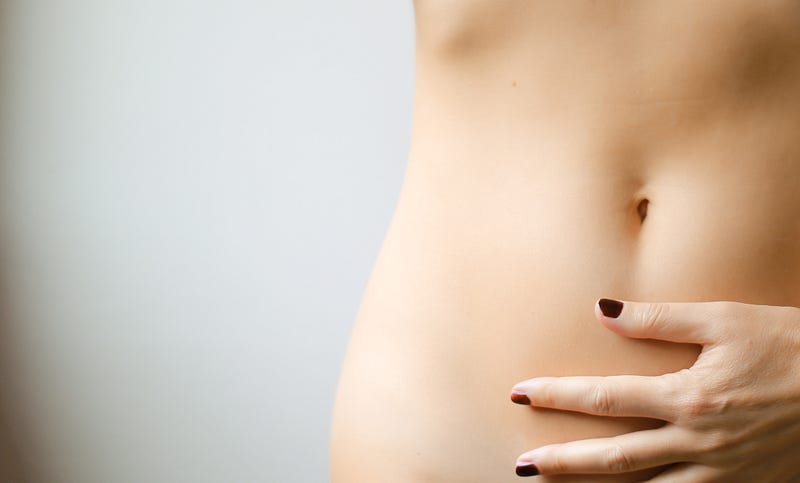
One morning, about four years ago, my liver shouted up from my gut to my brain “Stop! Just Stop! I’m trying to do my job here and YOU keep flooding me with alcohol faster than I can deal with it.”
My liver had never spoken to me before. I am an acupressurist by profession which means I’ve studied anatomy and physiology and the meridians of energy that flow through the body. I appreciate science and medicine. I also value intuition and the art of listening to the body, which Leonardo D’Vinci called “the beautiful machine.”
“Gee, I guess you’re right. I never thought about it like that.” Being heard seemed to calm my inflamed liver down.
I had been out to the club the night before and had a lot of fun. Now, however, I had a splitting headache, felt on the verge of throwing up, and didn’t want to get out of bed. So I just listened. “Yeh, well, while you’re having a great time chugging wine, beer, bourbon, tequila, or martini’s when you’re in a fancy mood,” my liver explained, “while you’re dancing and chatting everybody up, I’m working my ass off. I can’t keep up. And that’s what makes you feel tipsy, drunk, and afterward, hungover. I need a vacation, a break. I need you to stop.”
It all made sense. My overindulgence was not logical. My mom used to call me “a health nut.” I eat lots of vegetables, exercise regularly, and avoid sugar and processed foods-except for the occasional indulgence in Doritos. Nobody’s perfect.
So why hadn’t I thought about alcohol as a toxic substance?
Alcohol is celebrated in our culture
When a person turns twenty-one they are considered an adult. How do we usually celebrate that milestone? Legally ordering a drink in a bar. Often, friends or family will encourage full-on inebriation.
While indigenous cultures celebrate the coming-of-age with a feast or test of strength or courage, getting drunk is a rite-of-passage in our culture.
Weddings, birthdays, and even death are times when overindulgence is accepted as normal.
I was recently at the memorial service of a friend who struggled with addiction. His friends toasted his memory with his favorite drink; rum and coke. They encouraged me to join them. It came from a place of love, at the same time it felt very wrong. It was like celebrating the addiction that ultimately took his life. I missed him just as much as everybody else. In his memory, I ordered a coke without the rum.
Alcoholic Liver Disease
I was lucky. I stopped in time.
The liver is an amazing organ. It can continue to function normally even when 80% of it is damaged. If people stop drinking, much of the damage can be reversed.
According to the Merck Manual, these are three stages of liver disease
- Hepatic steatosis or fatty liver disease First, there is an accumulation of fat in the liver. This type of damage is the least serious and can sometimes be reversed. It occurs in more than 90% of people who drink too much alcohol.
- Inflammation (alcoholic hepatitis) The liver becomes inflamed in about 10 to 35% of people and can also be reversed if stopped in time.
- Cirrhosis Overindulging in alcohol, which for men is more than three beers or three drinks a day, and for women about half that, can cause scar tissue to form in the liver which shrinks and eventually can no longer function. Cirrhosis is permanent and cannot be reversed. Brain function is also impaired and causes a psychosis similar to dementia, known as “wet brain.”
Moderation versus abstinence
For social drinkers, moderation makes sense. After my liver gave me “the talk” and I did some reading on the subject, I took a thirty-day hiatus from drinking and then decided to limit my intake to seven drinks per week.
I kept track of how many drinks I had and sometimes I stayed within my limit. It took effort and I wasn’t always successful. I didn’t want to stop when everybody around me kept drinking. Friends would buy me drinks and after I had one or two, I didn’t really care so much about staying within the limits I had set.
I didn’t want to quit drinking. I enjoy the taste of alcohol and how it makes me feel. I wondered if I was an alcoholic. I never got black-out drunk, I wasn’t having problems at home or work caused by my drinking. Nobody seemed concerned with my drinking or my behavior. But my liver was unrelenting. It was a tiny voice from deep inside me that eventually, I had to agree made good sense.
I finally came to the decision that it would be easier to quit completely than to try to limit my drinking. As I tell people who suggest moderation, booze is like potato chips for me- who wants to stop after just one?
Happy liver for happier living
The liver the largest internal organ and vital to digestion and blood purification. In Traditional Chinese Medicine, the liver is associated with clear thought, life goals, and direction. An imbalance in the liver can cause a person to be confused, indecisive, fearful and weak.
Within days of my quitting, people started saying “you look great.” I didn’t know alcohol was affecting my appearance. I felt better, slept better, and started thinking clearer. And no more hangovers!
My liver is happy now. My energy feels strong and the voice of reason guides me more than it used to. I feel determined to reach my goals and have the follow-through that I used to lack. I thank my liver and my liver thanks me.
The lifestyle change brought about by my imagined conversation initiated another one where I thanked my liver for intervening. “No problem,” my liver replied, “Glad to be of service. I’ll be here any time you need me. My name is Gail, but you can call me Pâ-té.”
Good sense AND a sense of humor. Thanks Pâ-té!
Karen’s goals for 2021 include finishing her MFA thesis and dressing like a Star Trek alien from a utopian planet. Her Creative Nonfiction and poetry have appeared in Brevity, NPR’s The New Normal, Straw Dog Writer’s Guild Pandemic Poetry and Prose, Multiplicity and Voices of the Valley Anthology.