
TRAVEL
My First Travel Exhibition: Black and White on Film
Globetrotter’s November Monthly Challenge
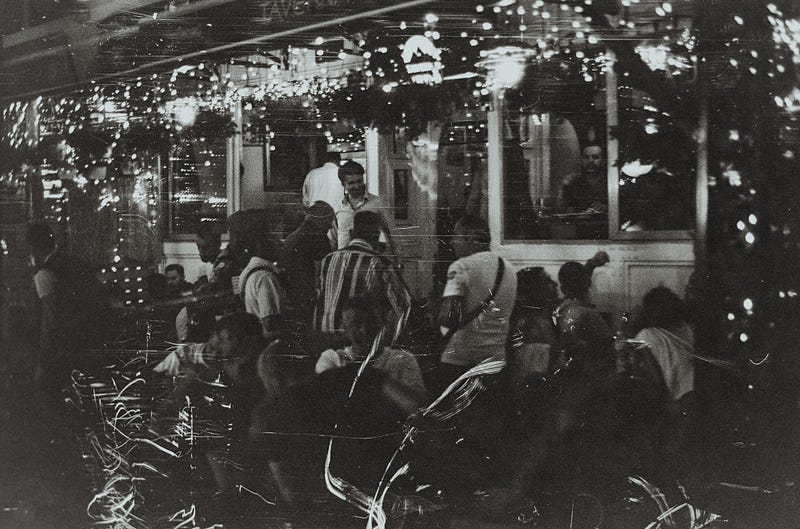
Most people approach black-and-white photography from the mindset of removal — of taking color away from an image. For some, and especially for photographers who shoot film — black and white is often the starting point. One can’t just click a button and add the colors back in. You commit to working within the constraints of monochrome, and it often leads to magical results.
For the past two years, I have been falling ever more in love with shooting 35mm film. I was drawn to that ethereal aesthetic of the images, which to me represent a more authentic means of creation. Having taken up this dimension of photography relatively recently, I hadn’t had a chance to study it with much of a structure. But an opportunity was about to open up in an unlikely place…
Earlier this summer I learned of a month-long analog photography workshop taking place in Prishtina, Kosovo. It was to be led by a Magnum photographer from Albania named Enri Canaj, concluding with an exhibition at an art gallery in the city. As Prishtina has been one of my favorite cities to visit, I applied for the program as soon as I heard of it. All year I’ve been on the lookout for workshops — opportunities to study what I’m passionate about while traveling, and also to connect with similarly interested artists and individuals.
I had never met a Magnum (arguably the world’s most prestigious photography collective) photographer and was immediately taken aback by how down to Earth and generous he was with his time and his expertise, the effort put into answering our most basic of questions. Enri talked about his upbringing as a refugee in Greece, pouring all of his available time and money into acquiring and shooting film, and how this shaped his future work documenting refugee movements through Europe.
Enri talked about photography as being more than just capturing the external world. To him, the art of photography is about being led to create from a voice or drive that comes from within you. I particularly resonated with his comparisons between photography and meditation. Because that’s perhaps the most difficult part — getting to that place within you where all is still, where there is only a source which you are channeling, from which images and emotions are created. One of the most beautiful aspects of travel and photography both, are the moments when one can reach that state.
We talked also about the magic of monochrome — how sometimes the most important part of art is working within constraints, and how black and white somehow evokes more emotion than color images. I think it it has something to do with the fact that black and white images have this dreamlike quality, it brings the observer to a place where they can see through to and feel the world that the photographer is creating.
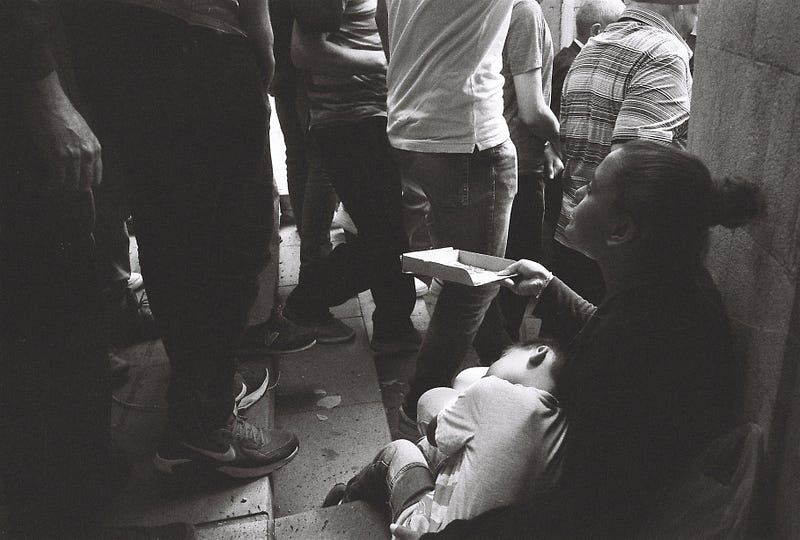
Enri then asked us what stories we wanted to tell in our projects. My idea was to see this European capital through a spiritual lens — determine what people lived for and what was their ultimate purpose for being. We would each be only given two rolls of black and white film, (one roll contains about 36 exposures) so that limited us quite a bit in terms of scope, and meant that we were aiming to have three images each to display in the group exhibition at the end of the month. We then spent the next week and a half executing our individual projects.
Film Development
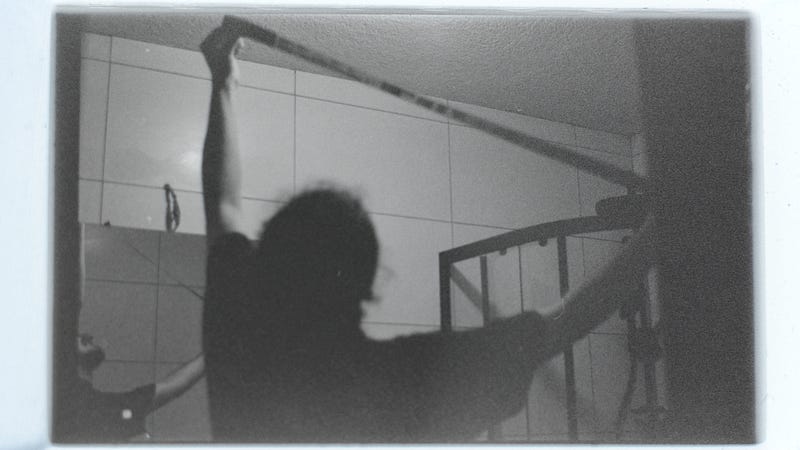
I had developed film a couple of times before with my Kosovar friend, a young photographer named Flamur. While it is much more involved than working with digital images — acquiring, storing, and then measuring out your various chemicals and equipment— the process itself is rather meditative, and brings a delayed gratification that comes from seeing your negatives for the first time as you remove the roll from the tank and to see the fruits of your efforts.
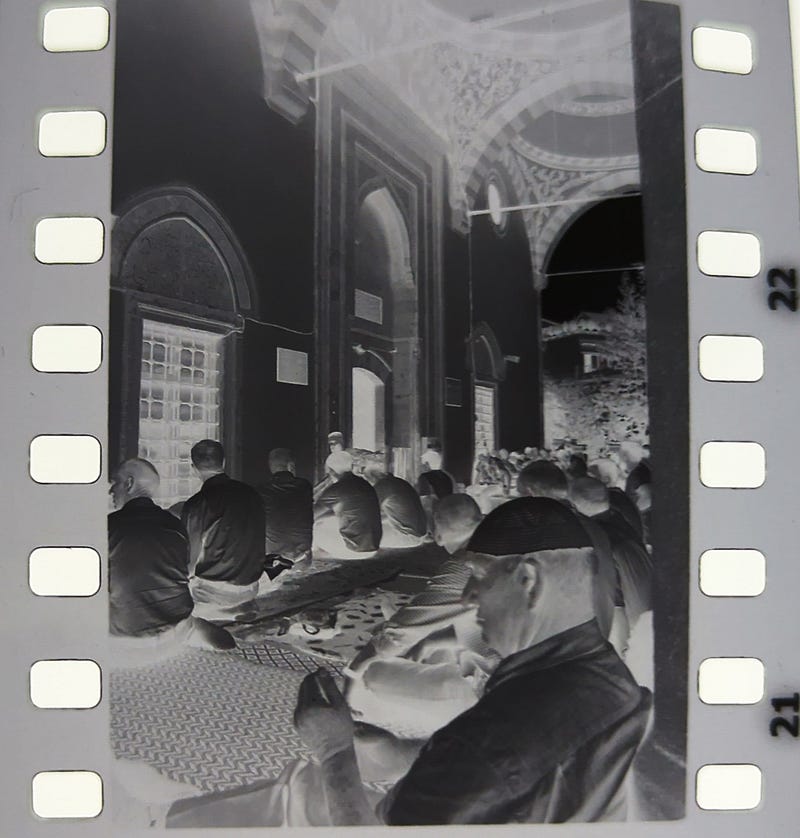
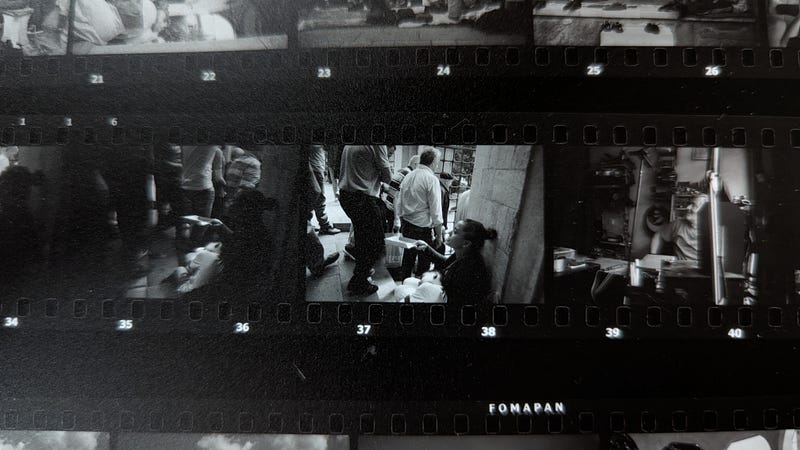
What I love about shooting film is the ability to capture a physical, tangible negative (see above). Although, it tends to create a few extra difficulties when I travel:
- being careful when taking film through TSA X-ray scanners, which can damage film in some situations
- finding labs that develop film in foreign cities, and hoping that the owners speak English
- all of the costs associated with purchasing film abroad, as well as development and scanning
- being careful not to lose the negatives that I travel with!
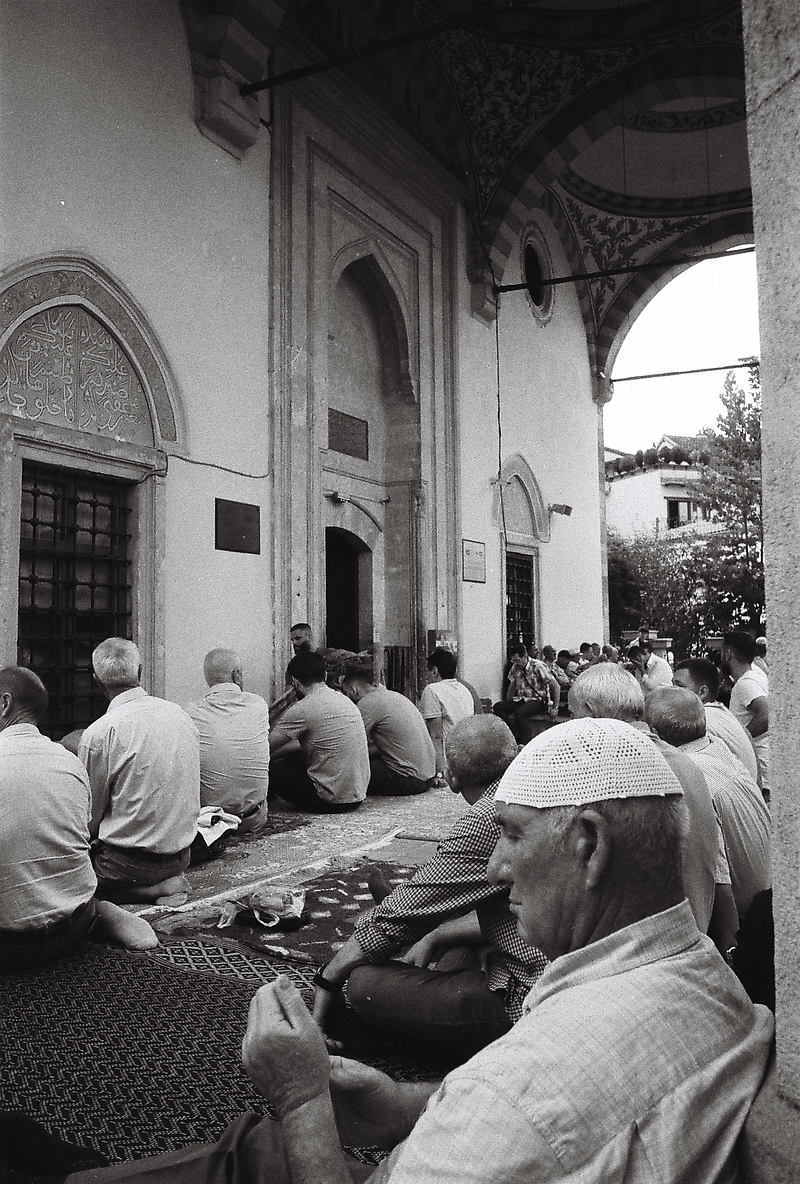
You can see the same image converted to a positive below:
Printing our projects
After our images were selected by the curator (Mahlinda Hoxha), the final step was to print the images in the darkroom. This was my favorite part of the workshop. The hours in the darkroom went by in no time at all. I learned so much by working with our tutor, Atdhe Mulla, and was so thankful for the generosity with which he poured his passion and expertise into each of our projects, and imparted his knowledge of manipulating/editing images using only a negative and various darkroom techniques to manually dodge and burn, adjust contrast, and crop, etc. I was beyond pleased with the final result of the images Majlinda had selected for the exhibition.
Exhibition
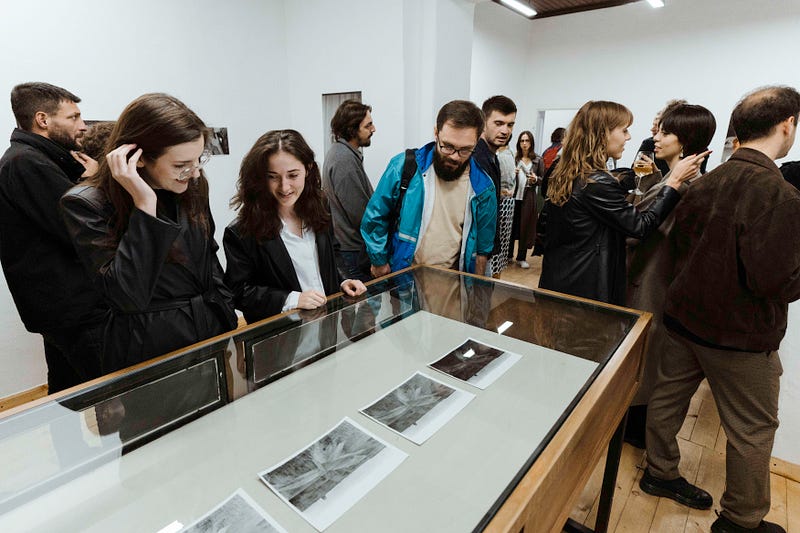
A full month after we had begun, we kicked off our three-week exhibition with an opening night that was packed. I would never have guessed that my first exhibition as a photographer would have been in Prishtina of all places. It felt great to be a part of such a collaborative team of photographers — challenging and encouraging each other throughout the month, and finally celebrating the successes of our individual projects, and how they blended together perfectly to showcase what the curator titled “Everyday Ephemera,” a black and white look at the impermanent across all different aspects of life in Prishtina.
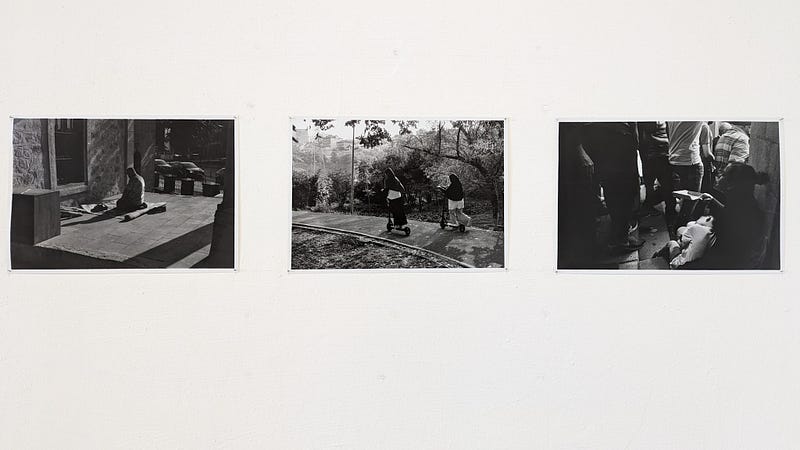
I loved Christina Daniels’ images of India — one of my favorite countries, and one that one wouldn’t initially think of trying black and white in:
I also enjoyed Julia A. Keirns’ collection of images from the US, which was an eye opener for me, as I tend to think of my home country as unexciting and rarely photograph when at home.
Elvie Lins summed up the joy and the challenge of black and white photography so beautifully here (not to mention with her stunning images).
“In a world teeming with vibrant hues, black-and-white photography possesses a distinct power to remove extraneous elements, directing our attention to the essence of our travel encounters.”