MY TRAVEL DIARY
Seeing India in Gray
The Globetrotters November Monthly Challenge
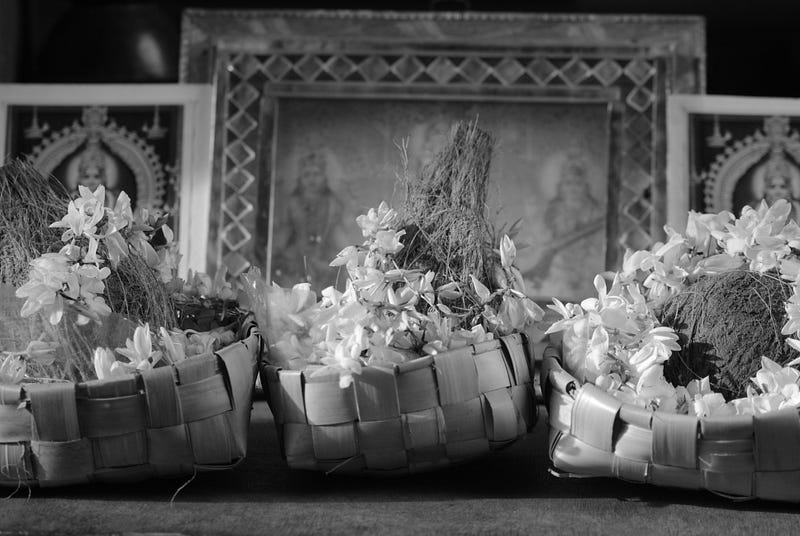
Most travelers see India as a country of warm, vibrant colors. So, the idea of seeing it in black and white may not be typical. Yet some of India’s greatest storytellers have seen their most memorable stories in gray. Like the filmmaker Satyajit Ray.
I fell in love with black and white photography at about the time I discovered photography. But, as a traveler in India, I also used it to simply make my life easier. Like most travelers to India soon discover, the best lighting for your photographs is usually found in the morning or evening. Photographs taken during the rest of the day don’t fare too well here because of the harsh sunlight of the tropics, though most of your travelling is in the day. That’s why I often turn to gray. Black and white photography thrives in the interplay between sunlight and its shadows. It also uses daylight to your advantage.
Here are my favourite attempts at seeing India in grey, starting from Kanyakumari in the south, and travelling to Ladakh in the north. All the pictures that follow were seen and shot in gray on my travels. None of them were modified for this challenge.
#1. Kanyakumari, the southernmost part of India
When people talk about travelling across the length of India, they talk about travelling from Kanyakumari to Kashmir. I made the journey to Kanyakumari on a train from Bangalore, and I can confirm it’s one of the best ways to get there. It’s a spectacular part of the great Indian railway and not too crowded either. Here are some moments from the journey in black and white, which I found blended in well into a story on the great Indian railways.
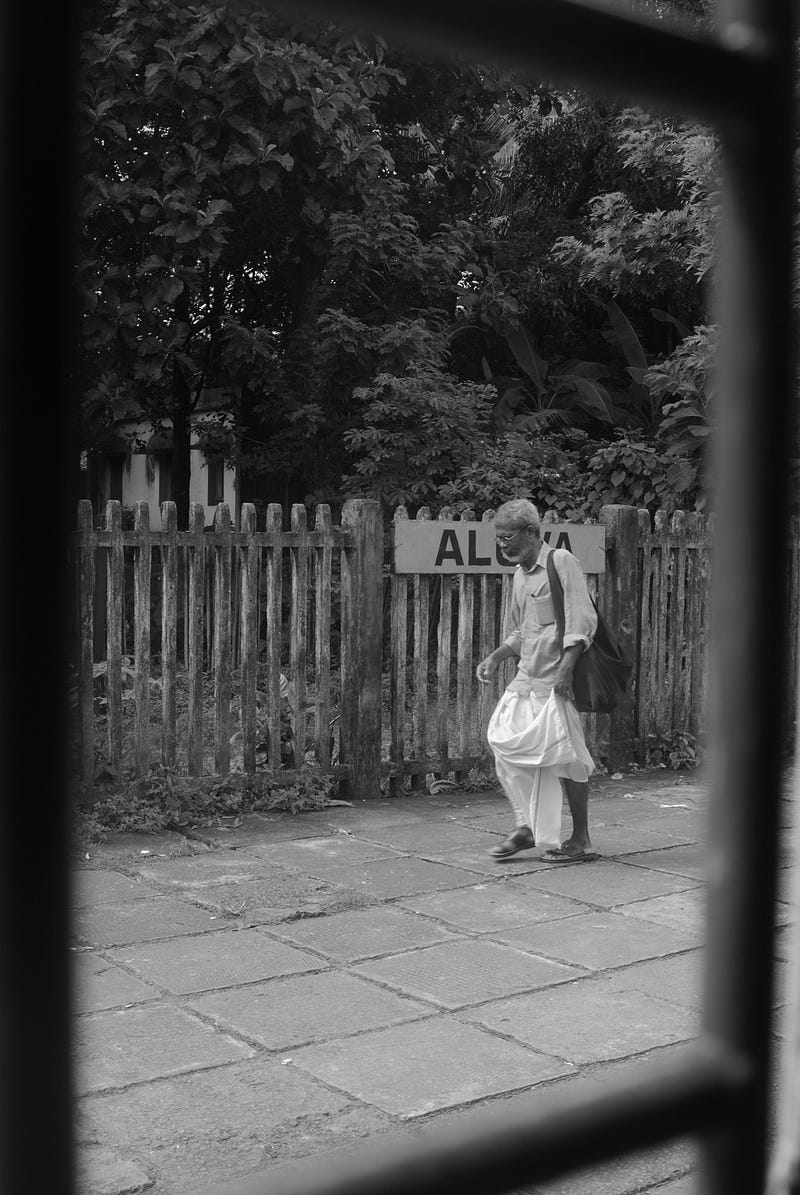
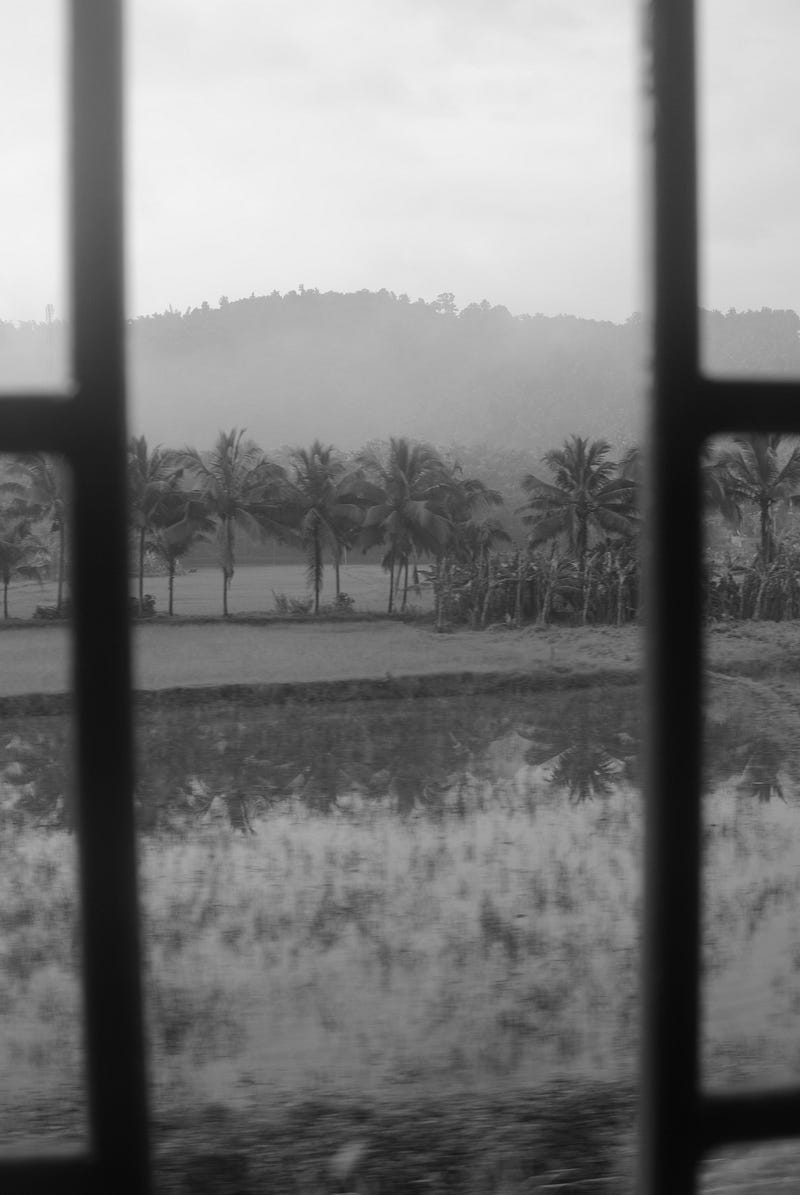
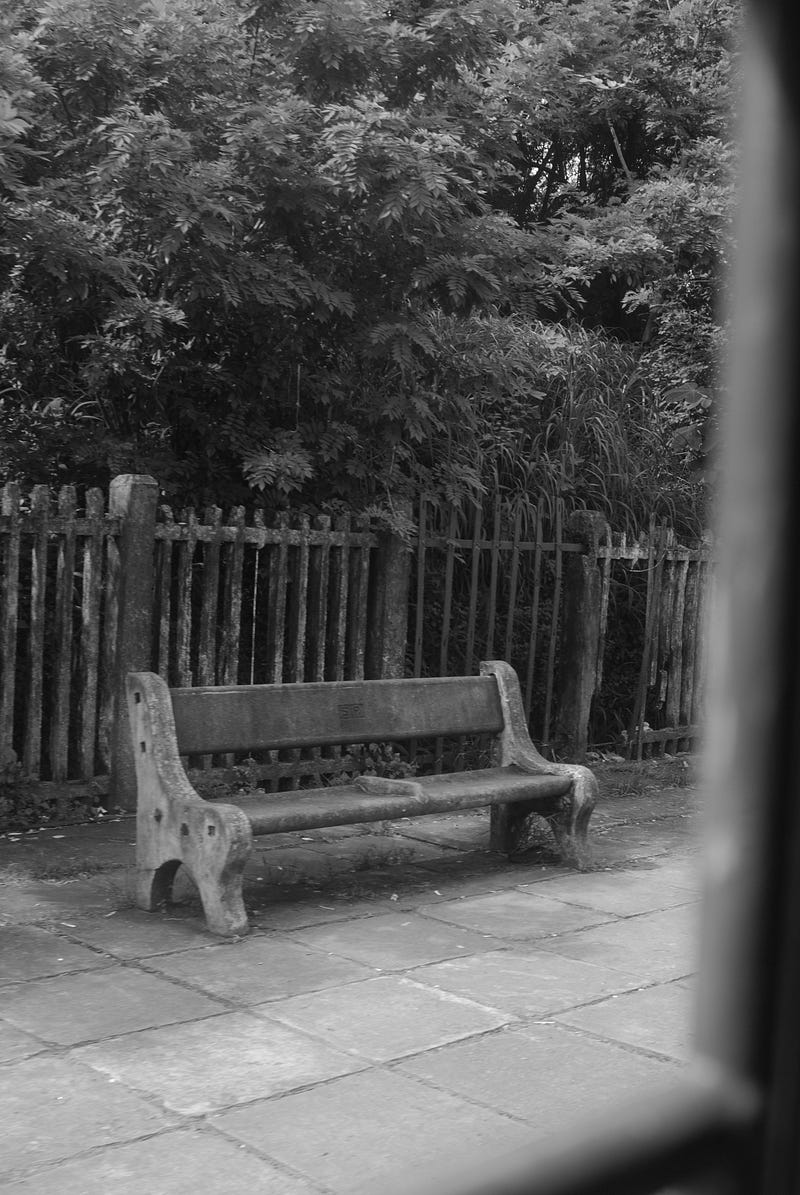
At Kanyakumari, I was drawn to the Vivekananda Rock, where the great Hindu philosopher Swami Vivekananda is said to have meditated and found enlightenment. This is also the site of the Laccadive Sea, where the waters of the Bay of Bengal, the Indian Ocean, and the Arabian Sea meet. When I looked at the vision of the statue of Swami Vivekananda towering over the meeting point of three oceans, I saw it in gray. Black and white gave the moment both a silhouette and stature.
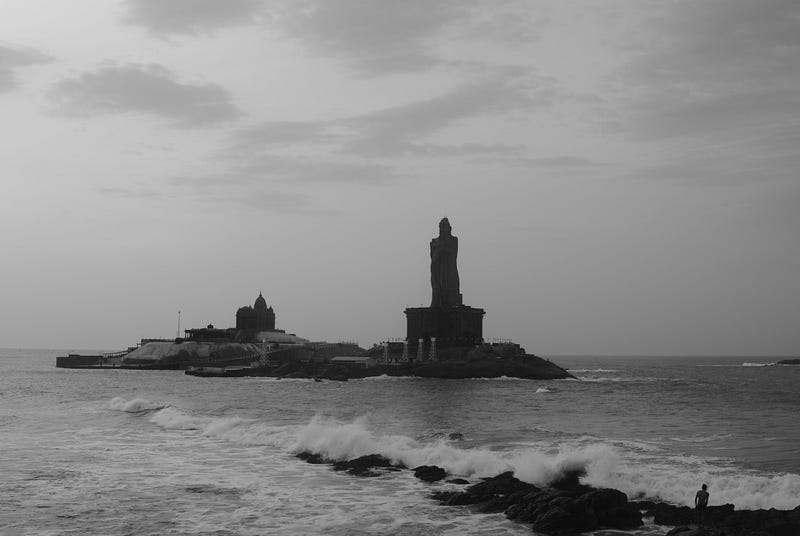
#2. It gets so grey in the Andamans, it’s black and white
But one place that does not need to be seen in gray is the Andaman Sea around the 300 Andaman islands. This is among the most remote parts of India, with some islands still playing home to indigenous tribes who have yet to encounter modern civilization. When you view the Andamans from an airplane, your first sighting of the colorful coral reefs of these islands will always stay with you. Yet when you actually are at sea, all you see on the horizon is gray. The picture below was shot in color, but it looks like a black and white photo.
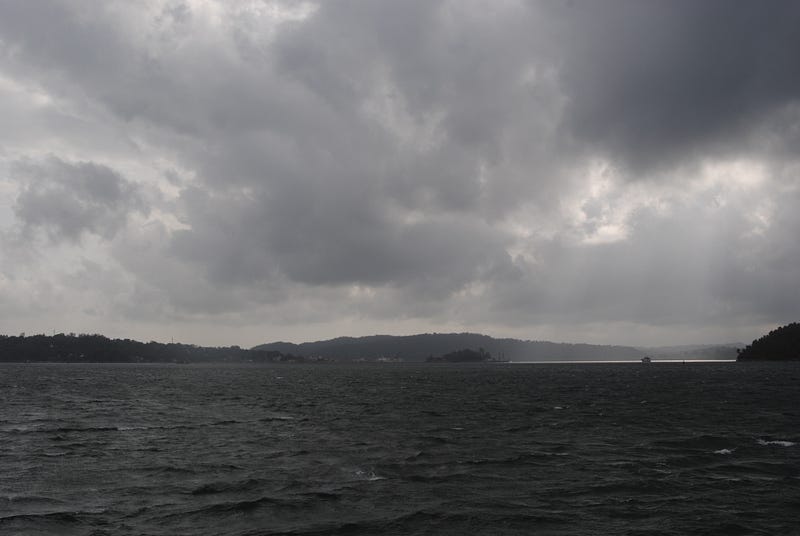
#3. The backwaters of Alleppey, Kerala
The backwaters of Alleppey in Kerala are one of the most relaxing places to spend a holiday. Connected by a network of canals, Alleppey is often referred to as the Venice of the East. Boats are what people use to get around and travelers often rent houseboats for their stay here. But photography can be a challenge in Alleppey, if you’ve missed the morning and evening light. That’s why I turned to sepia to etch out the essence of the idyllic boating villages of Alleppey. I treasure this representation more than all my pictures of Alleppey in vibrant color.
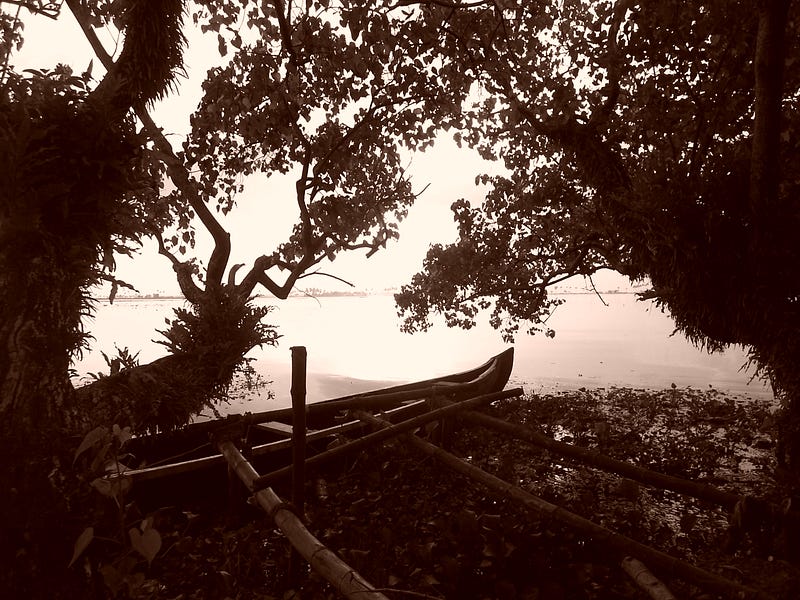
#4. The lines of coastal Mangalore, Karnataka
There was a moment of déjà vu when I moved up the coast, from Alleppey in Kerala to Mangalore, a small coastal town in the state of Karnataka. Mangalore is more urban than Alleppey and not on the typical tourist map. But I enjoy spending time in Mangalore’s many beaches and old churches. An abundance of sunlight can be a challenge here too, like in Alleppey, especially on the beaches. That’s when black and white photography helped me again at one in the afternoon, with the glare of the harsh sun framing an empty beach. As I looked through the lens of my camera, I saw a story that could only be told in grey.
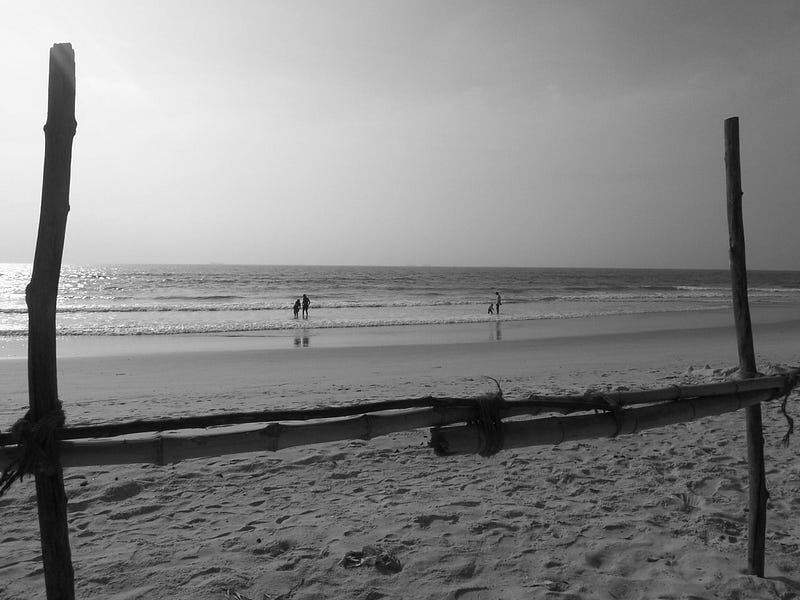
#5. The legend of Hampi
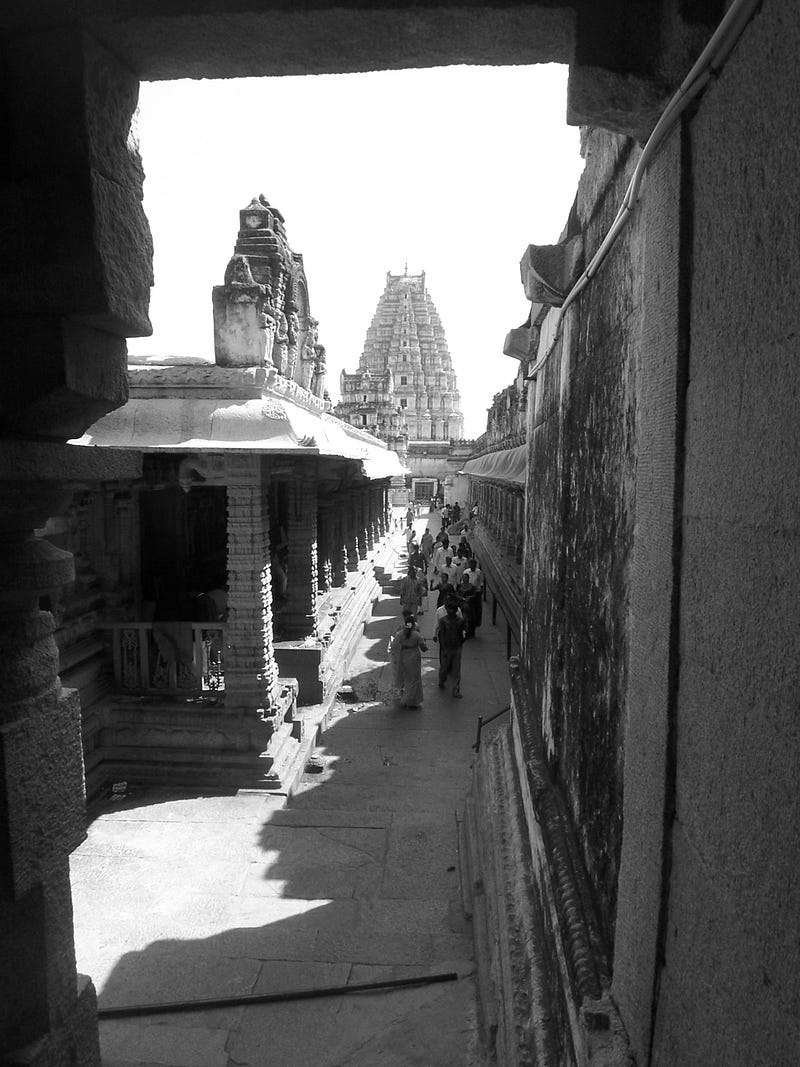
But nowhere is black and white more powerful than in retelling the story of Hampi, the capital of the great Vijayanagar Empire in India. At its zenith in the fourteenth century, it was the second largest city in the world, after Beijing. But Hampi was pillaged, destroyed, and never rebuilt after the final invasion of the city in 1565. Today, the ruins of 1,500 structures stand across 16 square miles. I found only black and white helped me reflect both the scale of the city and the legend of Hampi, which is to India what Pompei is to Italy.
#6. Modernity in Bangalore, Karnataka
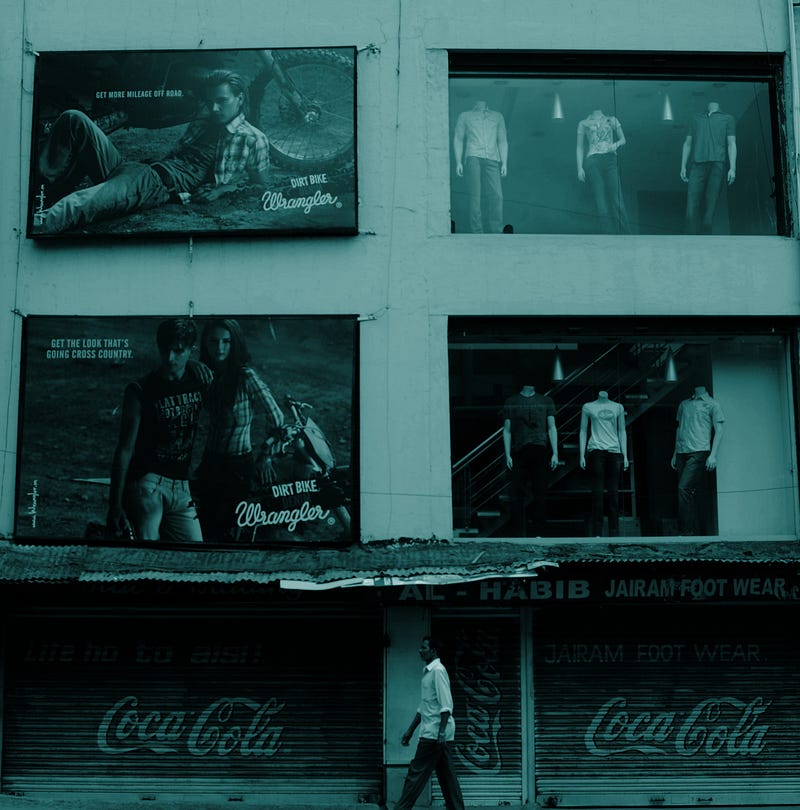
The curious thing is how black and white photos reflect both stories of tradition and modernity during my travels. Move over from Hampi to Bangalore, which is the modern-day capital of the state of Karnataka and has the reputation of being India’s Silicon Valley. The picture below was taken in Commercial Street, one of Bangalore’s shopping districts, which is on every traveler’s itinerary. Originally built on the lines of Bond Street in London, Commercial Street is now more reminiscent of Cairo’s Khan el-Khaleeli. When I wanted to create a picture reflecting both its evolution and the conflict between tradition and modernity, I turned to gray.
#7. The call of the spirit in Bylekuppe, Karnataka
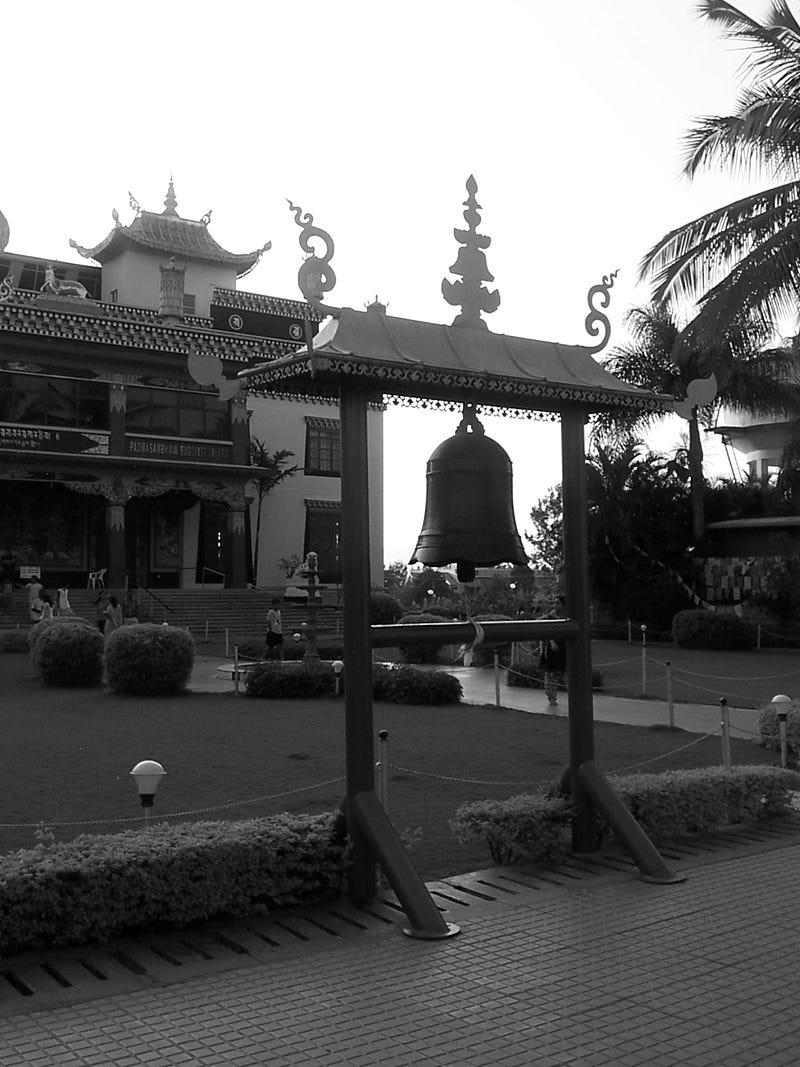
Bylekuppe in Karnataka, like Dharamshala in Himachal Pradesh, is home to the Tibetan community in India. They moved to different communities like these when the Dalai Lama went into exile after the annexation of Tibet by China in 1951. The settlement in Bylekuppe resonates the community’s inherent Buddhist philosophy. I turned to gray to reflect this intense deeper spirituality.
#8. Sun, sand, and the beaches of Goa
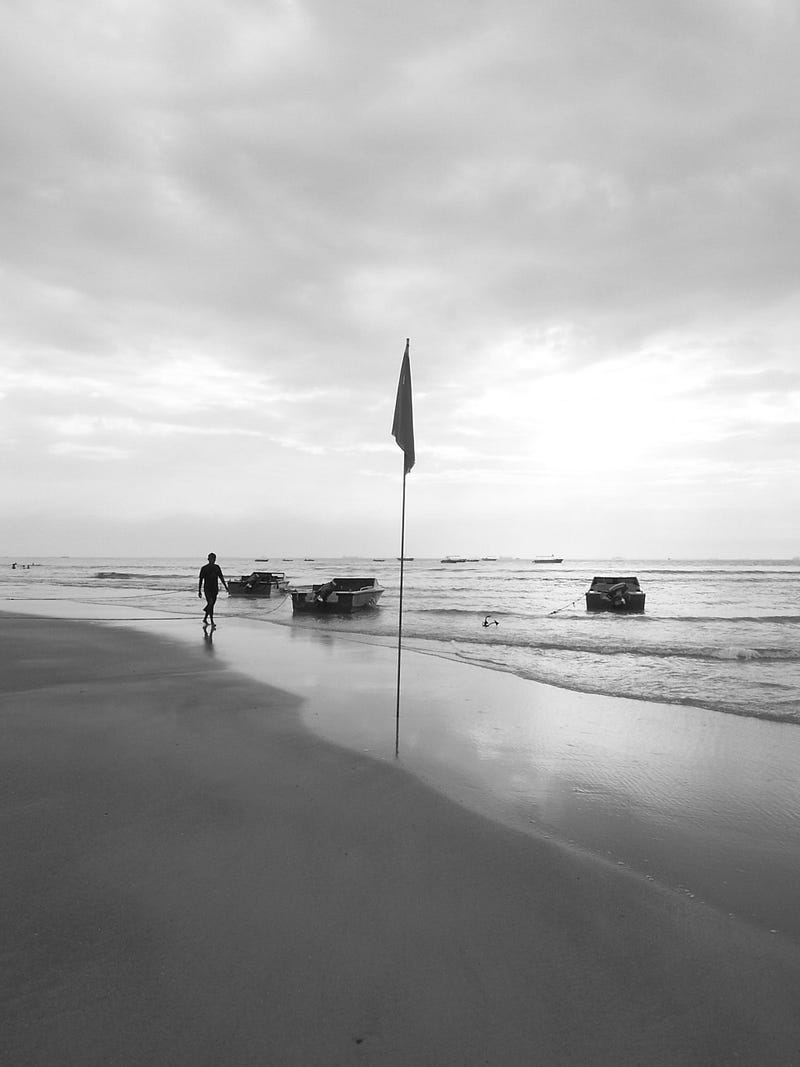
If there is one location that is always seen in color, it is the beaches of Goa. But even amongst the crowds and the colorful chaos, you can still find moments of solitude. What better way to reflect the starkness of intense aloneness in crowds than in black and white? The picture below was shot in Goa’s popular Baga Beach in the evening. Anyone who has visited Goa knows that means peak hour attendance. While the lighting was perfect for color, I chose gray to reflect a mood.
#9. This is Bombay, my love (Yeh hai Bombay meri jaan)
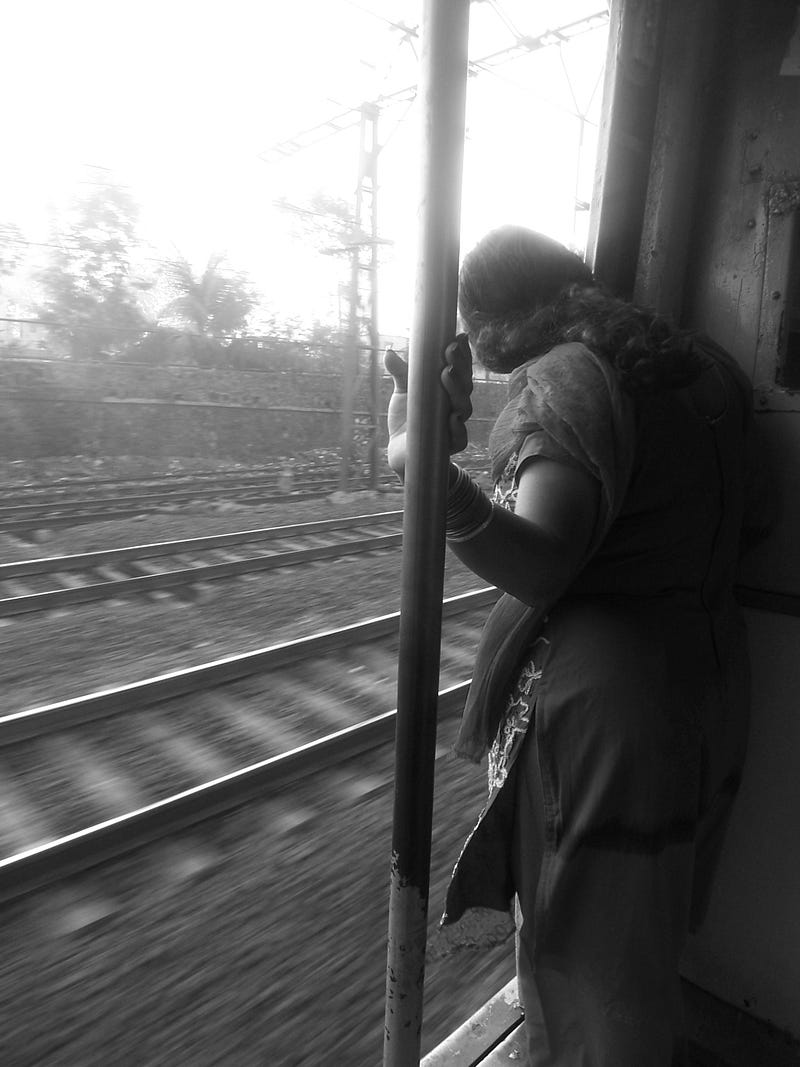
Bombay, like New York, is a city that never sleeps. Bombay, like New York, is a kaleidoscope of experiences. One such experience is riding the Bombay local train that ferries 7.5 million people across the city every day. It is said that you have not experienced Bombay, if you have never travelled on a Bombay Local, as these trains are called. On one visit, I entered the women’s compartment of a Bombay Local with my camera, and some interesting pictures emerged. I chose gray to reflect the strength of the city, the grit of its people, and the spirit of the Bombay Local.
#10. Oh Calcutta!
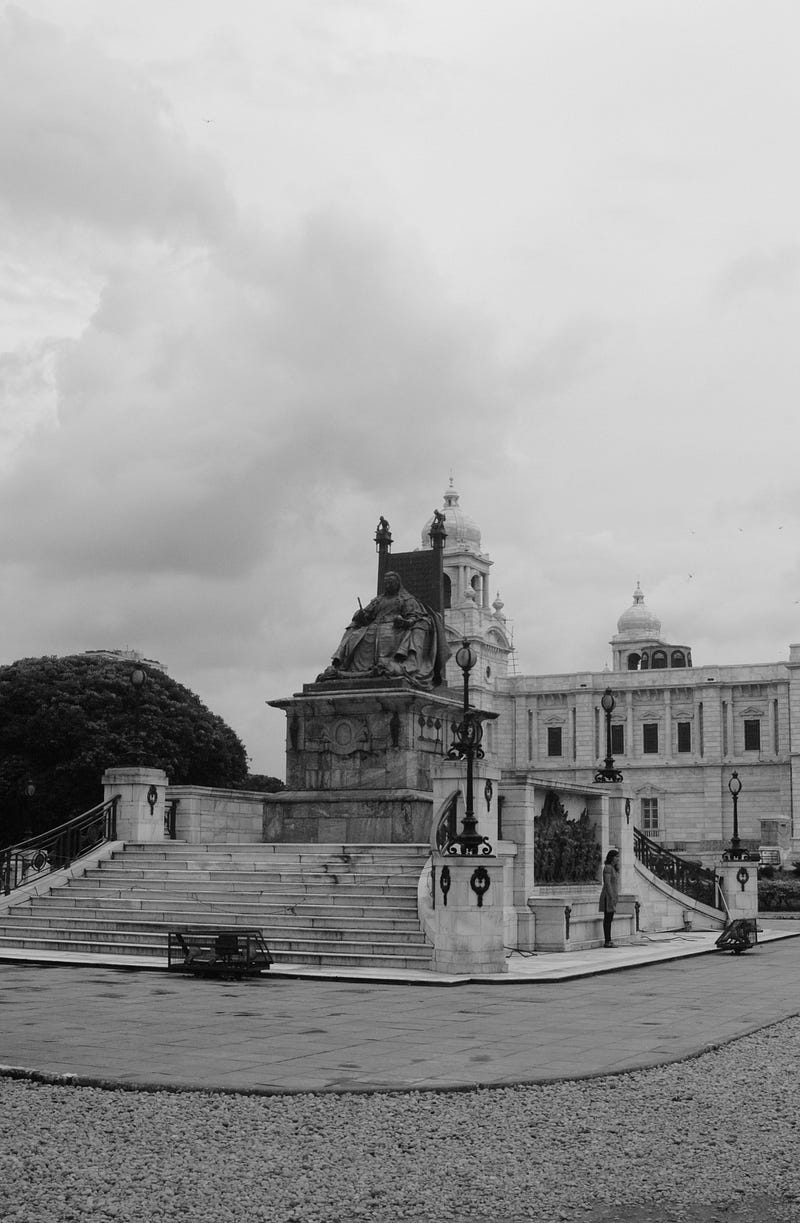
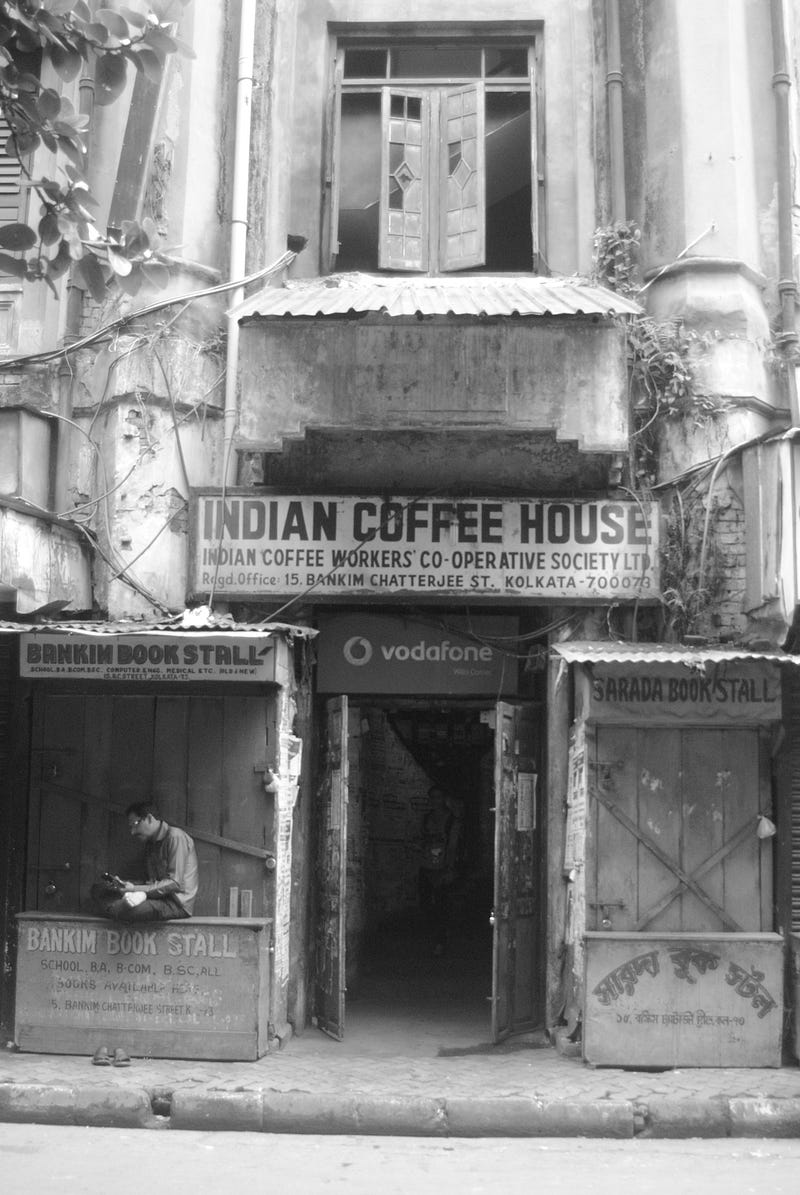
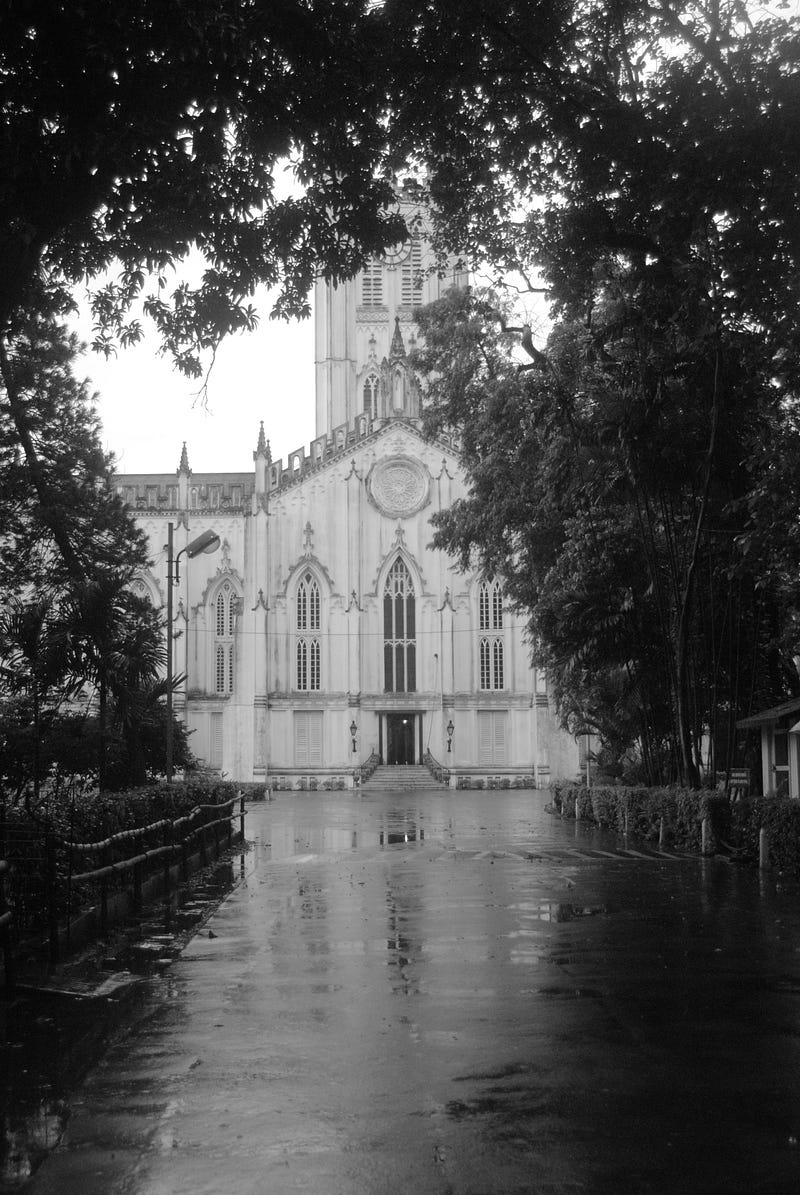
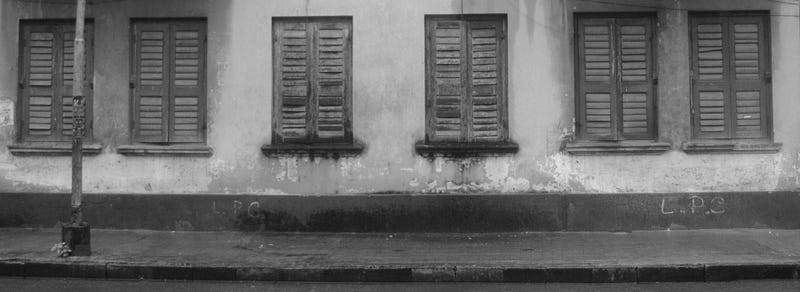
No city in India lends itself to black and white photography like Calcutta. Once the capital of the British in India for 137 years, it has since fallen off most travelers' itineraries today. But visiting Calcutta still has much to offer. Time stands still here and its streets whisper of stories waiting to be told. What better way to capture a city lost in time than to photograph it in black and white?
#11. Following empires lost in Delhi
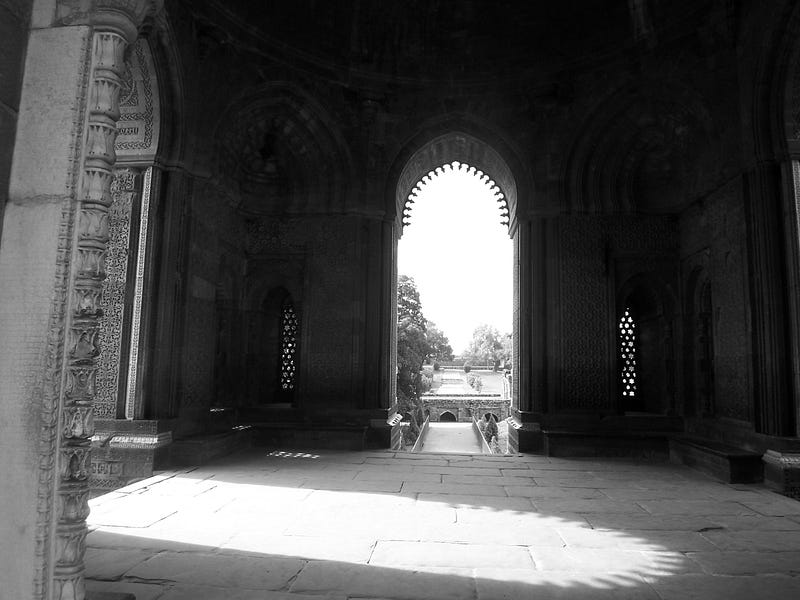
Delhi, like Rome, Istanbul, and Athens, is a city of ghosts. The ghosts of lost empires. These great capitals of the world were not just cities, but symbols of power. It made them the target of every invading army that sought to rule the world. New empires were built on the ashes of old ones. That’s why a walk through the older parts of Delhi is inevitably a walk through a portal of time, where you will stumble on documented and undocumented history. The picture below was shot at Qutb Minar, built in the twelfth century by the Mamluk Dynasty. I used gray to reflect its oldness, but also because I love the interplay between shadow and light seen in Islamic architecture.
#12. Looking down the edge of the world in Ladakh
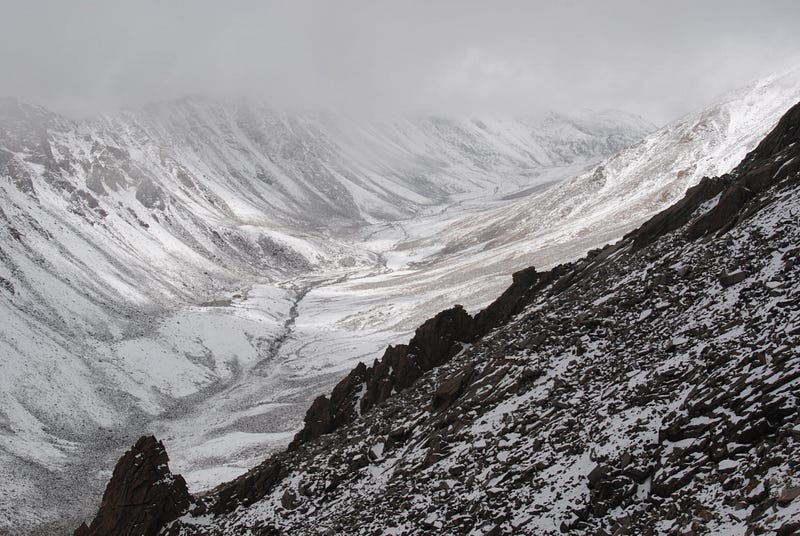
Some of my most incredible mountain experiences in India have been in Ladakh, Himachal and Sikkim. The mountains of Ladakh are not as treacherous as the ones in Himchal and Sikkim, but they are equally spectacular. Some of my best experiences as a travel photographer have been in these parts. And I did not have to do anything special, I just had to show up. Like in the Andamans, the color of the Zanskar Range (a branch of the Himalayas), seen in the picture below, is naturally gray. But here at least we can tell it is a colored photograph. Only, it’s a black and white photograph in color, which is pretty unique as well.
More incredible stories in gray I enjoyed:
What if Our Most Colorful Landscapes Were Gray, Instead? by Carol Labuzzetta, MS Natural Resources, MS Nursing— I enjoyed thinking about the answer to that question and her photographs.
Gray Graves with Warm Memories by Rhonda Carrier— I loved how she used gray as a walk down memory lane.
Many Shades of Gray — Temples, Tombs, Fortresses, Cemeteries and Churches by Jillian Amatt - Artistic Voyages— It was interesting to think of gray as just another color in our world and how much there was of it.
Thank you Anne Bonfert for your wonderful prompt November Monthly Challenge — Gray, which got us started!


