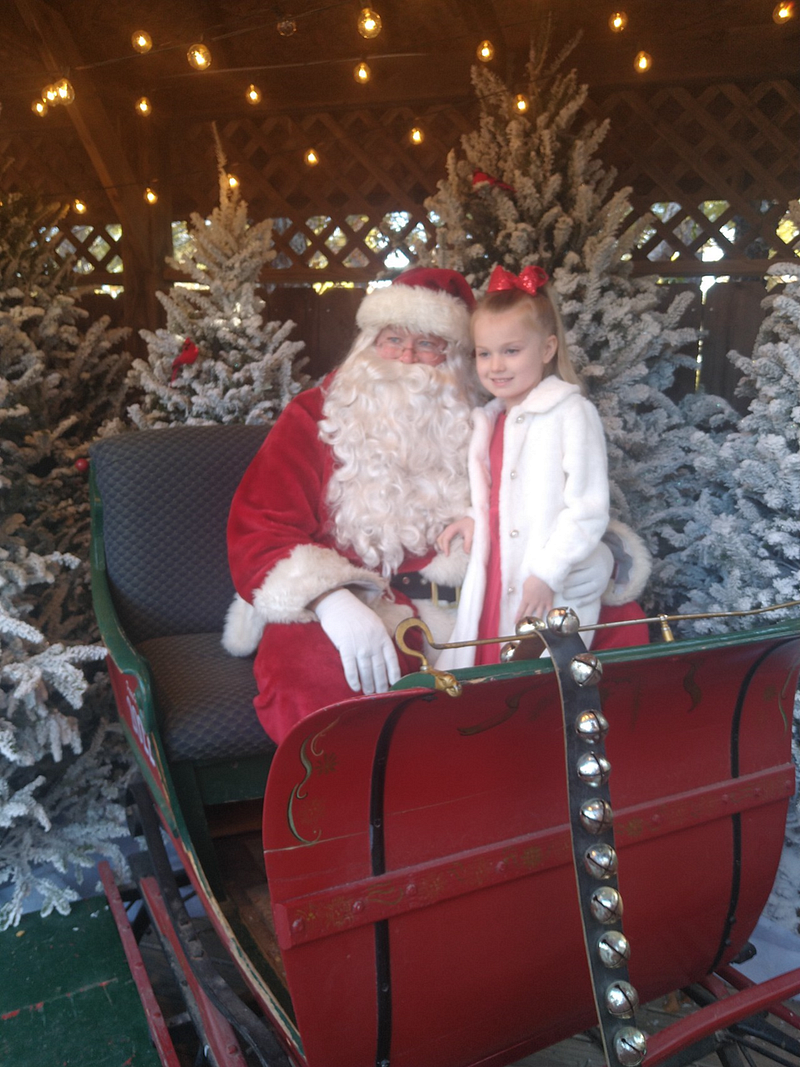
My Daughter Wants to Know: Is Santa Real?
It’s a Good Thing Virginia Didn’t Ask Me

My six-year-old daughter came home in tears the other day from school. An older kid on the bus told her there was no Santa. He said it was just her parents putting out gifts on Christmas Eve.
“He’s wrong isn’t he?” she begged between sobs, ”There is a Santa isn’t there?
I know what I was supposed to say. I know the “Yes, Virginia” story.
I was supposed to ask what she thought. I was supposed to talk about the spirit of Christmas, and I was supposed to say that if you believe, then, of course, there is a Santa.
But, here is the rub.
Personally, I am not sure about this whole Santa Claus thing.
When I was a younger man, I swore I would never tell my kids that a made-up person creepily watched them all year, even when they slept, and brought them free presents just for being good.
We teach them that he makes his toys at the North Pole with a band of merry elves happily working for the rotund, jolly man. Then, on Christmas morning, they get store-packaged gifts made in China and advertised on TV.
It’s not very believable.
I changed my tune when I had my first and only child.
Christmas was such a magical time and I loved watching her excitement when she saw that the carrots left on the back porch had been eaten by reindeer. She would squeal with joy when she saw that Santa had enjoyed almost all of the cookies only leaving behind one half-eaten cookie and a plateful of crumbs. When she would turn and see everything next to the tree that she had asked for, she would jump up and down with delight.
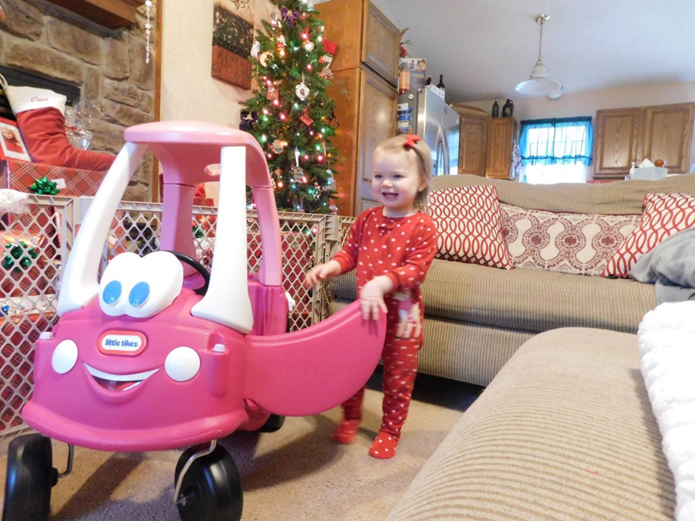
I didn’t want that innocence ever to disappear. I didn’t want to lose that feeling I had while I watched her with her gifts on Christmas morning.
The magic and joy were as much for me as it was for her. I don’t think any kid should be denied those moments of suspended disbelief. But the truth is, the older kids on the bus, that is also part of the magic of Santa Claus.
It happened to us all, maybe not on the bus, but at school or in a park or by an older sibling.
There came a time when our suspicions were confirmed. There was no Santa, and we had to decide how to react. We could go home crying to our parents, pretend we still believed, or we could ignore the growing evidence of empty boxes found in the garage, the loud whispering of our parents as they set the presents out and, of course or the enigma of packaged toys that no elf with a wooden hammer and tiny stool could every have produced.

Why did we all go along with the myth when everything seemed to deny its authenticity? Was it selfishness? All a kid has to do is pretend to believe in Santa, and he gets gifts.
But, it is not as devious as that. Christmas is a wonderful time and neither the kids nor the parents want to lose that. So, children play a game they don’t necessarily know they are playing. The evidence is there but they believe longer than they probably should because they really want to believe. In return, this becomes a subconscious gift to their parents who also want this to go on as long as possible.
But eventually, that isn’t enough. That moment when they can get past all the evidence and decide that they don’t really believe anymore is an important moment. When they can actually communicate to you that they don’t believe, that is growth. That growth is necessary to develop and mature.
So, does Santa exist? Sure, it really is about the spirit of Christmas.
Did I say that to my child? No, I am not that smooth.
“Of course he exists,” I said, ”Where do you think all the presents come from?” She dried her tears thankful that at least for a little while, we can still hold on to some of the magic of Santa Claus.