
More Than 6 Cups of Coffee Can Be Bad For Your Brain
A study suggests excess coffee consumption could increase the risk of dementia by 53%.
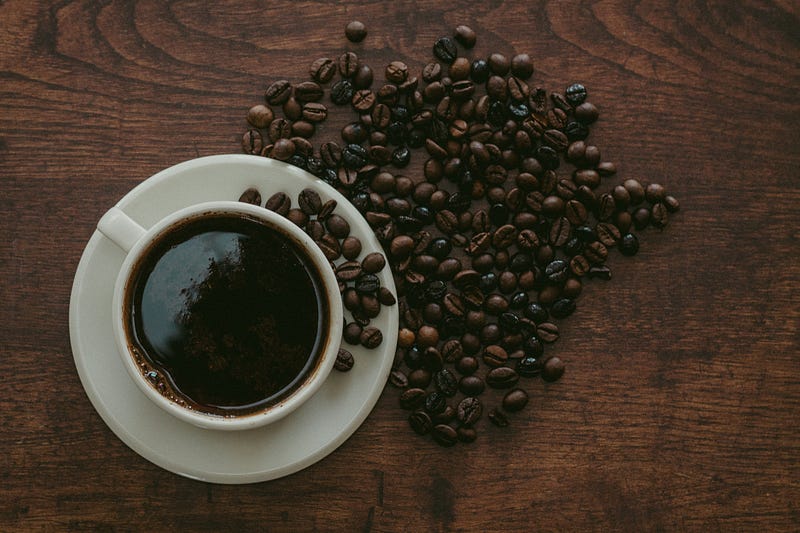
For most of us, a quick coffee is a favorite first-order of the day to give your morning energy levels a boost. However, new research from the University of South Australia shows that too much coffee is linked to increased dementia risk and smaller brain volume.
Coffee is one of the most consumed beverages in the world after water, with global consumption exceeding 9 billion kilograms each year. Coffee contains caffeine which stimulates the central nervous system. While the immediate effects of caffeinated coffee on cognition and alertness appear typically beneficial, caffeine is also known to have broad physiological influences, affecting mood, motor activity, sleep patterns, body core temperature, heart rate, and oxygen consumption.
Therefore, it’s critical to understand any potential health implications. The current literature regarding the potential effects of higher coffee consumption on brain health risk is very variable in outcomes. Until now.
In the largest study of its kind, researchers have found that high coffee consumption is associated with smaller total brain volumes and an increased risk of dementia. The study assessed the effects of coffee on the brain among 17,702 UK Biobank participants (aged 37–73) with MRI information.
Lead researcher and UniSA Ph.D. candidate, Kitty Pham, says the research delivers important insights for public health.
“This is the most extensive investigation into the connections between coffee, brain volume measurements, the risks of dementia, and the risks of stroke — it’s also the largest study to consider volumetric brain imaging data and a wide range of confounding factors.”
The findings of the study are that those who drank more than six cups of coffee a day had a 53 percent increased risk of dementia. Furthermore, people with a higher habitual coffee consumption have smaller brain volumes, which is in line with earlier research and has increased stroke odds.
Kitty Pham commented:
“Accounting for all possible permutations, we consistently found that higher coffee consumption was significantly associated with reduced brain volume — essentially, drinking more than six cups of coffee a day may be putting you at risk of brain diseases such as dementia and stroke.”
Stroke is a condition where the blood supply to the brain is disrupted, resulting in oxygen starvation, brain damage, and loss of function. Globally, one in four adults over the age of 25 will have a stroke in their lifetime.
Dementia is a degenerative brain condition that affects behavior, thinking, memory, and the ability to perform everyday tasks. About 50 million people are diagnosed with the syndrome worldwide.
Although the findings of this study may be a bitter brew for coffee lovers, it’s all about finding a balance between your health and what you drink.
Senior investigator and Director of UniSA’s Australian Centre for Precision Health, Professor Elina Hyppönen said:
“This research provides vital insights about heavy coffee consumption and brain health, but as with many things in life, moderation is the key. Together with other genetic evidence and a randomised controlled trial, these data strongly suggest that high coffee consumption can adversely affect brain health. While the exact mechanisms are not known, one simple thing we can do is to keep hydrated and remember to drink a bit of water alongside that cup of coffee.”
In conclusion, heavy coffee consumption was associated with smaller brain volume, i.e., reduction in total brain, grey matter, white matter, and hippocampal volume. This study also shows that higher coffee consumption increased the odds of dementia and/or stroke.
“Typical daily coffee consumption is somewhere between one and two standard cups of coffee. Of course, while unit measures can vary, a couple of cups of coffee a day is generally fine.”
Prof. Hyppönen says.
“However, if you’re finding that your coffee consumption is heading up toward more than six cups a day, it’s about time you rethink your next drink”
Thank you for your interest in science! Feel free to put questions, comments, and suggestions for future articles in the comment section.
If you want to support:
- If you are not a Medium member yet, you can my referral link so I can get a part of your fees from Medium, you don’t pay any extra.
- Subscribe to my Newsletter to get best tutorials, research, education, and scientific-based tools for everyday life directly in your email inbox.
While you’re here, check out one of my other articles.


