
The Applications of Image Recognition in Insurance
Image recognition techniques are already prevalent in many industries. In the banking industry, facial recognition is used to let users log in to mobile banking services on their smartphones. The verification of signatures or other handwriting is applied to deposit a check by taking a photo of the signature. Image recognition together with the video stream from a 24-hour surveillance camera can identify suspects after an event. Similarly, law enforcement will use vehicle recognition technology to identify vehicles.
In this post, I will list several ongoing developments that start to disrupt the insurance industry. I also discuss the obstacles that prevent widespread applications in the insurance industry.
Application 1: Real-time car damage assessment
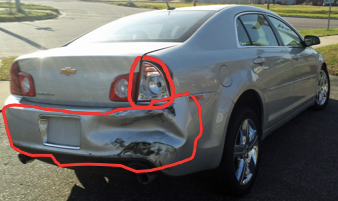
When an assessor reviews a car damage claim, it can take one to four weeks for the assessor to visit, inspect and evaluate the expenses for the damaged car. Can this length process be shortened? Some insureTech startups such as Tractable Technology are using the technology for automated damage analysis. (Click here for an illustration of their image recognition model.) The car owner can take pictures immediately after the car accident to the claims department. The compensability of the damages can be determined according to the detected car parts. The information regarding repair costs and logistics can be subsequently provided to both the insurer and the car owner. The technology is expected to shorten the process significantly from weeks to one day.
In “Transfer Learning for Image Classification — (6) Build the Transfer Learning Model” of the book “Transfer learning in image classification”, I show readers how to build a transfer learning model to recognize car damage images. Readers who are interested are recommended to follow that book.
Application 2: Use satellite images for agricultural insurance pricing
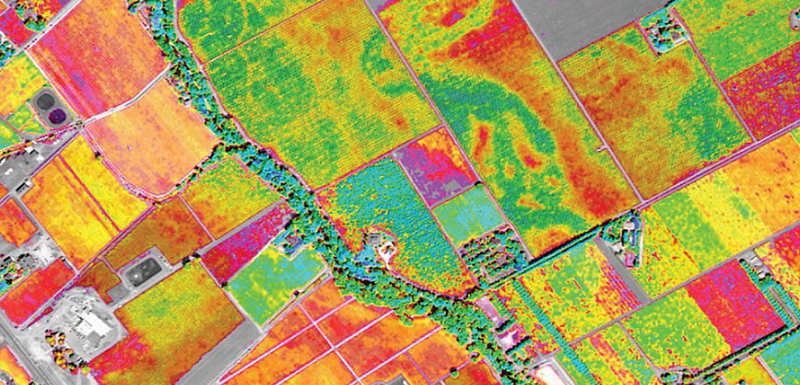
Insurers are always looking for ways to increase efficiencies and lower operating costs. The use of satellite images helps to survey and monitor a large agricultural area (such as crops) day and night. This job requires many days and task forces to collect the data. The satellite images allow insurers to receive real-time updates of potential perils in the fields. The data from the images, with the boundary of the insured, will help insurance price risks more accurately. Normalized Difference Vegetation Index (NDVI), an index that quantifies vegetation by measuring the difference between near-infrared (which vegetation strongly reflects) and red light (which vegetation absorbs), helps to quantify the impact of a particular peril such as hail or drought.
For readers who want to know more about crop insurance, click the video below.
Application 3: Use drones to take photos of house roofs
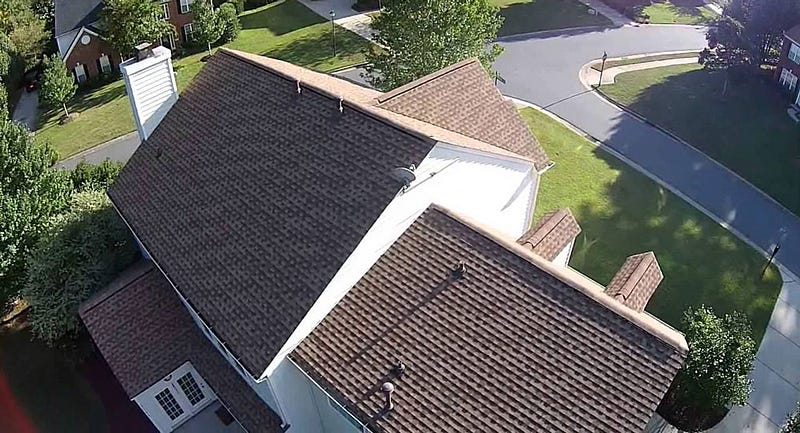
The use of drones in Property & Casualty insurance will soon become the standard procedure for quoting, inspection, and damage assessment. A drone can take hundreds of images in 10 to 20 minutes for quoting purposes. After a hurricane, roofing contractors are booked quickly so it will take several weeks to have one inspect your roof. The use of drones provides speed and service. Also, this way is safer for insurance company employees to mitigate the risks of claiming roofs. ViewSpection, a Hartford InsurTech startup, developed an app that enables an insurance agent to take digital photos of a property and submit the images back to the insurance system, which in turn produces a detailed risk assessment report. The policyholder can use the same app for interior inspection.
Application 4: Radiological imaging diagnostics
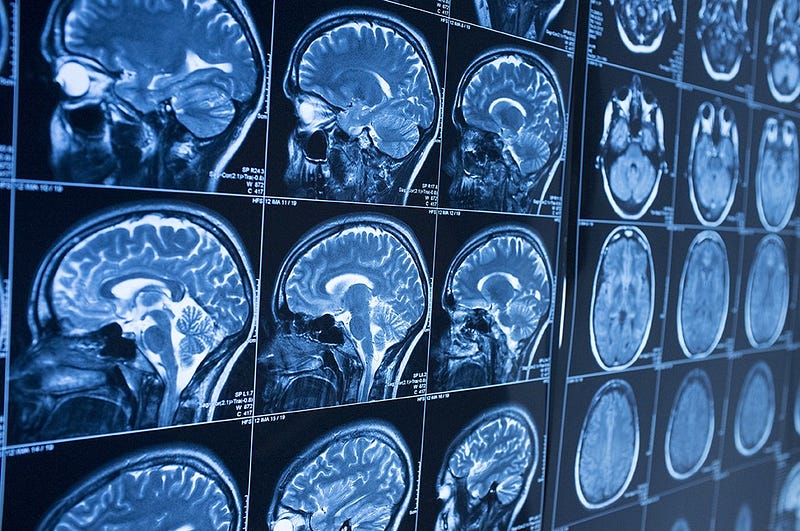
Some leading healthcare organizations are beginning to apply deep learning to identify pathologies in radiological images such as bone fractures and potentially cancerous lesions. IBM Watson shows examples of how they can speed workflow, improve imaging accuracy, improve reimbursements, and monitor analytics in real-time. While the goal is not to replace a radiologist, the system aims at efficiency by eliminating the need for humans to do tedious and time-consuming tasks. The accuracy is still a concern. For the most part, the best systems are currently on par with human performance and are used only in research settings. Since this is still an active research area, the following video clip may inspire you with more ideas.
Application 5: Risk modeling with image data
Facebook can identify 98% of its images to the right person. Facebook uses its imaging technology to identify and remove fake accounts. Such image-based fake identification has immense potential in banking and insurance. A fraud model can be enhanced by the image score to identify a false account and transaction. Can we leverage the image-based fraud score for underwriting or risk segmentation? Can we cross-reference the image score of a bad account with related accounts in its social network? There is numerous potential in using the image data for fraud identification.
What are the challenges in applying image recognition in insurance?
Accuracy level: Applying image recognition to the insurance industry still faces many challenges. The most important factor is the accuracy level. Currently, the highest accuracy rate is around 90%, which is unlikely to be good enough for applications. A small error in image detection can cause the firm to face a complex legal challenge and customer dissatisfaction. On the other hand, a false claim that the machines fail to detect may result in a large financial loss.
Regulatory concern: Insurance rates are not permitted to be excessive, inadequate, or unfairly discriminatory. There are state laws that forbid discrimination on the basis of age, race, or sexual orientation. Some image data may be judged inappropriate for insurance rates and claims. Even though there is no data that raise regulatory concern, the public still wants to know what types of data are extracted from the images and what algorithms are applied. Such regulatory concerns and reputation risks should be considered.
Data security: data breaches rise every year. Data can be copied, transmitted, and stolen by hackers. For example, if facial recognition is used to identify a customer, the system can be infiltrated so the hacker can access private information. To mitigate the risks, every company needs to adopt a modern security approach that helps identify the real threats. A company should have a companywide data security strategy beyond the IT department. This includes employee exit strategies (HR), remote project protocol, on- and off-site data storage practices, and training, policies, and procedures. If your company employs vendors and partners, it is important to hold them to maintain the same level of security protocols.


