
Minolta RF Rokkor 250mm F5.6 — The Smallest Reflex Lens
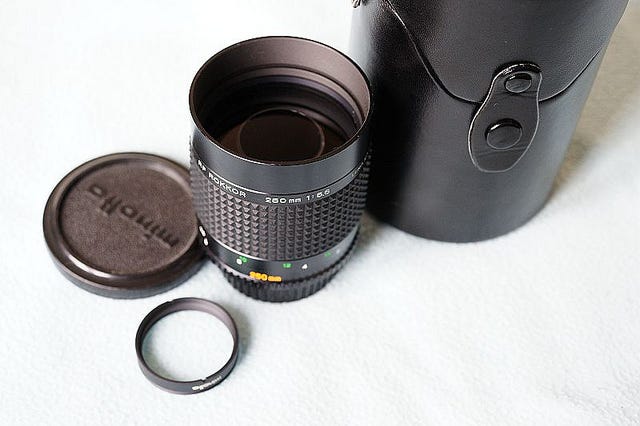
The Minolta RF Rokkor 250mm f5.6 (from now on, say 250RF) is not only light and high quality. Another concern is its second-hand price.
When I bought this lens in 2007, it was only about USD 150. At that time, I only wanted to buy it for lotus photography, and in the eyes of my friends, this lens was only worth over USD 100. I remember that there were not many reviews or descriptions of this lens on the internet. I heard from some seniors photographer. In the 1980s, most photographers were very pessimistic about the mirror. In 2004–5, the Matsuya second-hand camera shop once saw it for USD 100
IF you Like my reviews , please suport me by buying me a coffee.
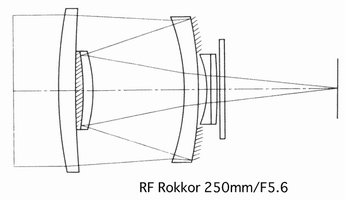
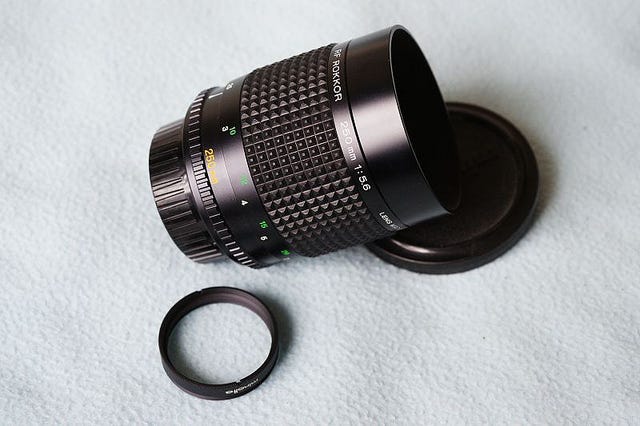
What makes the 250RF attractive to the users.-Weighing only 250g, it's compact and convenient, so you won't feel any pressure from the heavy lens when shooting, even if you hold it for half a day.
-The 250mm focal length is practical for use on different formats
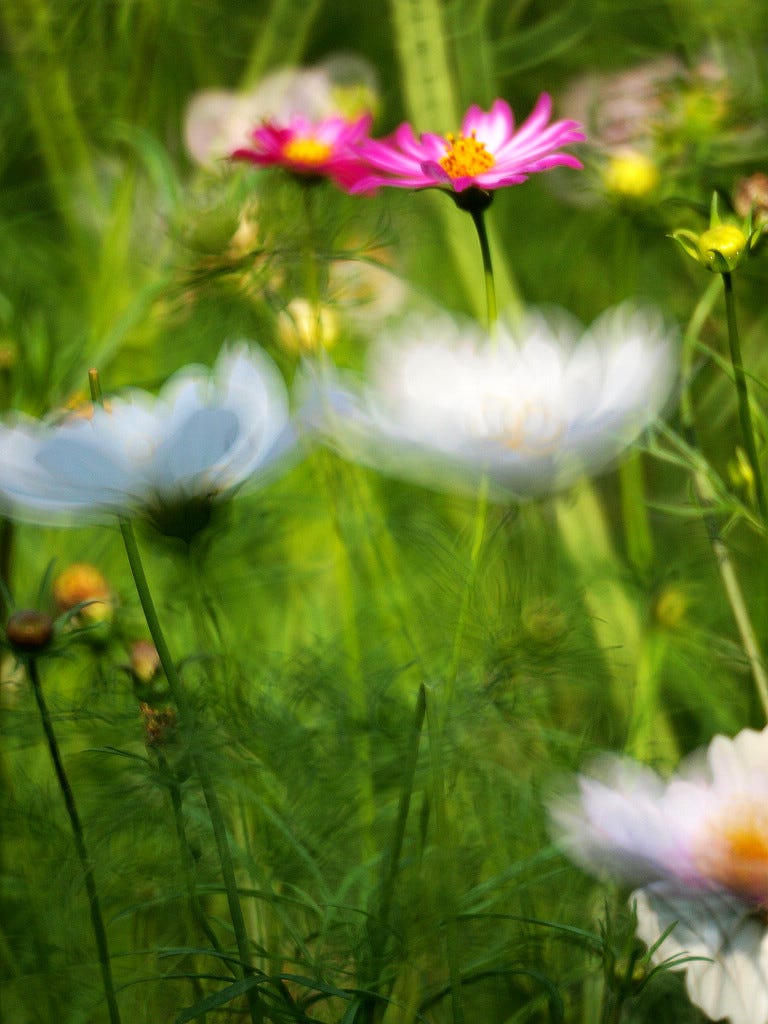
-The bokeh is more detailed and dense than other reflectors, giving a poetic touch to the bokehOperation:
The focus range from 2.5m to infinity is about 180 degrees, half a turn too far. From 2.5m to 4m, the focus range is also a little bit further. The 250RF has been changed to M42, and the closest focusing distance has been pushed forward to about 1.5m, which makes it much more practical, but the picture quality at 1.5m to 2.5m is not as good as at 2.5m. Most of the 500/8 mirrors have the closest focus distance of around 4m to 5m, which sometimes takes a little time to find the subject you want to photograph, and sometimes it is not possible to achieve the closest focus distance due to the tight space you are shooting in. It is also easier to take close-ups of lotus flowers at a more relative distance, and the magnification is better.
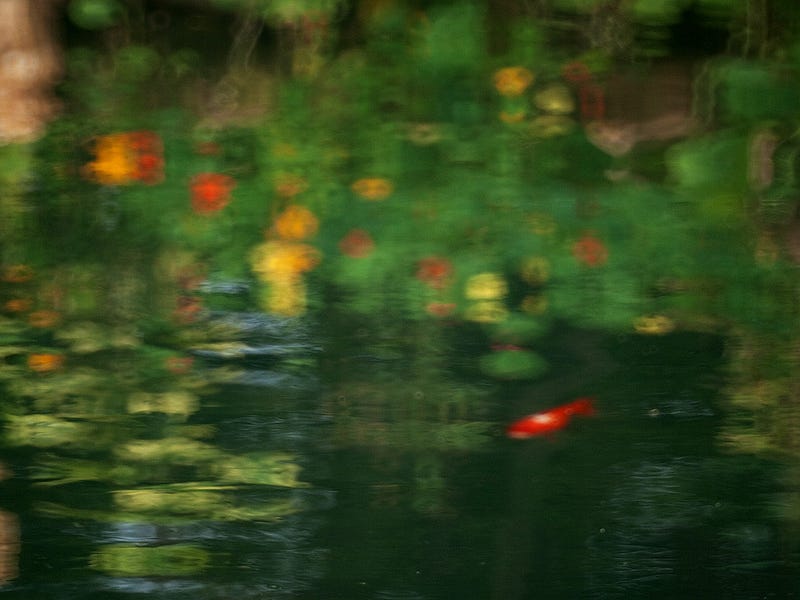
The 250RF aperture is only a constant f5.6 aperture, but it is one-stop larger than the standard f8 aperture with a reflector. When shooting at close range, the depth of field is relatively shallow, and the focus and contrast are not a problem when there is plenty of light. However, when shooting lotus flowers on a cloudy day or at sunrise, focusing may be more complex, and the contrast will be lower, which is not conducive to focusing. It is advisable to use a 400 degree film or push up the iso 640–1600 for a shutter speed of 1/60s or more when using the camera for the first time. In the digital mirrorless era, it is possible to use peaking to help focus, and the most effective way is to zoom in 10x to focus.
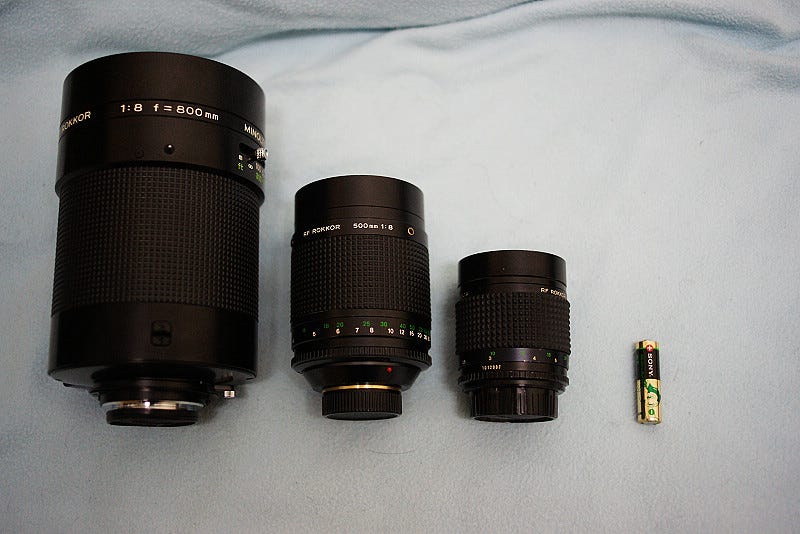
Image Performance:
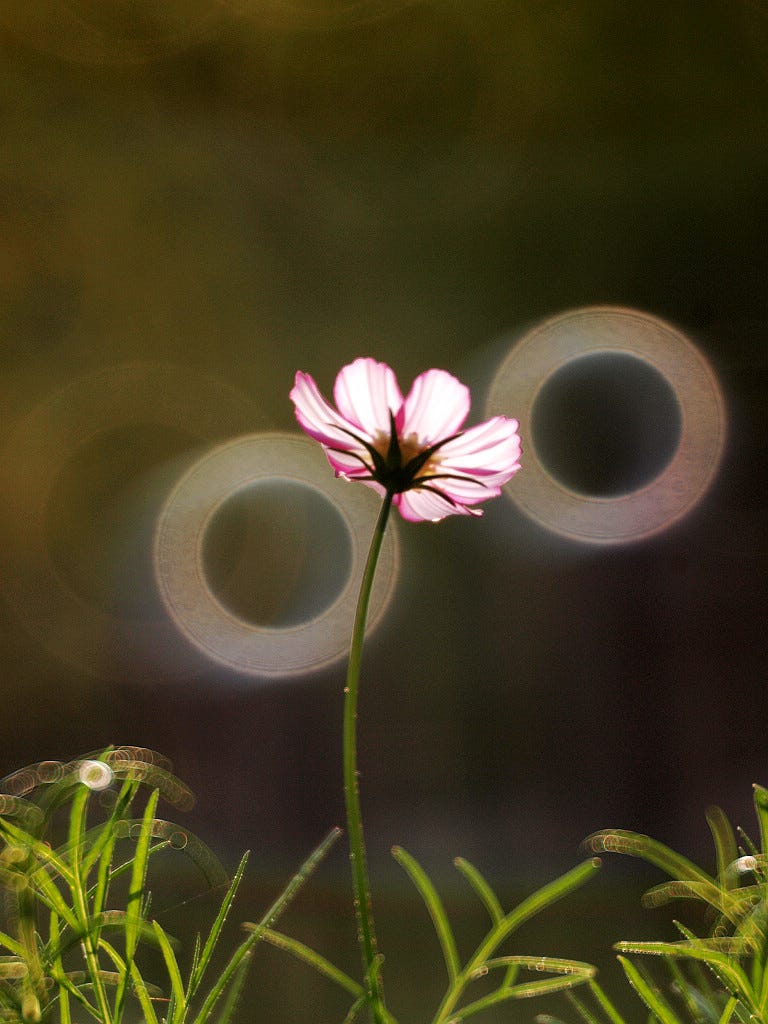
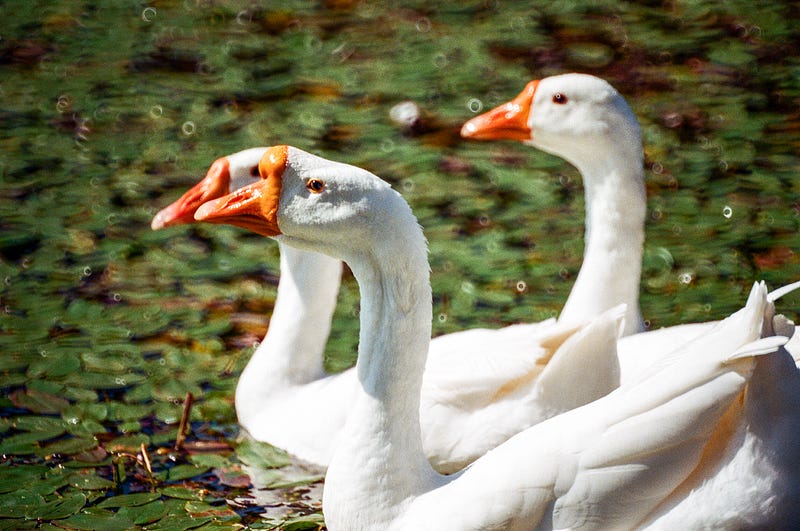
This lens is not only lightweight, but it is also sharp and has the right amount of contrast to change the impression of a reflex lens. In the film era, most reflexes were not sharp, and the contrast and saturation were not sufficient to make them appealing. 250RF, in contrast, has good contrast, sharpness and colour. In addition, in the digital age, colour and contrast can be enhanced post-production, making the image performance even more pleasing. If you want to have a doughnut bokeh in the background, you can shoot against the light and look for areas with reflections in the background, such as leaves, water spots, etc. The reflections are in fact, the doughnut bokeh. If they are distributed regularly in the background, it will significantly enhance the beauty of the image and the sense of colouring. When using this lens, you will be attracted to the doughnut at first, and often the composition is compromised to express the doughnut, or worse, it may take away from the main focus and affect the expressiveness of the work.
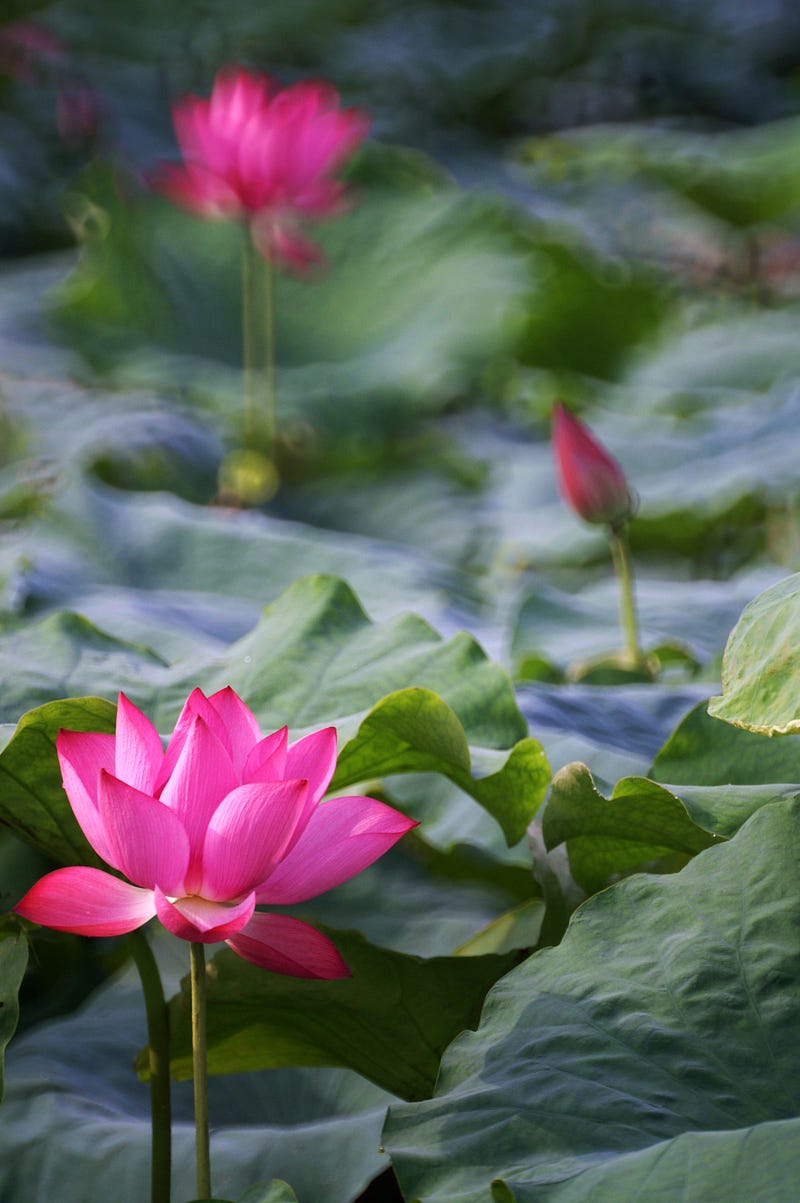
After you get used to it for a while, you will be attracted to its bokeh. Why do so many people like to use this lens to photograph lotus flowers because it can break up the chaotic branches and leaves and make the subject more prominent? Dr Wong Kwai Kuen has used this lens to photograph lotus and plum blossoms, resulting in an almost Chinese painting-like expression. However, when people lose interest in the doughnut, they put the lens in a moisture-proof box or sell it.
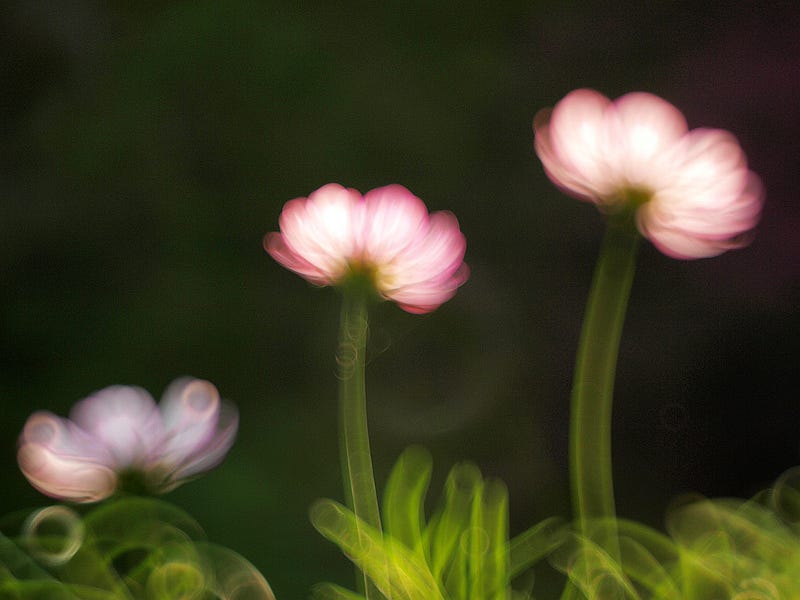
Some people do it for the wave bokeh, others do it for the bokeh effect, and it seems to be the wrong lens to go for if you are looking for consistent sharpness in the centre and at the edges. The most important considerations when choosing a reflex lens maybe the size of the waves in the bokeh, how dense they are, the transition of the bokeh, the performance of the bokeh, the closest focus distance, the magnification of the lens, the weight and so on. Nowadays, a 250RF is probably enough to buy most reflex lenses such as the Contax 500/8, Nikon 500/8 Orange Circle, Minolta AF 500/8 and so on. Manual high-quality telephoto lenses are also very affordable, so it is essential to look at other options when choosing a reflex lens.
I have been using this lens for 10 years, on M43 (500mm), APSC (375.5mm) and FF (250mm). I guess what makes the 250RF more attractive than other reflexes is that the focal length of 250mm is one of the shortest in reflexes, so even when attached to an M43 or APSC system. The focal length becomes a very practical or common focal length, and the lightweight and reasonable quality is the biggest reason why people like this lens.
After 10 years, the 250RF is the only lens I use for lotus, flowers and plants.
Conclusion.
If you look at the 250RF as a creative tool, you will be happy to see the world through a reflector with its unique wave bokeh or bokeh and capture the image you want. I have been using this lens for 10 years, and I only look at it when I am shooting, looking for the right bokeh in the front and back, moving between the real and the virtual, the seen and the unseen, and it really does make a difference.
This lens is no longer only sought after by Minolta enthusiasts, as its lightness and high quality have attracted Nikon and Canon shooters to use it with rings, so the price has risen sharply. The price has reached a level that may not be acceptable to the general public. If you don’t have an emotional knot or don’t care about weight and size, the Tamron 350mm f5.6 reflector is another option. I’ve also seen people using the Samyang 300/6.3 as a full-length reflex lens, and the results and weight are pretty good. However, if you are a travel lens or do creative work, you will want the 250RF lens very much.
Actual photograph:
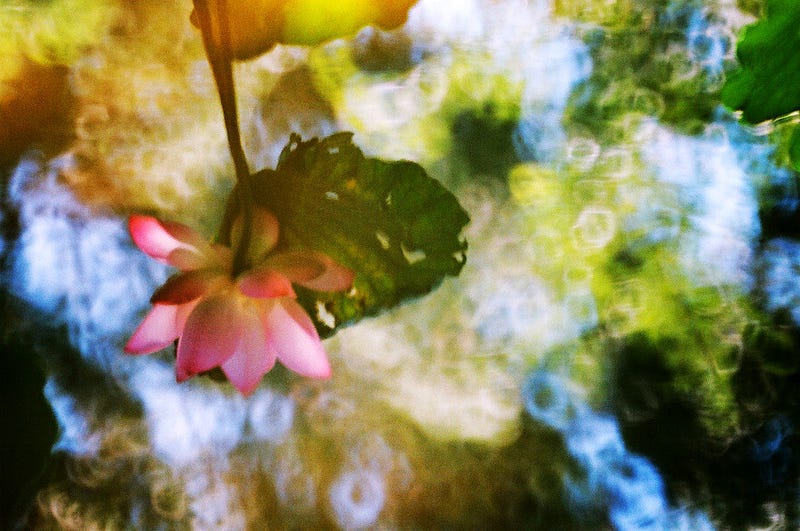
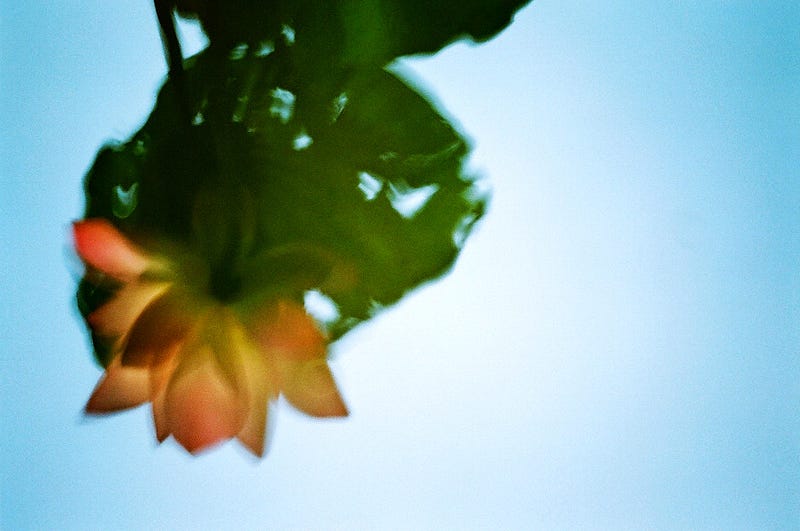
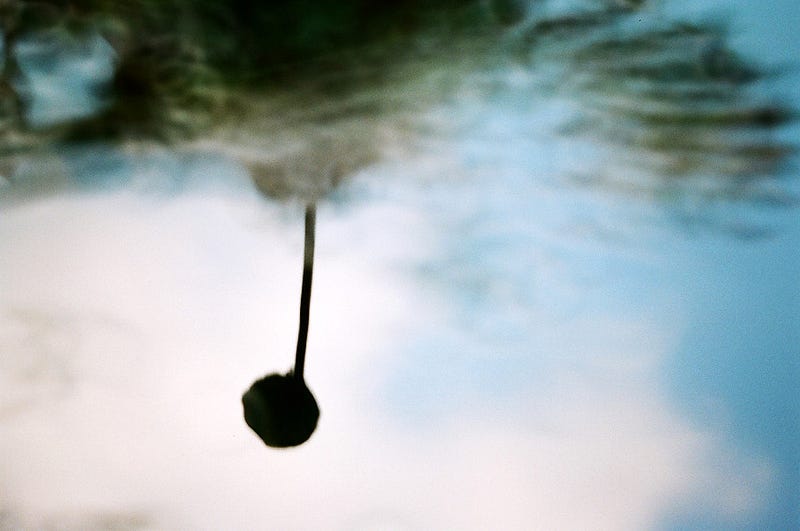
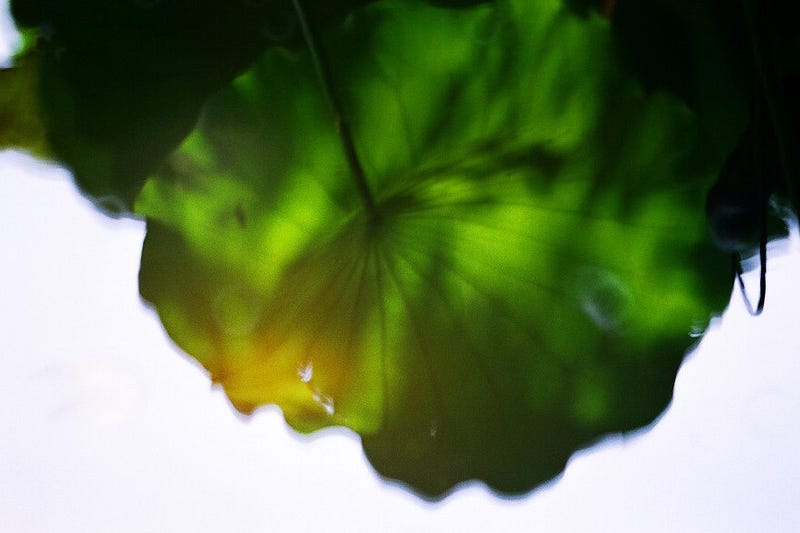
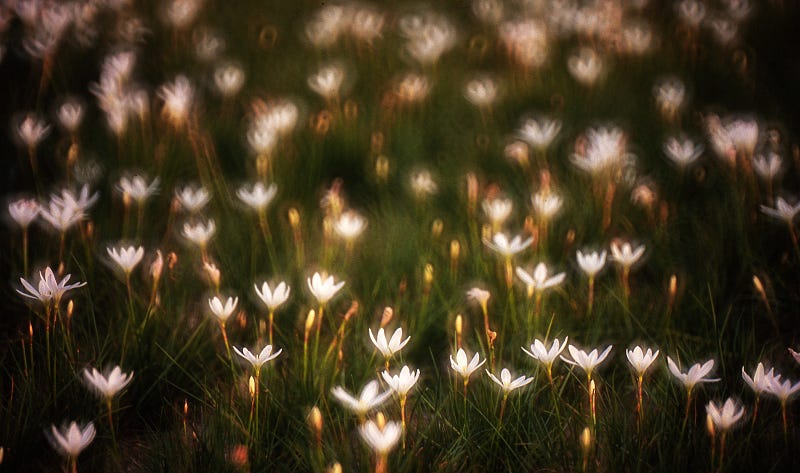
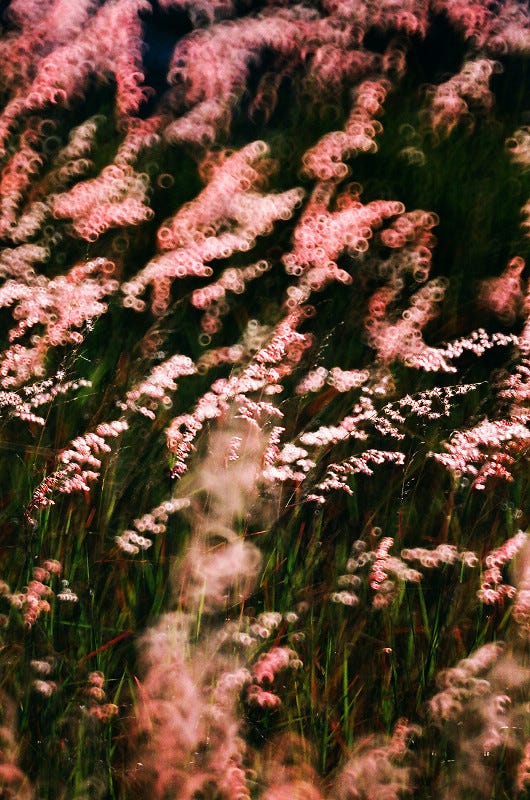


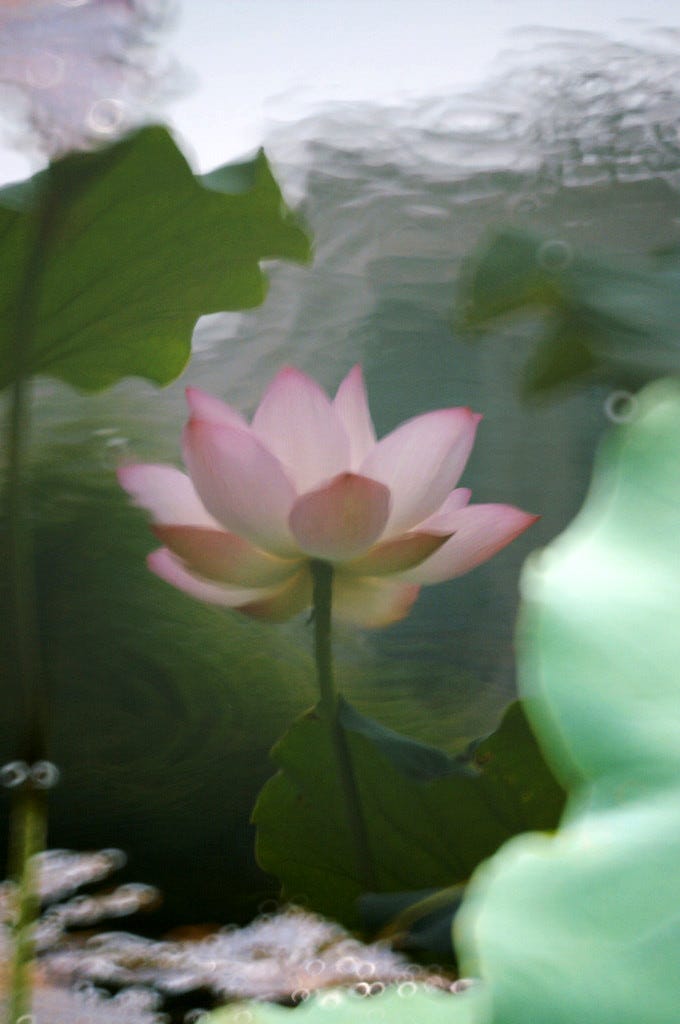
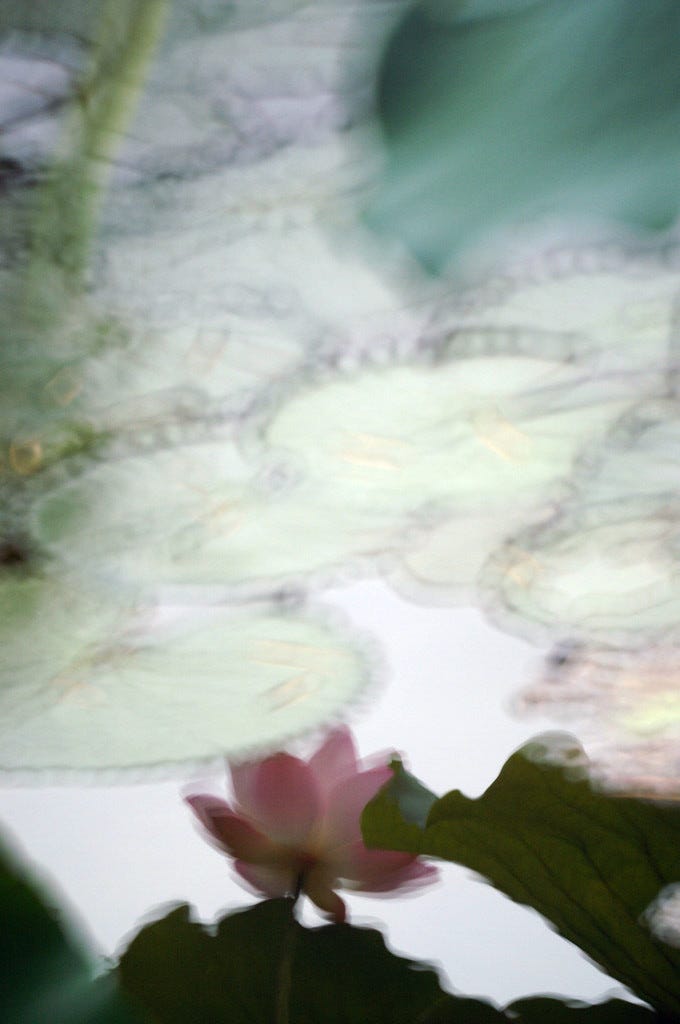
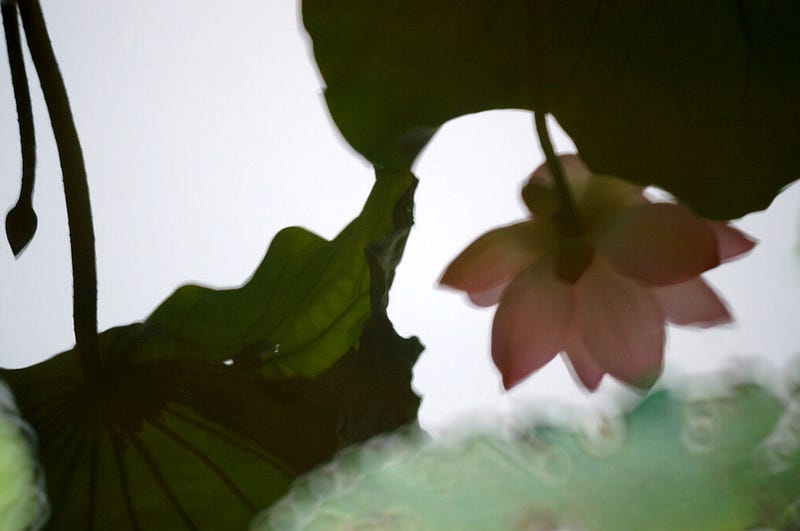
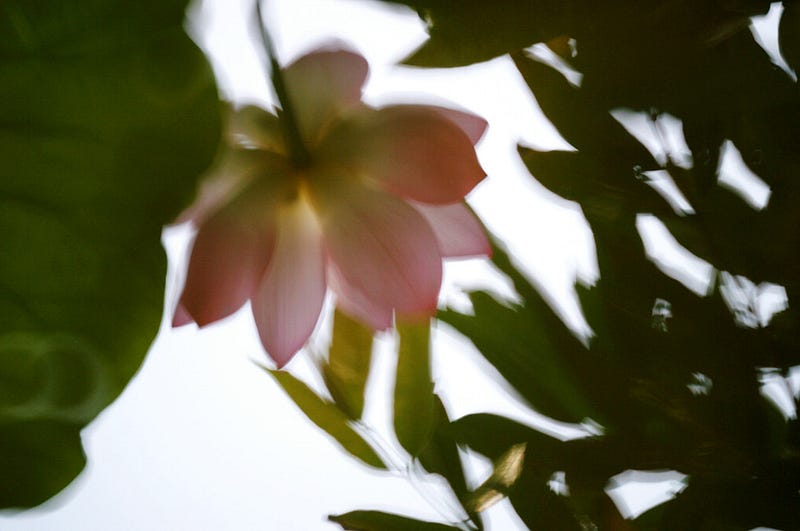
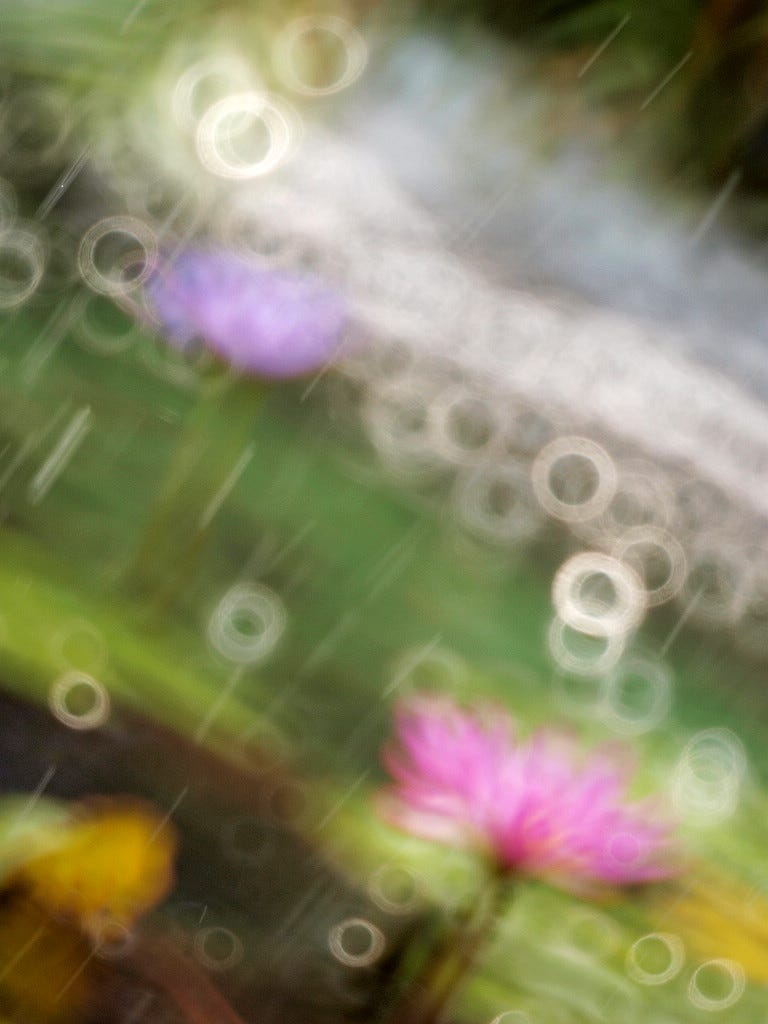
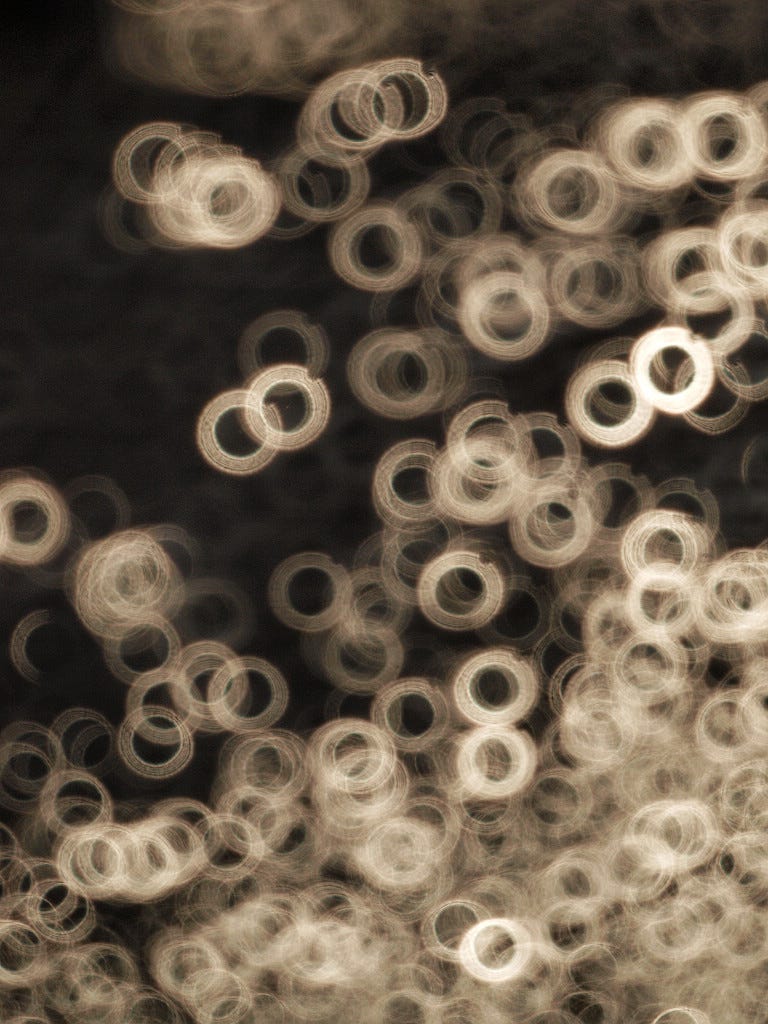
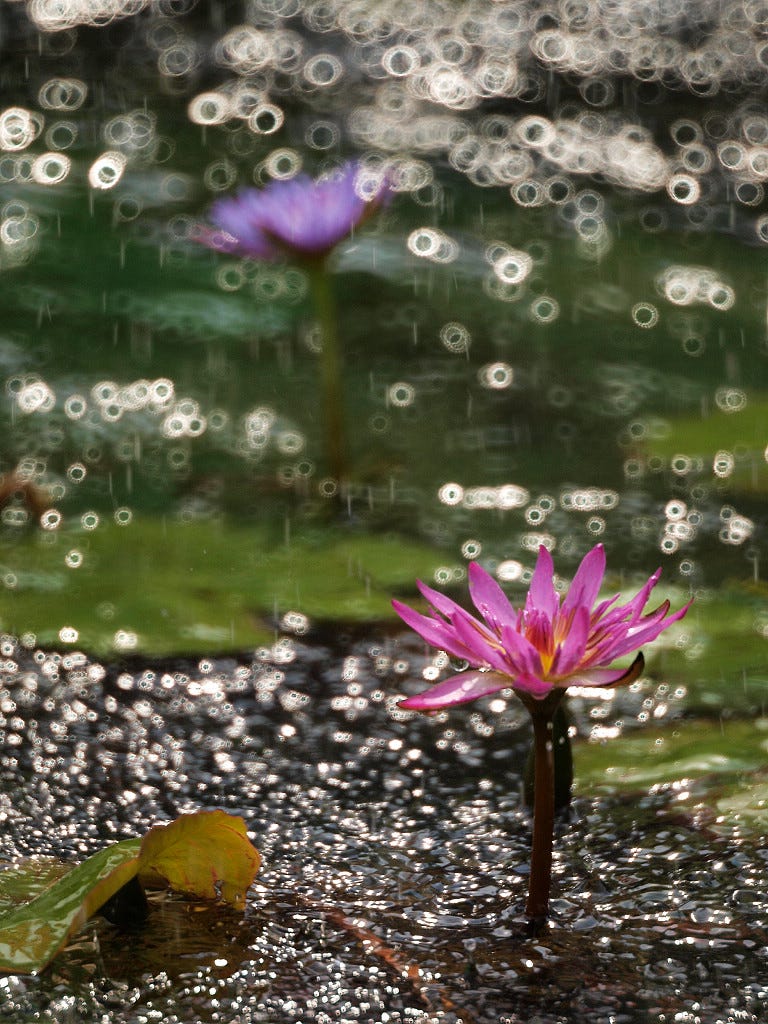
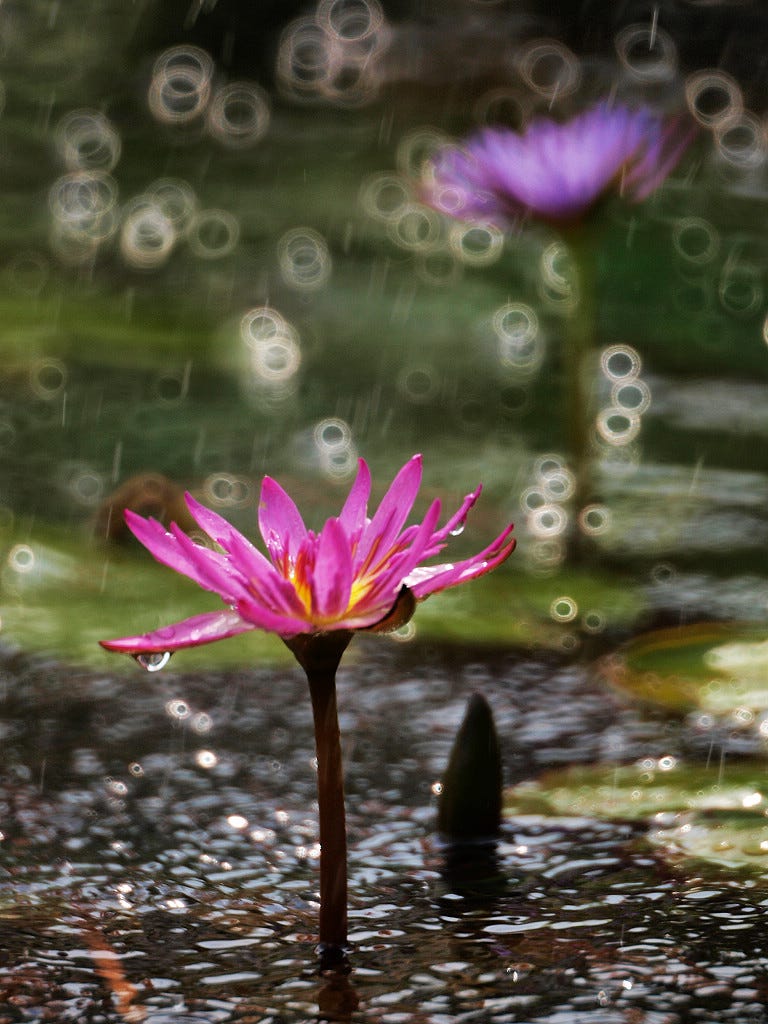
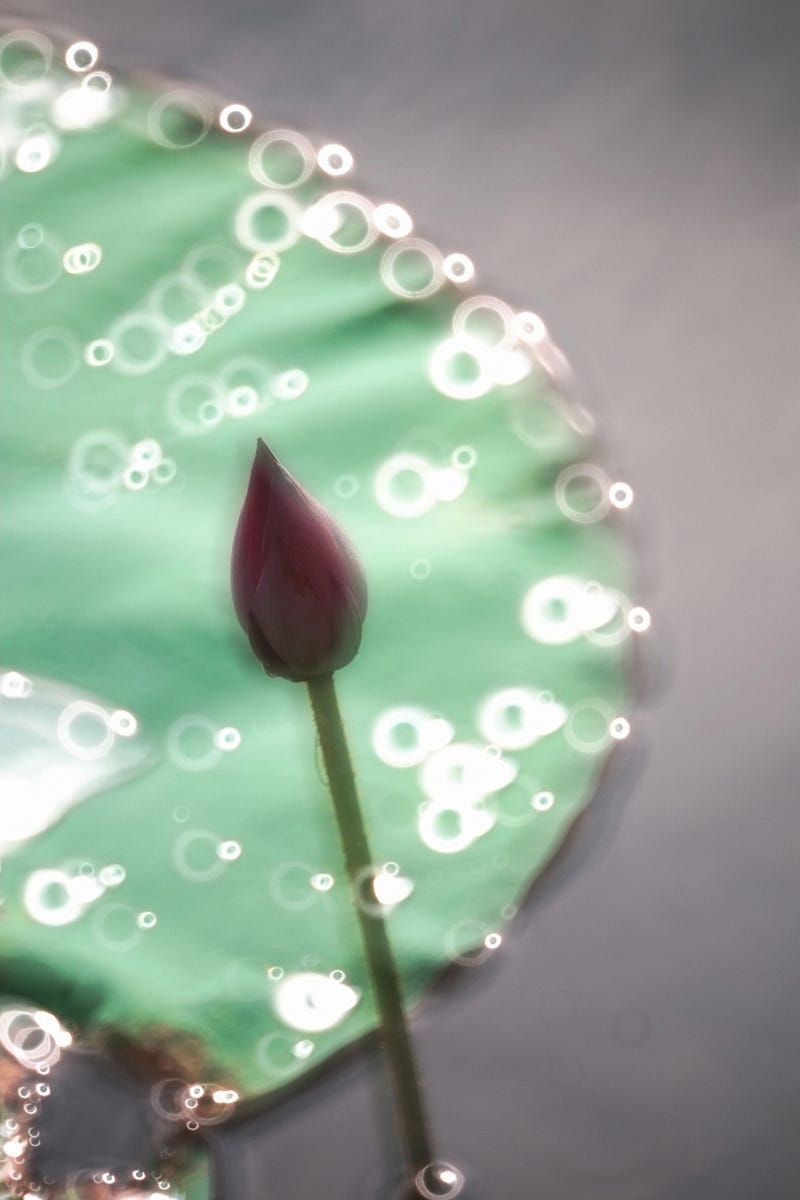
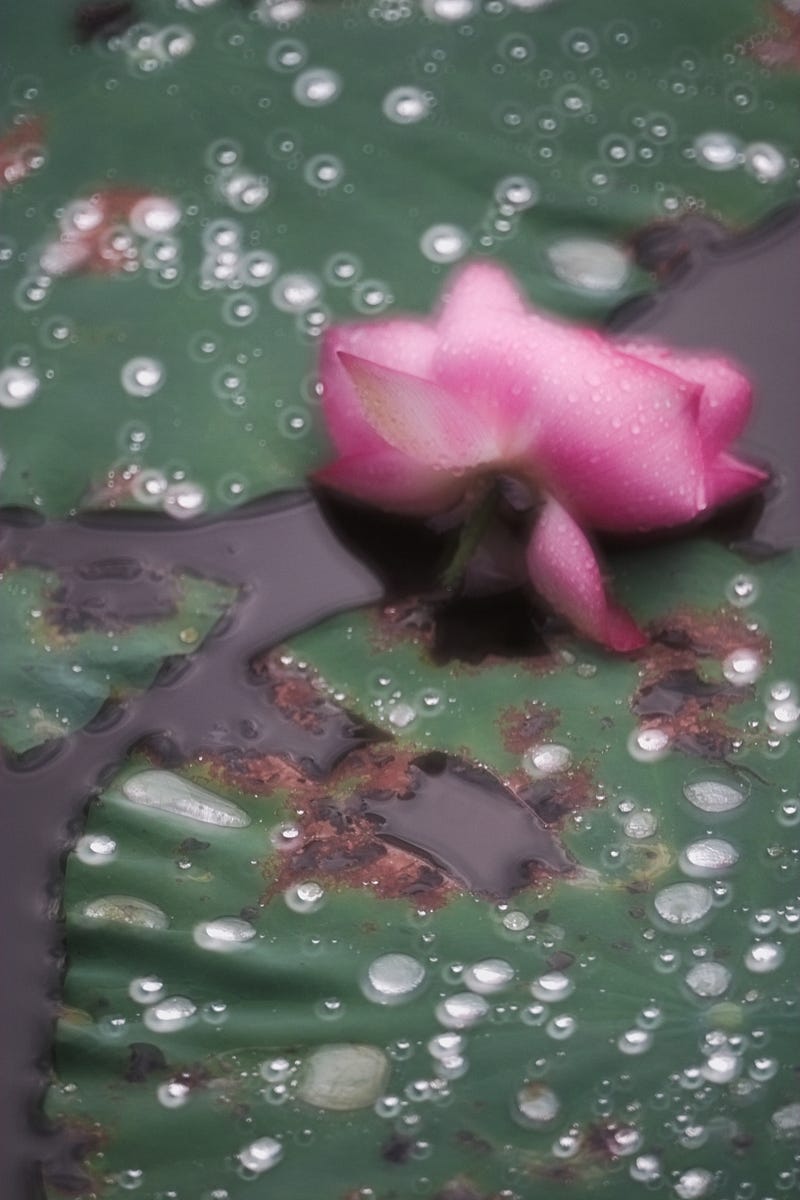
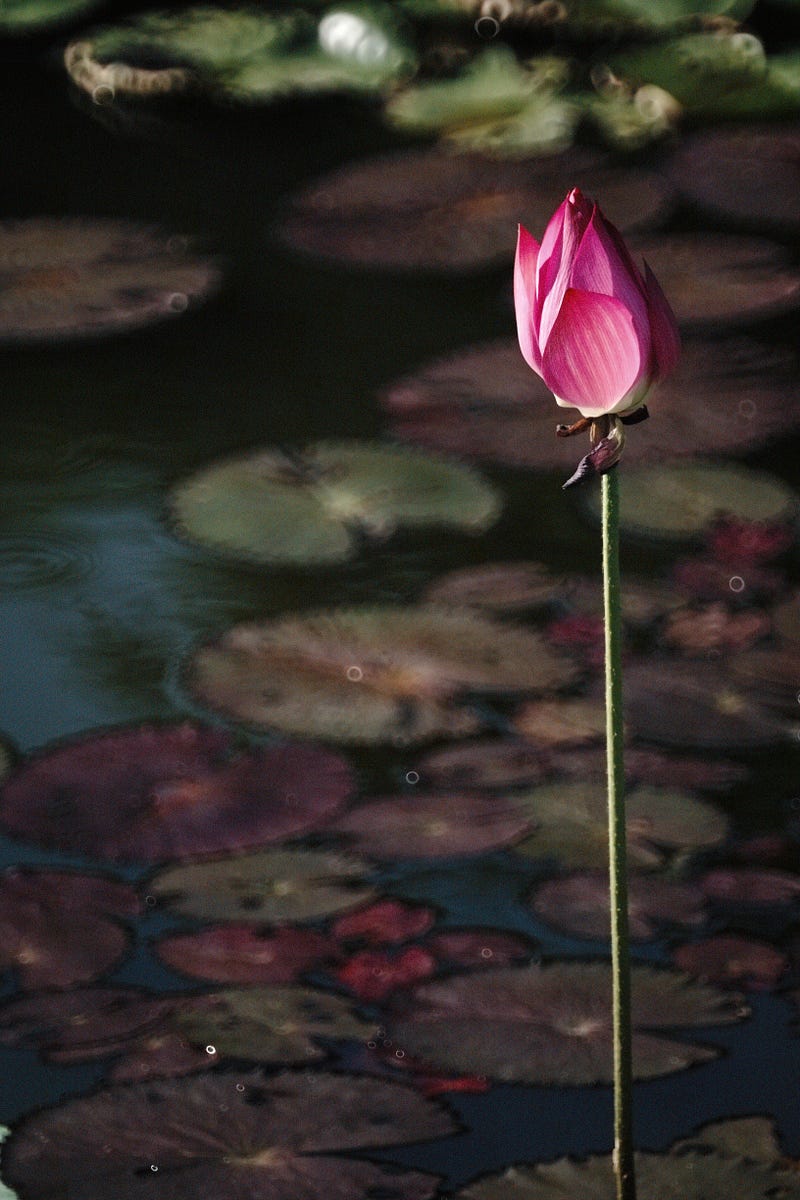
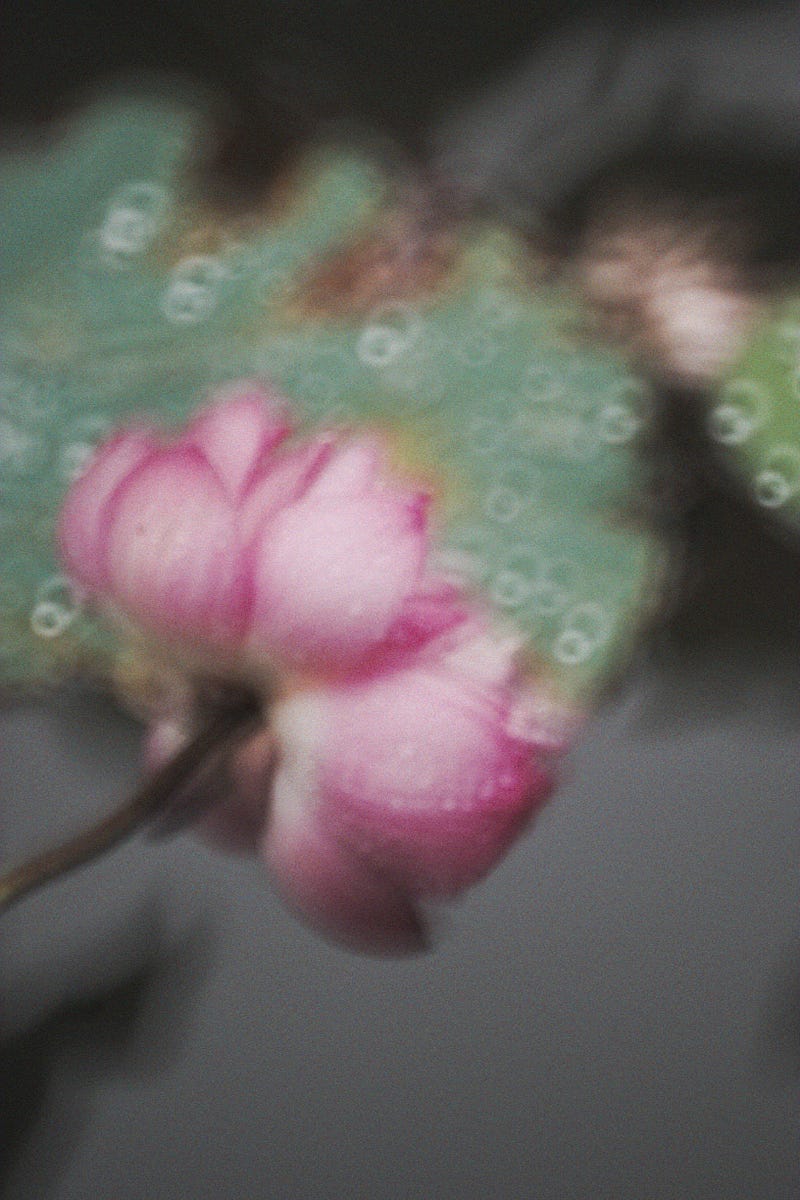
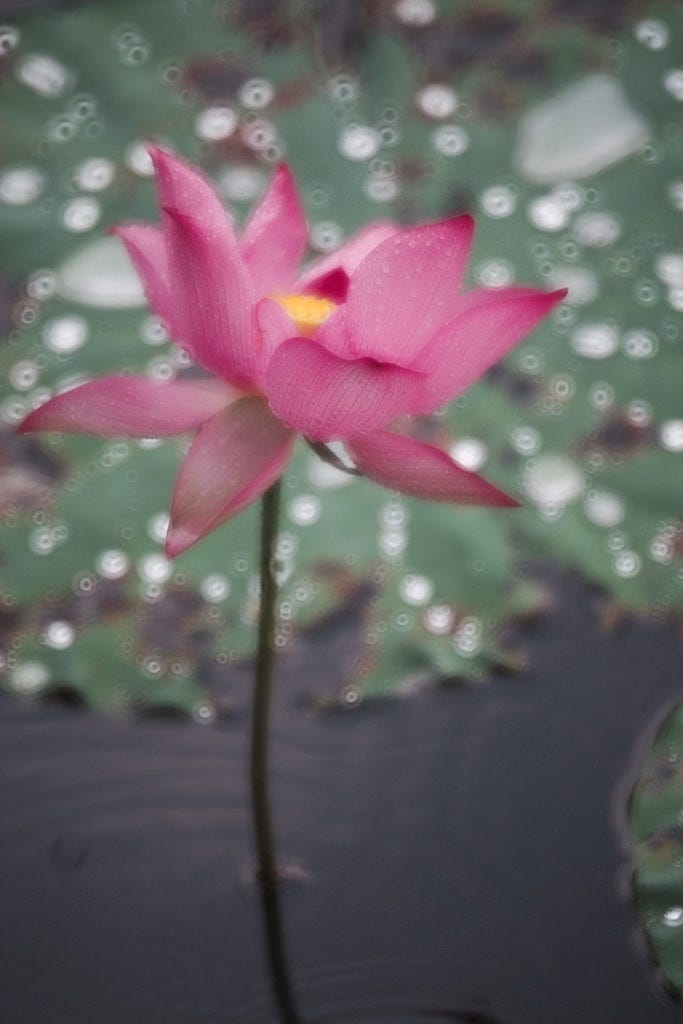
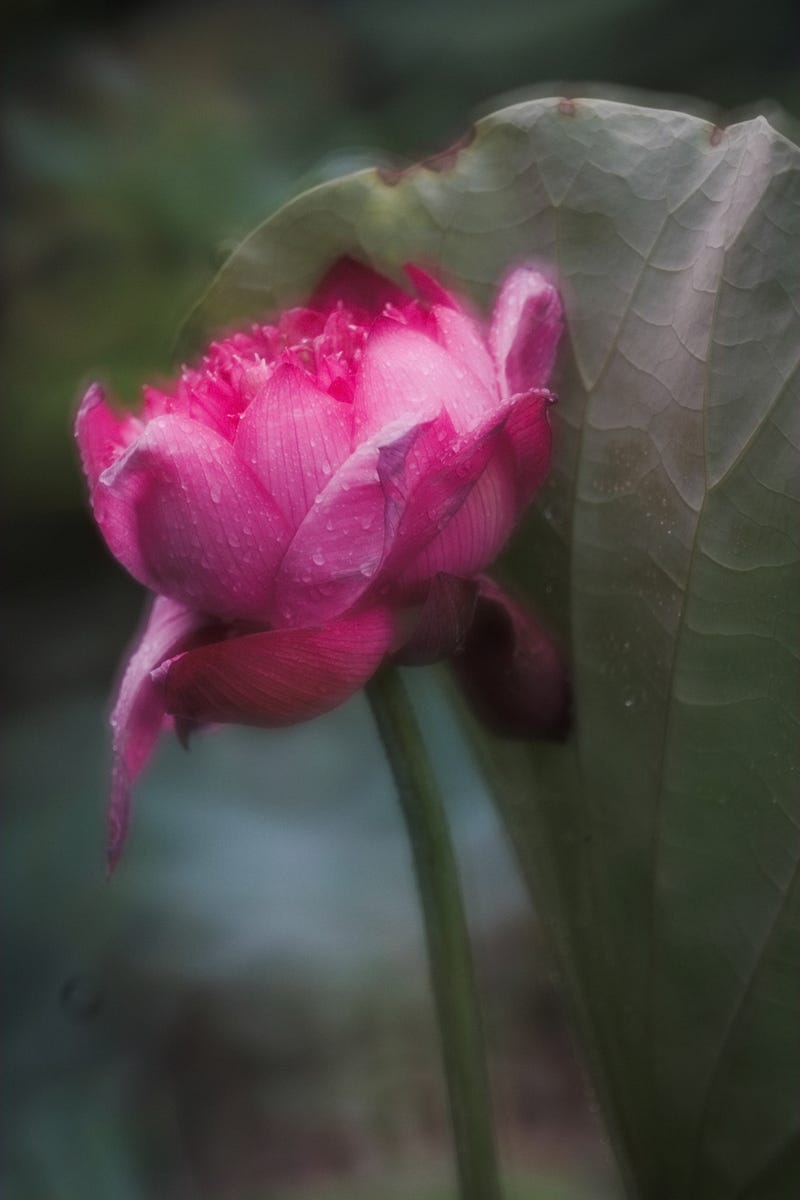
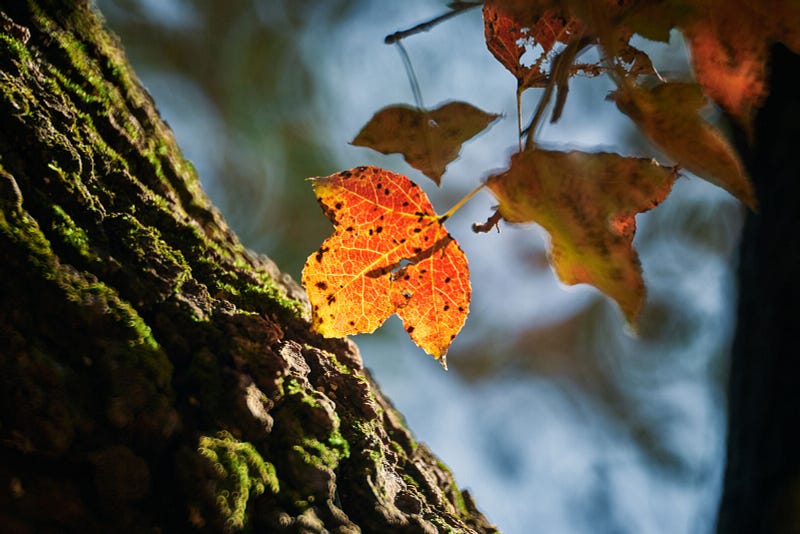
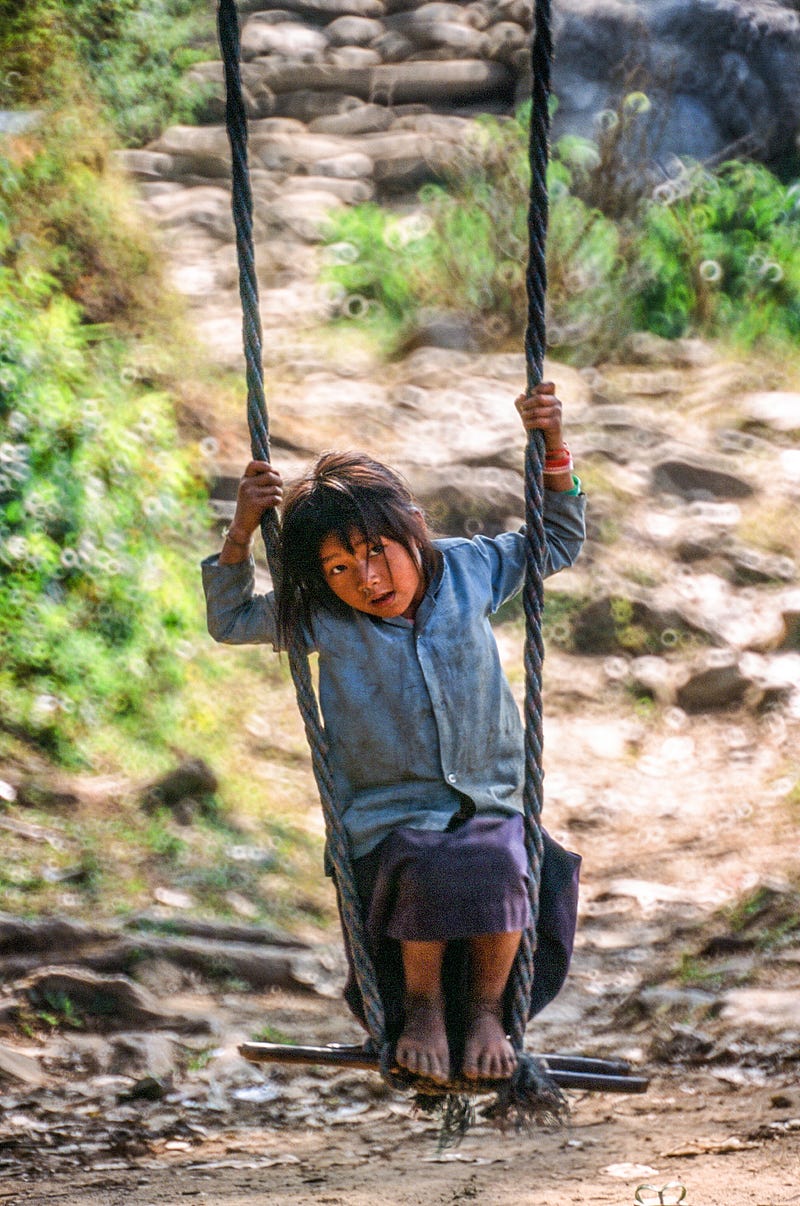
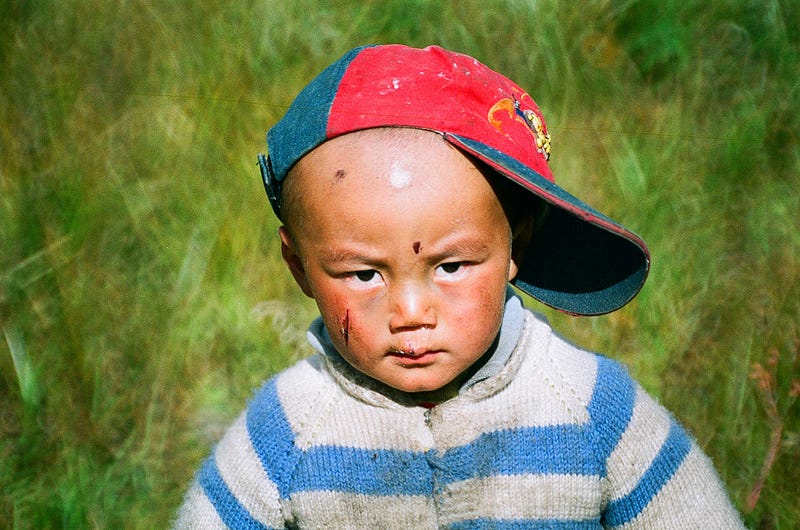
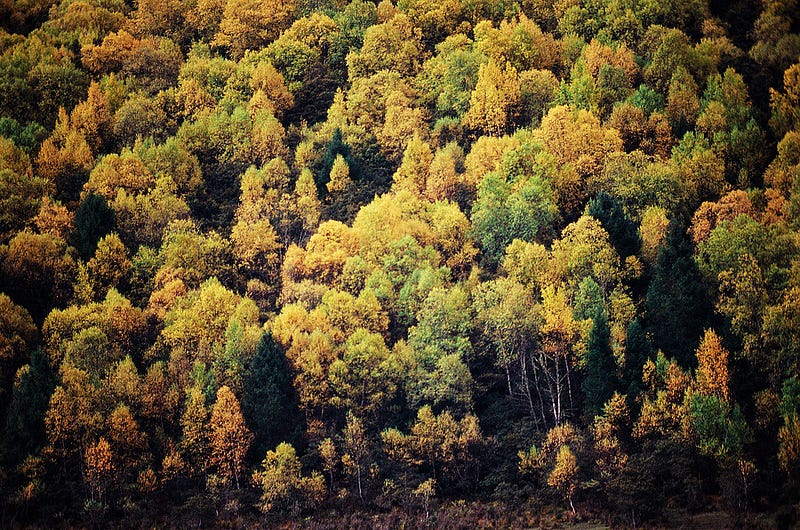
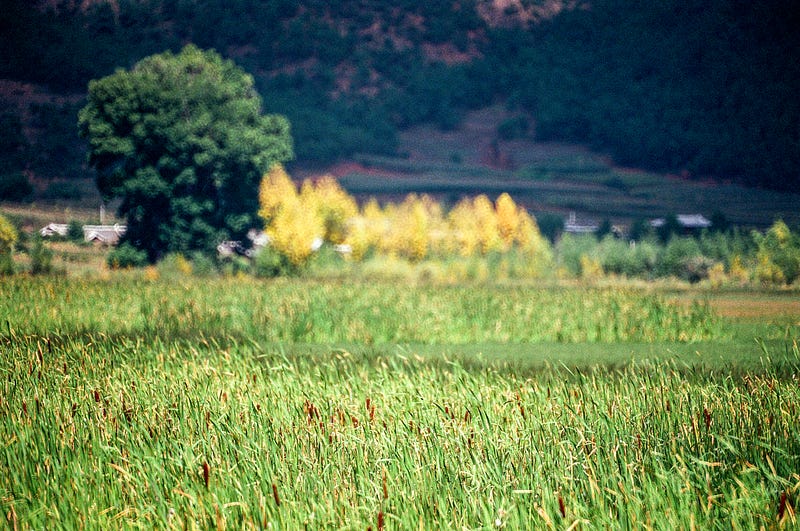
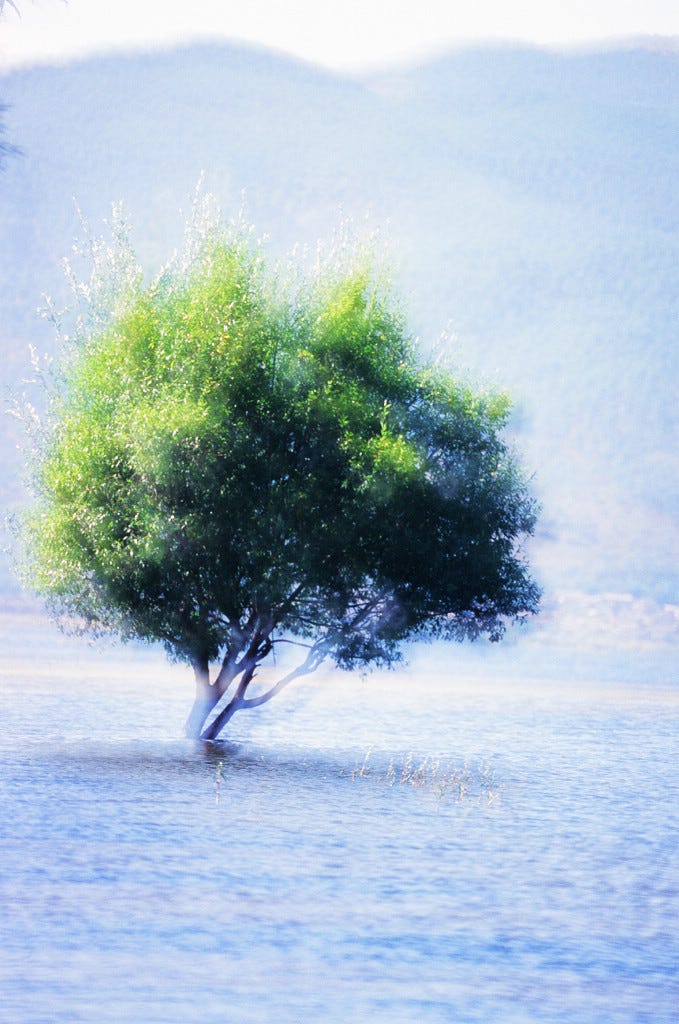
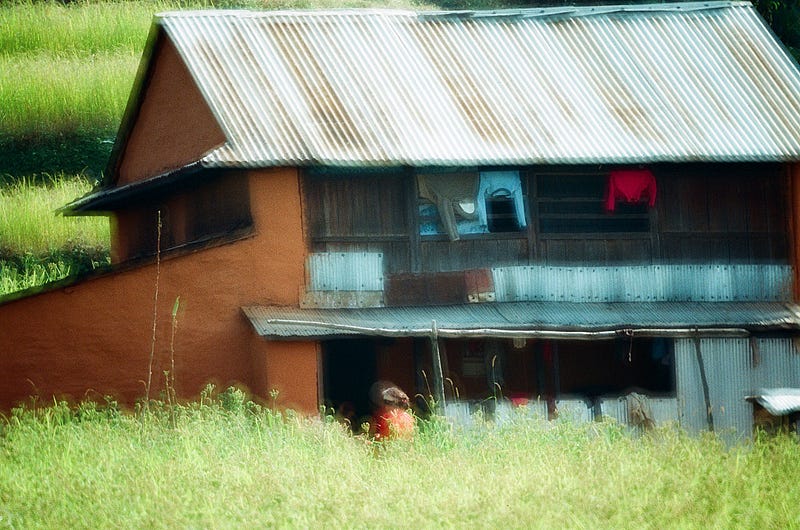
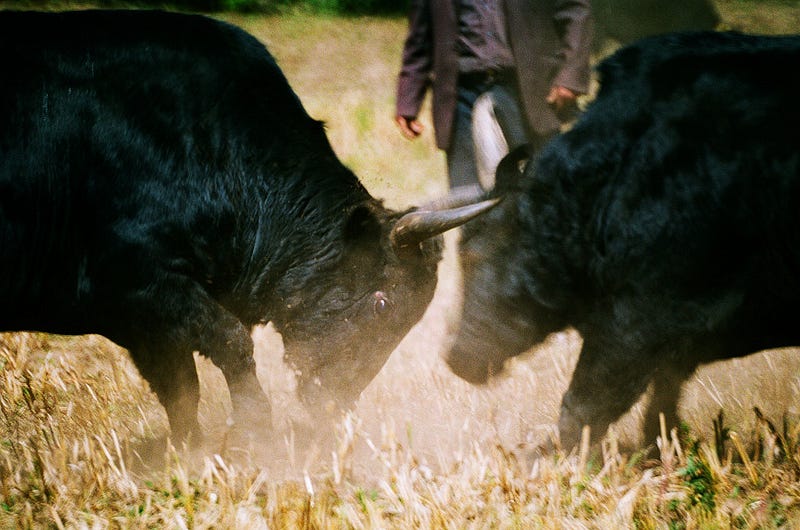
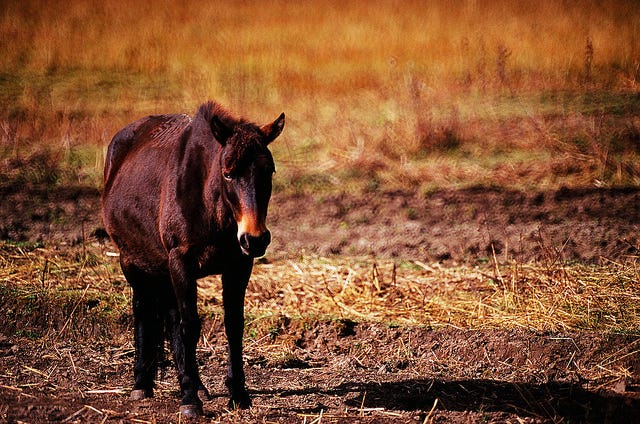
In 2007, I took this RF lenses with me on a trip to Yunnan, Tibet and Nepal. Dynax 7 w 250RF / RPD3/Agfa ultra 100 / xtra400

Rokkorxblog — Rokkorxblog — Medium
Rokkorx’s Blog | Facebook https://www.flickr.com/photos/rokkorx/ https://www.instagram.com/samlee.hk/
IF you Like my reviews , please suport me by buying me a coffee.

Thank for watching: here is my another camera/lens reviews
If you like this post, feel free to give me a pat on the back and let me know you like it too XD
You can also follow me by pressing the Follow button, but unfortunately, you can’t set up a sneak preview XD. If you are willing to pay USD 1 per month for a cup of coffee, you can support me in my “Words are worth it, photos are worth it”. I have been writing blogs for more than ten years so that you may have read my Minolta articles, other equipment and photo tips in the past. It is not easy to maintain this interest in blogging. Today, many photographers like to shoot youtube or use pictures instead of writing, so in-depth introduction and evaluation may be a chore for many people. Still, I believe that words and photos have a specific value. I have many more pictures and photographs that I would like to share with you, and a little financial contribution from you would help me go further or write.
If you are interested in paying for a cup of coffee every month, subscribe to the author Patreon at:
You can also sponsor me to write a one-off article through Payme

Thank you for reading.
Rokkorx’s Blog | Facebook https://www.flickr.com/photos/rokkorx/ https://www.instagram.com/samlee.hk/


