
Minimizing Food Shopping and Cooking
Three simple steps helped me streamline my groceries and meals!
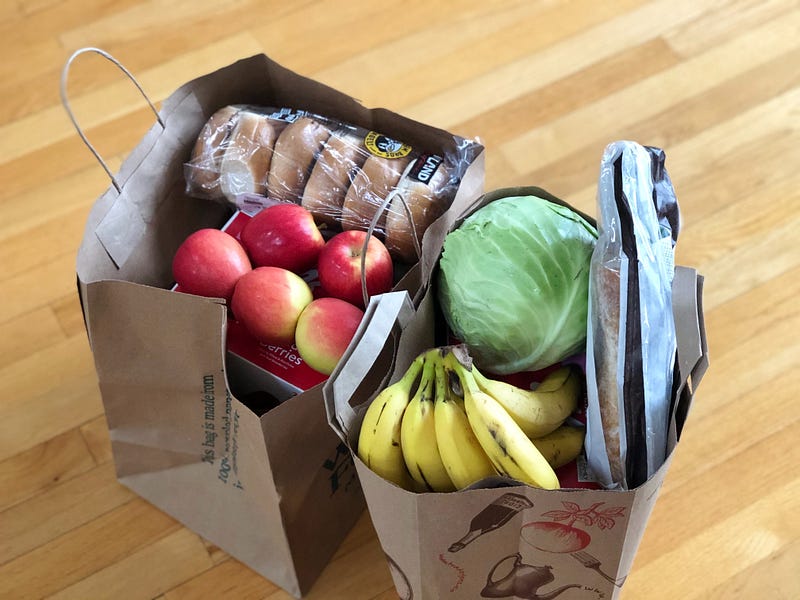
I’ve worked at minimalism in quite a few areas of my life and chiseled away at possessions around the house for years with decent results. My utensils, dishes, and pans were adequately streamlined in cupboards, yet the kitchen was one area that required additional sorting. Especially when it came to food.
As an empty nester, I’ve bought and stored fewer groceries compared to the past. However, food often sneaked its way back to overload the fridge and cupboards. Grabbing extra snacks or vegetables at the market, for example, is easy, and it seems just as easy for them to end up spoiled or past their expiration dates.
Ditching at least a piece or two of bruised fruit or a few wilted carrots into my compost scraps was the usual weekly occurrence. With all the extra composting, including some leftover cooked foods, I decided my grocery shopping and meal planning needed to change.
Then last year, a part-time job loss led me to look closely at my spending. To stay within my minimal standards, I wanted to plan better, economize my grocery shopping, and have less food wasted.
Here are some steps I took that have worked for me then and now:
#1. Review shopping receipts for overbuying
I reviewed my shopping receipts, deciphered my unused items, and found room to minimize grocery shopping. Food on hand is okay, but disposing of unopened or slightly used expired packages wasn’t exactly eco-friendly or conducive to minimalism.
I now take a quick glance over the cart to review choices before going through the checkout line at the store. Surprisingly, I often put one or two things back. (And most of the time, I don’t miss them).
Every little bit helps, and doing this is not a big deal!
#2. Replace items at a slower pace
I would buy something ‘just to have another on hand.’ Not exactly a minimal way to live (with exceptions, of course, like if a snowstorm is coming, etc.).
My new rule is to replace a product once the old one is empty or close to it. I add it to the following week’s shopping list for a reminder. It’s sort of in queue.
Little steps over time can make a big difference with some patience.
#3. Make easy meals
Simple meals are the way to go for the most part, and occasionally I make something with lots of ingredients. A simple dish usually keeps costs down, has easy preparation, and less waste.
I remember my mom in the 60s and 70s cooking basic suppers using three main items. One example was her steak dinner, with sides of green beans and mashed potatoes. Sometimes a salad. Usually, some crunchy Italian bread. My mouth is watering, folks!
My plant-based version of Mom’s basic supper is ~ sautéed cannellini or black beans with garlic, green beans, and roasted potatoes. Crackers and hummus on the side.
More tips
A Meal Planner book listed on Amazon has been helpful with planning groceries and meals for me lately. A Go-To meal sheet is provided to list details of my easy meals!
One item always on hand in my cupboard is pasta. It’s nice for a Go-To meal and easy to cook. A favorite of mine is Sfoglini, with 5g of fiber per serving. One of my daughters pointed out they look like little lasagnas because they are similarly shaped but in pasta size.
Easy enough to have sauce on hand. I make a quick sauce (a version of Go-To Tomato sauce in one of Gwyneth Paltrow’s cookbooks ~ It’s All Good) or use a jar of organic pasta sauce. I’ve even used pizza sauce on pasta and vice versa to use up the remaining sauce.
Simple cooking is good for my fellow sixty-ish readers, and most likely for any age!
Hope some of these ideas help you simplify or improve your food shopping, meals, and budget. When there’s too much waste, and the kitchen seems out of sorts, making a few changes can help bring more time to enjoy life. And maybe eat an extra item that snuck by you during one of your cart checks! (How did those chocolate cupcakes get in my cart?! Hmmm…)
You may also enjoy reading: