
Is Real Photography Doomed?
Midjourney v6 — My Shocking Realization of AI-Powered Images
I used Midjourney about a year ago when it was in version 3 or 4 (I am not really sure anymore). It was decent back then, but not flawless. I took a break from using it for a while. However, when the alpha version of version 6 came out yesterday, I decided to give it another shot, and I must say, I’m really impressed with the results.
In recent years, artificial intelligence (AI) has been making impressive progress. Looking back, there have only been a few moments where it took a significant leap forward, and Midjourney v6 seems to be one of those moments I believe.
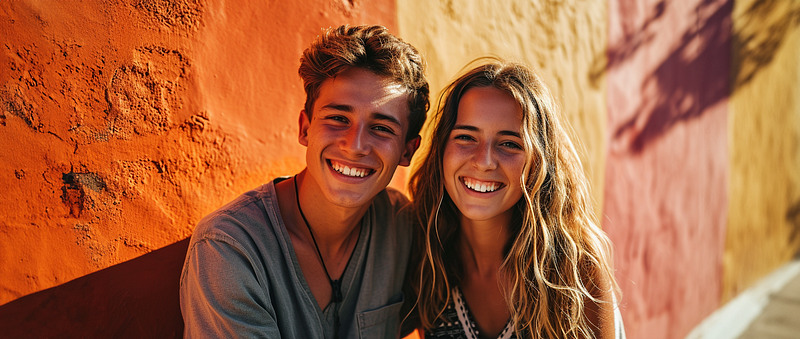
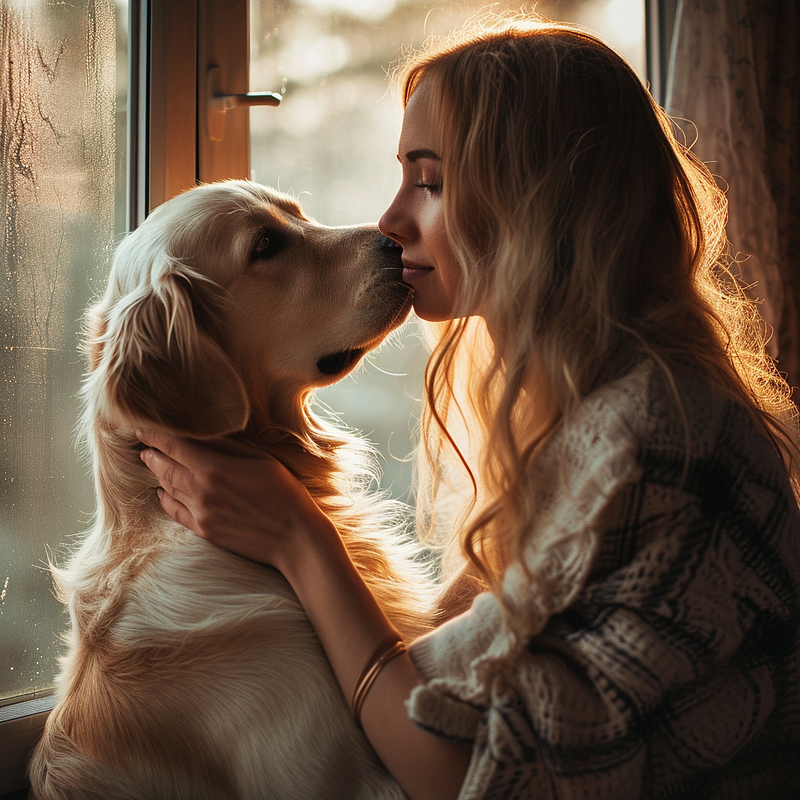
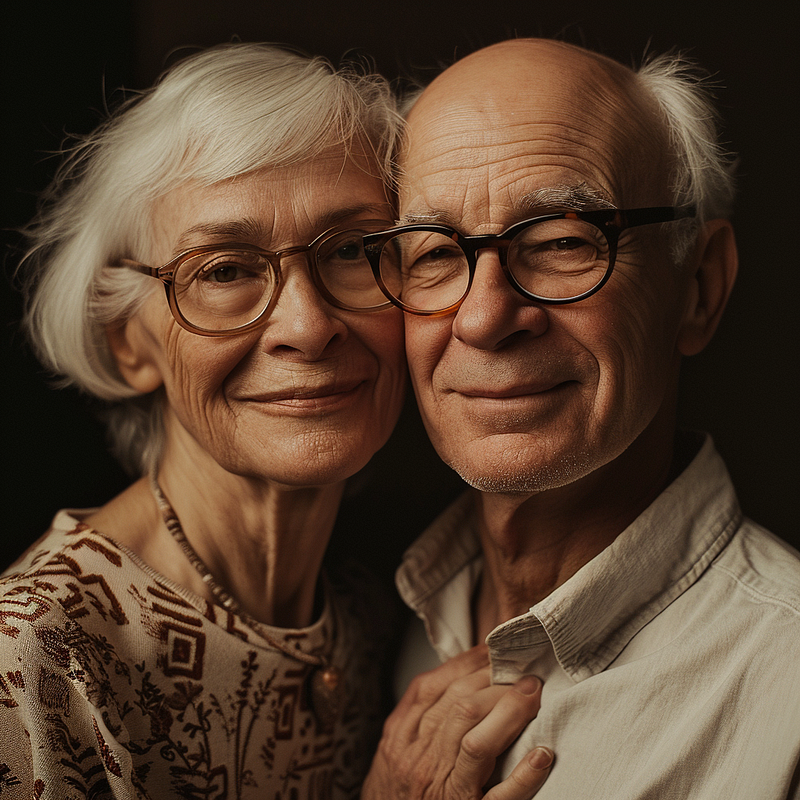
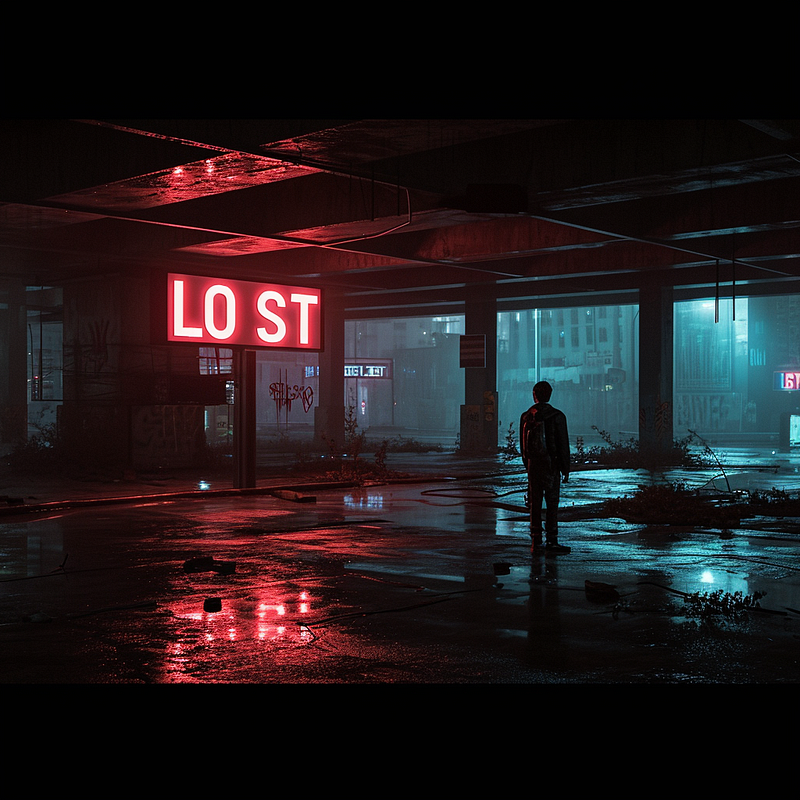
Just a quick reminder: all images here were created with Midjourney v6 alpha! While they have minor flaws, I am speechless of how good this quality has become.
As AI tools for generating images, such as Midjourney, keep getting better, they’ve reached an impressive level of creating hyper-realistic images. The latest version, Midjourney v6 alpha (released just 24 hours ago), has caught the attention of the creative community for its incredibly realistic results.
A Glimpse into a Surreal World
Midjourney v6 alpha has brought a level of realism that’s downright captivating yet a bit eerie.
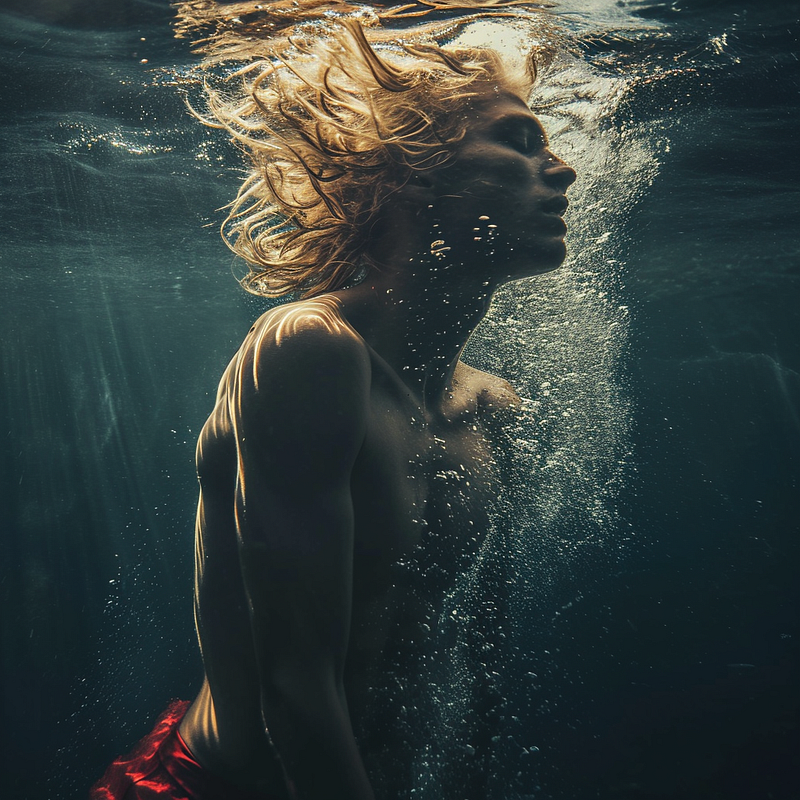
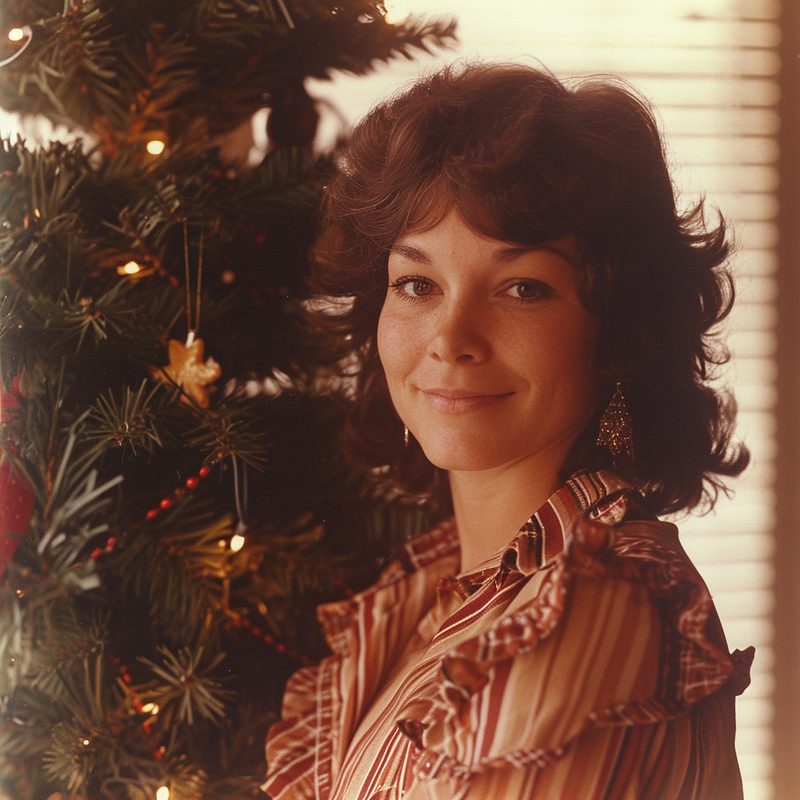
It’s incredibly good at capturing subtle details, textures, and lighting effects, making it tricky to tell apart real photos from ones generated by AI (though there are still some challenges with creating realistic teeth and fingers, but it’s almost flawless). The tool has stepped up its game, now able to craft photorealistic people, animals, and landscapes, messing with our sense of what’s genuine and what’s not. Just look at the examples here.
The Haunting Realism of AI-Generated Faces
Midjourney v6 alpha stands out for its remarkable ability to produce incredibly lifelike portraits. The first time I used it to generate a person, I was genuinely taken aback by how realistic it looked. The tool excels at capturing the tiniest details of facial expressions, skin textures, and eye movements, resulting in images that are almost uncomfortably authentic.
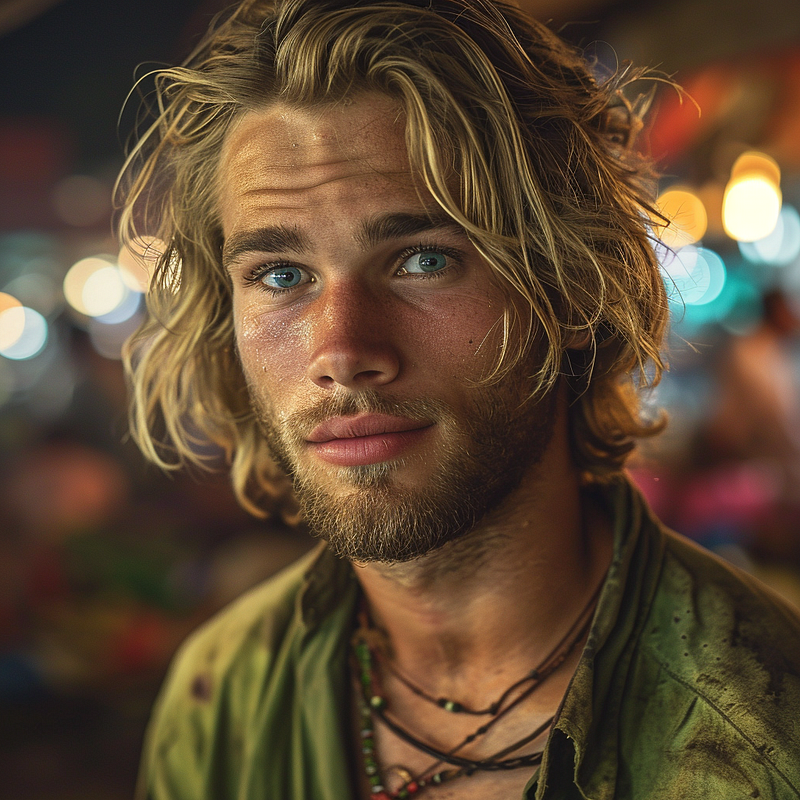
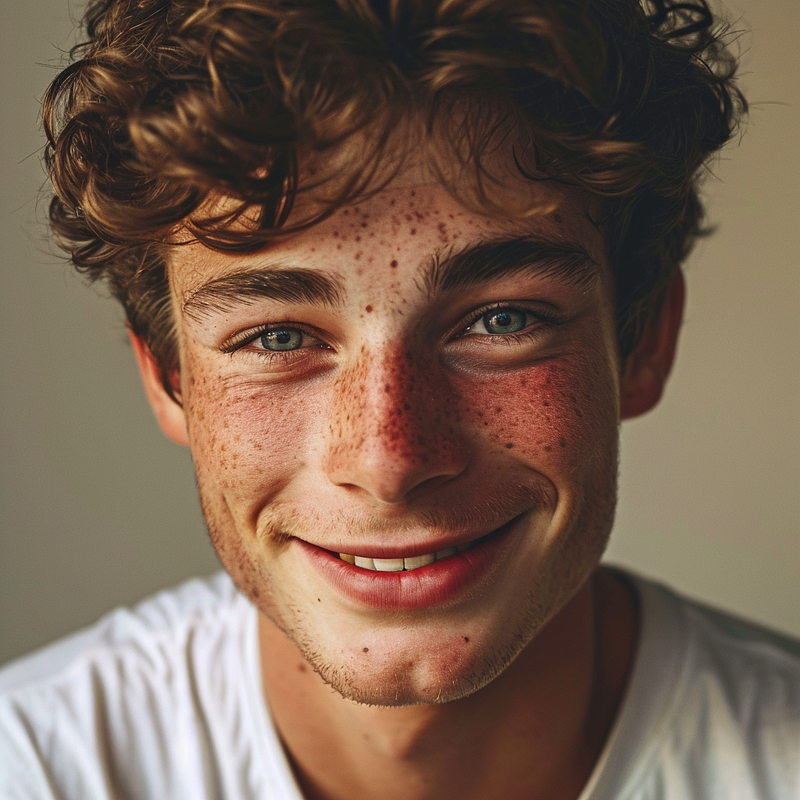
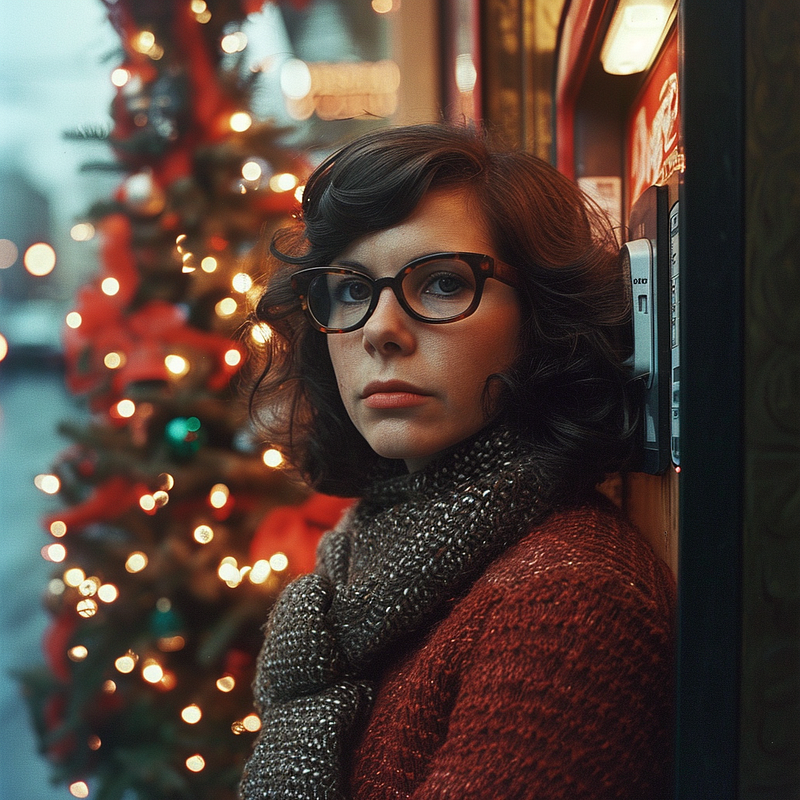
The hyper-realistic faces it creates evoke a sense of strangeness and unease for me. Each time I gaze at one of these photos, I find myself initially admiring the apparent beauty, only to be reminded that the person isn’t real — they’ve never existed, and it’s unlikely anyone on Earth ever will resemble them. It’s a bit unsettling, to be honest.
The Existential Question of Real Photography & Ethical Implications
The progress in AI-powered image generation poses a big question for me: is traditional photography becoming obsolete? As AI tools get more advanced, they’re starting to blur the lines between what’s real and what’s not — and in some cases, they already did. The capacity to produce lifelike images without relying on a camera or human involvement raises concerns about the future of photography as we’ve always known it.
Ethical concerns come into play as well. The power to craft realistic images of individuals without their permission, essentially replicating a real person, brings up privacy issues and the risk of misuse. Additionally, the rise of deepfakes and manipulated images poses a substantial threat to society by spreading misinformation. I believe this could be the most significant threat we’ll face in the future. Since most people instinctively trust images, thinking of them as real (as they were taught), we’re now in an era where photos can be convincingly faked without the need for extensive Photoshop skills.
A New Era of Creative Exploration
I think the rise in AI image generation is a game-changer for creativity. AI serves as a tool for artists, providing them with fresh ways to delve into innovative forms of expression. The ability to generate images from simple text prompts gives artists the opportunity to create things that were either impossible before or too costly, challenging, or time-consuming.
As we step into this new era, finding a balance is key. We can’t halt the progress of AI, and it holds immense potential for artistic expression. However, we must also confront the ethical concerns tied to its use. Ensuring responsible and ethical application of AI technology is crucial, upholding values like authenticity and recognizing human individuality. I believe that being transparent is the best way to deal with AI. It’s not a big deal to tell the viewer if an image is created with AI. If it is mesmerising, it will still be mesmerising if the audience knows it was done by a computer.
The future of AI image generation seems bright, but how it unfolds will depend on our responsible and thoughtful approach.
Hej there! Can I ask you a favour (it will really help me out to grow this blog)?
If you find this article insightful and enjoy reading about Apple and AI, consider following me please and clap as many times as you want as this helps me to each a wider audience.
And if you really enjoy my content feel free to buy me a coffee. Thanks for reading and enjoy your day!


