
Midjourney Explorations: #5 — Art Media, Let’s Paint
Dive into the world of painting media using Midjourney in this fifth installment of Midjourney Explorations! Adding painting media and techniques to extend your images.
Before diving into the extensive list of media options available in Midjourney, it’s important to understand why these choices matter. The media you select can dramatically influence both the process and the final outcome of your creations. Whether you’re a seasoned artist or a hobbyist, understanding the unique characteristics of each medium can empower you to make informed decisions that align with your creative vision. From the fluidity of watercolors to the bold textures of oil paints, each medium offers its own set of possibilities and limitations. So, as we go through this list, consider not just the technical aspects but also how each medium can assist you in expressing your art.
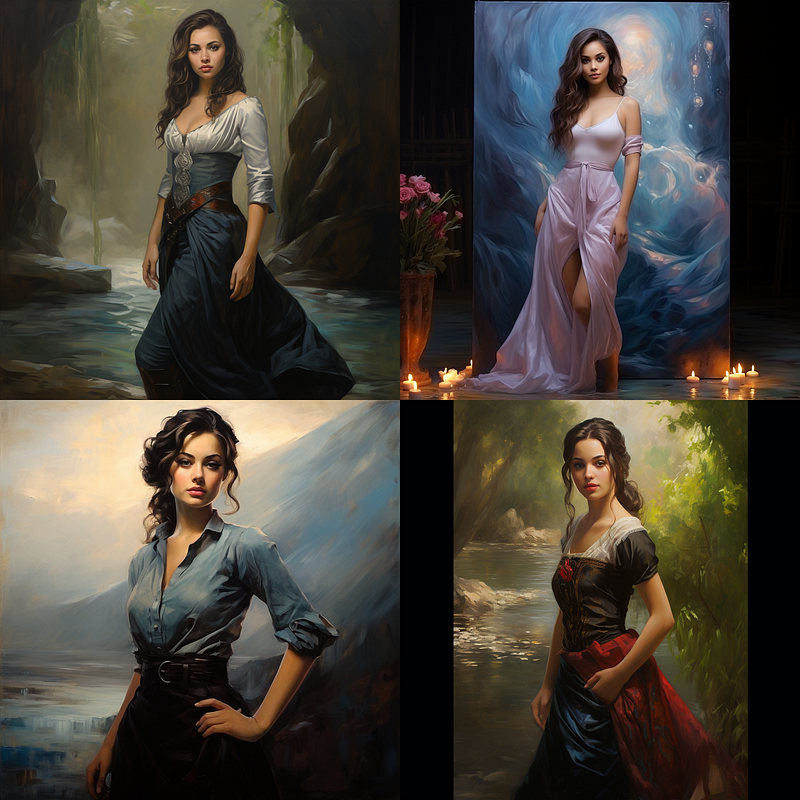
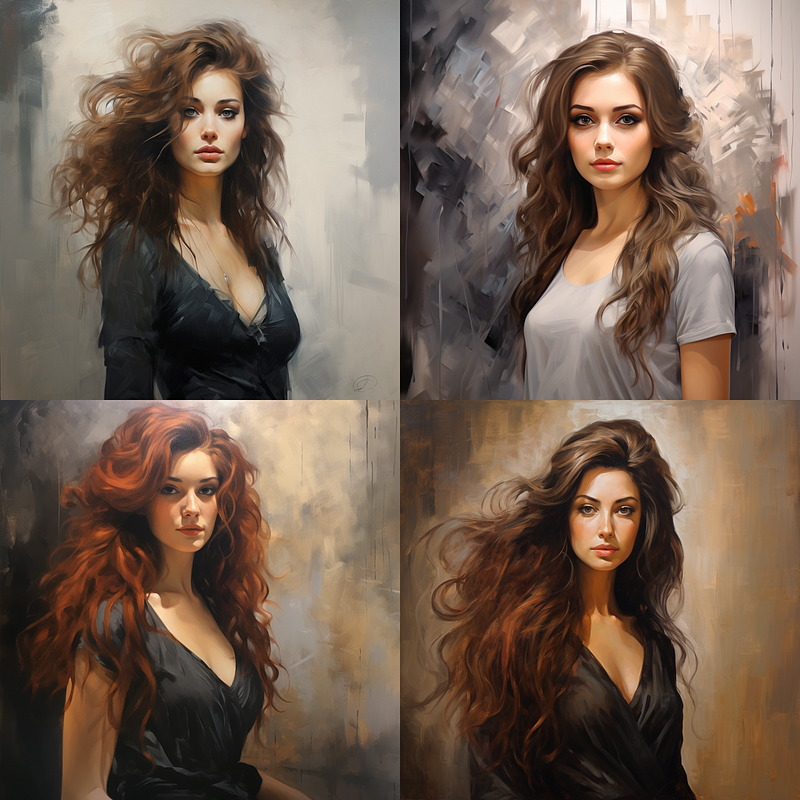
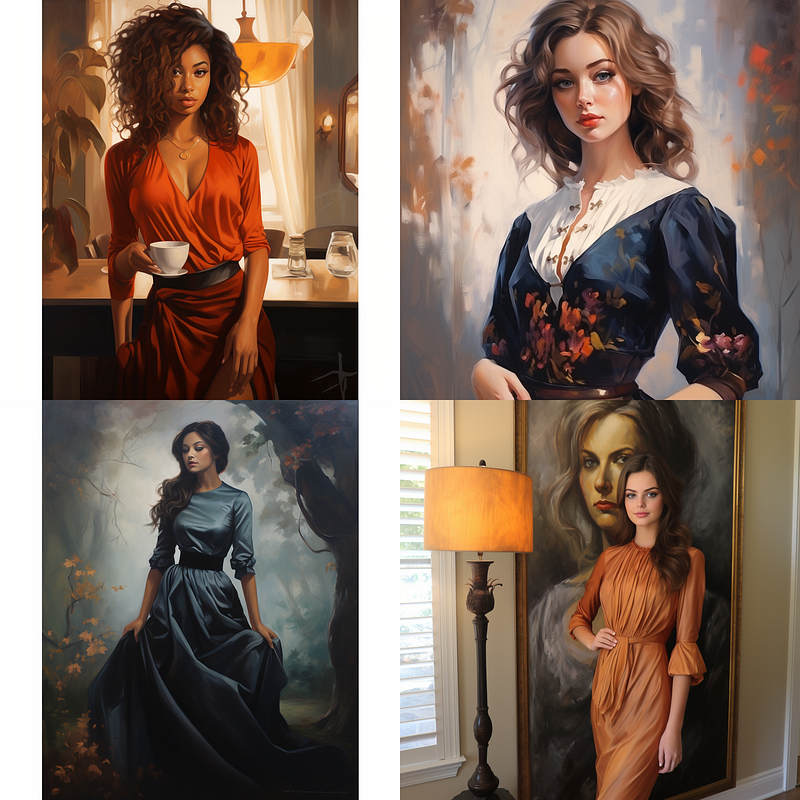
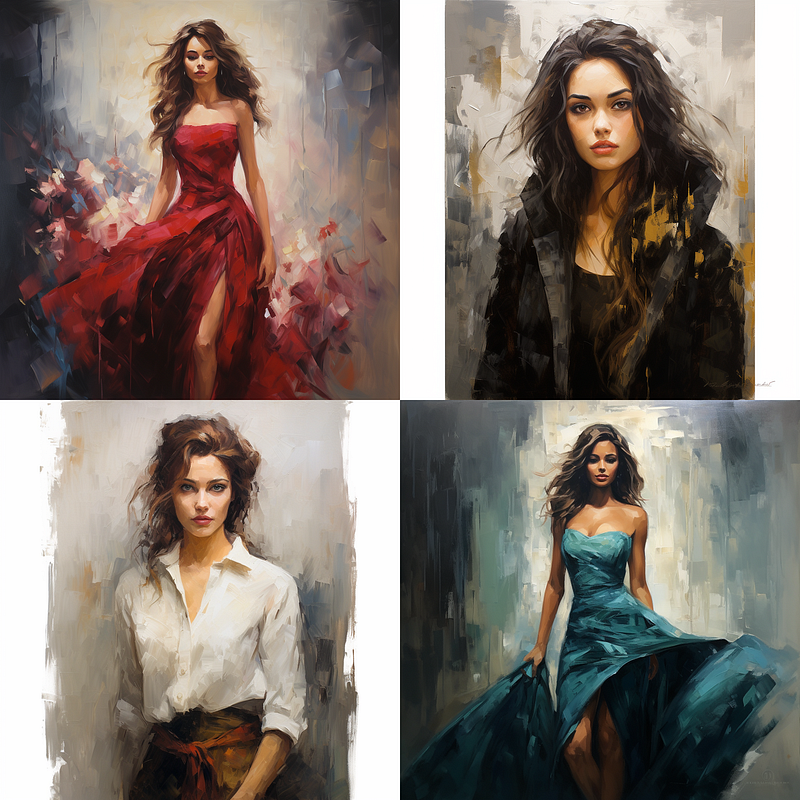
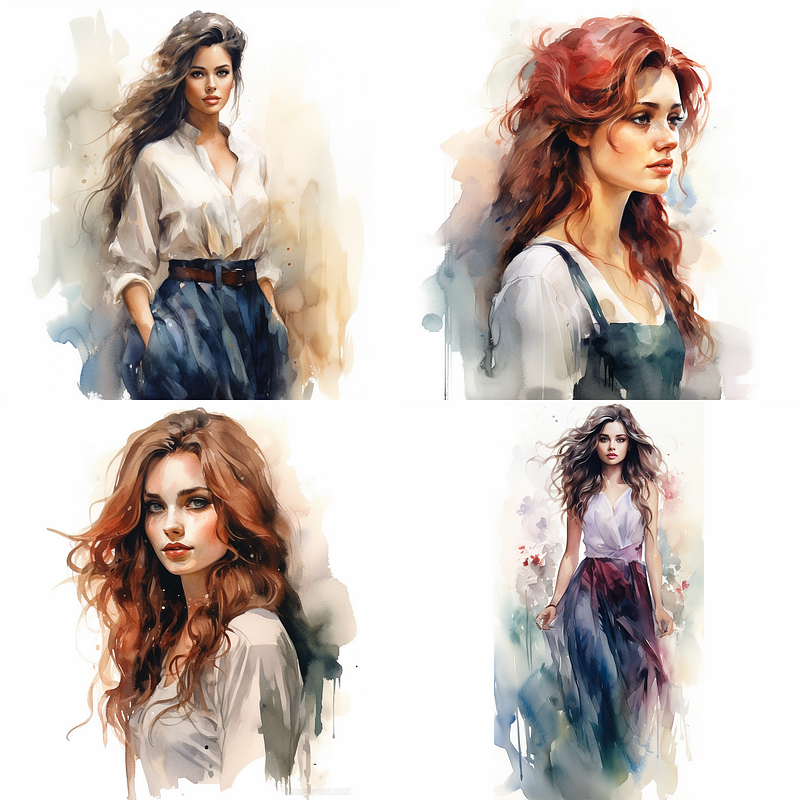
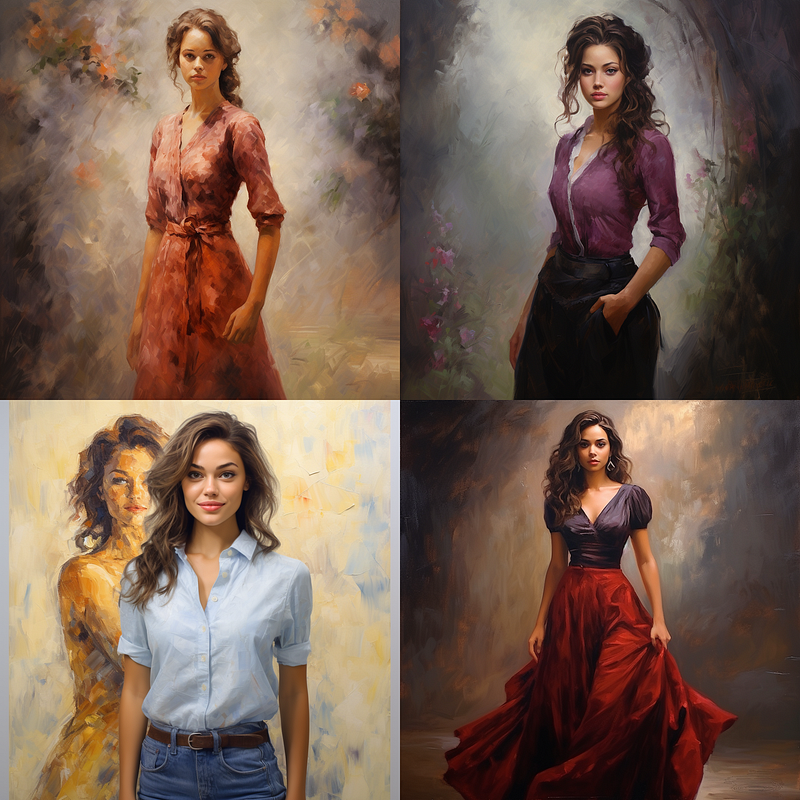
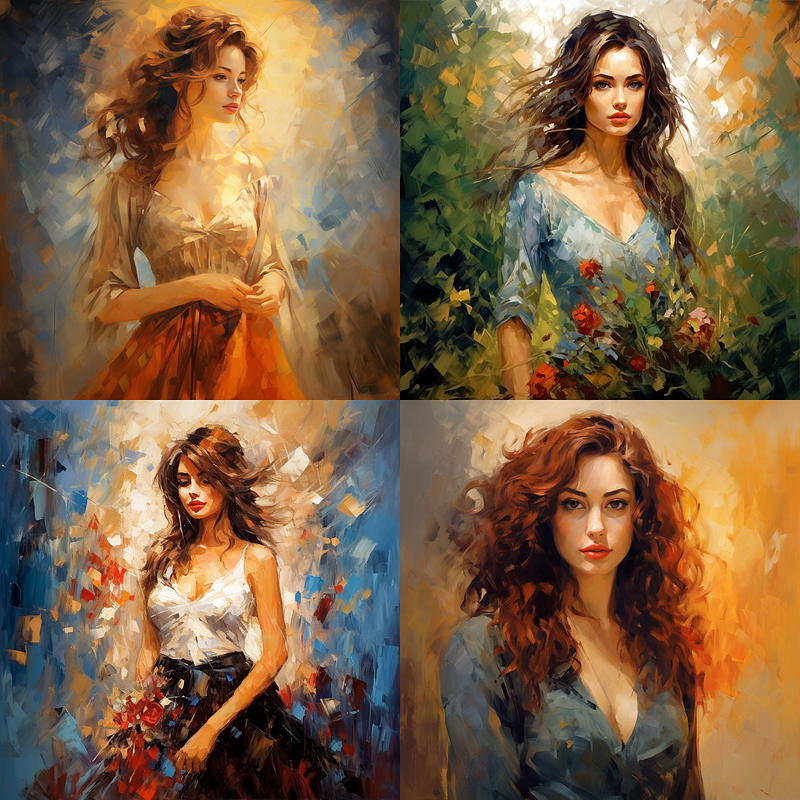
As with our previous articles, the first image serves as a control — a plain vanilla painting without any defined medium. A painting of a beautiful young woman standing.”
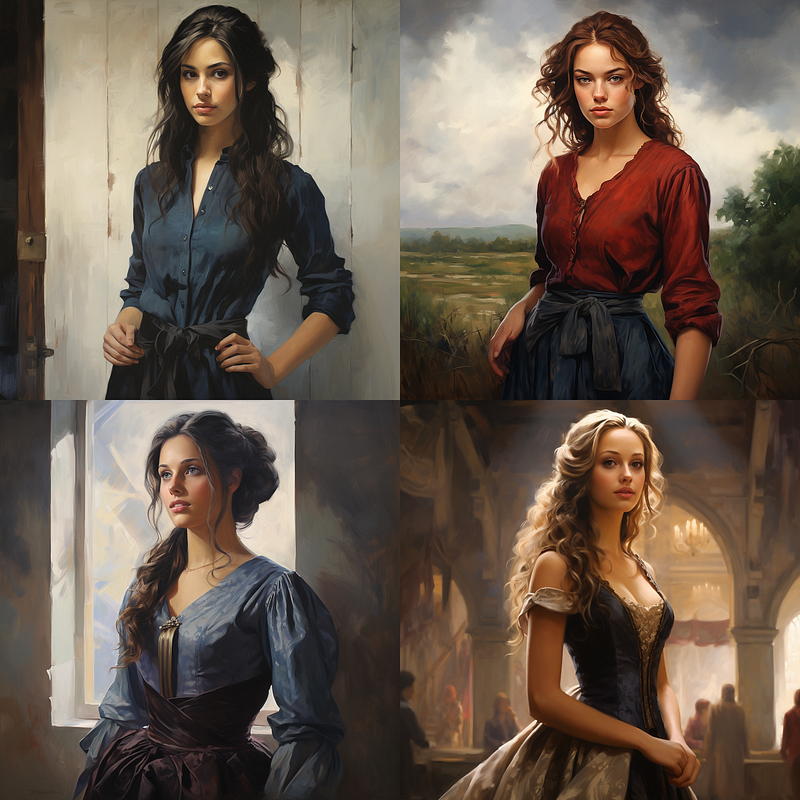
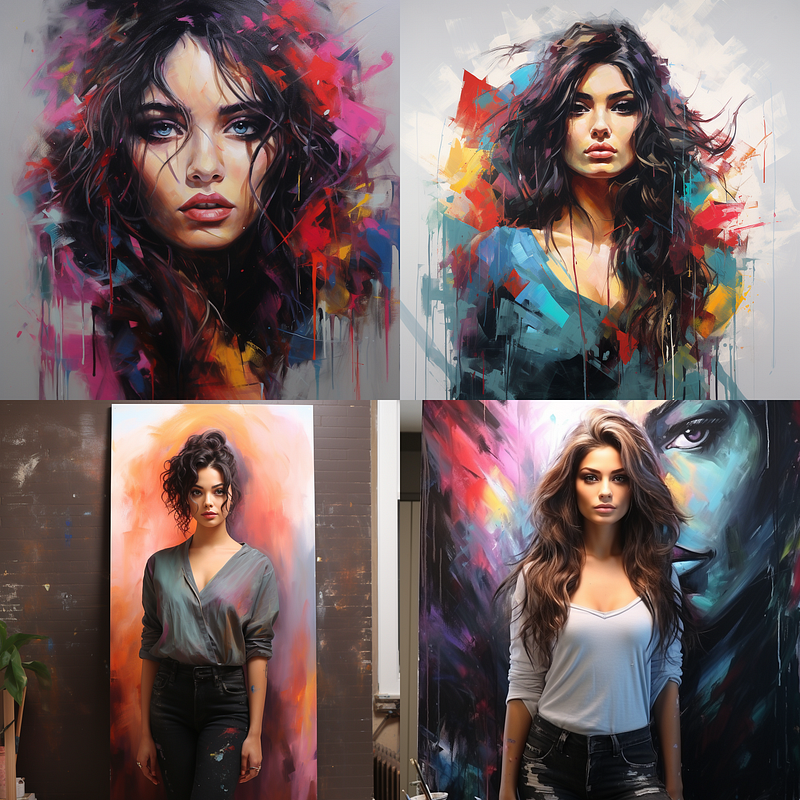
While creating this guide, I noticed some idiosyncrasies with Midjourney. For instance, despite specific prompts, the platform sometimes insisted on adding a woman standing in front of the paintings. As it turns out, omitting the word “tall” from my original prompt “A painting of a beautiful young woman standing tall” may have influenced this. So, if you notice unexpected elements in your own creations, it’s likely not random; the platform has its own nuances that may require a bit of troubleshooting.
Just a pro tip, each of the painting media names is presented as “painting-medium-____,” with spaces subbed out for hyphens. This helps Midjourney to not get tripped up — something especially important for mediums like “Egg Tempera,” unless you want your artwork scrambled, that is.
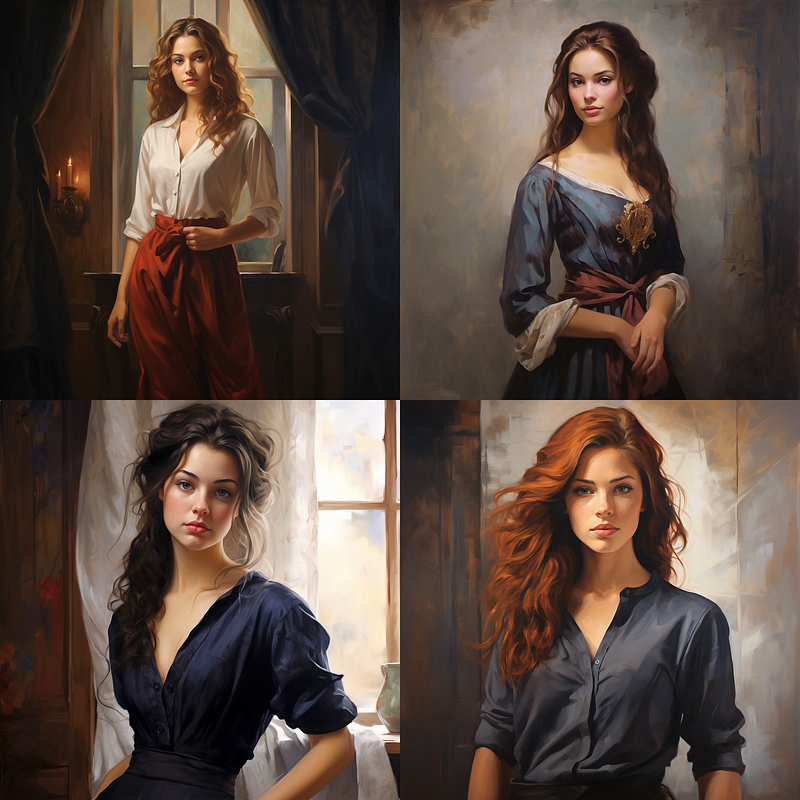
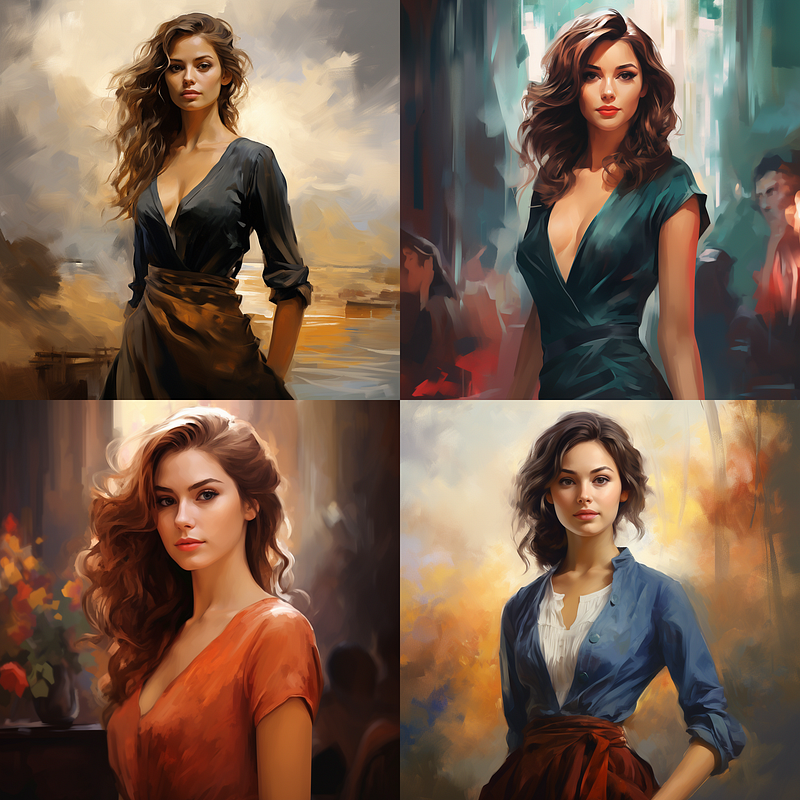
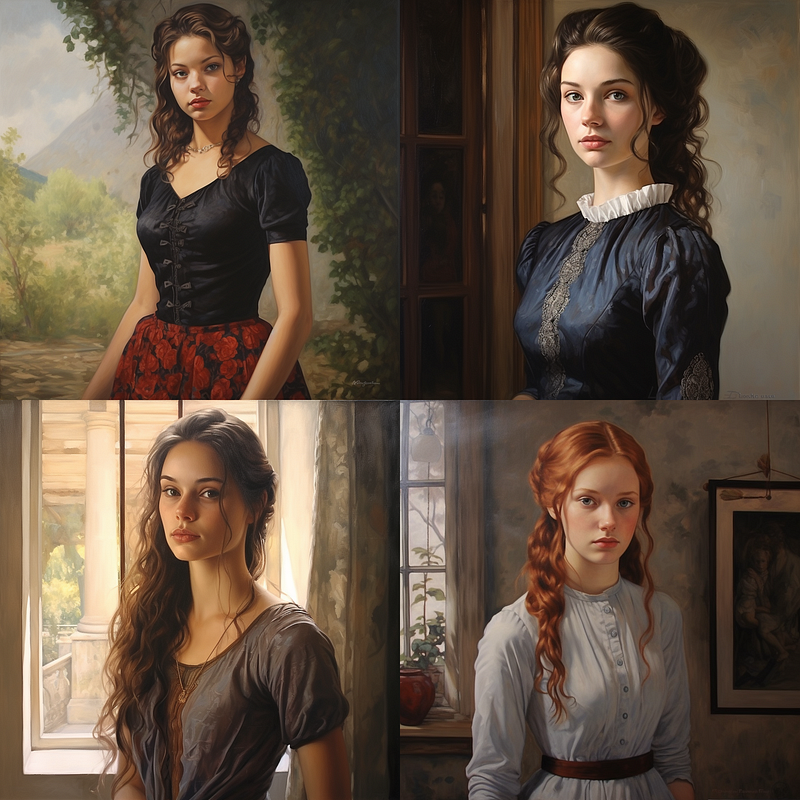
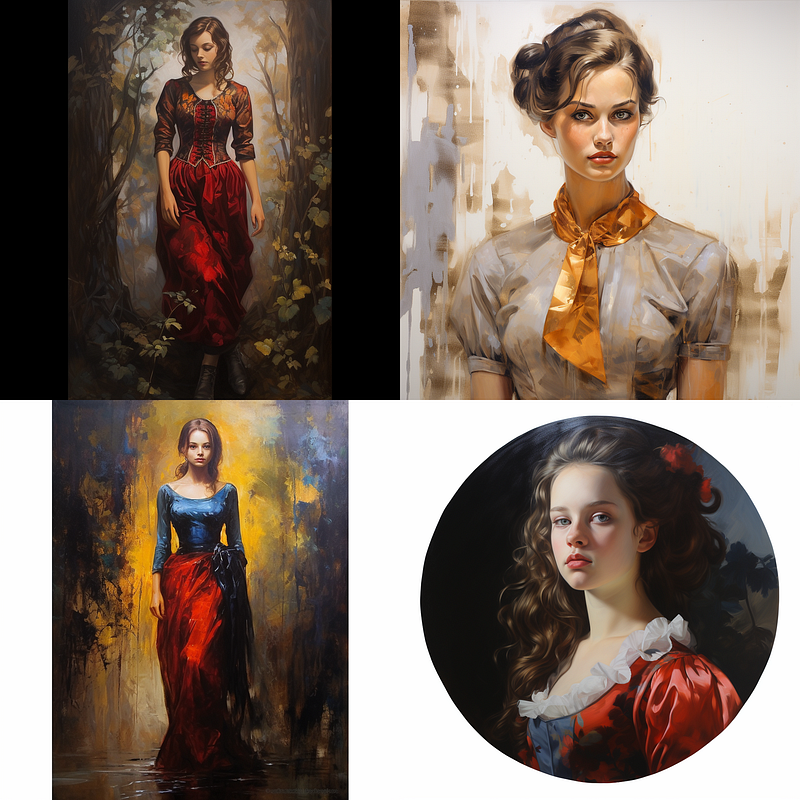
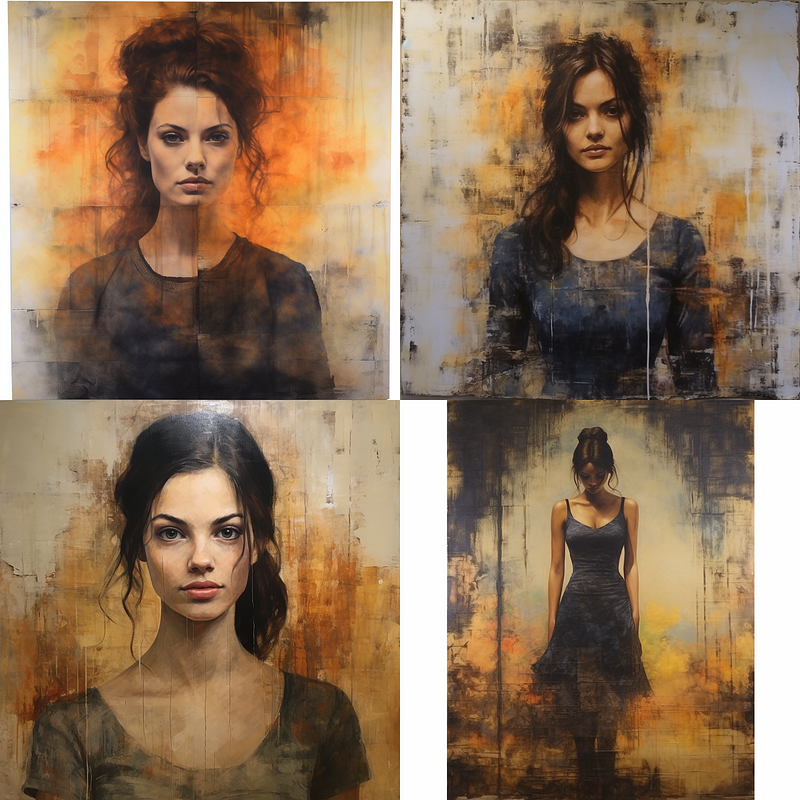
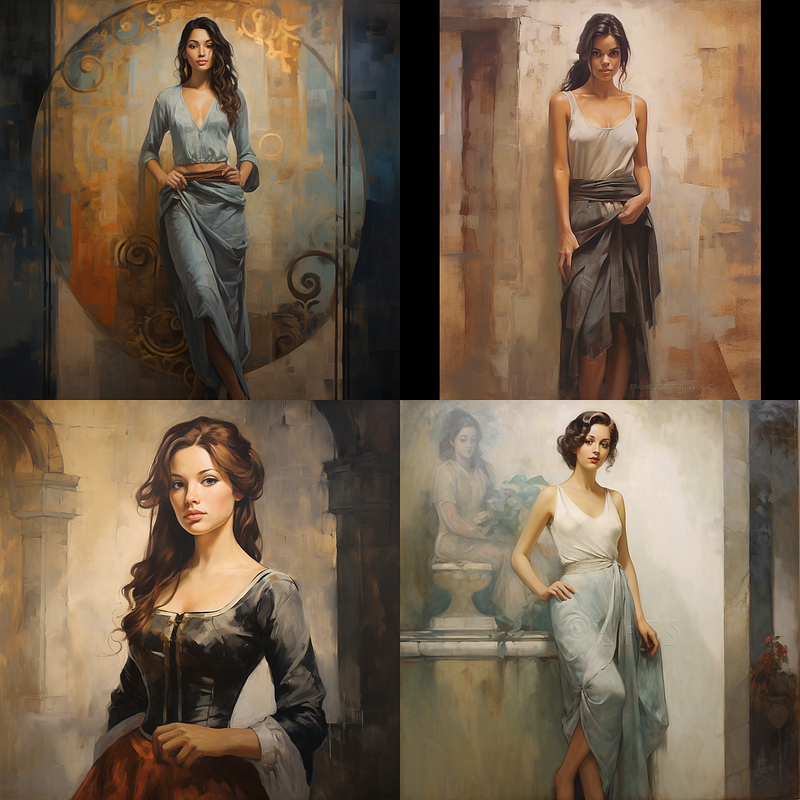
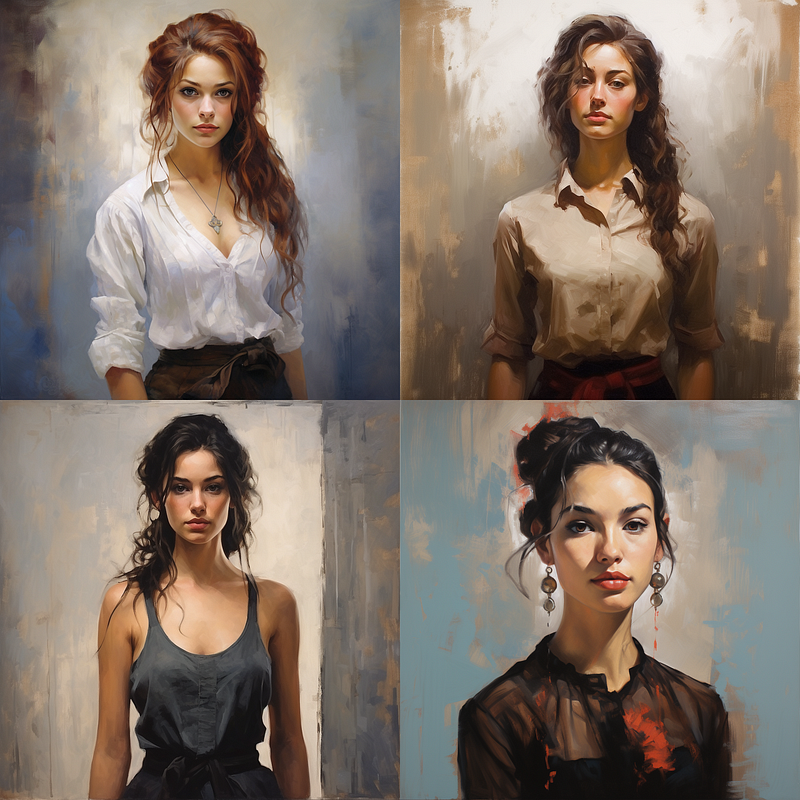
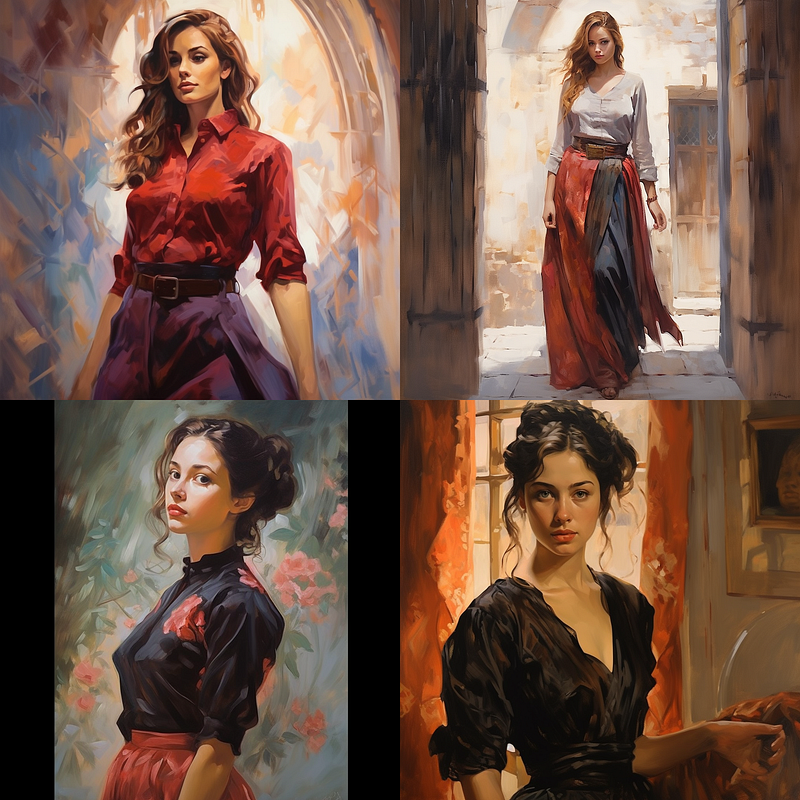
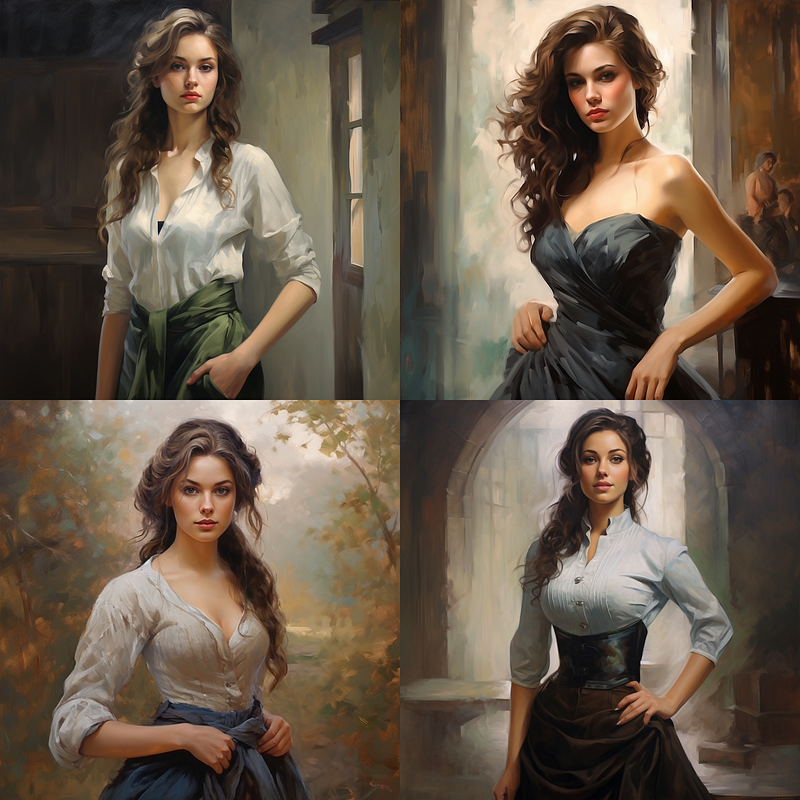
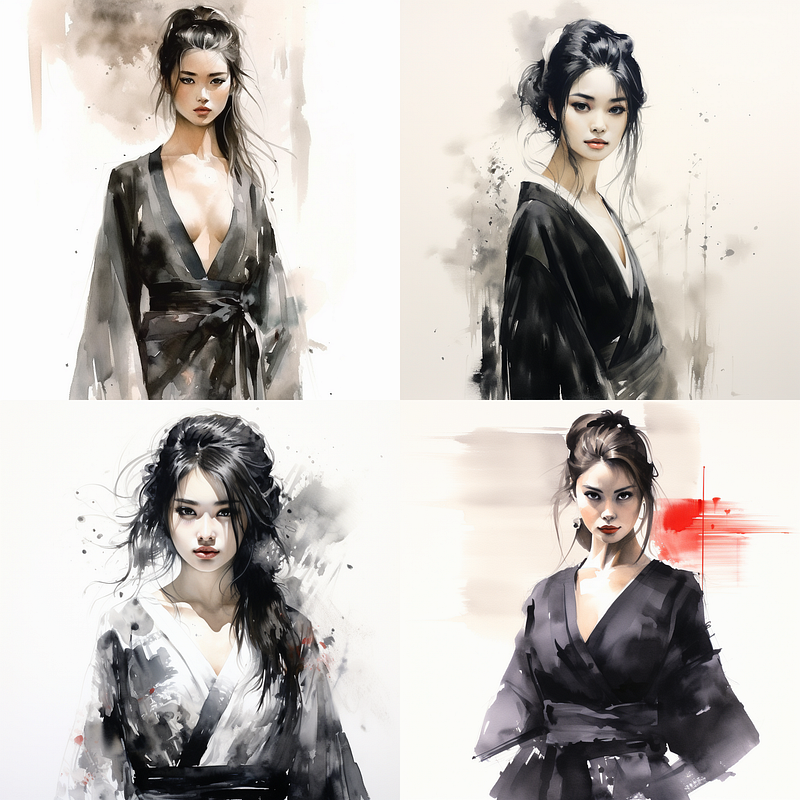
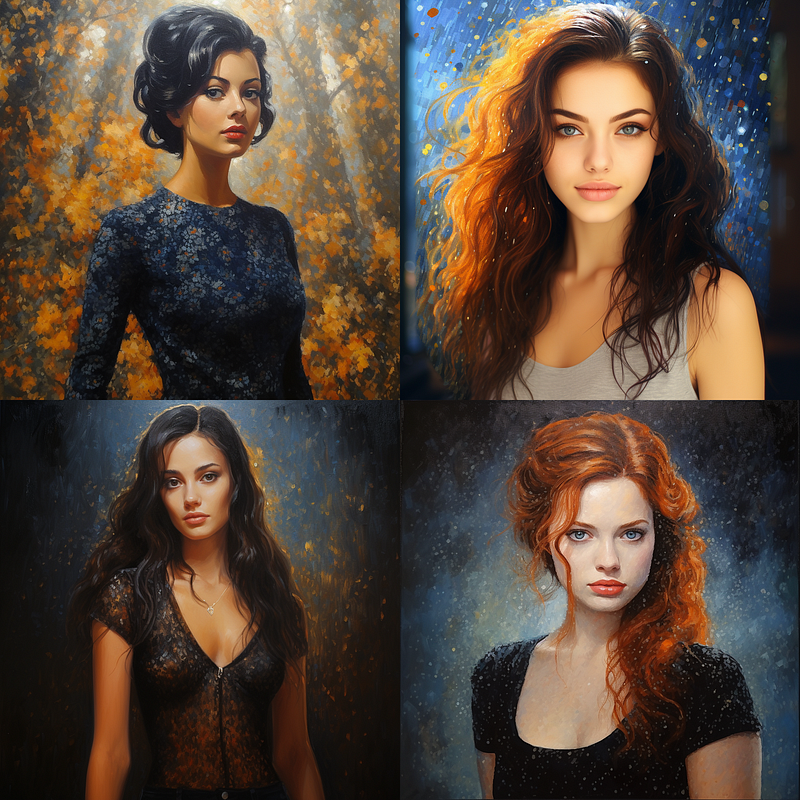
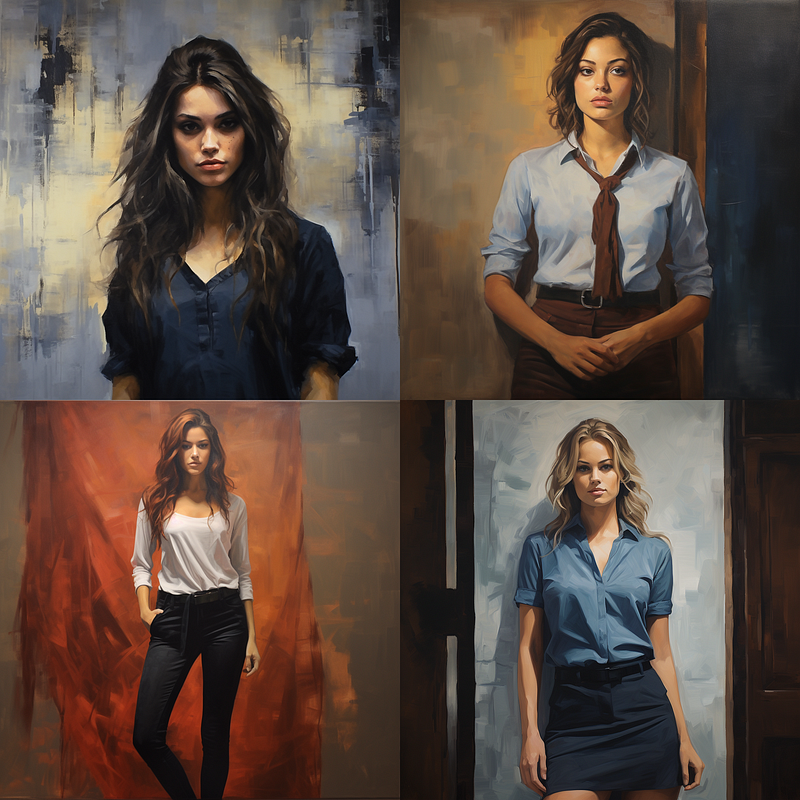
On the following images use a prompt like: “A painting of a beautiful young woman standing. painting-medium-acrylics.” The hyphens aren't strictly required; watercolor painting will work fine, but I find overall better safe than sorry. A word like acrylic if it doesn't pair with the paint style could give you false fingernails, for example.
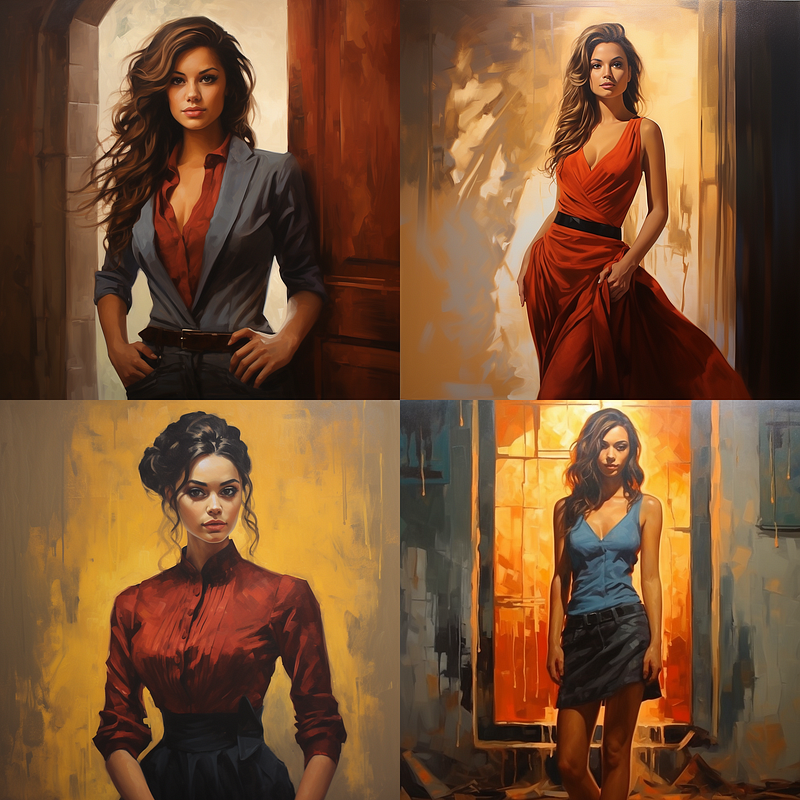
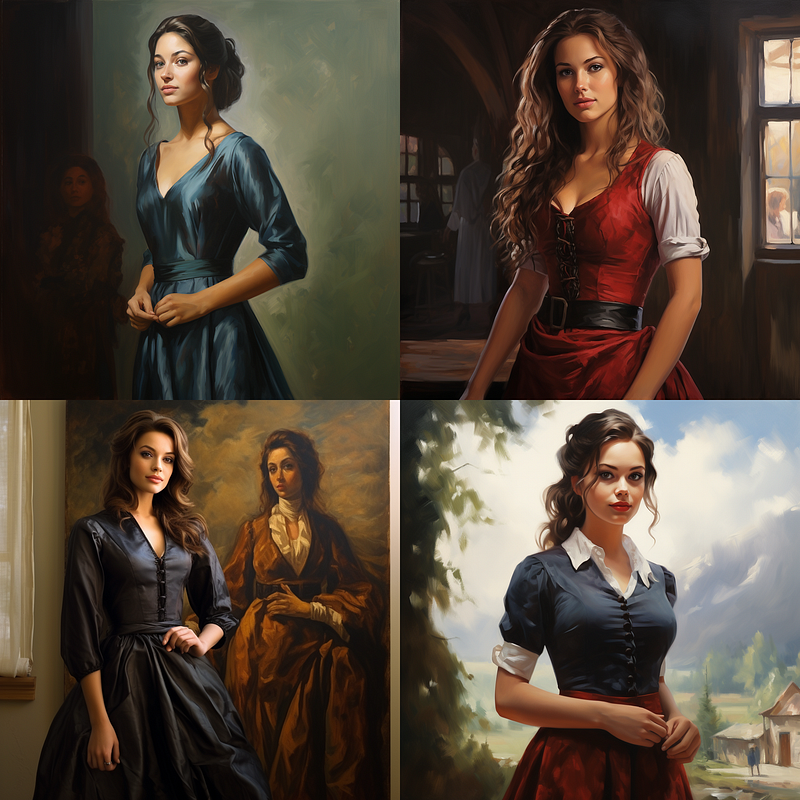
Note that I skipped the finger counting and glossed over minor inconsistencies. The aim here is to showcase what each medium can do in Midjourney, not necessarily to produce frame-ready masterpieces.
Now Add Painting Techniques
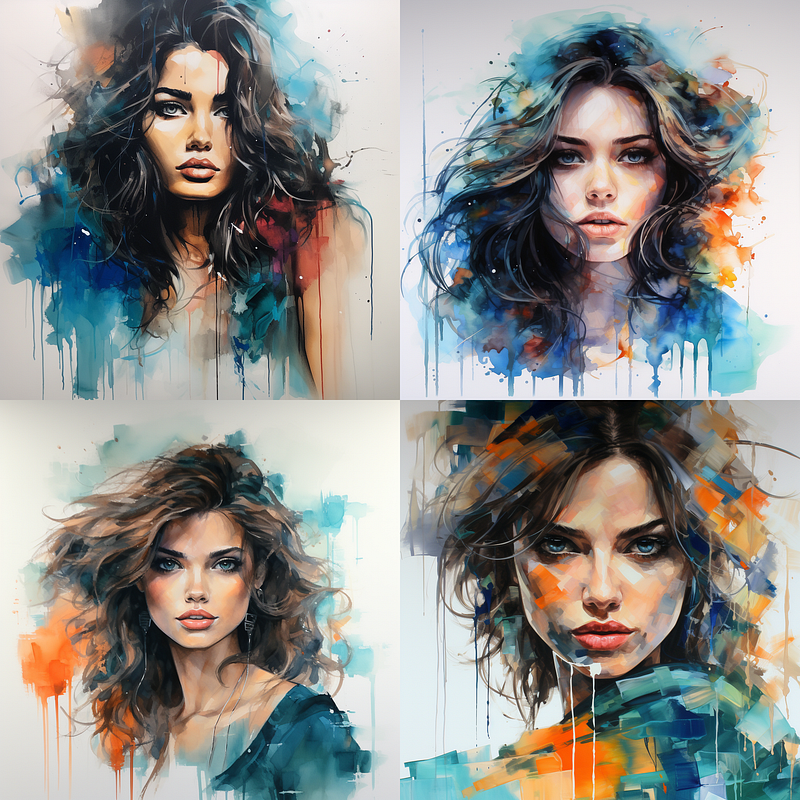
While the choice of medium lays the foundation for your artwork, incorporating painting techniques can further refine your vision. Techniques like ‘Alla Prima’ or ‘Palette Knife Painting’ can add unique effects to your piece, making it truly one-of-a-kind. So let’s explore how to enrich your Midjourney art by pairing these techniques with various media.
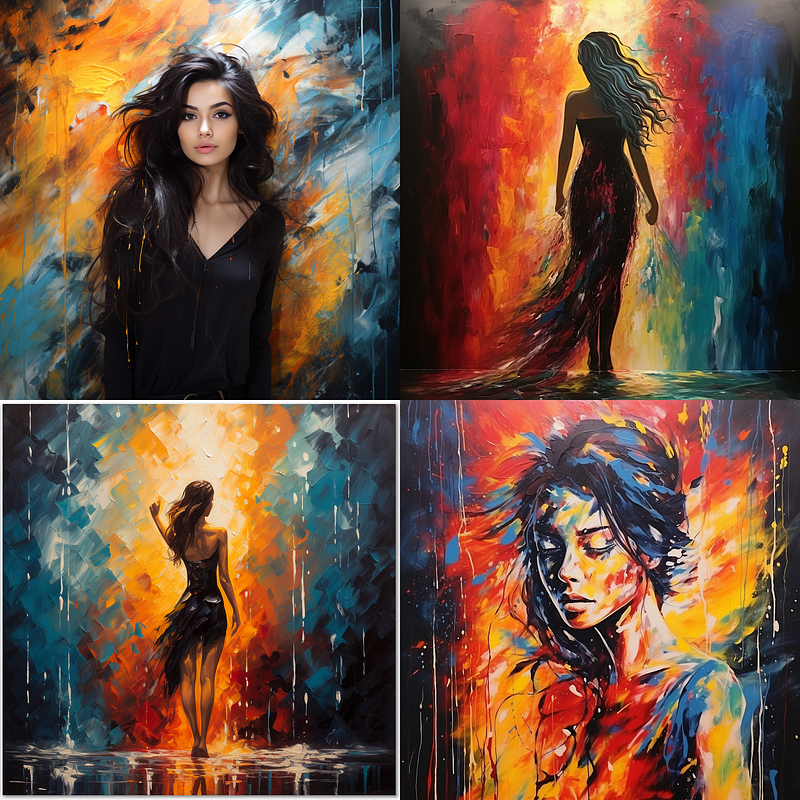
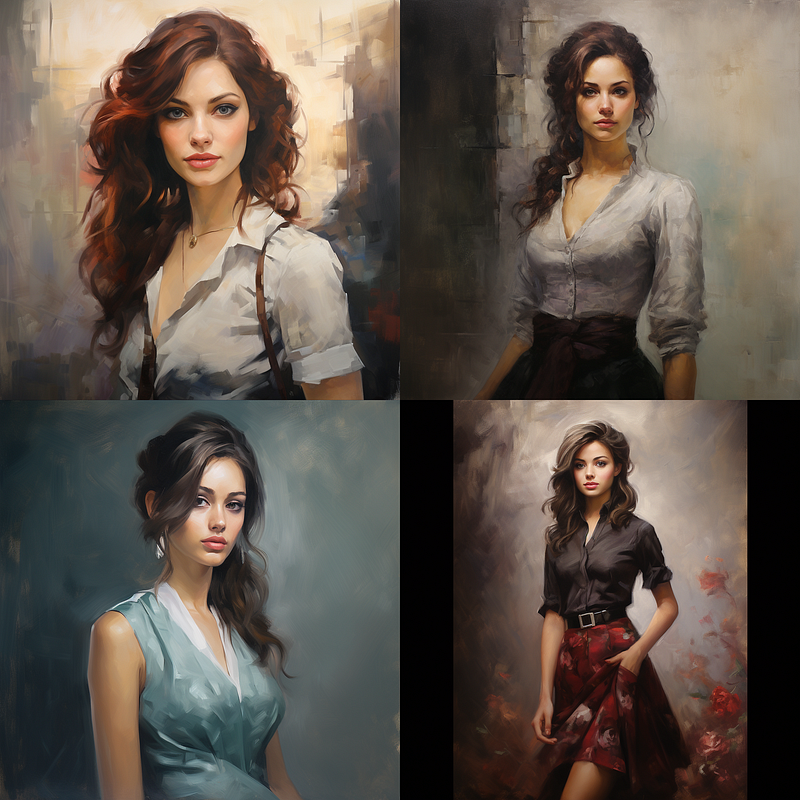
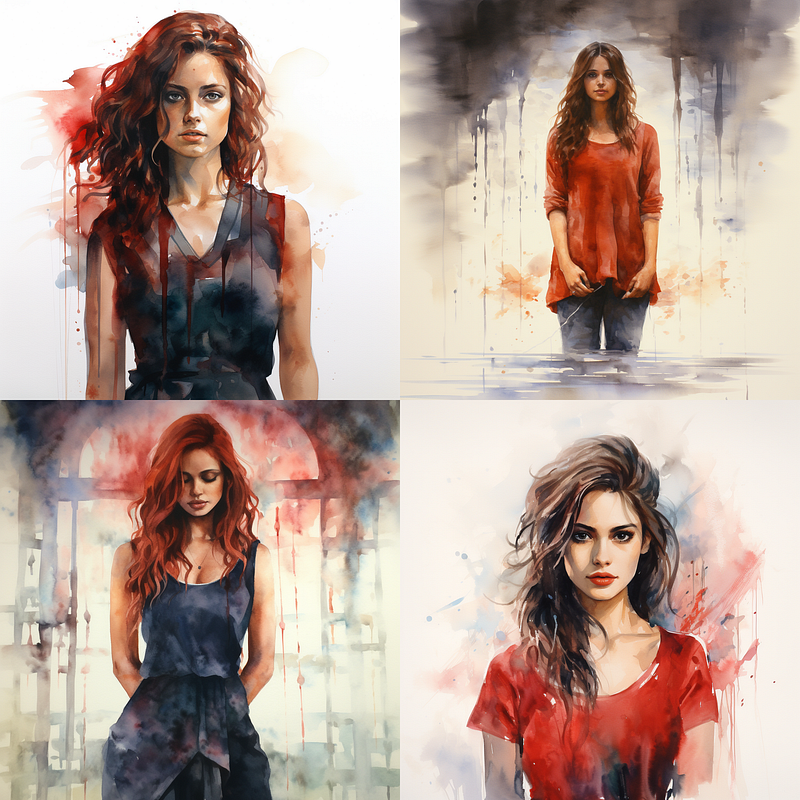
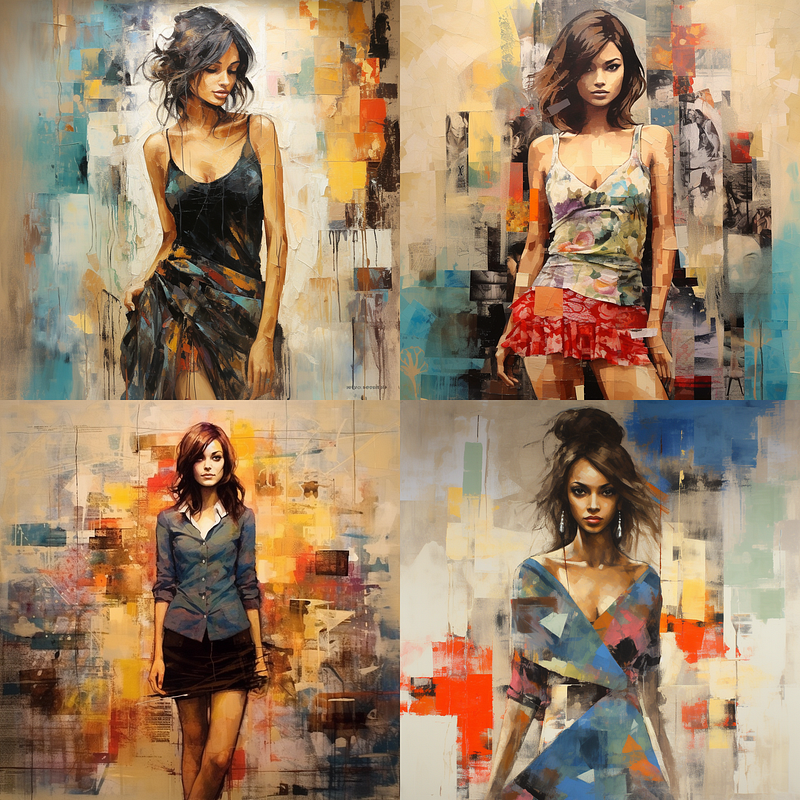
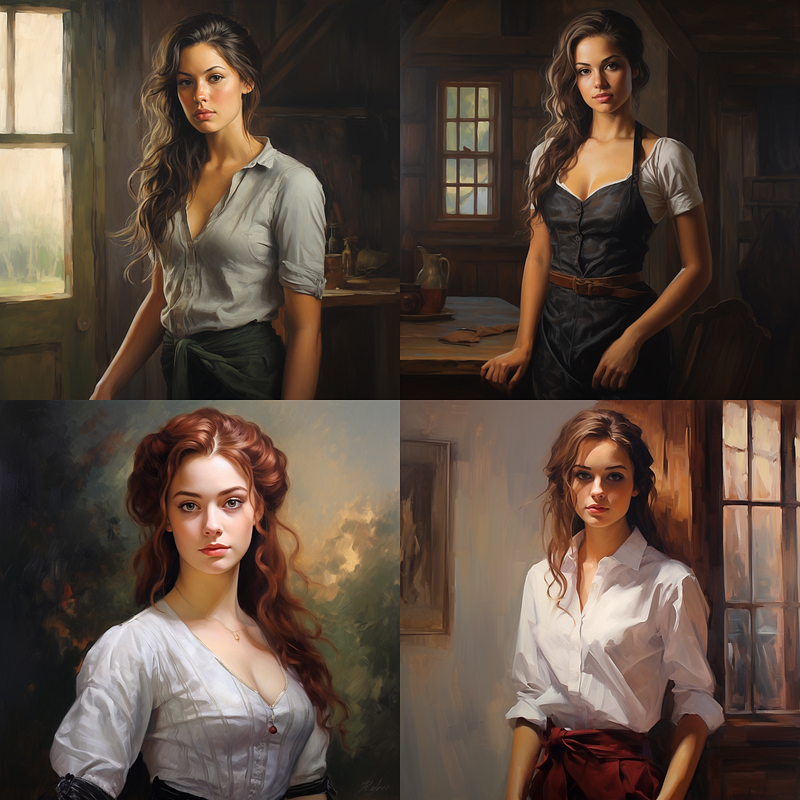
I am not sure how much difference this one is actually making but I do notice a bit of skin shine not seen in a few of the other techniques.
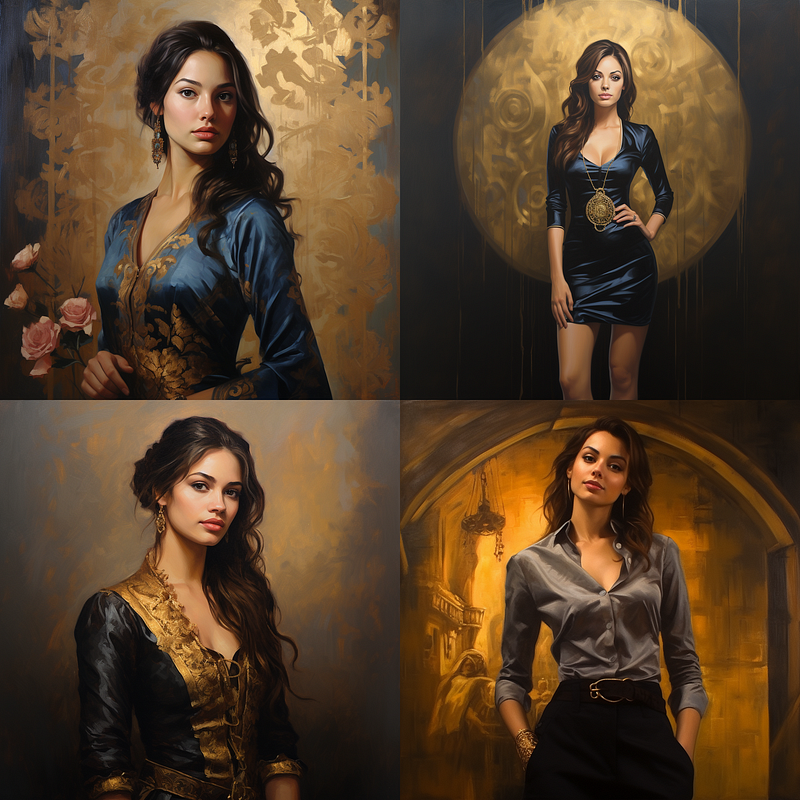
Midjourney knows that our woman is probably not made of gold so it is going to add that gold to the other parts of the scene. The word filigree is also really fun to play with, by itself or together when you really want flashy pretty patterns added to your image.
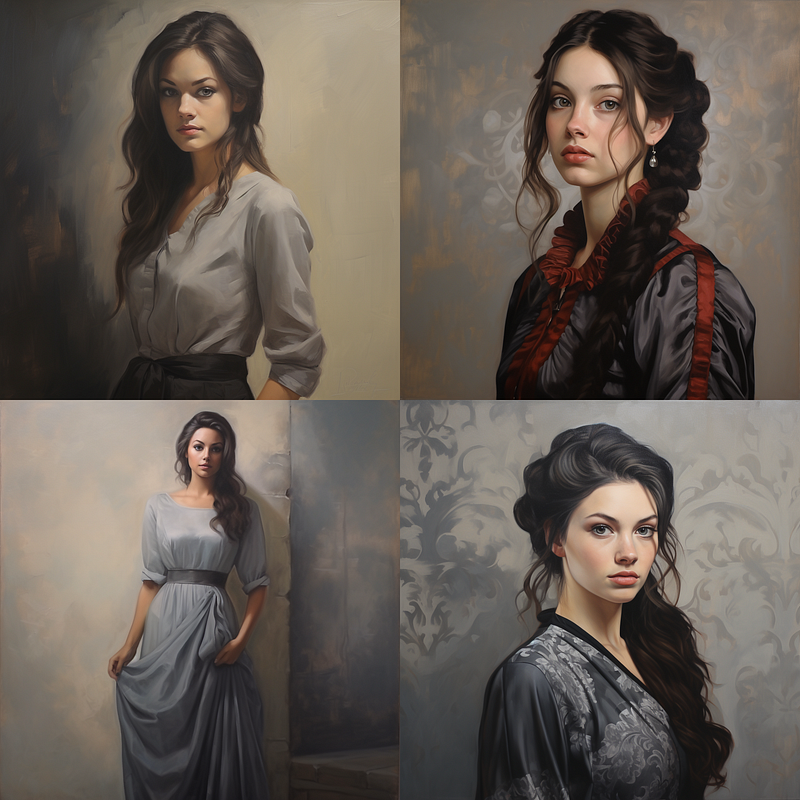
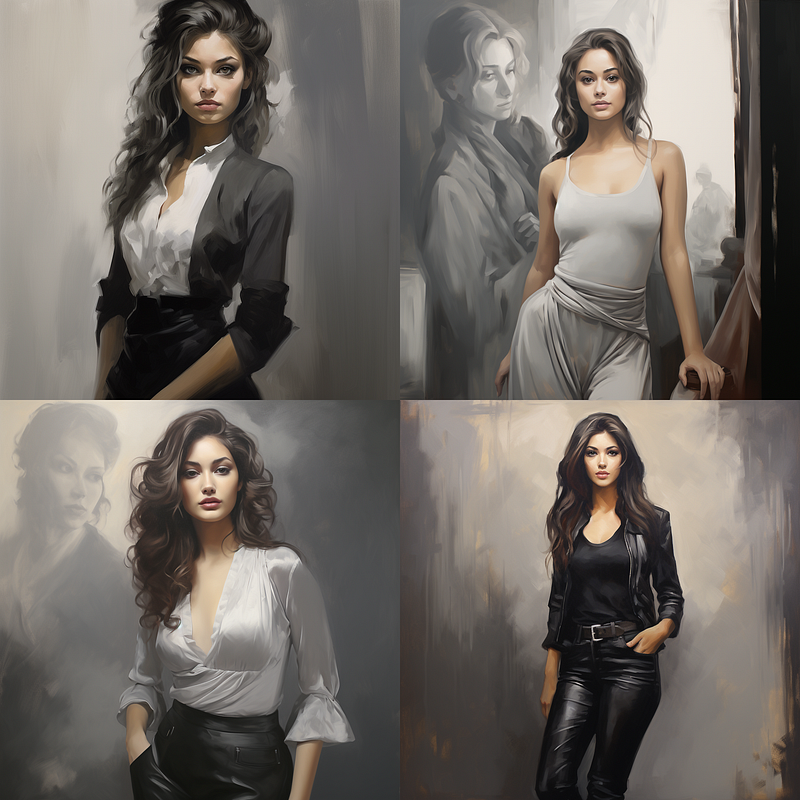
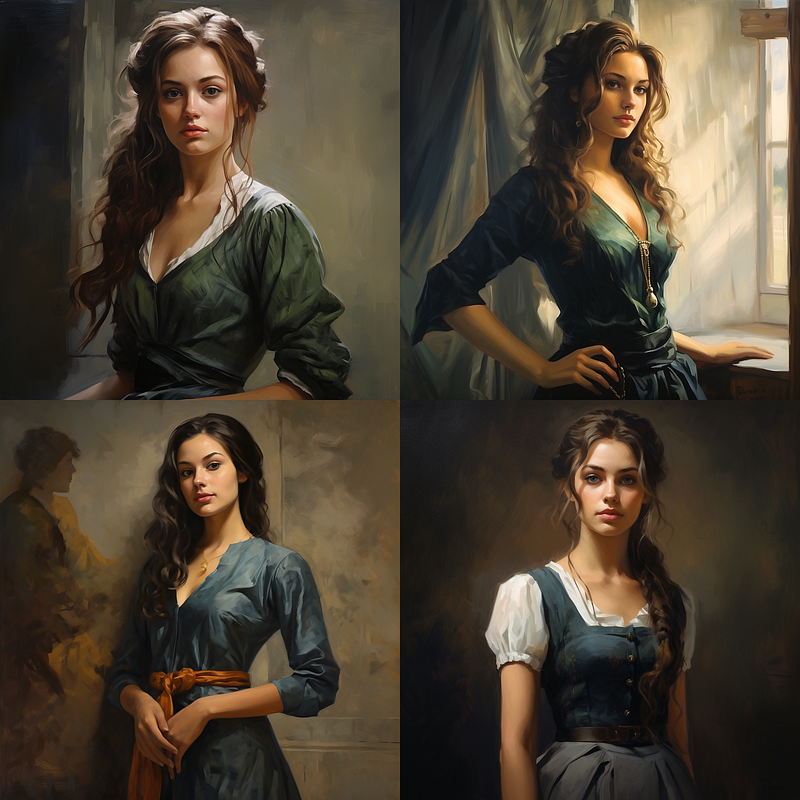
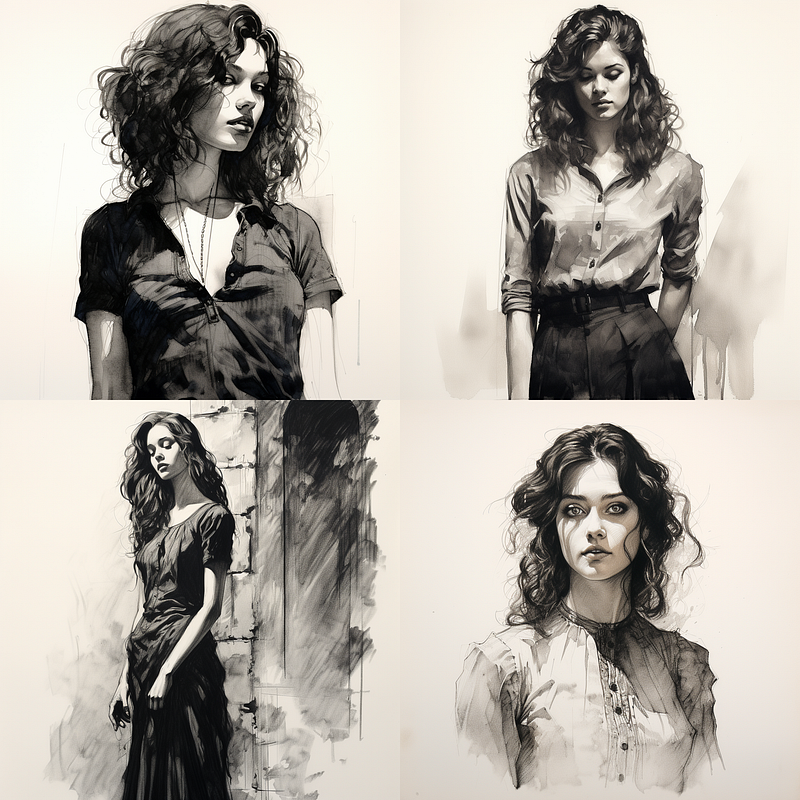
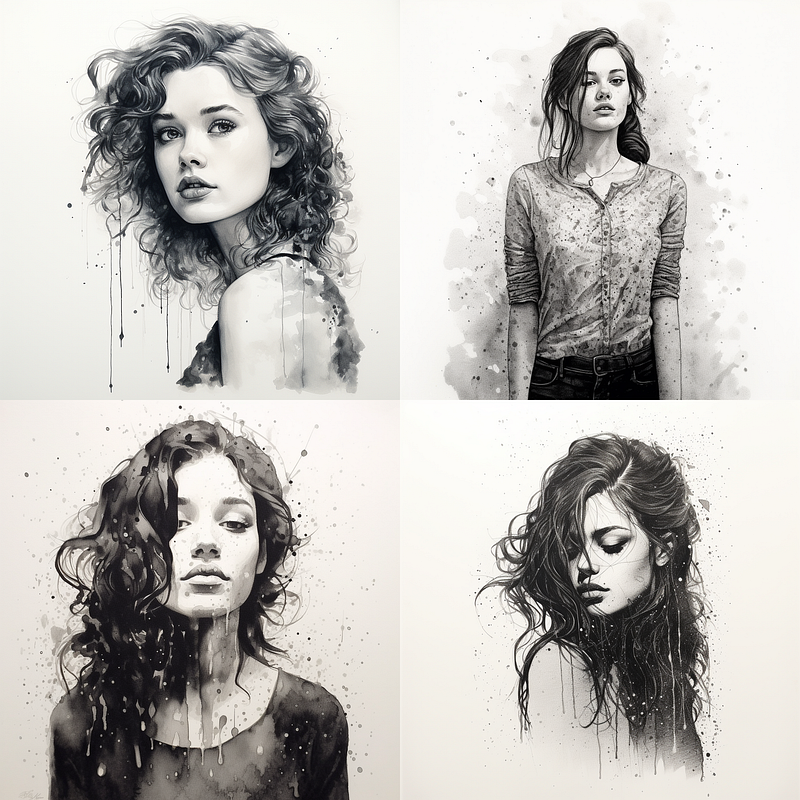
Grisaille is an interesting paint type but I found it was still adding pops of color, so I tried the prompt with a grayscale palette instead with better results.
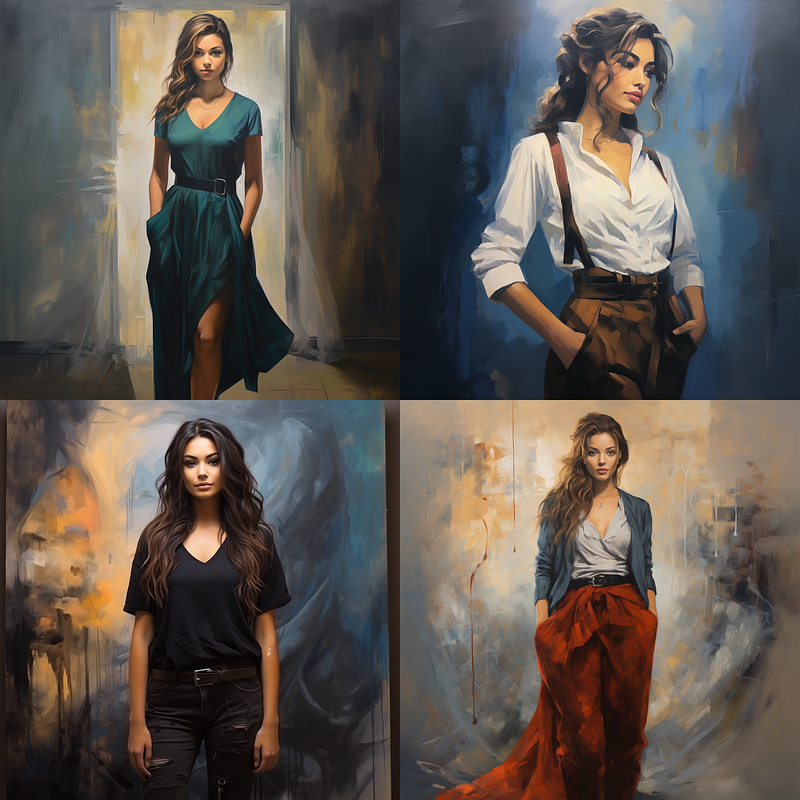
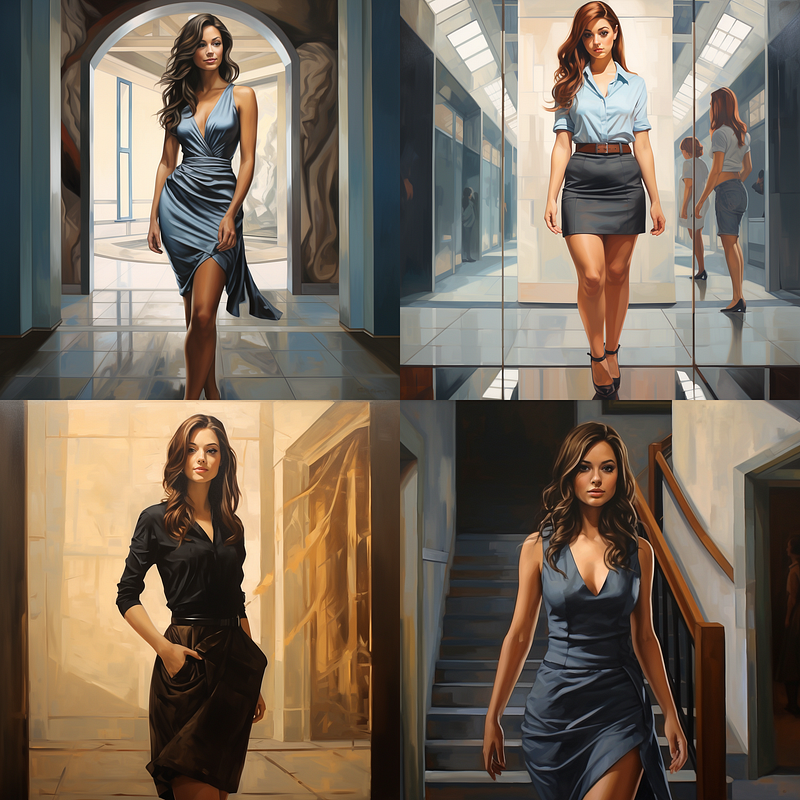
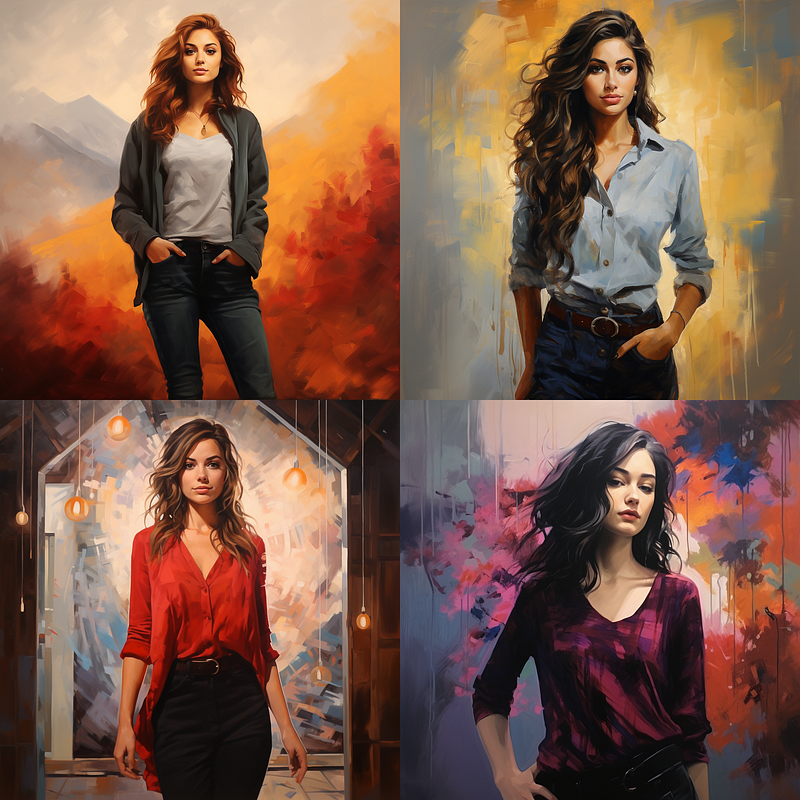
I was not sure that these are using that technique properly but I really liked the results.
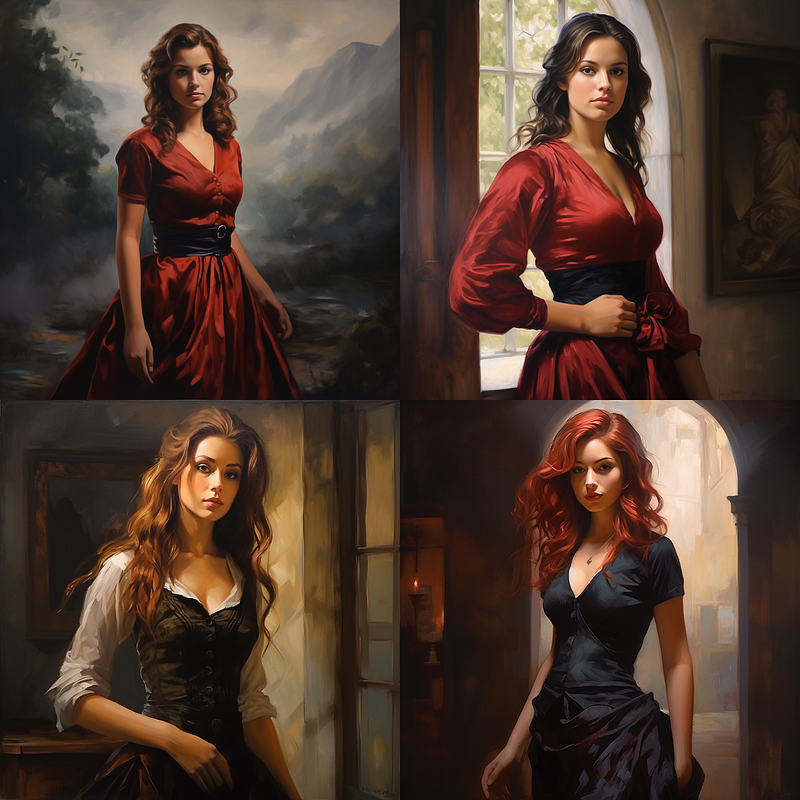
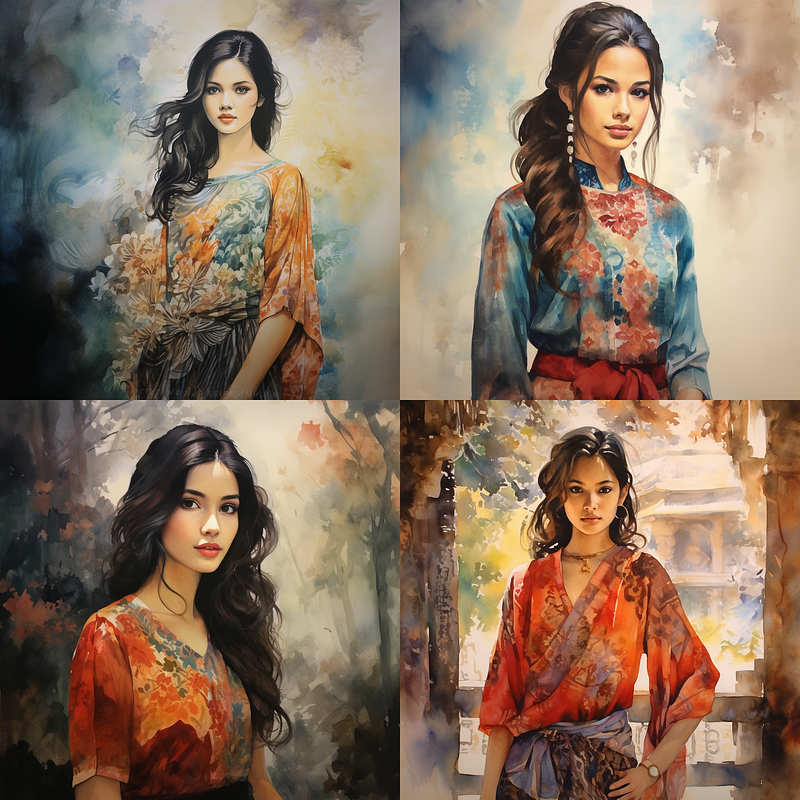
I have found in my testing that using batik usually always creates interesting fabrics and that solid fabrics with batik in the prompt are exceedingly difficult to get. Overall a very fun word to play with in general.
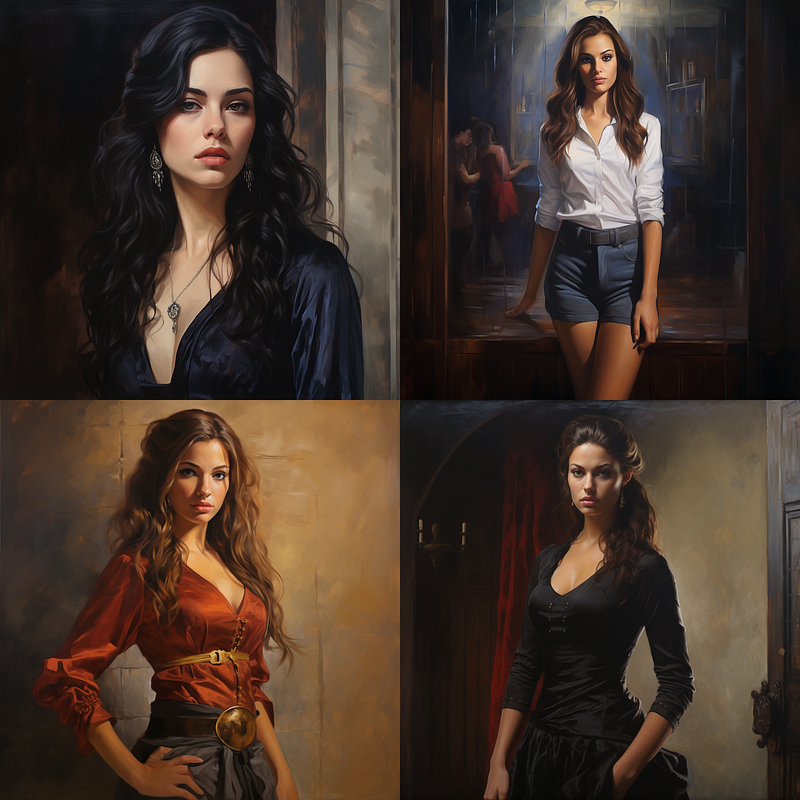
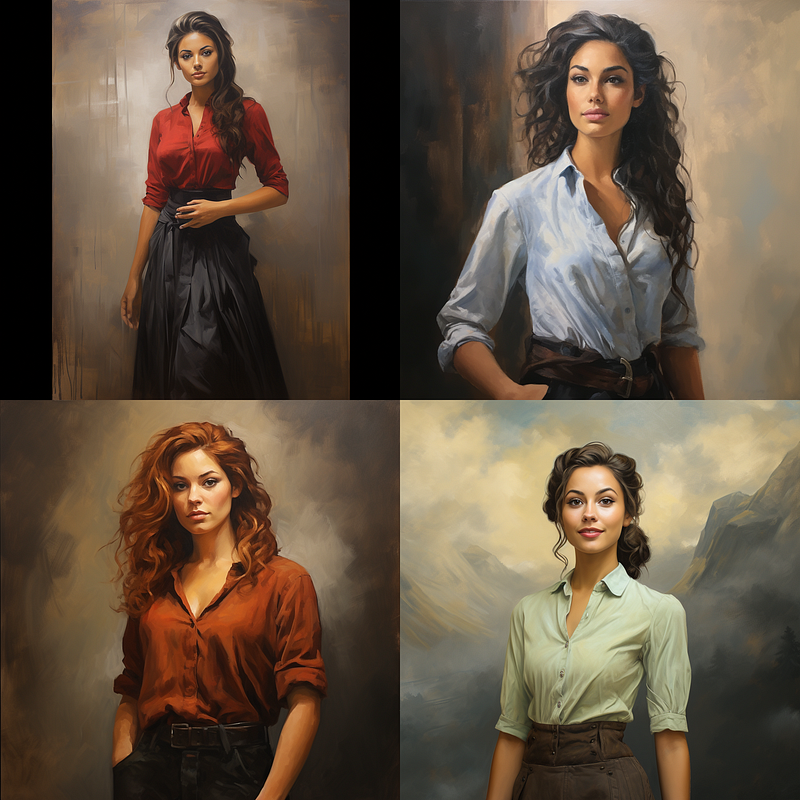
I covered chiaroscuro in the previous article. It is definitely a word to play with. I have not played Tenebrism as much but I see more of it in future prompts. I love the drama in the lighting.
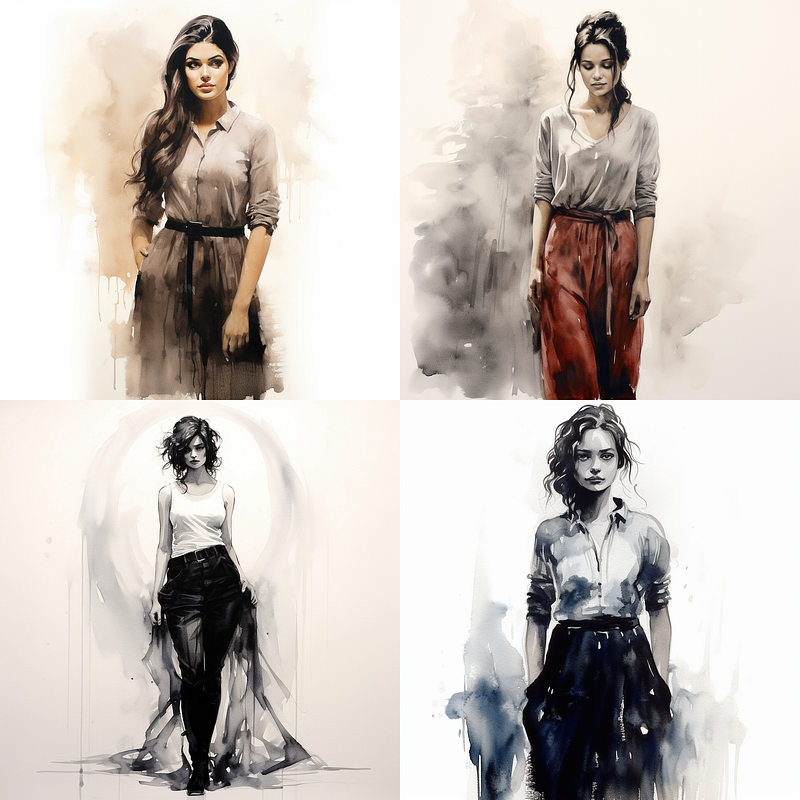
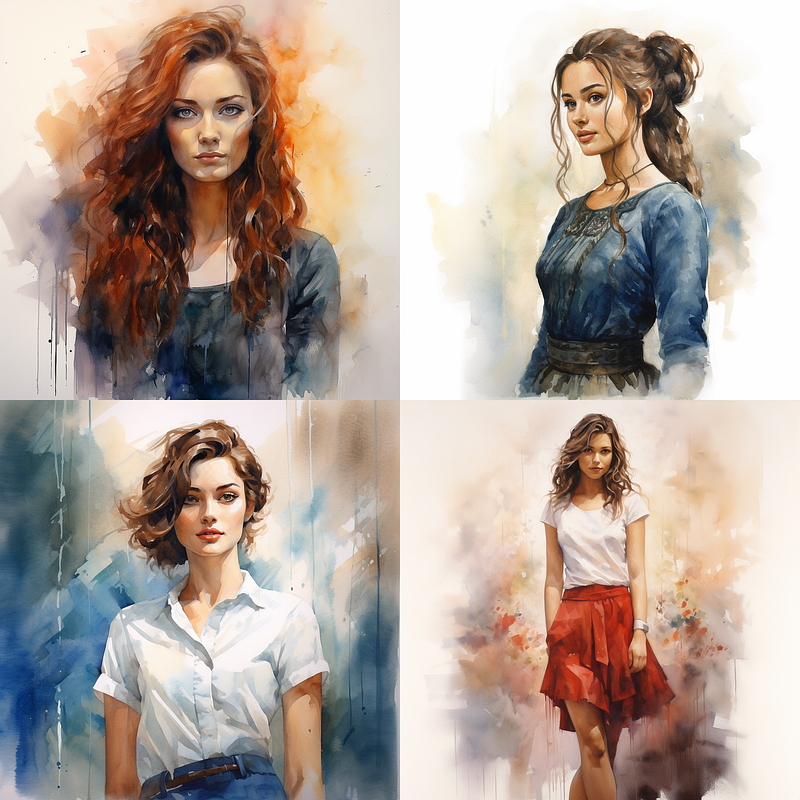
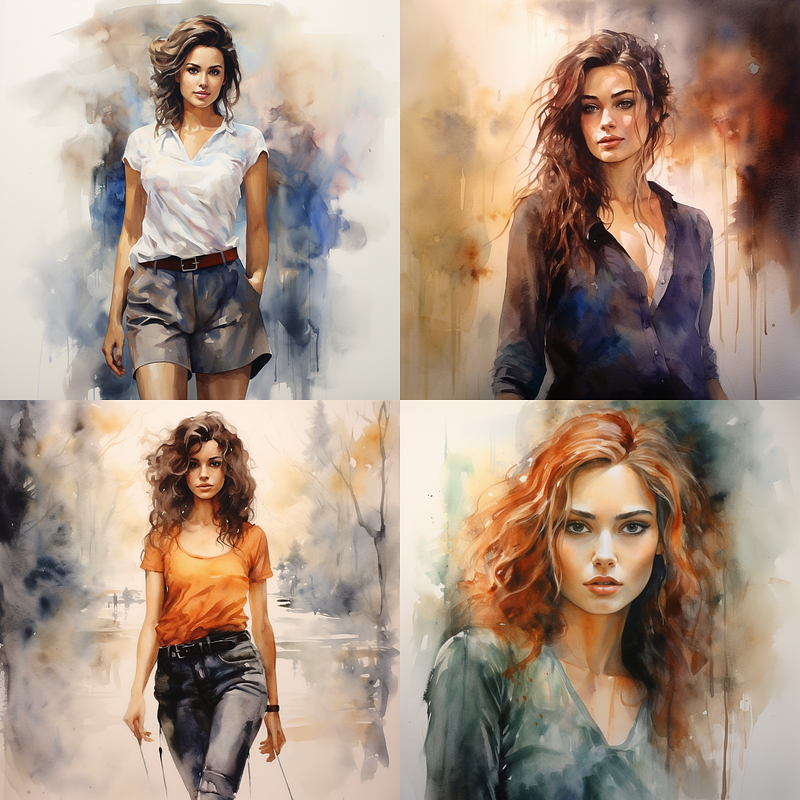
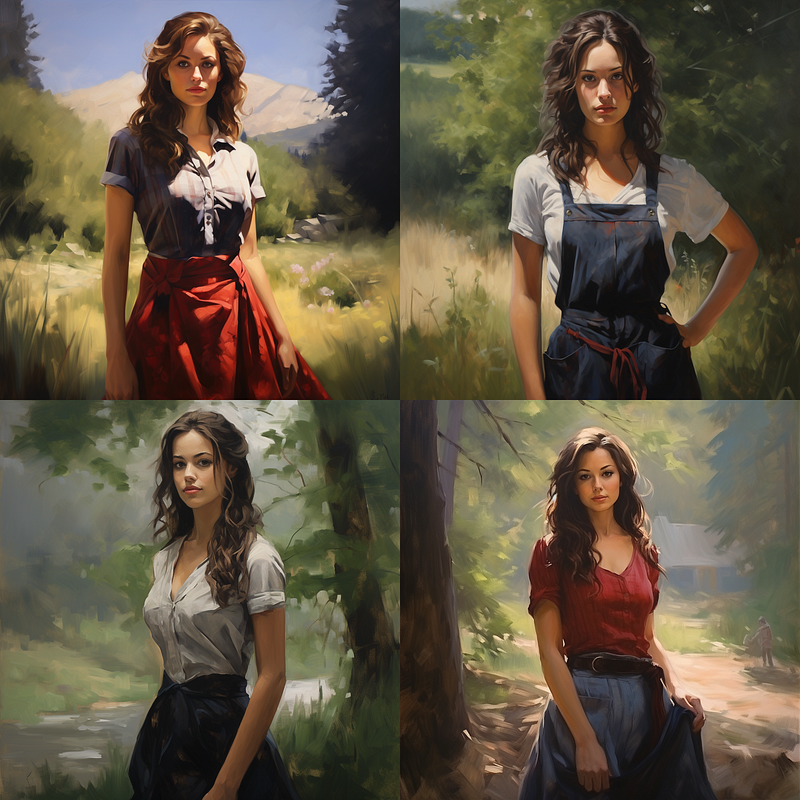
I am not sure how much difference you get between wet-on-wet and wet-on-dry, but both give very pretty results so I included both.
In Conclusion
We’ve dabbled in everything from classic oils and acrylics to more exotic choices like Encaustic and Sumi-e and additional painting techniques. Whether you’re an art aficionado or a Midjourney newbie, I hope this exploration has helped you see the creative possibilities available to you.
It’s worth noting that the examples shown here are Midjourney’s interpretations of these various art mediums and techniques. While they give a good sense of what each medium can offer, they may not exactly mirror the look and feel of traditional physical art in that style. So consider them as a starting point, an inspiration, rather than an absolute representation.
Now, armed with this newfound knowledge, I challenge you to step outside your comfort zone. Don’t just stick to what you know; mix up your mediums and techniques and see where the inspiration takes you. Who knows? Your next Midjourney masterpiece could be just a prompt away.
Stay tuned for the next installment of Midjourney Explorations, where we’ll continue to unravel the many layers of artistic expression. Remember, the journey is just as important as the destination — especially when you’re on Midjourney.
If you’ve found this tour through the colorful world of painting media as enlightening as I have, don’t forget to clap 👏 and follow me for more Midjourney Explorations!
Next Up: Midjourney Explorations: #6 — Art Media, Photos and Prints!
<< Previous Article: Midjourney Explorations: #4: Art Media, Let’s Draw
Next Article: Midjourney Explorations: #6 — Art Media, Photos and Prints! >>
A Message from AI Mind

Thanks for being a part of our community! Before you go:
- 👏 Clap for the story and follow the author 👉
- 📰 View more content in the AI Mind Publication
- 🧠 Improve your AI prompts effortlessly and FREE
- 🧰 Discover Intuitive AI Tools