avatarPromptDervish

Free AI web copilot to create summaries, insights and extended knowledge, download it at here

6772

Abstract

jYhb3g.png"><figcaption><b>· Directional Light: </b>Light coming from a specific direction, often to simulate sunlight.</figcaption></figure><p id="b80a">It is possible to pair directional light with other items and lighting for interesting effects, I paired it with window blinds later down in the article to show it off.</p><figure id="ac69"><img src="https://cdn-images-1.readmedium.com/v2/resize:fit:800/1*yxAF4dCJ-H59C78Bl2OlPg.png"><figcaption></figcaption></figure><figure id="dd71"><img src="https://cdn-images-1.readmedium.com/v2/resize:fit:800/1*N4so2pTSjBunHQQsGK2SYg.png"><figcaption><b>· Emissive Light:</b> Light that comes from objects that generate their own light, like neon signs.</figcaption></figure><figure id="add9"><img src="https://cdn-images-1.readmedium.com/v2/resize:fit:800/1*nZxp8f-JUU-3aXatQiAPcw.png"><figcaption></figcaption></figure><figure id="995e"><img src="https://cdn-images-1.readmedium.com/v2/resize:fit:800/1*_Ee5-kgQ84t793LhOeG8MQ.png"><figcaption><b>· Fluorescent Light: </b>Bright and often cooler light emitted by fluorescent bulbs.</figcaption></figure><figure id="75a4"><img src="https://cdn-images-1.readmedium.com/v2/resize:fit:800/1*vgLKv2XQL6nx1js0CnzSsw.png"><figcaption></figcaption></figure><figure id="3c86"><img src="https://cdn-images-1.readmedium.com/v2/resize:fit:800/1*2G4lxOeXRQLhThvw5bkabQ.png"><figcaption><b>· </b>Golden Hour: that brief window just after sunrise or before sunset, where the sun’s rays are softer and tinged with a warm, reddish hue.</figcaption></figure><p id="c340">The Golden Hour is a personal favorite when it comes to lighting styles. It just has this magical ability to infuse warmth into your subject, making the image feel almost tactile. A pro tip: to keep the essence of the Golden Hour intact in my prompts, I specifically use the term ‘golden-hour-lighting.’</p><figure id="2d44"><img src="https://cdn-images-1.readmedium.com/v2/resize:fit:800/1*H5nEjLhqkH7A3SxKqxlJ_g.png"><figcaption></figcaption></figure><figure id="a135"><img src="https://cdn-images-1.readmedium.com/v2/resize:fit:800/1*NnGUj10O7lPIkmgy8puiJw.png"><figcaption><b>· Hard Light: </b>Light that creates strong, distinct shadows.</figcaption></figure><figure id="a95d"><img src="https://cdn-images-1.readmedium.com/v2/resize:fit:800/1*BCy9-_4sDTVyfu0G4WeZGw.png"><figcaption></figcaption></figure><figure id="9059"><img src="https://cdn-images-1.readmedium.com/v2/resize:fit:800/1*GJ8xYt2hZ_qXlaecpd6yTw.png"><figcaption><b>· Moonlight: </b>Soft, cool light that simulates the natural light from the moon.</figcaption></figure><p id="84ed">Moonlight, much like the Golden Hour, is another lighting technique that’s close to my heart. It harmonizes perfectly with other soft lighting elements, like candles, allowing you to keep every inch of your scene as illuminated as you’d like.</p><figure id="1267"><img src="https://cdn-images-1.readmedium.com/v2/resize:fit:800/1*ywN29wCDHGngDM0zw6vCrg.png"><figcaption></figcaption></figure><figure id="b50d"><img src="https://cdn-images-1.readmedium.com/v2/resize:fit:800/1*qYjSYL9zRV6neyZ0Gnd_2Q.png"><figcaption><b>· Natural Light: </b>Light that replicates daylight or sunlight conditions.</figcaption></figure><figure id="c991"><img src="https://cdn-images-1.readmedium.com/v2/resize:fit:800/1*ASkOV7iCFuU0uGzlmzL3TA.png"><figcaption></figcaption></figure><figure id="64b1"><img src="https://cdn-images-1.readmedium.com/v2/resize:fit:800/1*GrkMqYw8FdhXaakN4CxELQ.png"><figcaption><b>· Point Light: </b>Light emanating from a single point in all directions, like a light bulb.</figcaption></figure><figure id="29e8"><img src="https://cdn-images-1.readmedium.com/v2/resize:fit:800/1*QJvmowM6ppzQL0zkFRWDJA.png"><figcaption></figcaption></figure><figure id="2c3d"><img src="https://cdn-images-1.readmedium.com/v2/resize:fit:800/1*G0q-funlgj0p9Okr5pencg.png"><figcaption><b>· Polarized Light: </b>Light waves that vibrate in parallel planes.</figcaption></figure><figure id="c6ac"><img src="https://cdn-images-1.readmedium.com/v2/resize:fit:800/1*qXWh9iThwGMb7lI837on-A.png"><figcaption></figcaption></figure><figure id="afc1"><img src="https://cdn-images-1.readmedium.com/v2/resize:fit:800/1*-rqDdbQ2ZORa7nLuD1nh4Q.png"><figcaption><b>· Reflected Light: </b>Light bouncing off surfaces, often creating indirect lighting effects.</figcaption></figure><figure id="85d6"><img src="https://cdn-images-1.readmedium.com/v2/resize:fit:800/1*F7R50o4oEmq_nY7DrtxQnA.png"><figcaption></figcaption></figure><figure id="e522"><img src="https://cdn-images-1.readmedium.com/v2/resize:fit:800/1*SlIPgNT7BMMMYQs9bMkTxQ.png"><figcaption><b>· Rim Light: </b>Light that outlines the edges of the subject, often for dramatic effect.</figcaption></figure><figure id="838e"><img src="https://cdn-images-1.readmedium.com/v2/resize:fit:800/1*VV_SXZT9Pw6IrREjxjMIWg.png"><figcaption></figcaption></figure><figure id="87e2"><img src="https://cdn-images-1.readmedium.com/v2/resize:fit:800/1*9LodaqXlVWU18lYLFlpXZw.png"><figcaption><b>· Sidelight: </b>Light coming from one side, often used to reveal texture.</figcaption></figure><figure id="c94e"><img src="https://cdn-images-1.readmedium.com/v2/resize:fit:800/1*RH0RllSoKpN7I957Z6riwg.png"><figcaption></figcaption></figure><figure id="b5c1"><img src="https://cdn-images-1.readmedium.com/v2/resize:fit:800/1*yOhFd8zj5_5fgTfyc3d_FQ.png"><figcaption><b>· Soft Light: </b>Light that is diffused and scattered, creating minimal shadows.</figcaption></figure><figure id="9524"><img src="https://cdn-images-1.readmedium.com/v2/resize:fit:800/1*1l-id8EdW84utUoIUFsg3w.png"><figcaption></figcaption></figure><figure id="3061"><img src="https://cdn-images-1.readmedium.com/v2/resize:fit:800/1*CArqL07DChEJd4Cril10gA.png"><figcaption><b>· Spotlight: </b>A strong light source that illuminates only a specific area, creating focus.</figcaption></figure><figure id="edf4"><img src="https://cdn-images-1.readmedium.com/v2/resize:fit:800/1*FKTNmVdvIMJYEi6RAxMuBg.png"><figcaption></figcaption></figure><figure id="159a"><img src="https://cdn-images-1.readmedium.com/v2/resize:fit:800/1*j09T-DrMqXM36lz4tAYkjw.png"><figcaption><b>· Strobe Light: </b>Flashing light that creates a series of still frames, often used for dynamic effects.</figcaption></figure><figure id="7f2e"><img src="https://cdn-images-1.readmedium.com/v2/resize:fit:800/1*o3HrGJfb0S3NWtanZqeRpA.png"><figcaption></figcaption></figure><figure id="c6c4"><img src="https://cdn-images-1.readmedium.com/v2/resize:fit:800/1*ls8SGpw9cHeDIXC4lYvDCw.png"><figcaption><b>· Volumetric Light: </b>Light that creates visible beams in the presence of fog, dust, or smoke, often used for atmospheric effects.</figcaption></figure><figure id="7519"><img src="https://cdn-images-1.readmedium.com/v2/resize:

Options

fit:800/1*9GQKJQtNirPQCbJSOHv2dw.png"><figcaption></figcaption></figure><figure id="c646"><img src="https://cdn-images-1.readmedium.com/v2/resize:fit:800/1*y1EqaVDdsg5c160N_LpHww.png"><figcaption>· Warm Light: Light with a yellowish color temperature, creating a warm atmosphere.</figcaption></figure><p id="92b2">Yes, in many cases you can auto-pilot the lighting in Midjourney but mastery over lighting is akin to an artist finding their unique brushstroke or a musician uncovering their distinct sound; it can transform a piece from merely “a good image” to “OMG!!!”</p><p id="ecb9">Consider our example of a portrait featuring a young woman. With basic lighting, you’ll certainly end up with a respectable portrait. However, by carefully selecting our lighting — using backlighting to outline her silhouette and give her an ethereal glow, coupled with the gentle flicker of candlelight to softly illuminate her face — we achieve something more. The result? An image that does more than merely attract your gaze; it commands your full attention.</p><figure id="3dfc"><img src="https://cdn-images-1.readmedium.com/v2/resize:fit:800/1*-eIAxzL-7mMRORRfeAS7xA.png"><figcaption>“a beautiful young woman posing for a portrait, backlit by moonlight, illuminated by the candle in her hand”</figcaption></figure><p id="1dd8">You’re not merely toggling lights here; you’re directing a visual symphony of shades and tones. That backlight makes you wonder if she’s the sort of person who knows secrets about the universe, and the soft light gives her a healthy glow and adds soft enticing shadows to her neck and face.</p><p id="1a7b">For even more fun, try adding something to your lighting, such as “directional-light-through-window-shades” to cast some shadows.</p><figure id="d45e"><img src="https://cdn-images-1.readmedium.com/v2/resize:fit:800/1*UAfmqDQbz10fCZfBUVw_mg.png"><figcaption>“A beautiful young woman posing for a portrait, directional-light-through-window-shades”</figcaption></figure><p id="b2a2">Sure, starting with ‘good’ is perfectly fine. But with a nuanced understanding of lighting, you can transform that ‘good’ image into something genuinely compelling. It’s not just about illuminating your scene; it’s about imbuing it with a distinct mood and tone. Consider it the seasoning in your creative kitchen — a subtle shift can yield a remarkable difference.</p><h1 id="9d2f">Key Takeaways:</h1><p id="68d5"><b>The Power of Lighting: </b>Lighting isn’t just a finishing touch; it’s the secret sauce that can turn your good art into a masterpiece. The examples of the teacup and the woman demonstrate how subtle changes in lighting can make a world of difference.</p><p id="f117"><b>Know Your Options:</b> From ‘Ambient’ to ‘Warm,’ understanding the diverse range of lighting options can help you control the mood and emotion of your images. The list is not definitive but will definitely give you a leg up in creating your images.</p><p id="d03c"><b>Blend and Experiment: </b>Don’t be afraid to experiment by combining different types of lighting for unique effects, and even adding other bits like the blinds or adding color information to the lighting.</p><p id="6950"><b>Beyond the Basics: </b>Mastering lighting can be like finding your unique brushstroke — it can elevate your work from “pretty good” to “absolutely stunning.”</p><p id="8fab">Alright, we’ve come to the end of this lighting journey through Midjourney. I hope you found it as enlightening as I did — pun intended! If this article added some sparkle to your day, a clap would be fantastic. Looking for more tips and tricks? Consider following me here for future pieces. Your support goes a long way, and I’m eager to see what you’ll create next. Keep those creative gears turning, and happy art-making!</p><figure id="9d92"><img src="https://cdn-images-1.readmedium.com/v2/resize:fit:800/1*74uY3fP9x8jLG8mUIMO4dw.png"><figcaption></figcaption></figure><div id="d22d" class="link-block"> <a href="https://pub.aimind.so/midjourney-explorations-1-its-all-in-the-words-c642e36e412b"> <div> <div> <h2>Midjourney Explorations: #1 — It’s all in the words!</h2> <div><h3>Finding the right word to describe your image goes a long way. In this series of Midjourney Explorations we will dive…</h3></div> <div><p>pub.aimind.so</p></div> </div> <div> <div style="background-image: url(https://miro.readmedium.com/v2/resize:fit:320/1*PNetTSddzw62FLOc8zVxeQ.jpeg)"></div> </div> </div> </a> </div><div id="0b57" class="link-block"> <a href="https://pub.aimind.so/midjourney-explorations-9-perspectives-and-composition-d0bb64264277"> <div> <div> <h2>Midjourney Explorations: #9 — Perspectives and Composition</h2> <div><h3>Master generative AI art with tips on perspective and photography. Achieve creative precision and adaptability in your…</h3></div> <div><p>pub.aimind.so</p></div> </div> <div> <div style="background-image: url(https://miro.readmedium.com/v2/resize:fit:320/1*E6vUdQLr4GheRjBMZKOgrQ.png)"></div> </div> </div> </a> </div><div id="96eb" class="link-block"> <a href="https://readmedium.com/midjourney-explorations-10-adding-depth-and-composition-extras-270e886fbafa"> <div> <div> <h2>Midjourney Explorations: #10 — Adding Depth and Composition Extras</h2> <div><h3>Dive into advanced depth and composition techniques for your Midjourney art. Unlock creative possibilities with…</h3></div> <div><p>medium.com</p></div> </div> <div> <div style="background-image: url(https://miro.readmedium.com/v2/resize:fit:320/1*LhRWRcxAr1iSzgjZLpJHVA.png)"></div> </div> </div> </a> </div><h2 id="417c">A Message from AI Mind</h2><figure id="ecd4"><img src="https://cdn-images-1.readmedium.com/v2/resize:fit:800/0*5Wm7sOfTpe5DEbhg.gif"><figcaption></figcaption></figure><p id="0438">Thanks for being a part of our community! Before you go:</p><ul><li>👏 Clap for the story and follow the author 👉</li><li>📰 View more content in the <a href="https://pub.aimind.so/">AI Mind Publication</a></li><li>🧠 Improve your <a href="https://www.aimind.so/prompt-generator?utm_source=pub&amp;utm_medium=message">AI prompts effortlessly and FREE</a></li><li><b>🧰 Discover <a href="https://www.aimind.so/?utm_source=pub&amp;utm_medium=message">Intuitive AI Tools</a></b></li></ul></article></body>

Midjourney Explorations: #3 — Lighting

Looking to elevate your Midjourney art to the next level? You’re in the right place — welcome to part three of the series on mastering the art of lighting in your prompts.

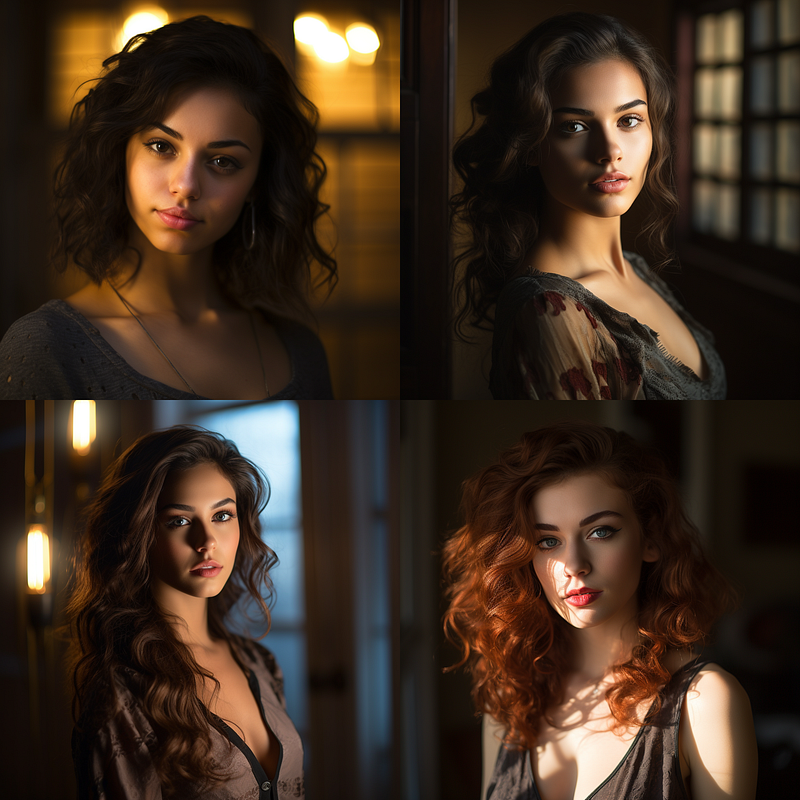
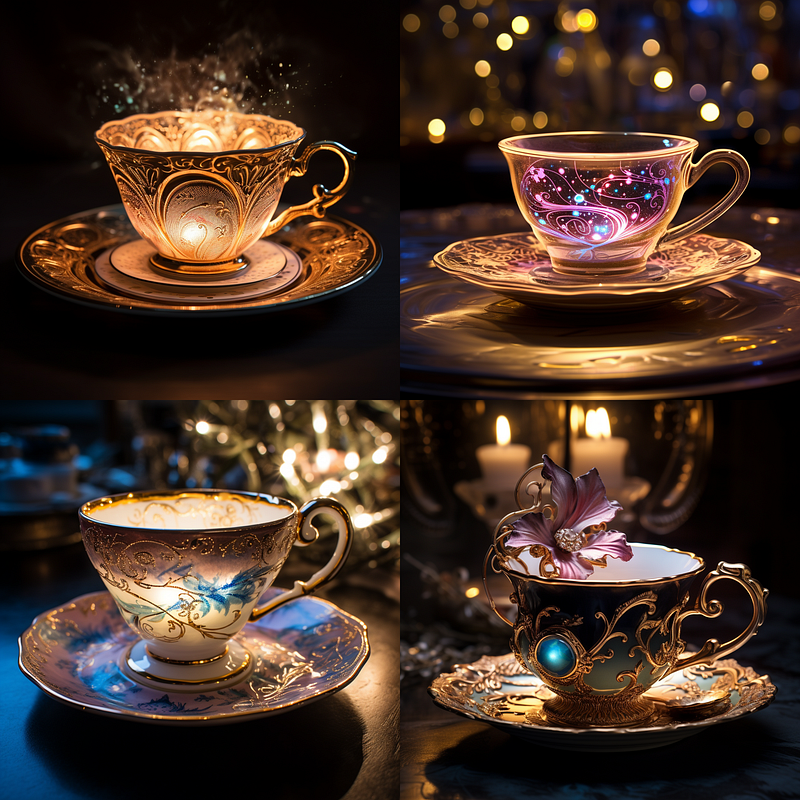
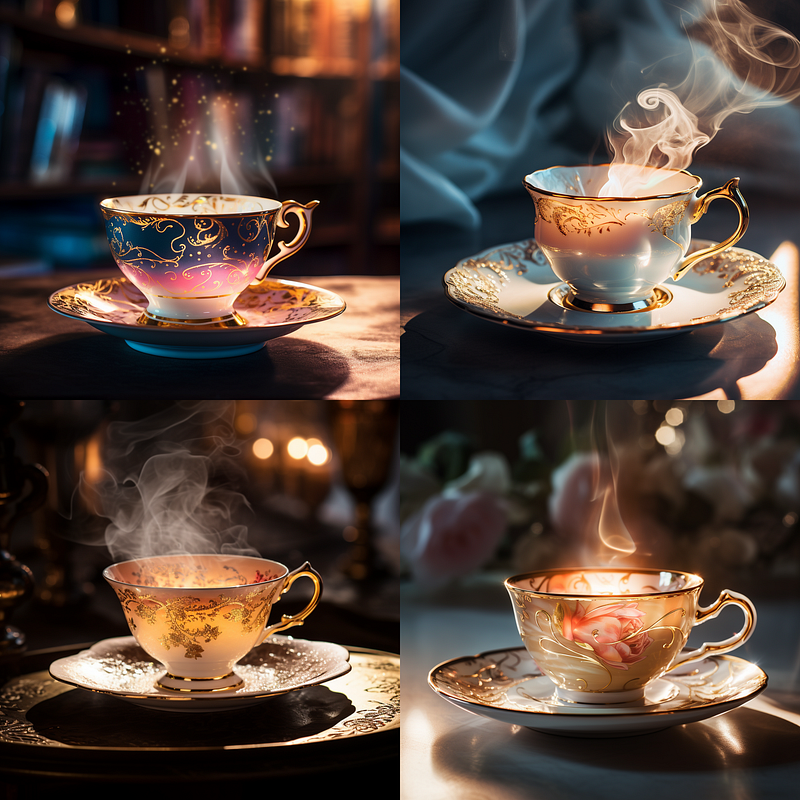
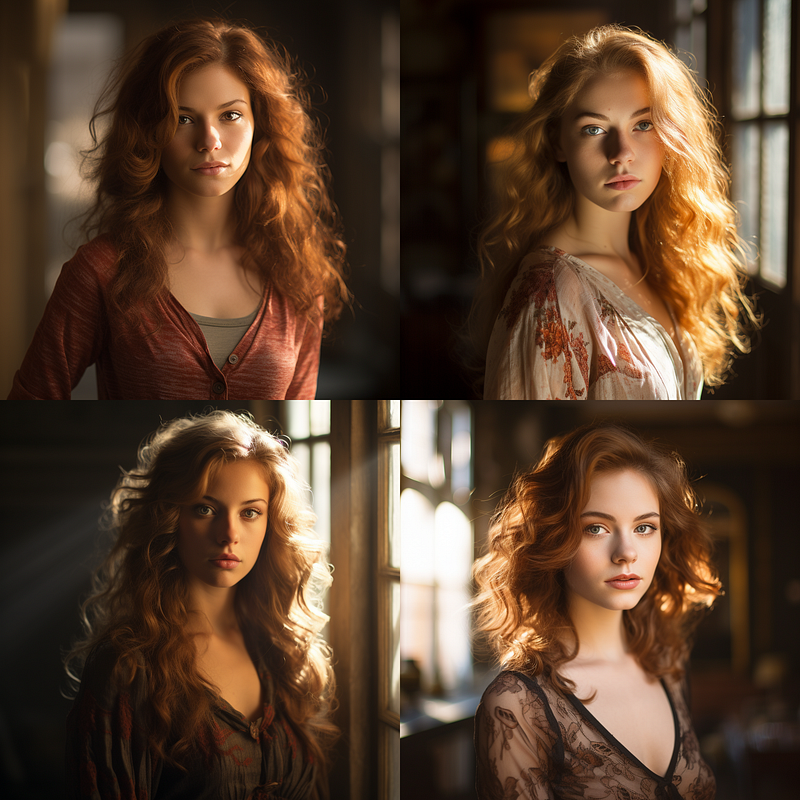
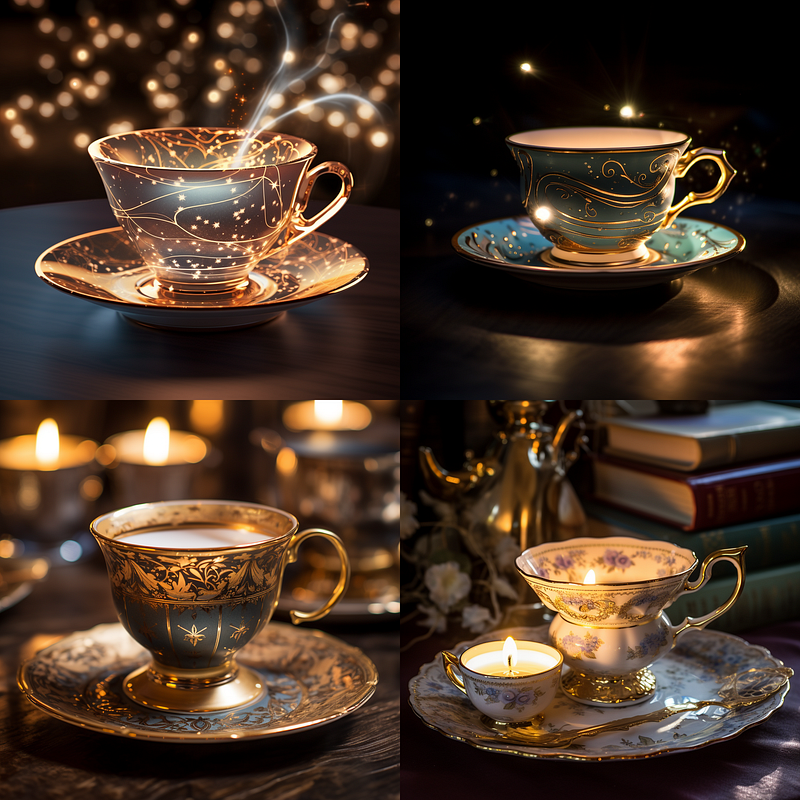
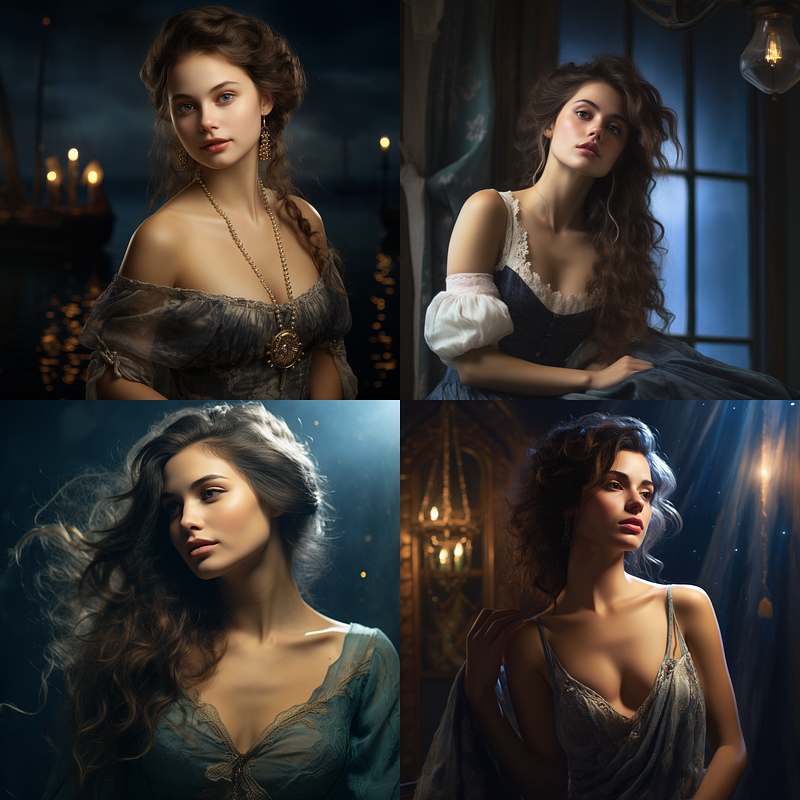
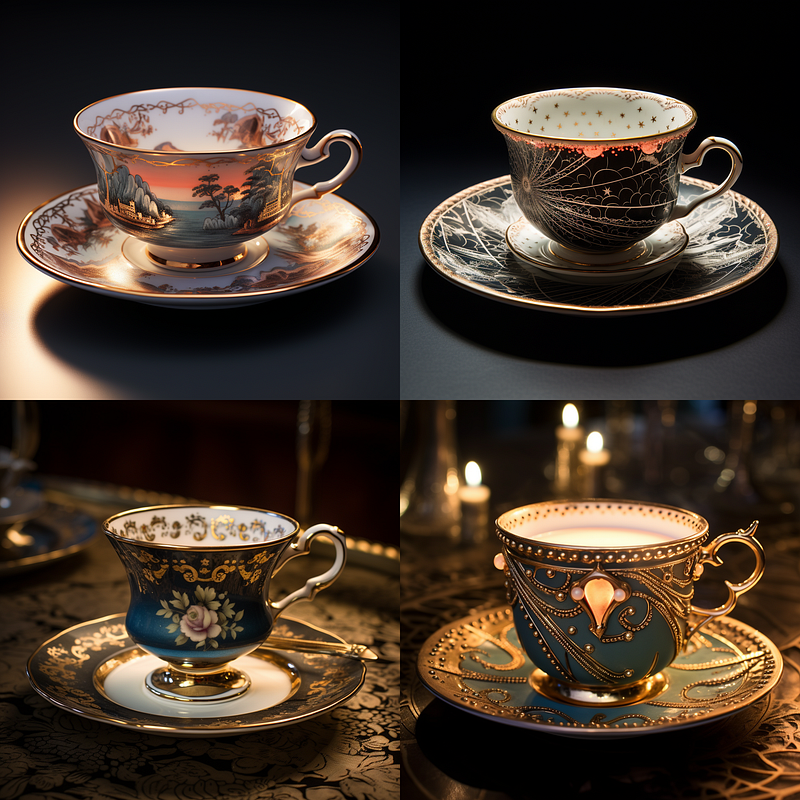
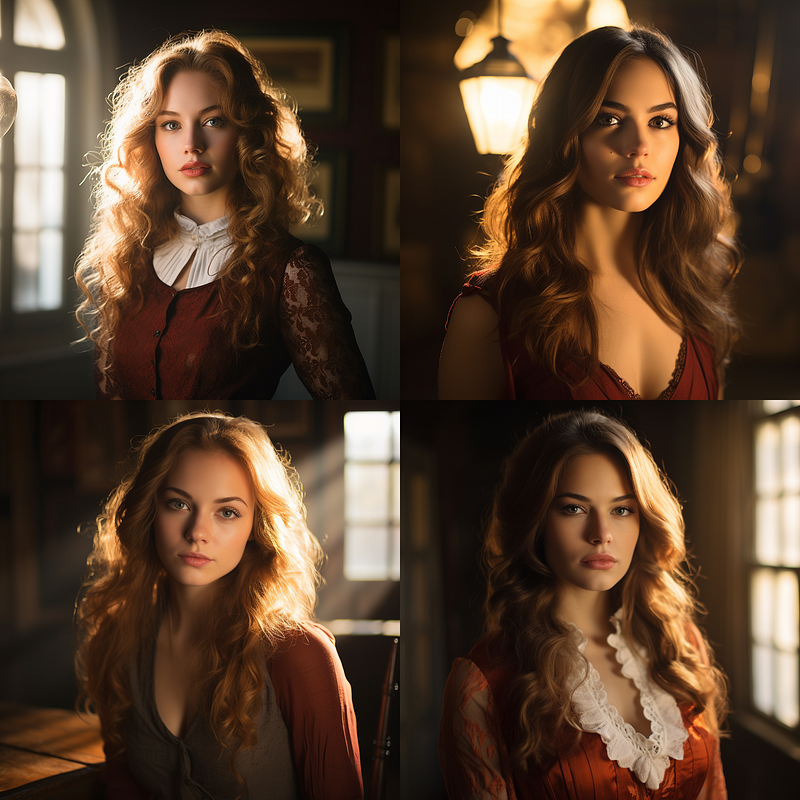
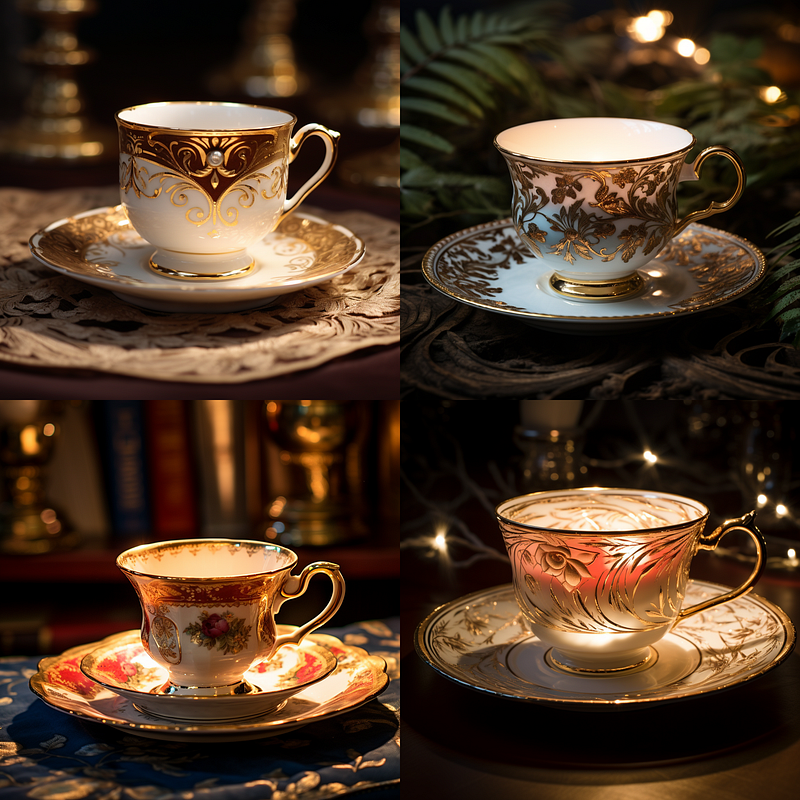
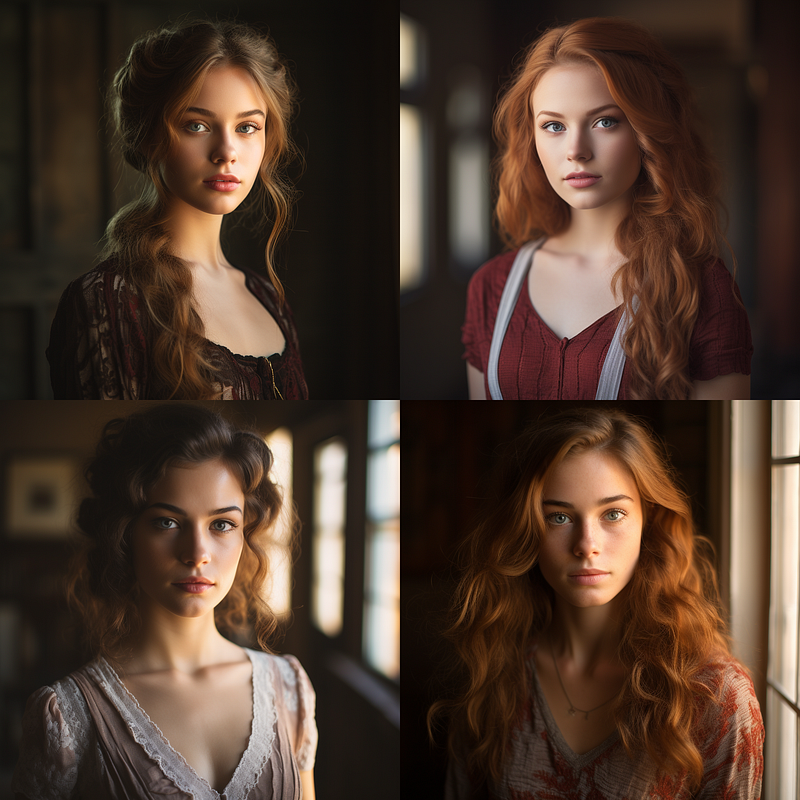
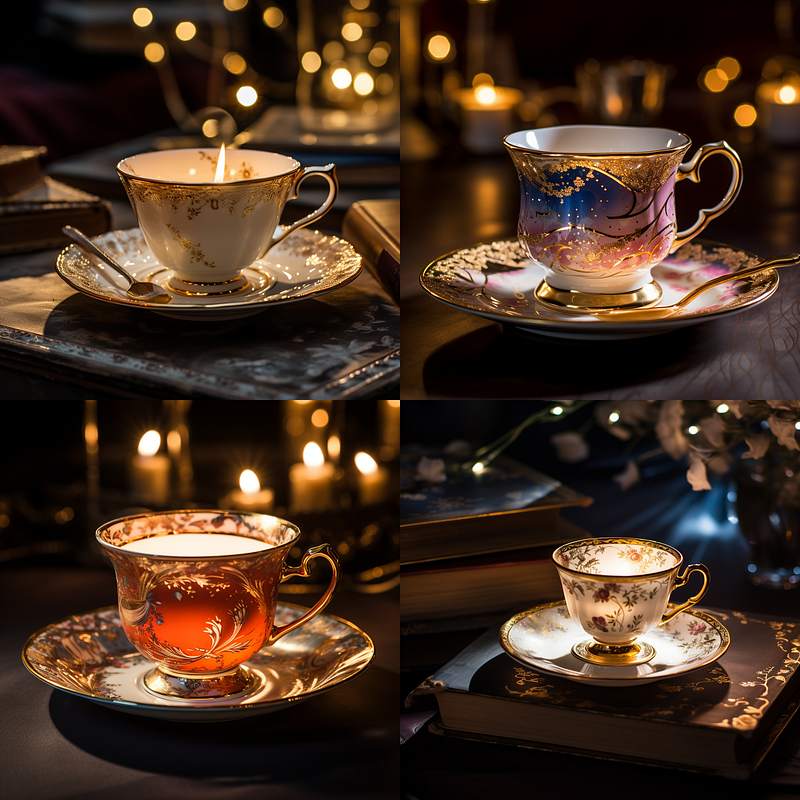
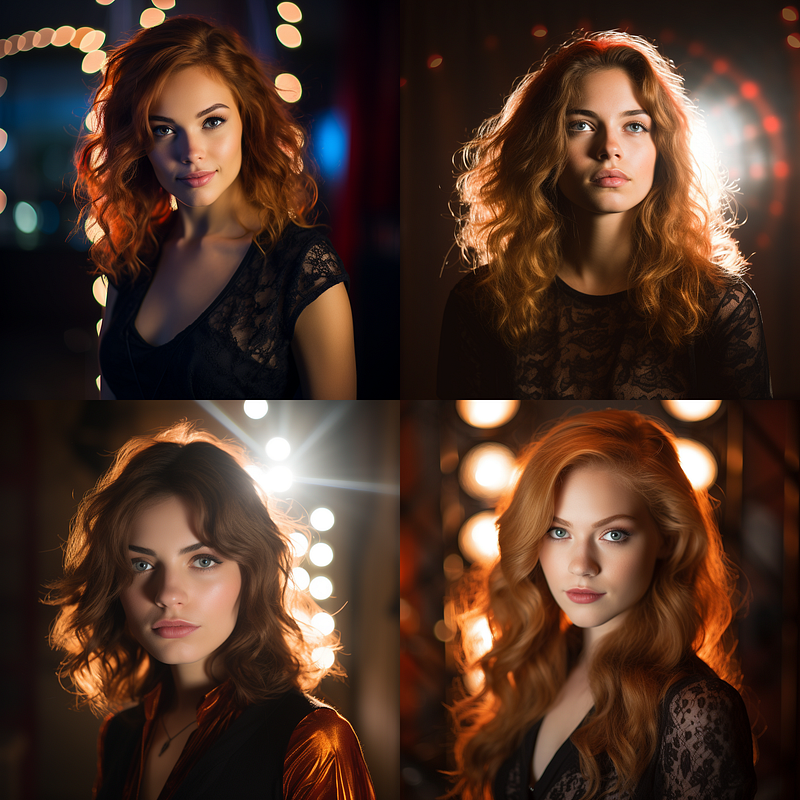
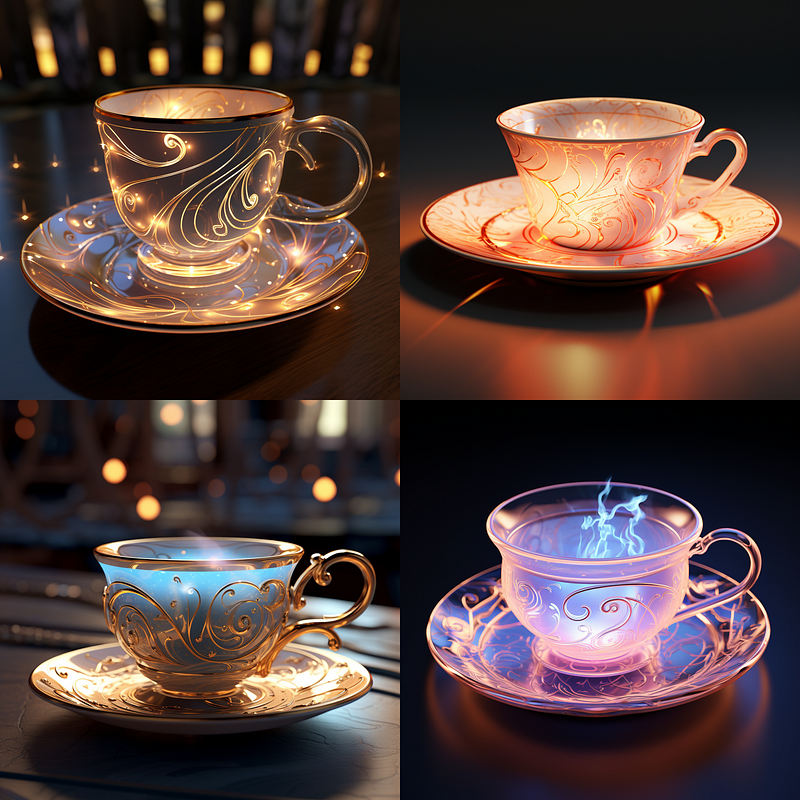
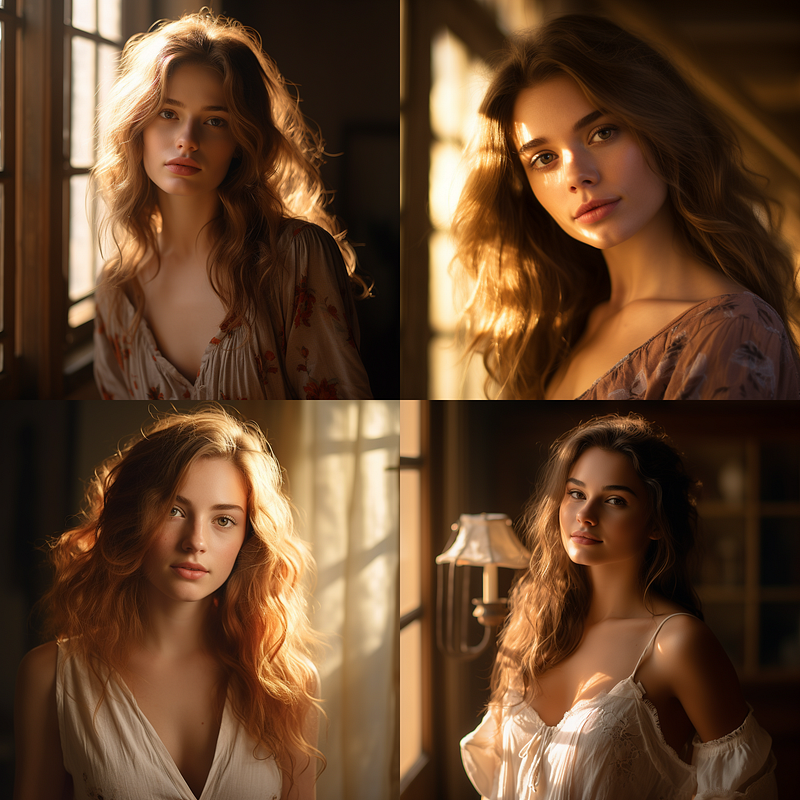
We’re getting straight to the point with real-world examples from Midjourney. Today, we’re working with a simple teacup and a portrait of a young woman. Using prompts like “a fancy teacup on a saucer” and “a beautiful young woman posing for a portrait,” I’ll show you how targeted lighting can turn your art from decent to dazzling. Keep reading — you won’t want to miss this.
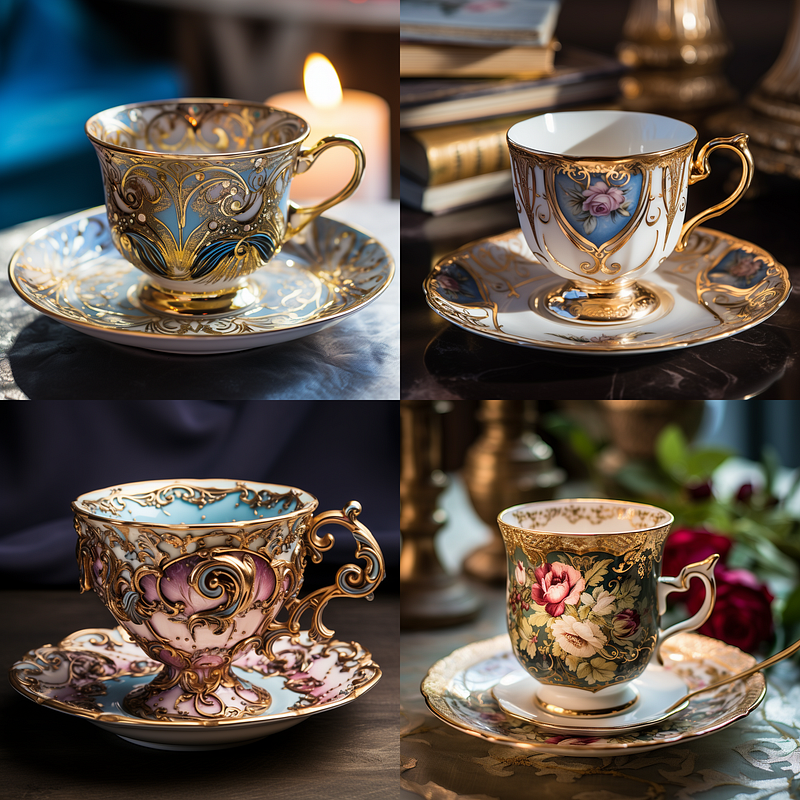
“a fancy teacup on a saucer” and “a beautiful young woman posing for a portrait” as our control images without any additional lighting information.

You don’t really need to fuss over lighting if you do not want to since Midjourney usually nails it fairly well. But hey, knowledge is a superpower, right? So, here’s a handy list of lighting terms to help you micromanage those gorgeous lumens in your images.

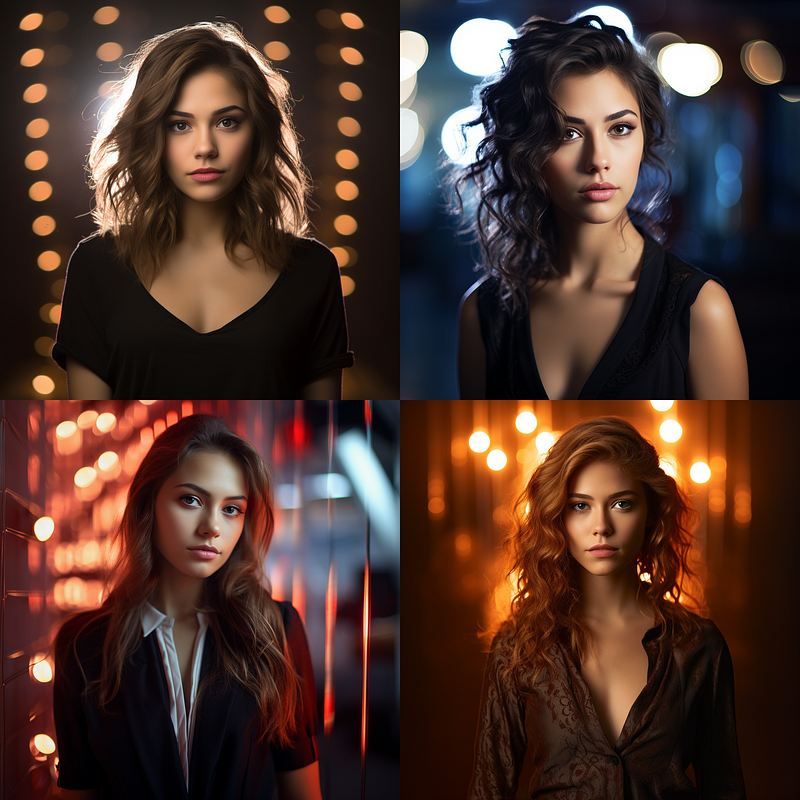
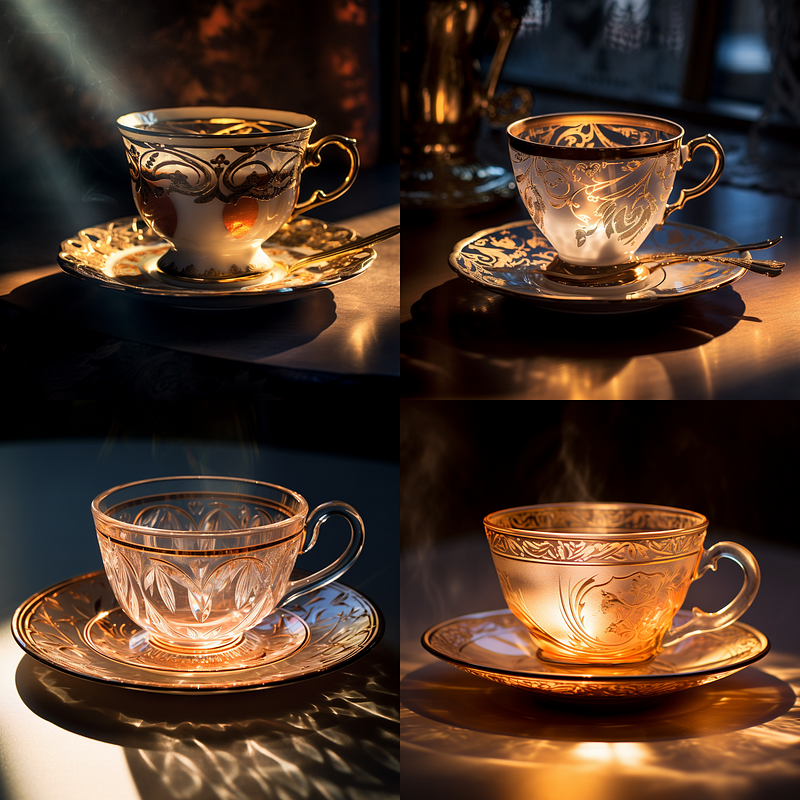
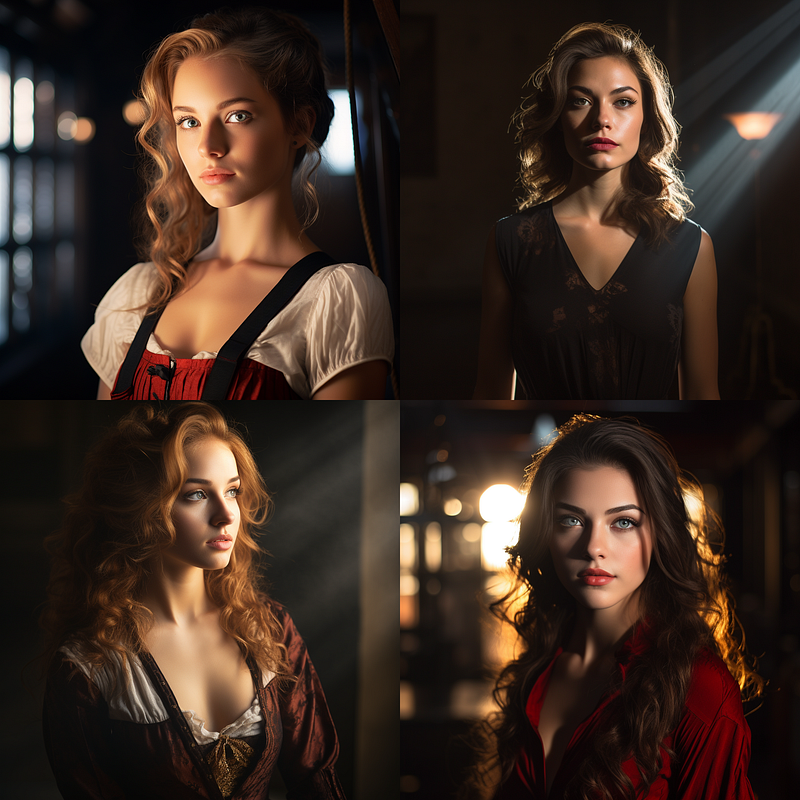
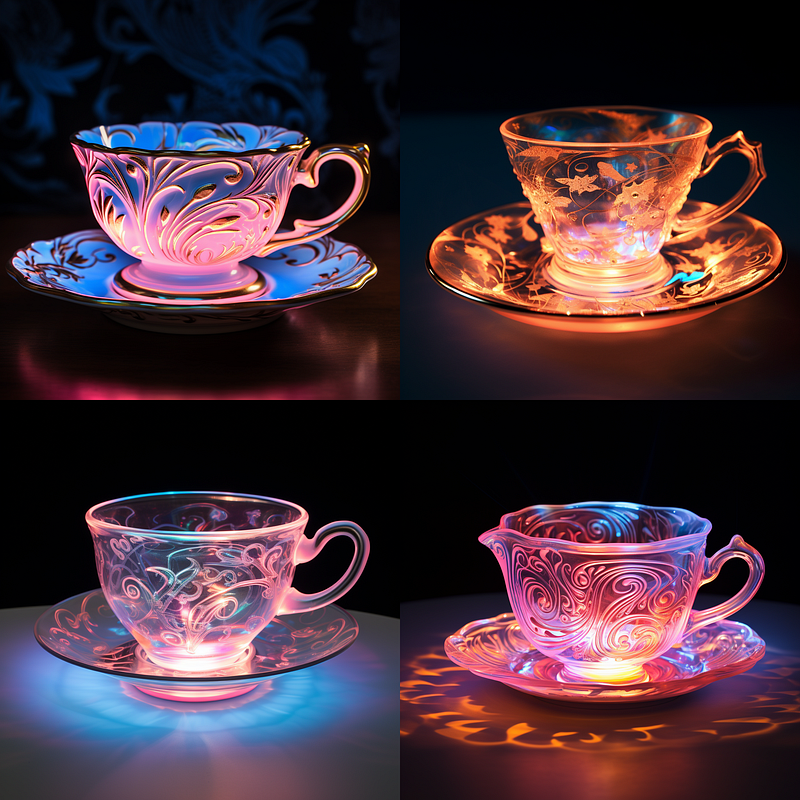
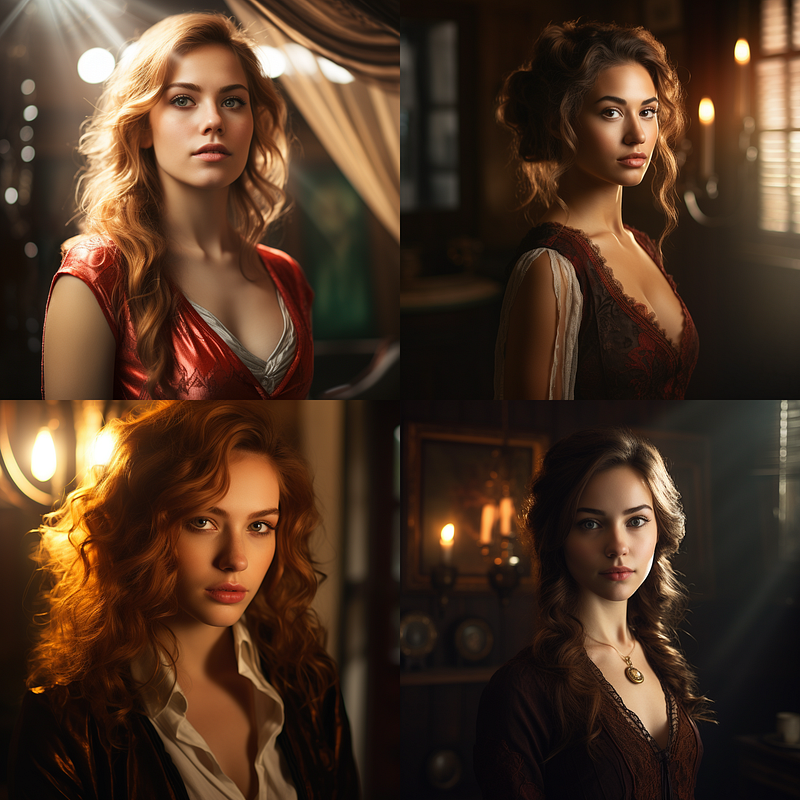
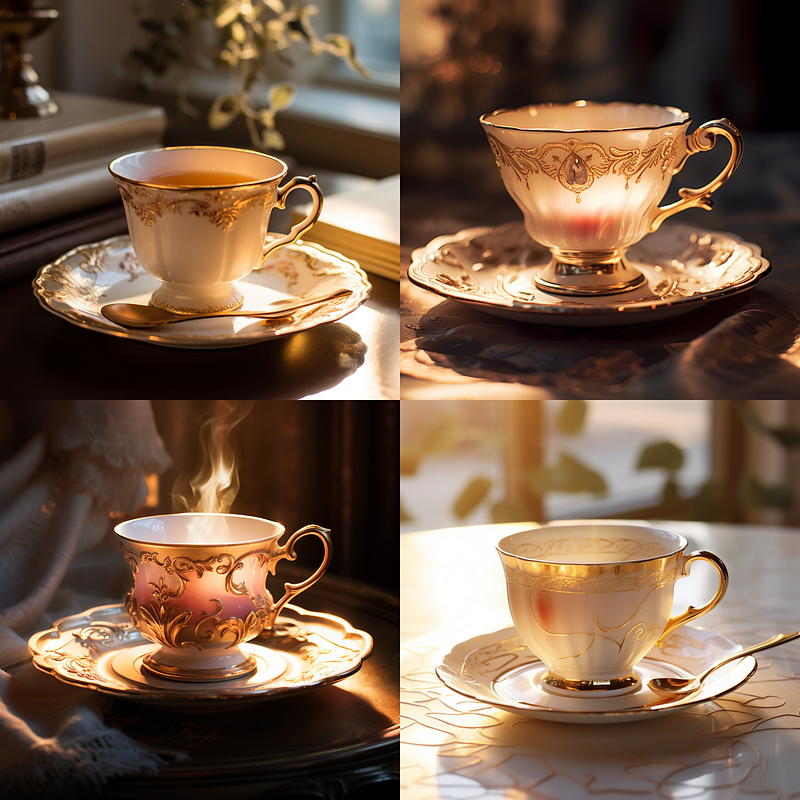
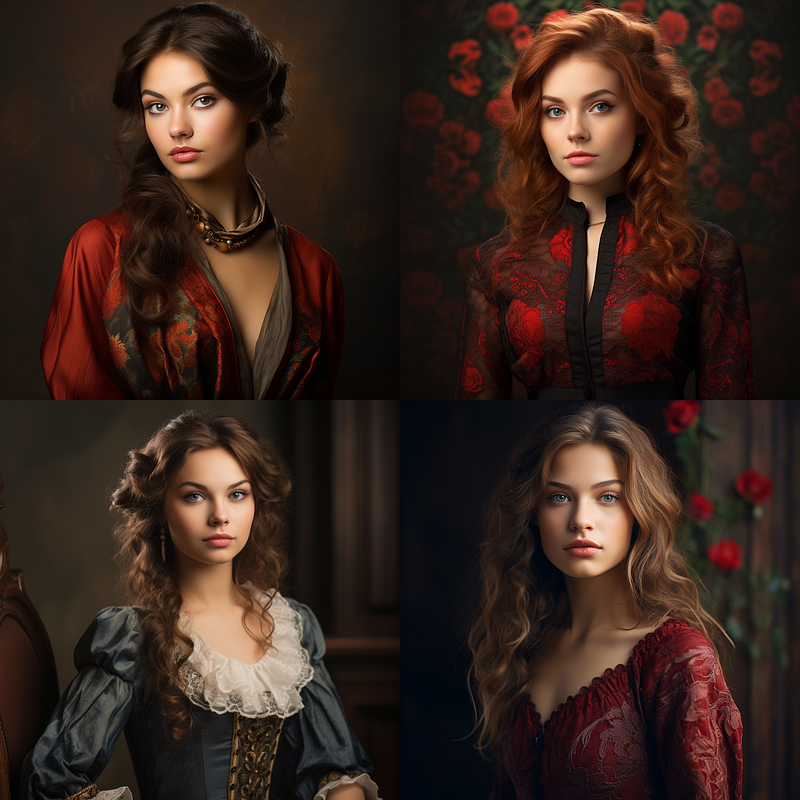
In the upcoming sets, I’ve tacked on a comma and the type of lighting to both prompts. This gives you a broader sense of how the lighting cues can shape your creation.

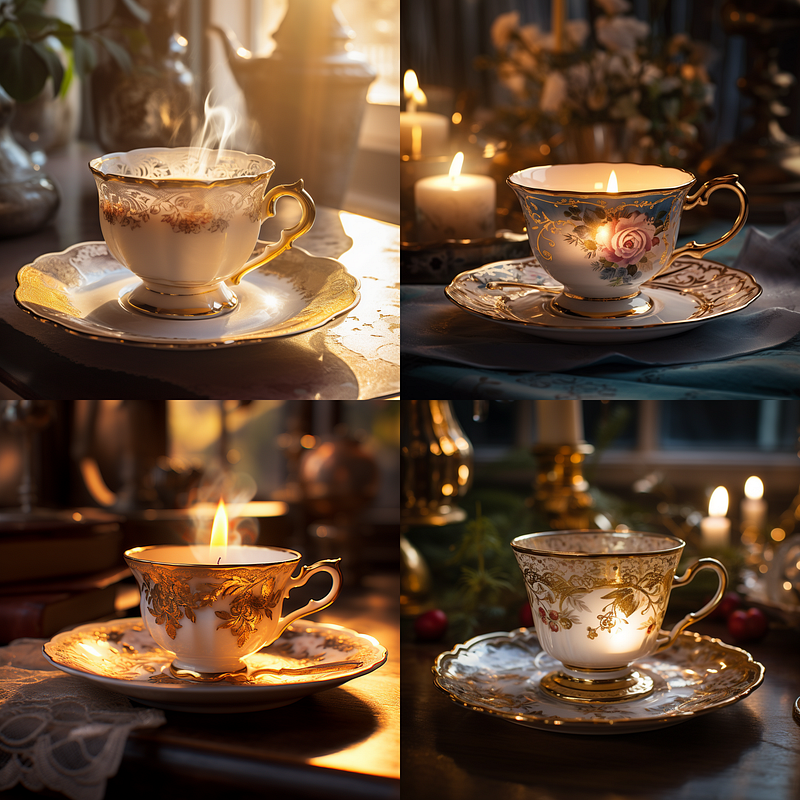
“A fancy teacup on a saucer, ambient-lighting”

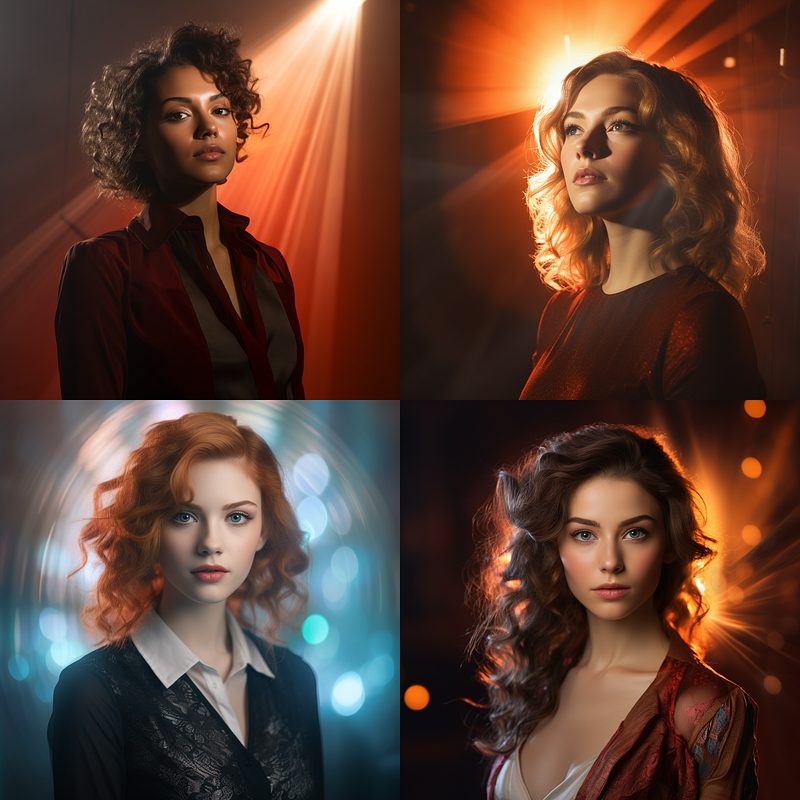
“A beautiful young woman posing for a portrait, ambient-lighting”
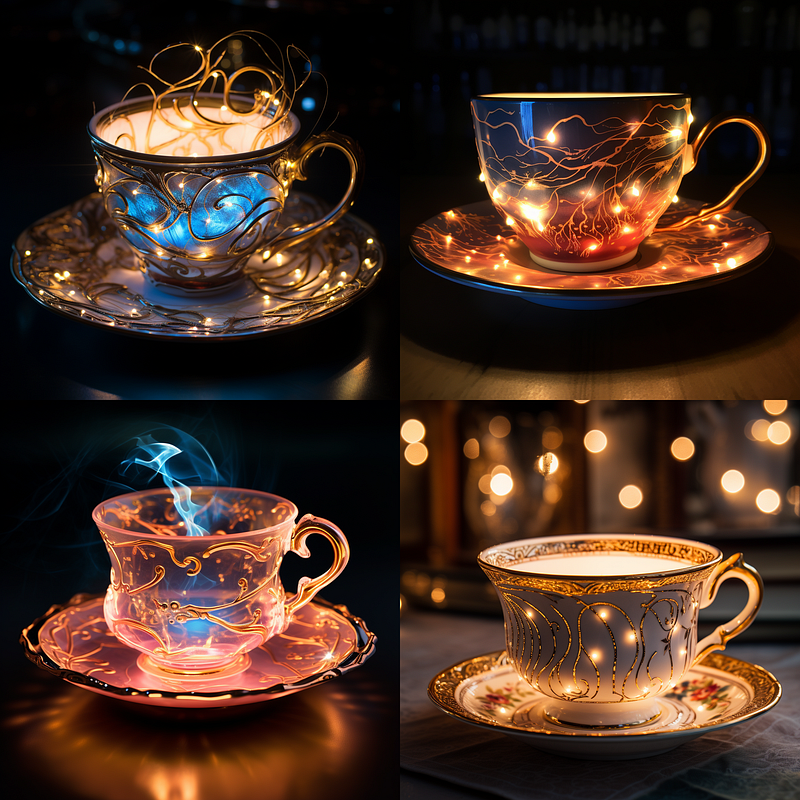
· Ambient Light: General light that fills an entire scene.
· Artificial Light: Light generated from human-made sources, like lamps or LEDs.
· Backlight: Light that comes from behind the subject, creating a silhouette.
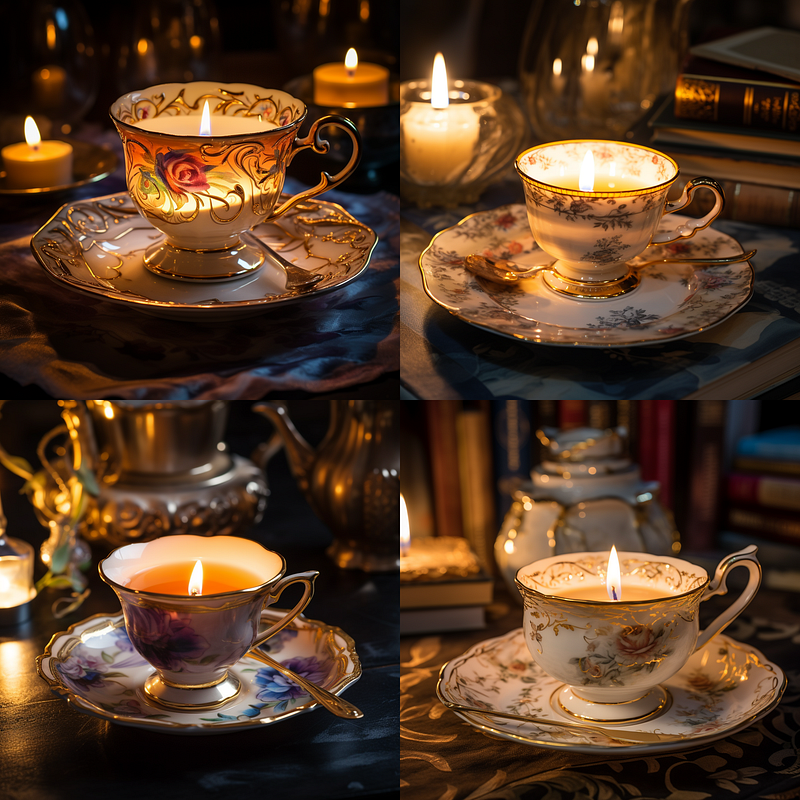
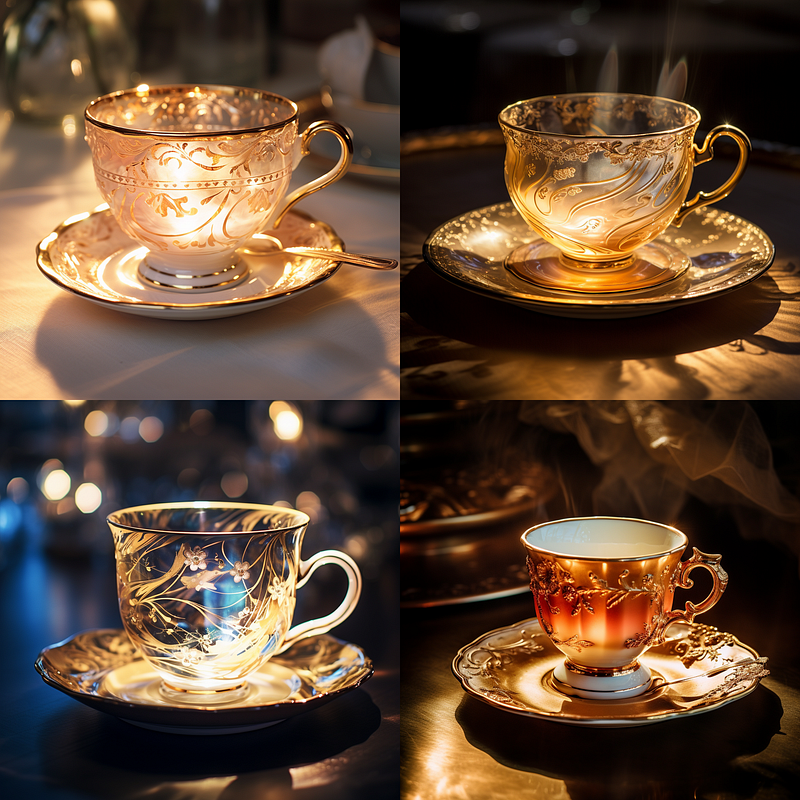
· Candlelight: Warm, flickering light akin to that from a candle.

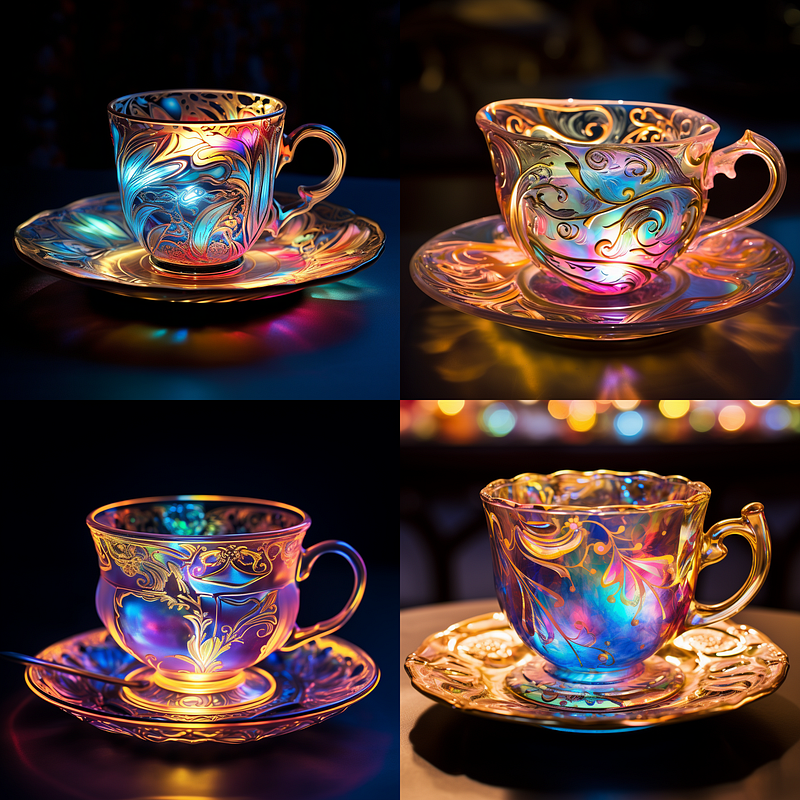
Hilariously, Midjourney insisted on adding candles to my teacup prompts. My best guess? The AI is conflating ‘teacup’ and ‘light,’ and deciding, “Ah, a tealight holder!” To avoid this, one could specify ‘no fire,’ but I opted to keep the accidental candle for its intriguing effect. It’s all part of the experimental fun. Sometimes the ‘errors’ yield the most amusing outcomes, so don’t hesitate to chase those unexpected ‘squirrels’ down their quirky paths!
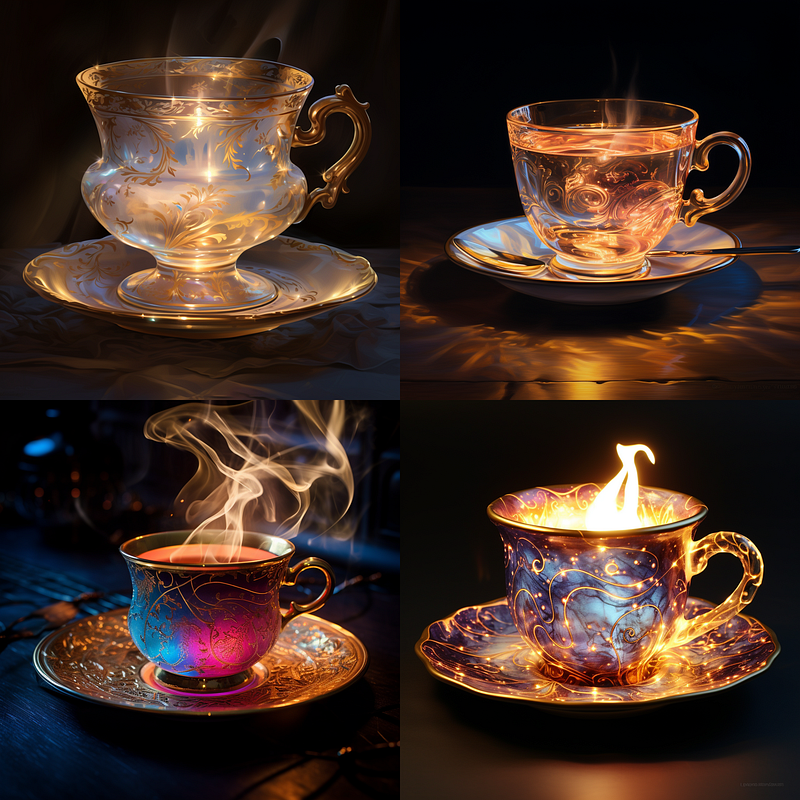
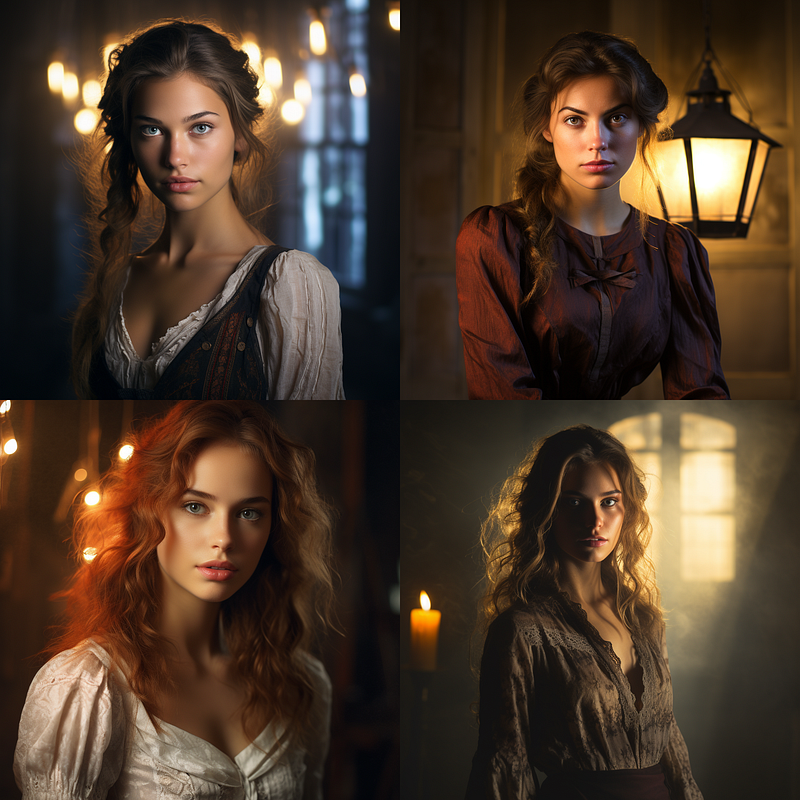
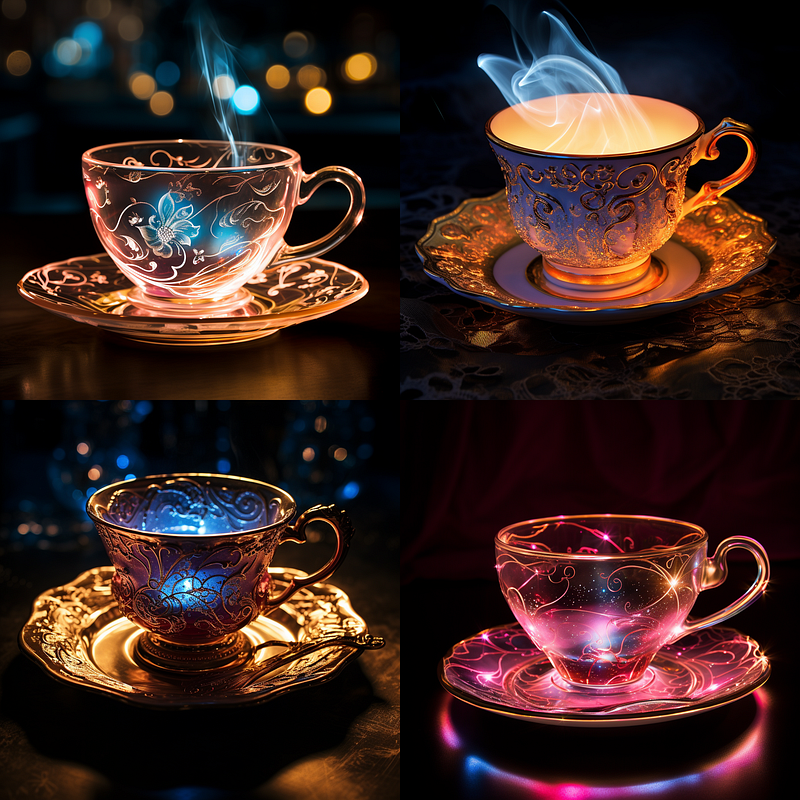
· Caustic Light: Light that is refracted or reflected off a curved surface, usually creating intricate patterns, such as light through water.

Caustic lighting can be a great way to fuzz out the background of the image giving it a bit of blur or fog.
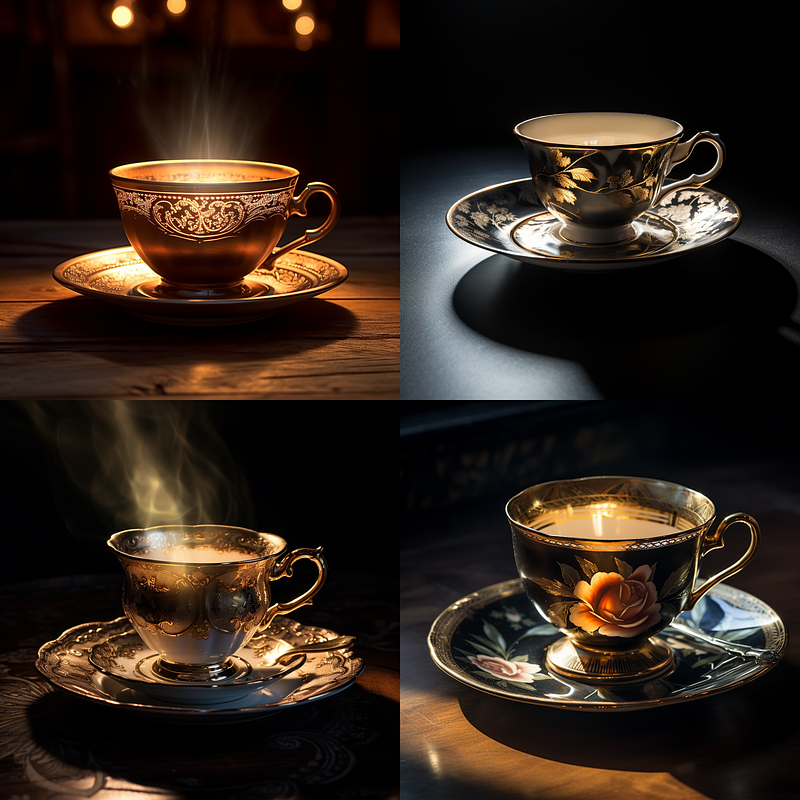
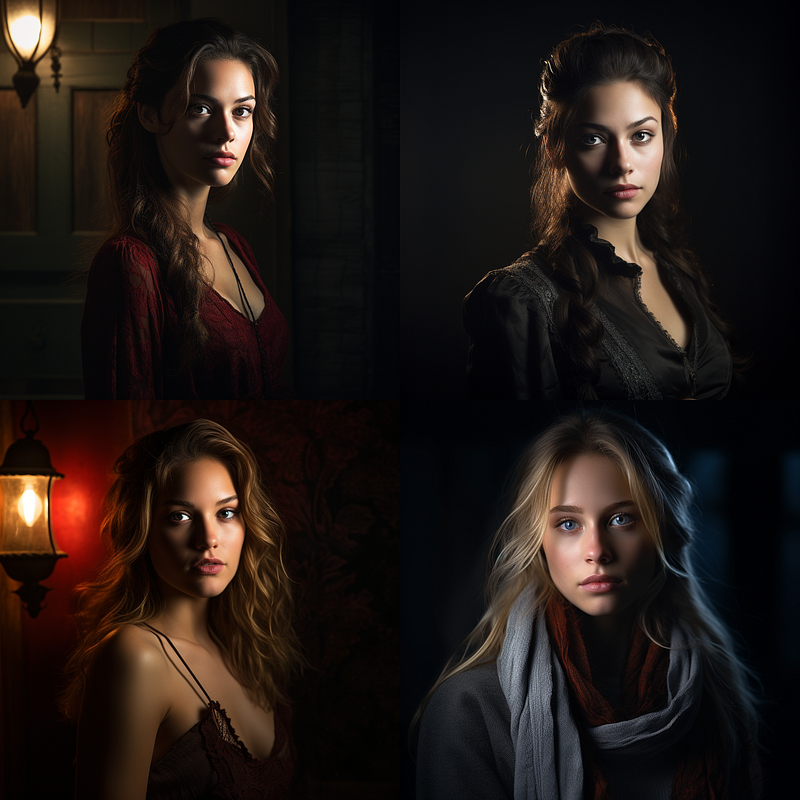
· Chiaroscuro Lighting: high-contrast interplay of light and shadow in visual art, often used to create depth and dimension.

Even if you struggle to spell it, ‘chiaroscuro’ is an exhilarating concept to play around with. Want a real-world example? Check out the chiaroscuro veil in my earlier piece, “Midjourney Explorations: #1 — It’s All in the Words!” There, you’ll find how this term isn’t limited to just lighting; you can apply it directly to objects for truly captivating effects.
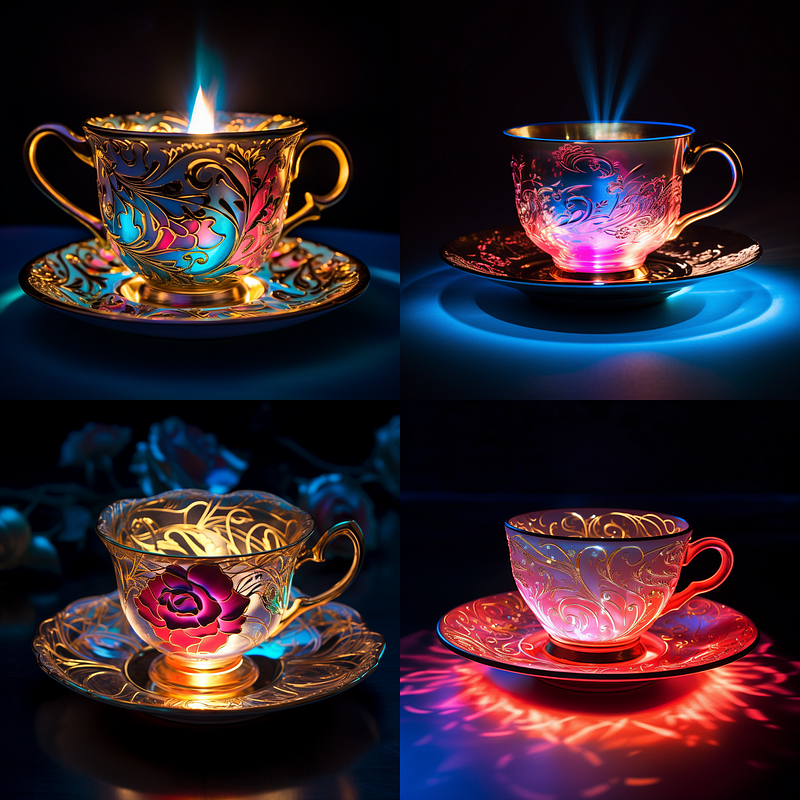
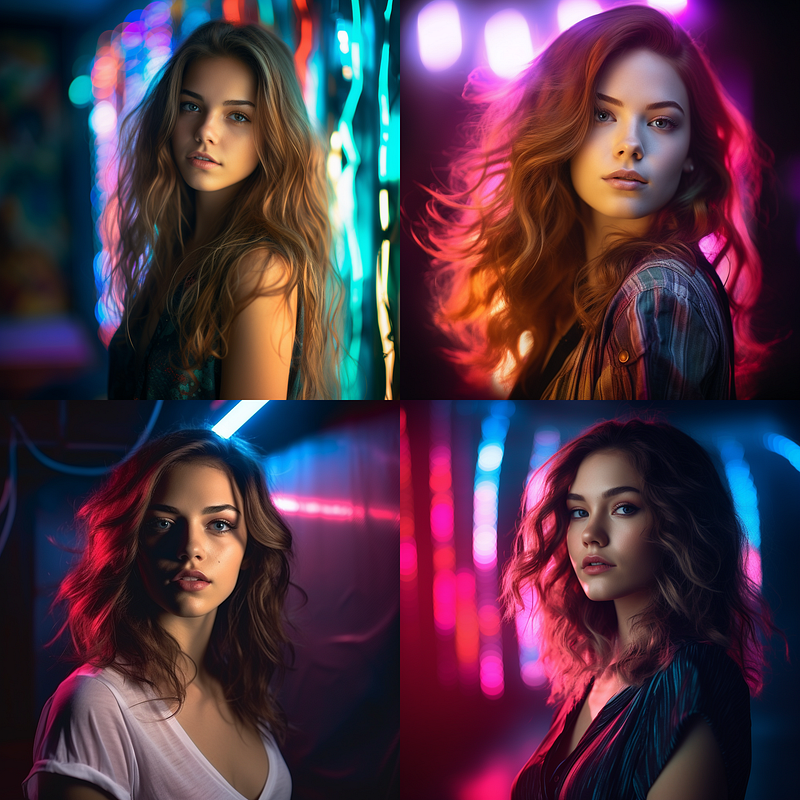
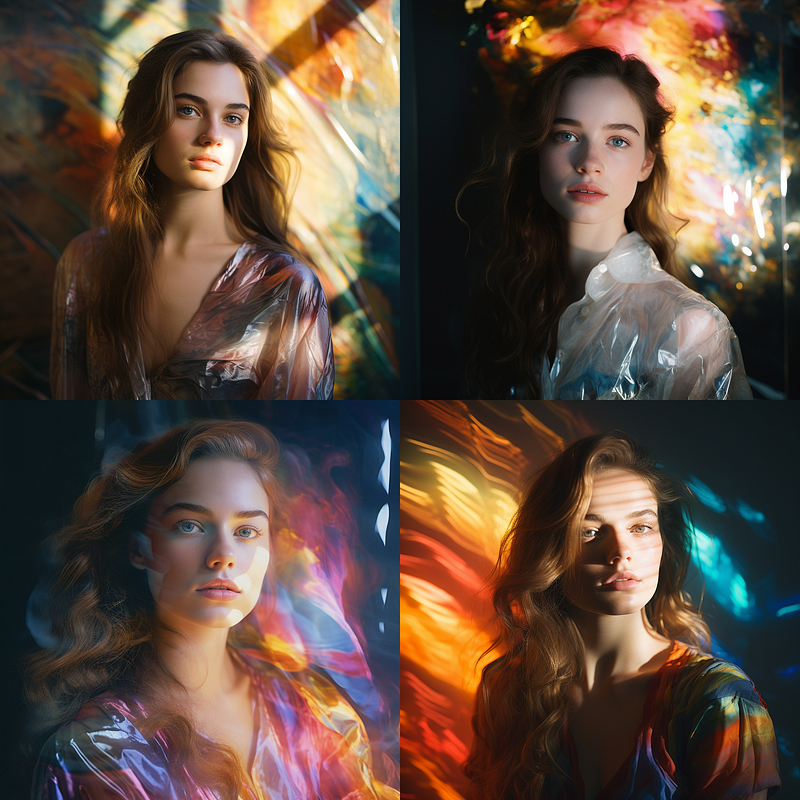
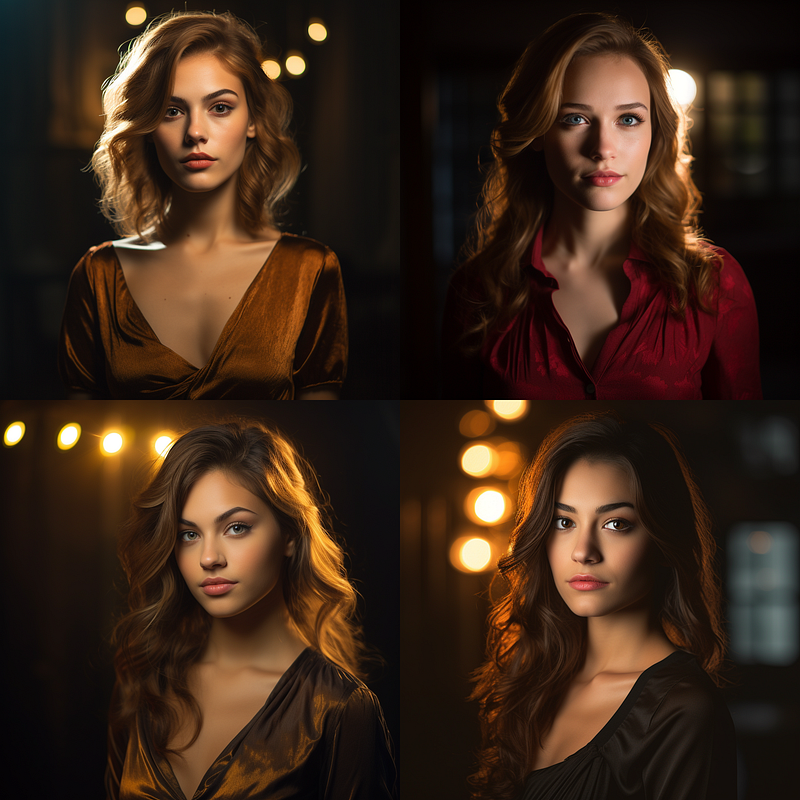
· Colored Light: Light with a specific hue, achieved through filters or LEDs.

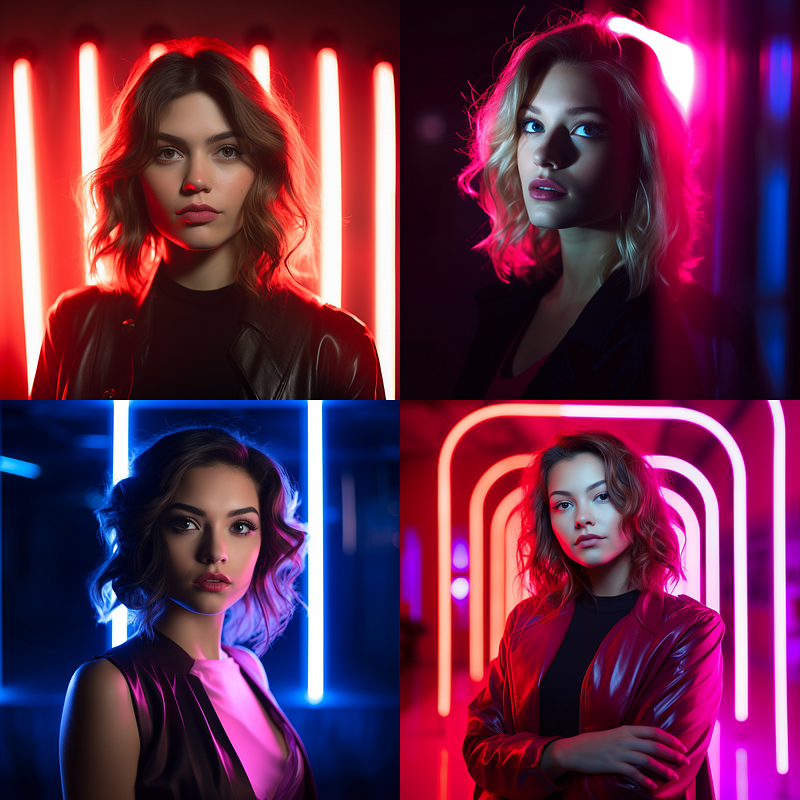
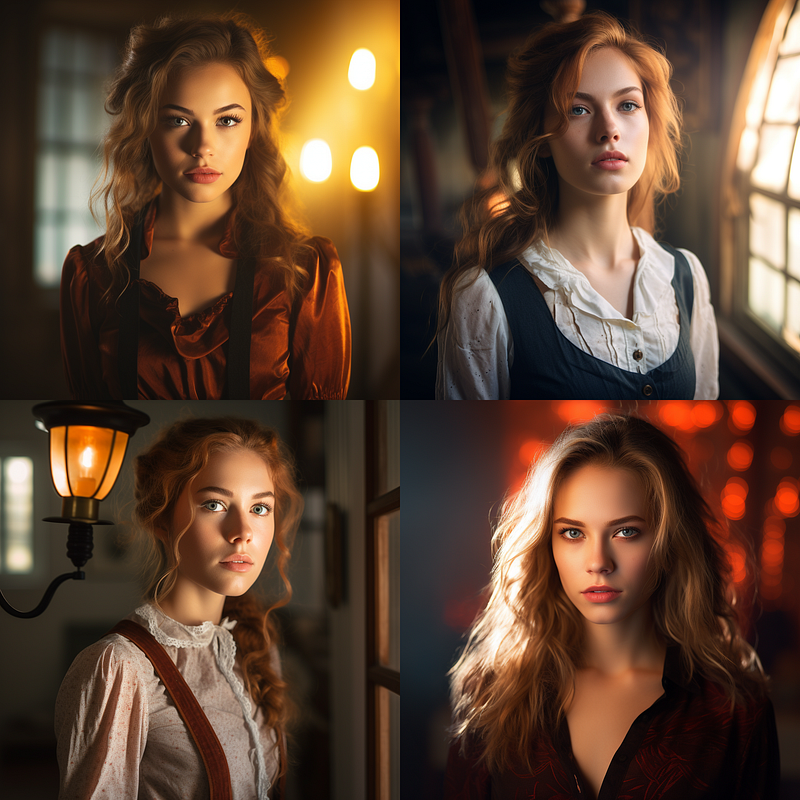
The woman pictured in the top-right corner? She’s basking in the glow of a colored backlight. And here’s a little secret: you’re not limited to just one lighting type. Feel free to mix them up to create a visual spectacle that’s uniquely yours. To make sure you get a similar effect try backlit by colored lights.
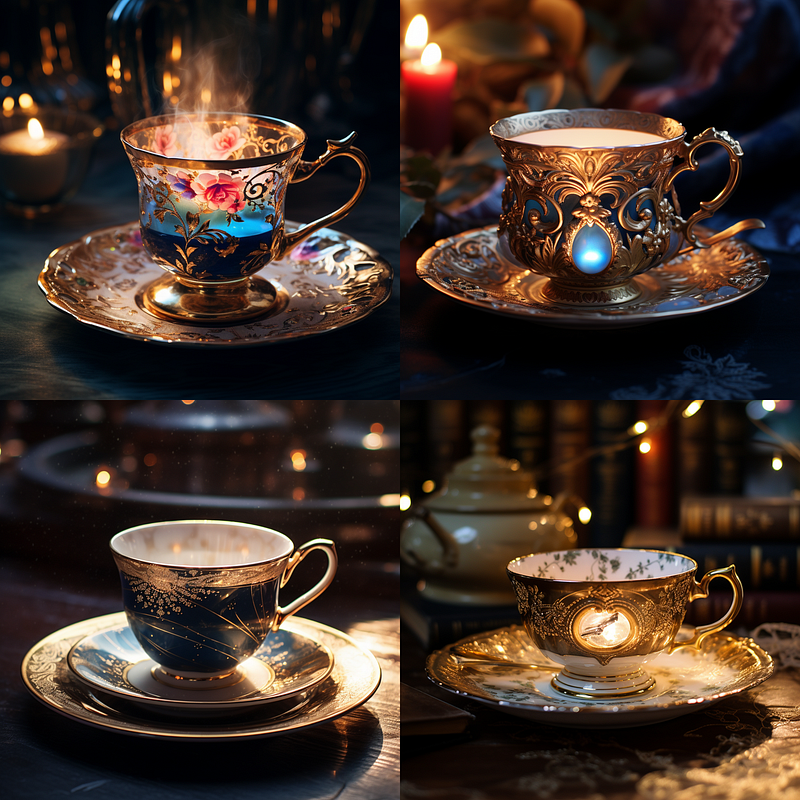
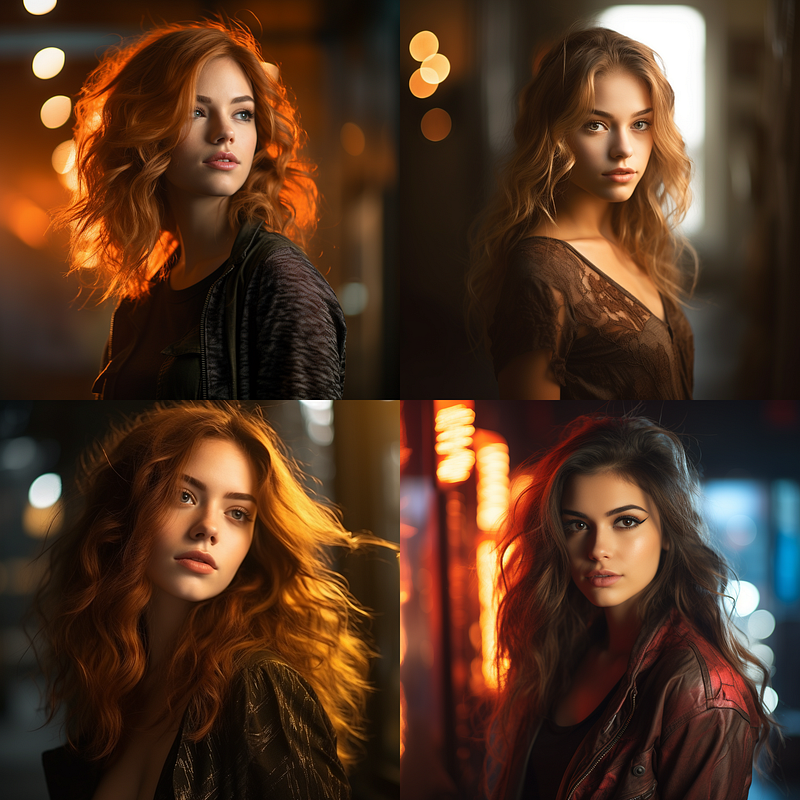
· Cool Light: Light with a bluish color temperature, creating a calm or clinical atmosphere.
· Diffused Light: Light that is scattered over a large area, usually through some form of medium like frosted glass.
· Directional Light: Light coming from a specific direction, often to simulate sunlight.

It is possible to pair directional light with other items and lighting for interesting effects, I paired it with window blinds later down in the article to show it off.
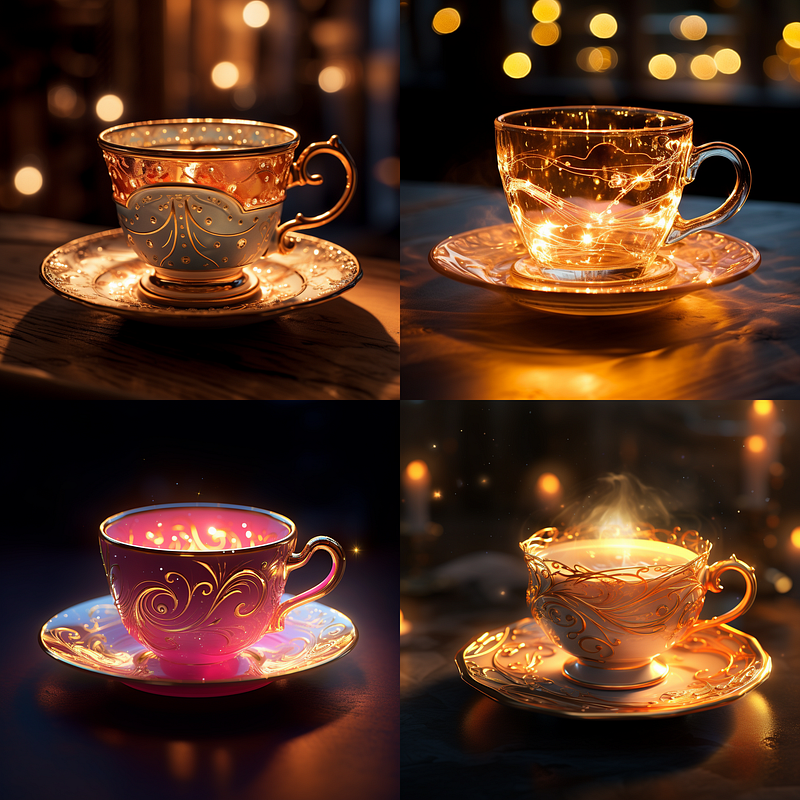
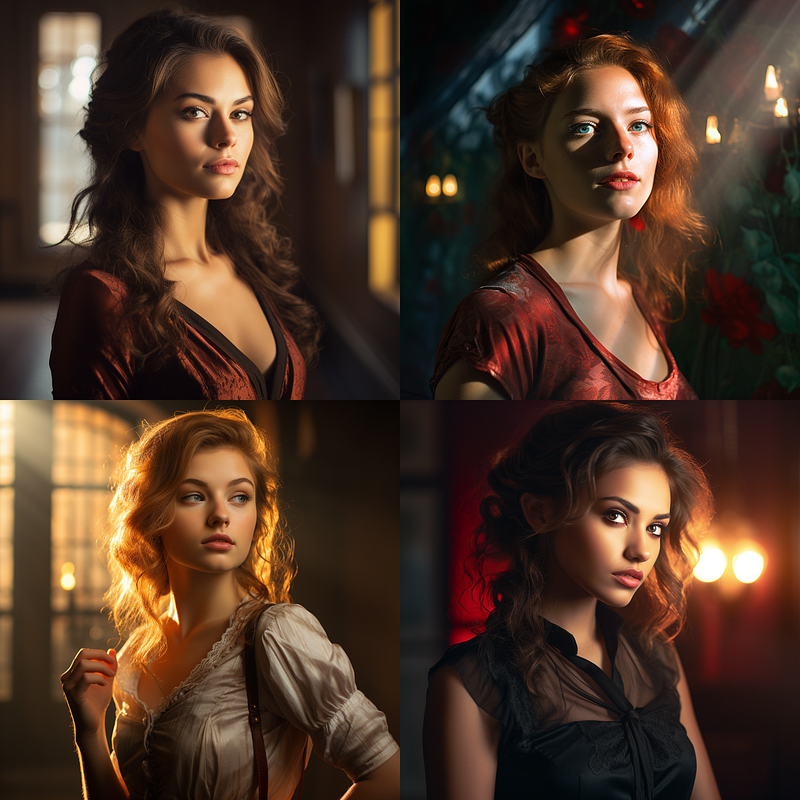
· Emissive Light: Light that comes from objects that generate their own light, like neon signs.
· Fluorescent Light: Bright and often cooler light emitted by fluorescent bulbs.
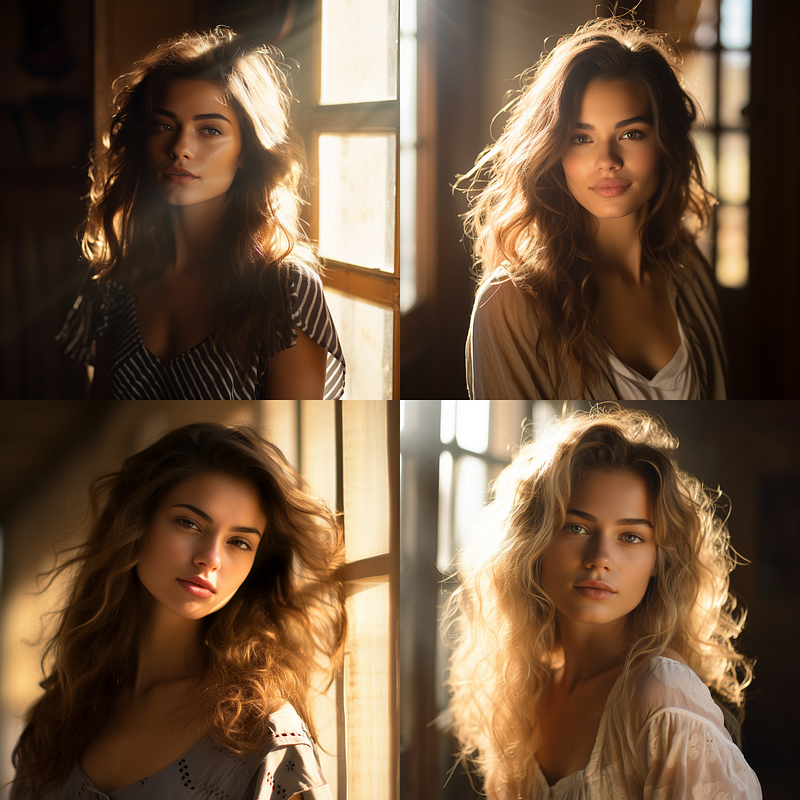
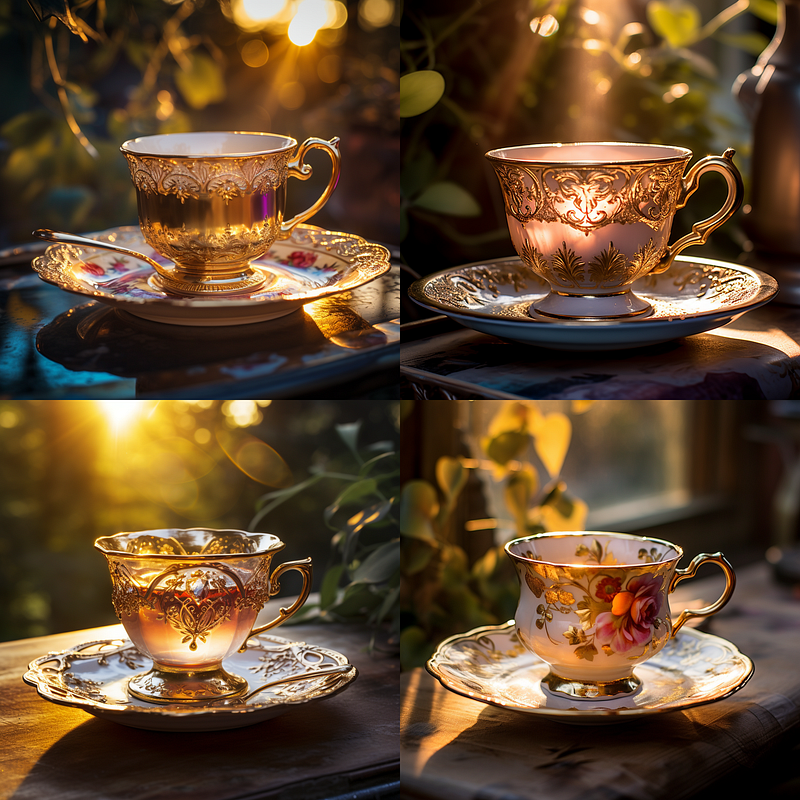
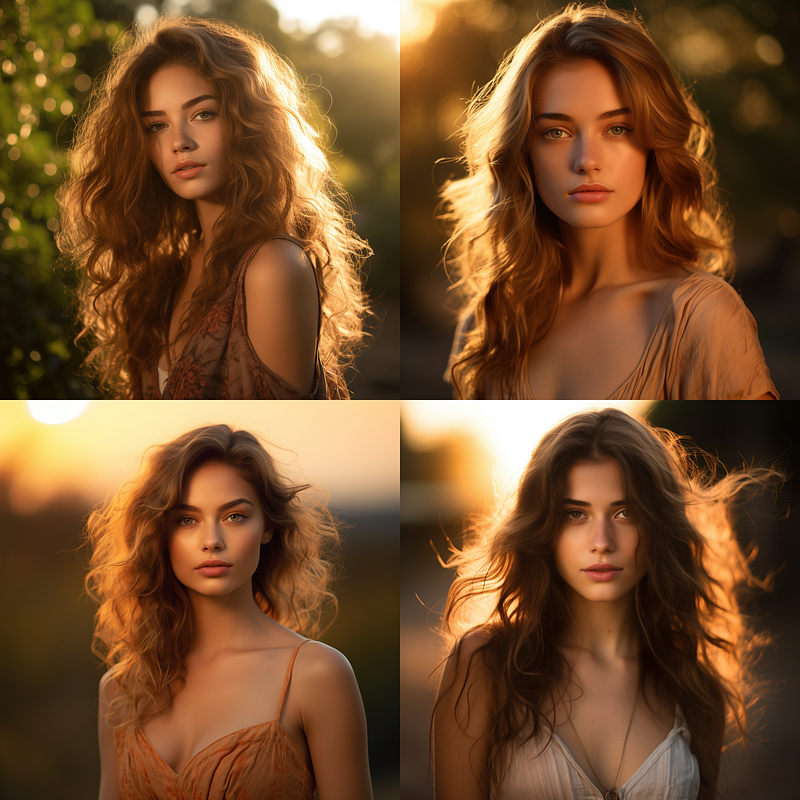
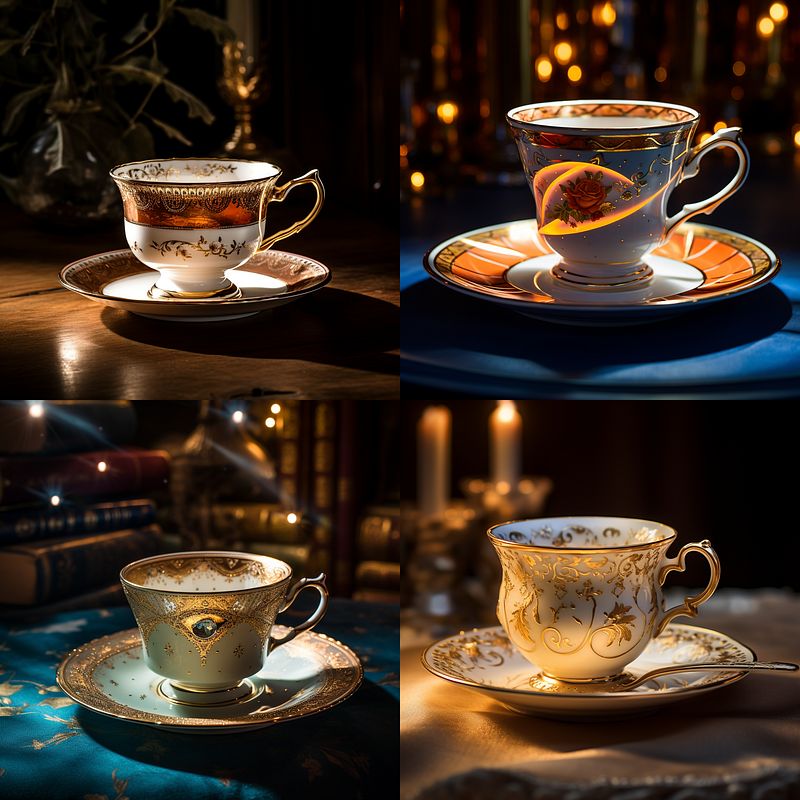
· Golden Hour: that brief window just after sunrise or before sunset, where the sun’s rays are softer and tinged with a warm, reddish hue.

The Golden Hour is a personal favorite when it comes to lighting styles. It just has this magical ability to infuse warmth into your subject, making the image feel almost tactile. A pro tip: to keep the essence of the Golden Hour intact in my prompts, I specifically use the term ‘golden-hour-lighting.’
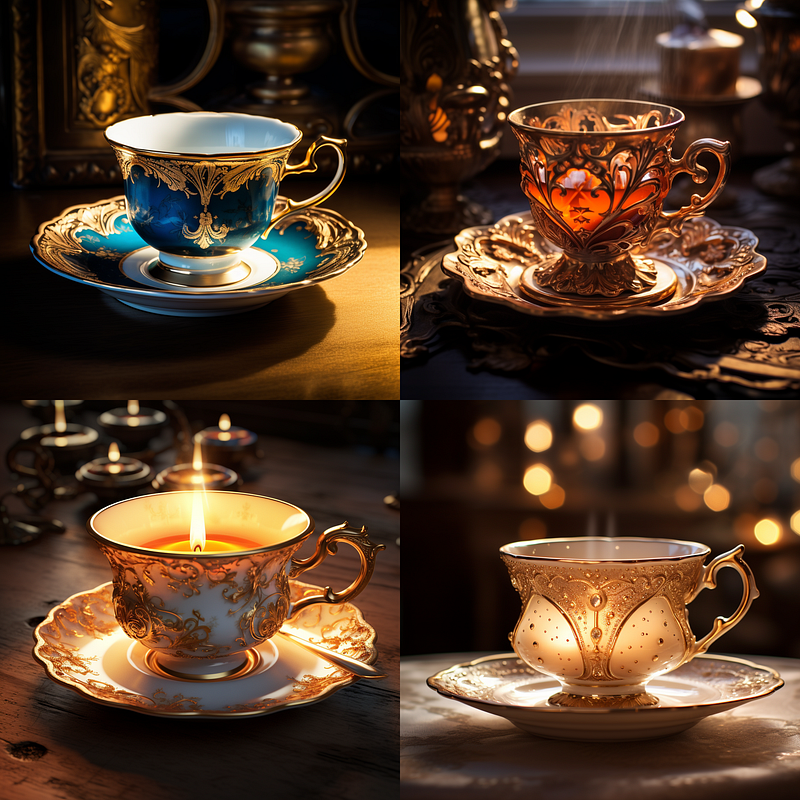
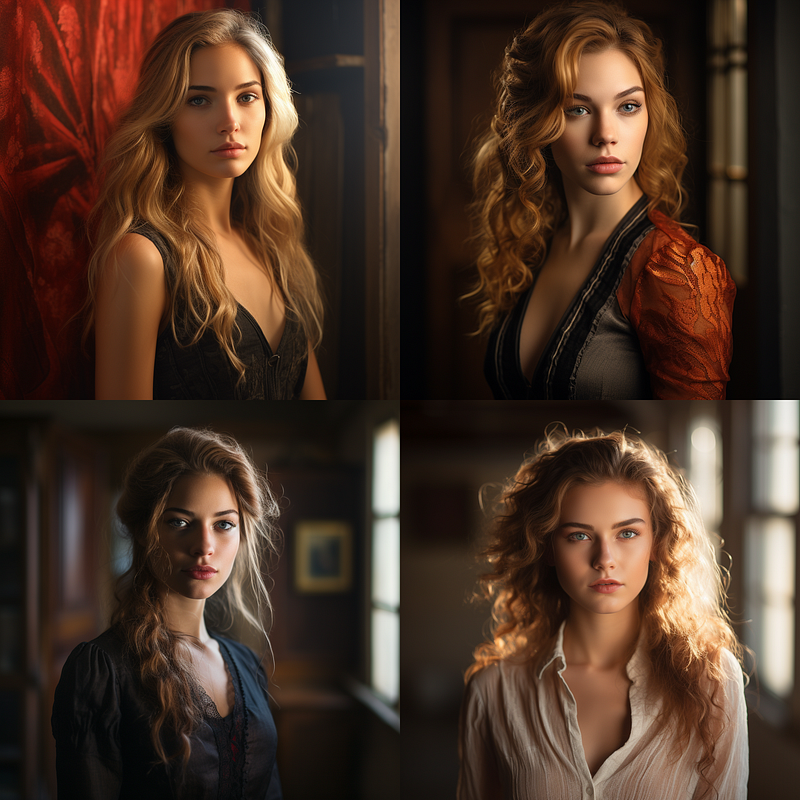
· Hard Light: Light that creates strong, distinct shadows.
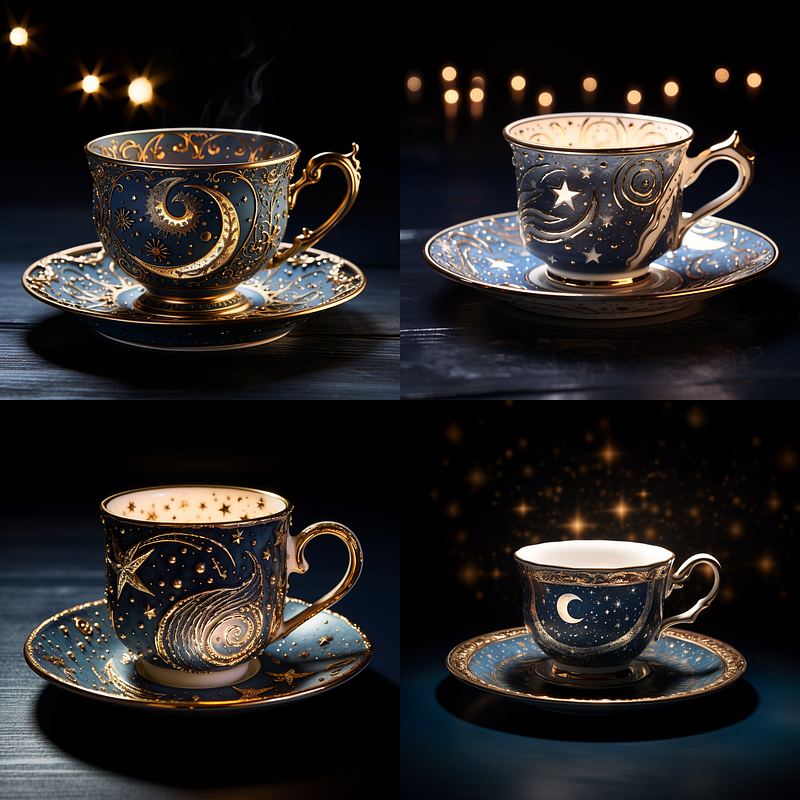
· Moonlight: Soft, cool light that simulates the natural light from the moon.

Moonlight, much like the Golden Hour, is another lighting technique that’s close to my heart. It harmonizes perfectly with other soft lighting elements, like candles, allowing you to keep every inch of your scene as illuminated as you’d like.
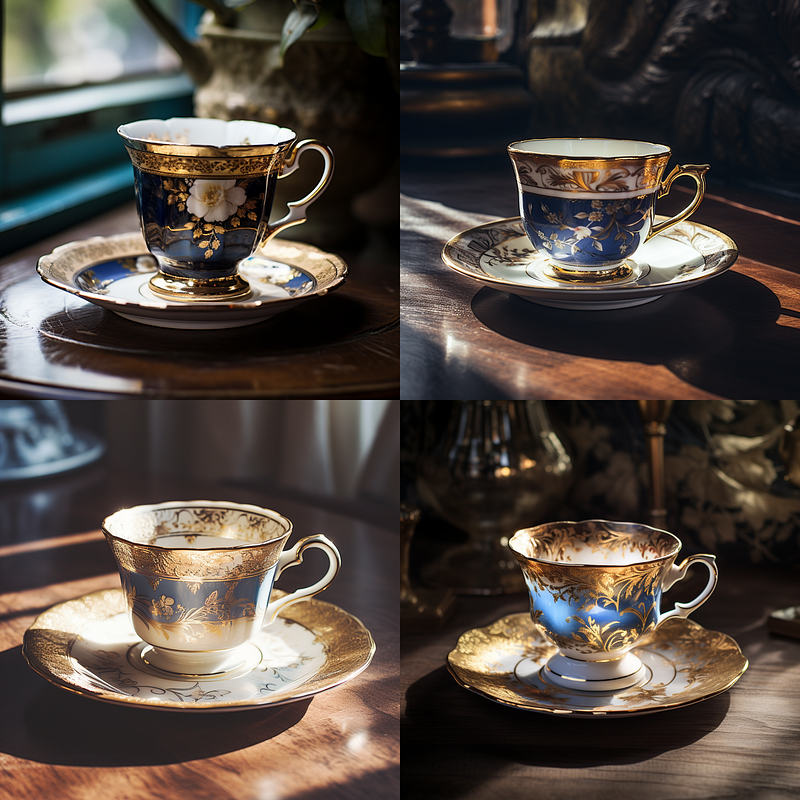
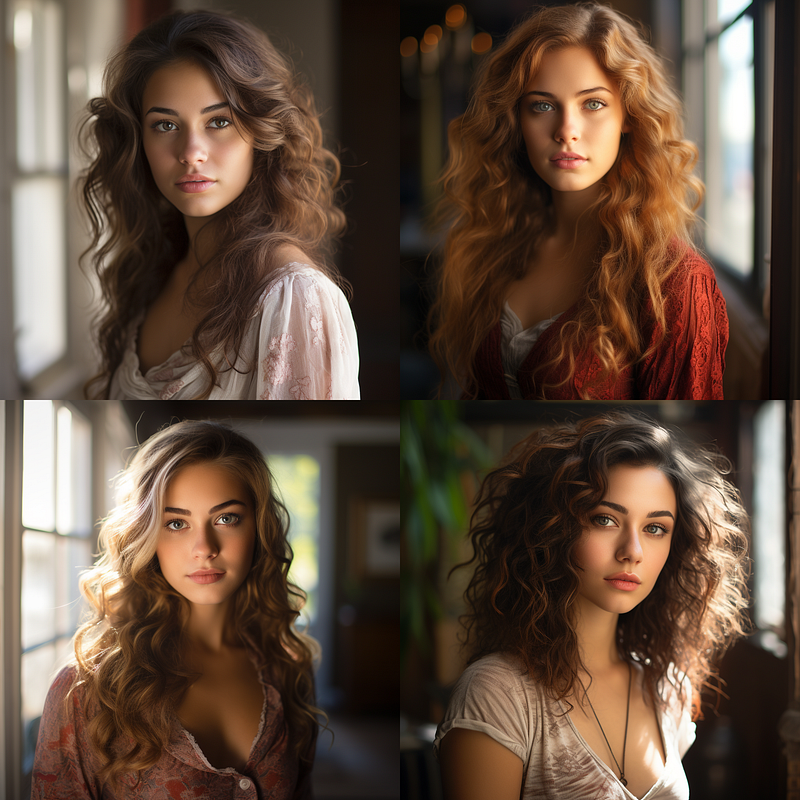
· Natural Light: Light that replicates daylight or sunlight conditions.
· Point Light: Light emanating from a single point in all directions, like a light bulb.
· Polarized Light: Light waves that vibrate in parallel planes.
· Reflected Light: Light bouncing off surfaces, often creating indirect lighting effects.
· Rim Light: Light that outlines the edges of the subject, often for dramatic effect.
· Sidelight: Light coming from one side, often used to reveal texture.
· Soft Light: Light that is diffused and scattered, creating minimal shadows.
· Spotlight: A strong light source that illuminates only a specific area, creating focus.
· Strobe Light: Flashing light that creates a series of still frames, often used for dynamic effects.
· Volumetric Light: Light that creates visible beams in the presence of fog, dust, or smoke, often used for atmospheric effects.
· Warm Light: Light with a yellowish color temperature, creating a warm atmosphere.

Yes, in many cases you can auto-pilot the lighting in Midjourney but mastery over lighting is akin to an artist finding their unique brushstroke or a musician uncovering their distinct sound; it can transform a piece from merely “a good image” to “OMG!!!”

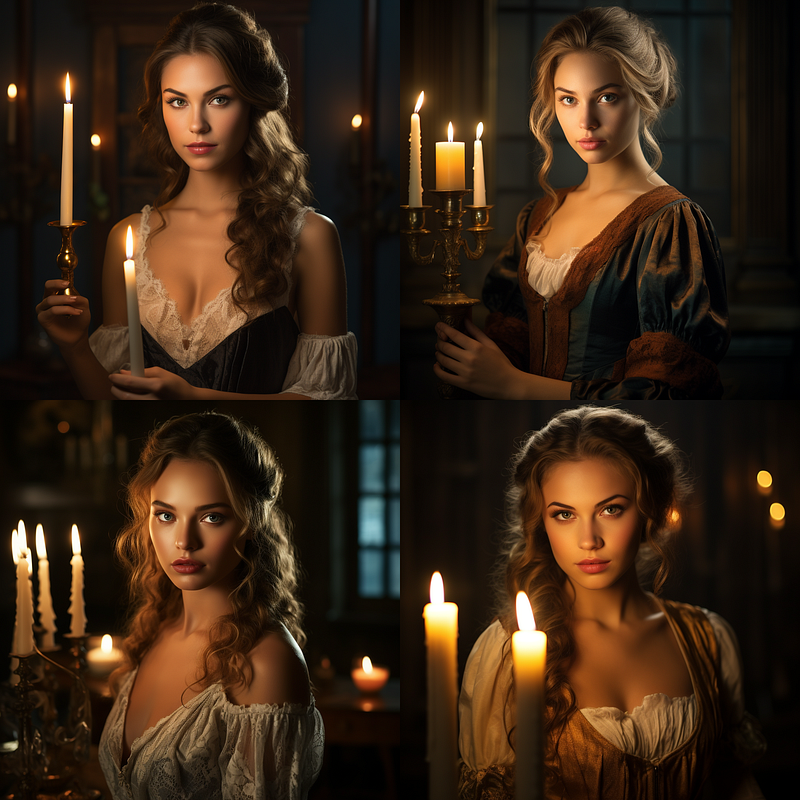
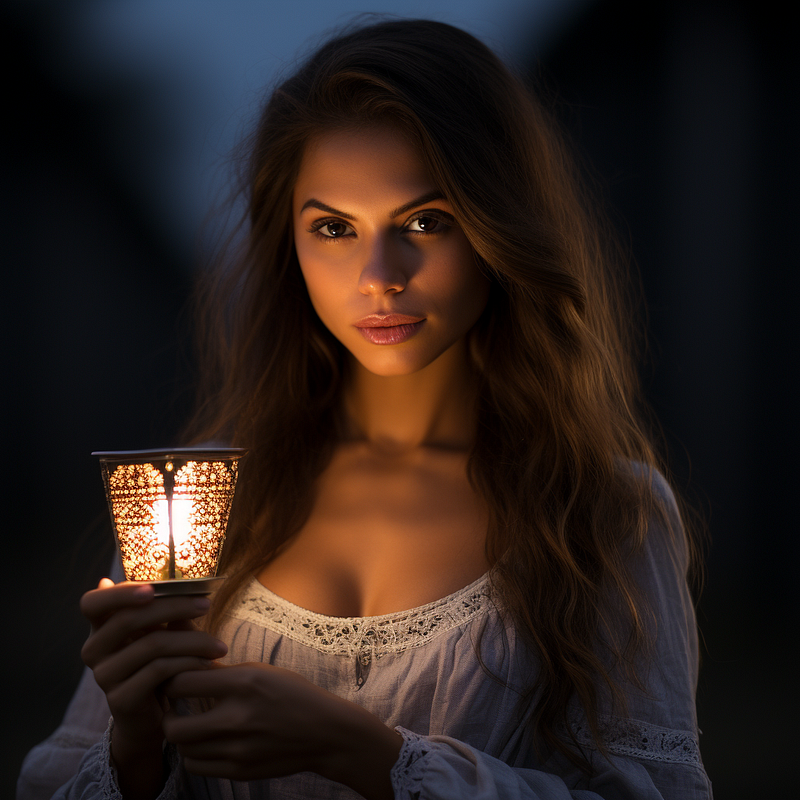
Consider our example of a portrait featuring a young woman. With basic lighting, you’ll certainly end up with a respectable portrait. However, by carefully selecting our lighting — using backlighting to outline her silhouette and give her an ethereal glow, coupled with the gentle flicker of candlelight to softly illuminate her face — we achieve something more. The result? An image that does more than merely attract your gaze; it commands your full attention.
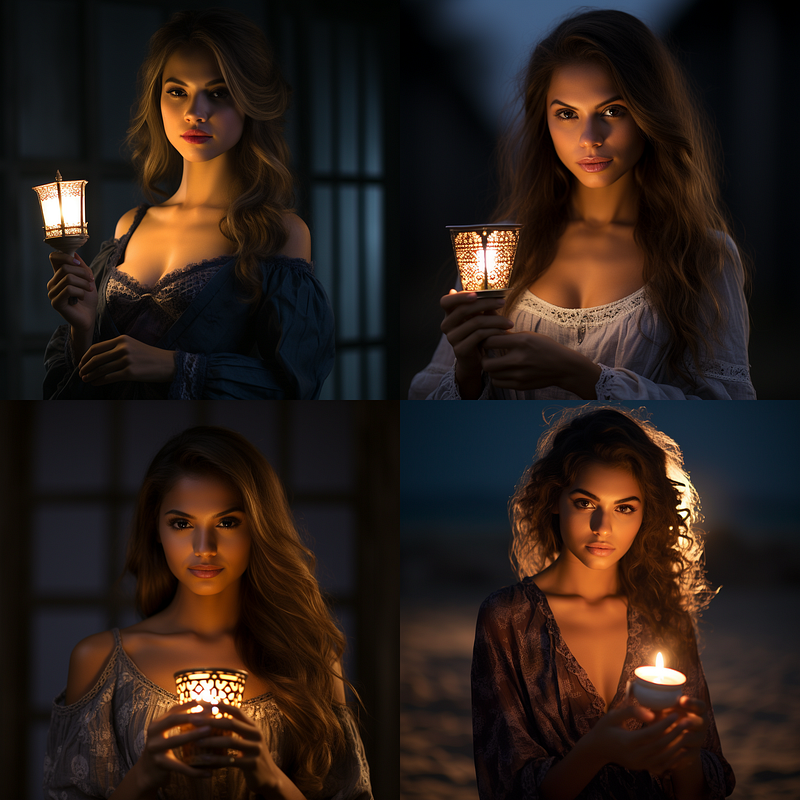
“a beautiful young woman posing for a portrait, backlit by moonlight, illuminated by the candle in her hand”

You’re not merely toggling lights here; you’re directing a visual symphony of shades and tones. That backlight makes you wonder if she’s the sort of person who knows secrets about the universe, and the soft light gives her a healthy glow and adds soft enticing shadows to her neck and face.

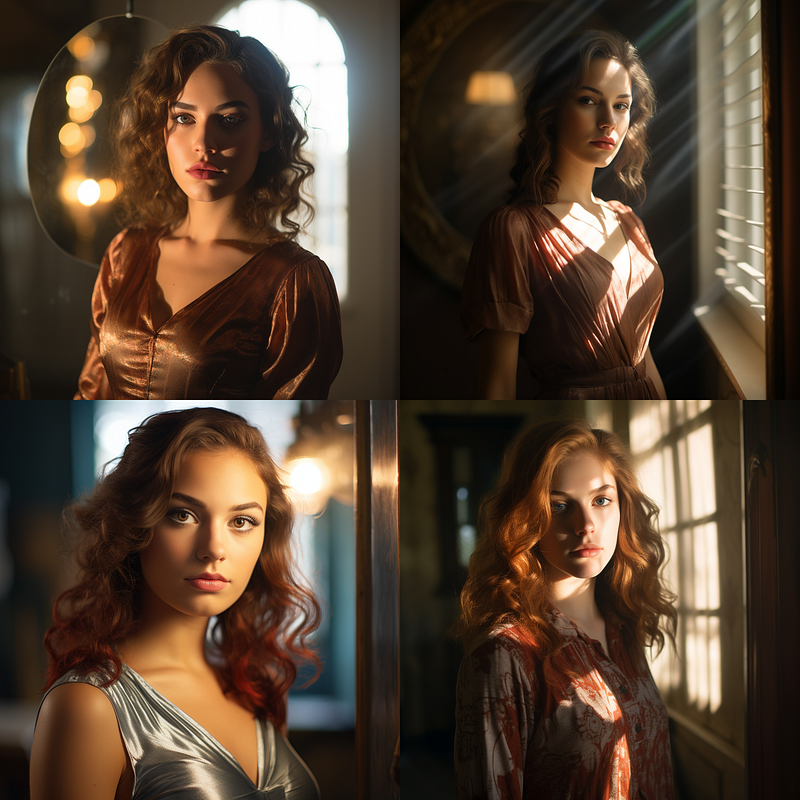
For even more fun, try adding something to your lighting, such as “directional-light-through-window-shades” to cast some shadows.
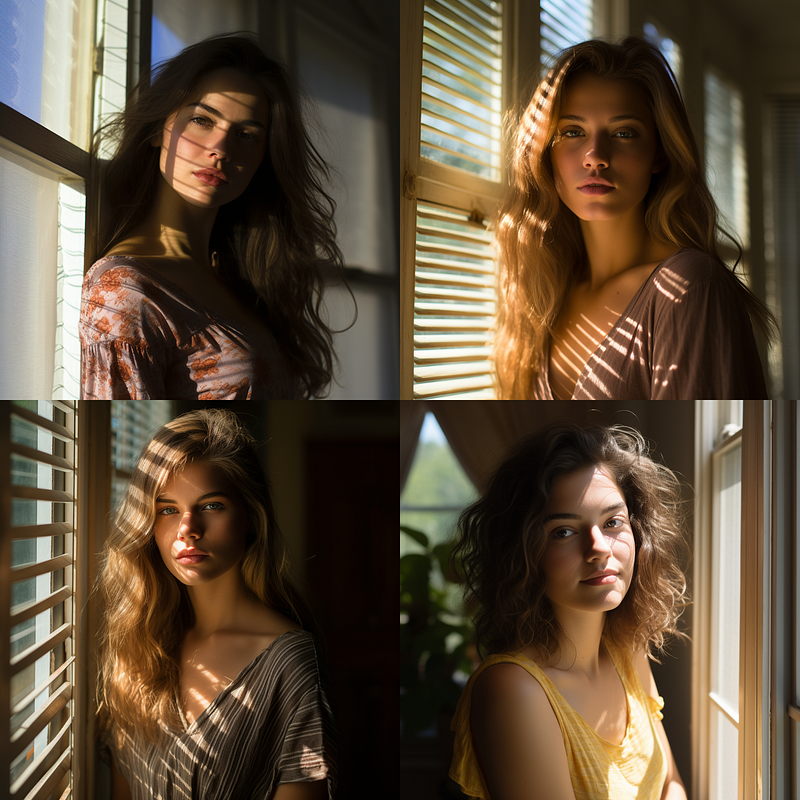
“A beautiful young woman posing for a portrait, directional-light-through-window-shades”

Sure, starting with ‘good’ is perfectly fine. But with a nuanced understanding of lighting, you can transform that ‘good’ image into something genuinely compelling. It’s not just about illuminating your scene; it’s about imbuing it with a distinct mood and tone. Consider it the seasoning in your creative kitchen — a subtle shift can yield a remarkable difference.

Key Takeaways:

The Power of Lighting: Lighting isn’t just a finishing touch; it’s the secret sauce that can turn your good art into a masterpiece. The examples of the teacup and the woman demonstrate how subtle changes in lighting can make a world of difference.

Know Your Options: From ‘Ambient’ to ‘Warm,’ understanding the diverse range of lighting options can help you control the mood and emotion of your images. The list is not definitive but will definitely give you a leg up in creating your images.

Blend and Experiment: Don’t be afraid to experiment by combining different types of lighting for unique effects, and even adding other bits like the blinds or adding color information to the lighting.

Beyond the Basics: Mastering lighting can be like finding your unique brushstroke — it can elevate your work from “pretty good” to “absolutely stunning.”

Alright, we’ve come to the end of this lighting journey through Midjourney. I hope you found it as enlightening as I did — pun intended! If this article added some sparkle to your day, a clap would be fantastic. Looking for more tips and tricks? Consider following me here for future pieces. Your support goes a long way, and I’m eager to see what you’ll create next. Keep those creative gears turning, and happy art-making!
A Message from AI Mind

Thanks for being a part of our community! Before you go:

Midjourney
Midjourney Prompts
Generative Ai Tools
Lighting
Recommended from ReadMedium