
Midjourney: a simple method to fine-tune your inpainting
Slider Method for Vary (Region)
This is one of the stories in the “Midjourney Mini Tutorials” series. The mini-tutorials are designed to help new Midjourney users perform specific tasks by providing simple, easy-to-follow instructions.
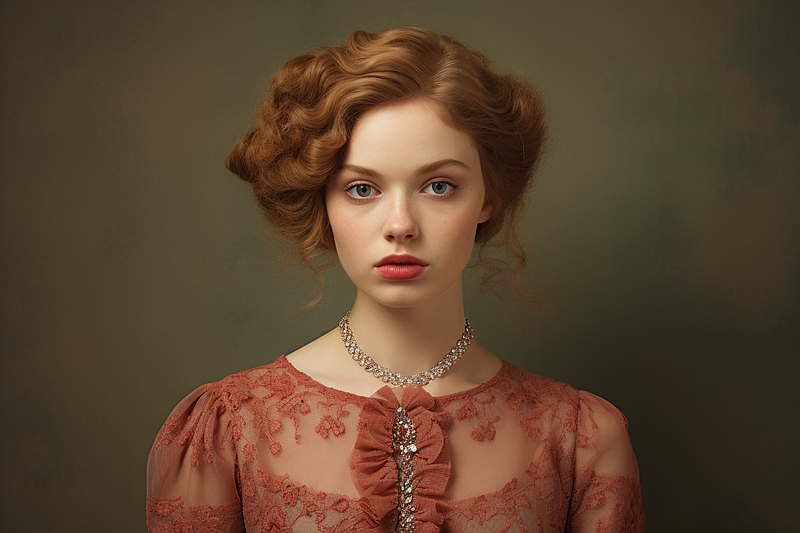
Midjourney inpainting Vary (Region) can be used to repair, remove, add, or change a part of an image. New use cases and applications for inpainting will emerge as time passes, expanding the creative potential of generative AI art.
One of the most common applications of inpainting is to change or add new items to an image, such as sunglasses, necklaces, and earrings. Users add new word(s) or phrases to the original prompt to create a new item.
The outcome of the inpainting varies; if you’re lucky, you’ll immediately get the image you want. Often, it will require some rerolls.
Problem statement
Can we fine-tune inpainting to reduce rerolls?
Say we created a photo with this prompt:
/imagine prompt: an extreme close-up portrait photo of a queen, glamorous — ar 3:2
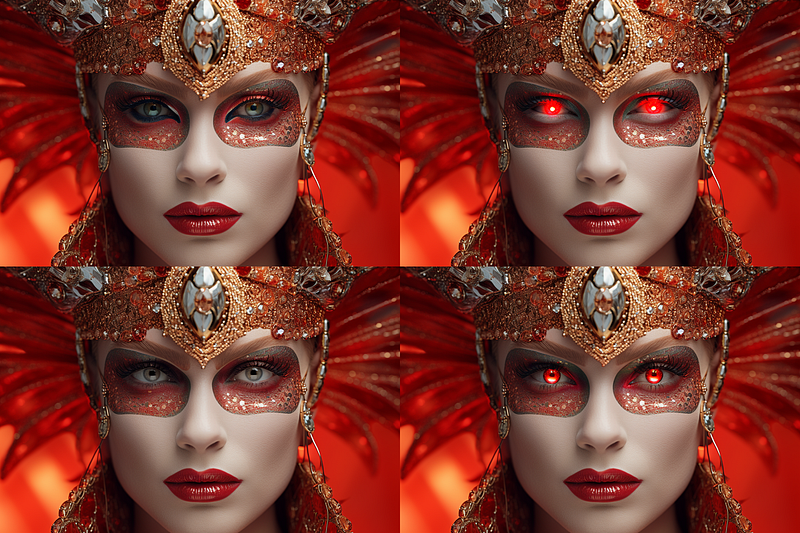
And you want to change the color of your eyes to have a red tint. How should you proceed with the change? Should the original prompt be removed and replaced with “red eyes”? You tried, but it didn’t work because the eyes turned bright red and scary. The subtle adjustment is what you’re after.
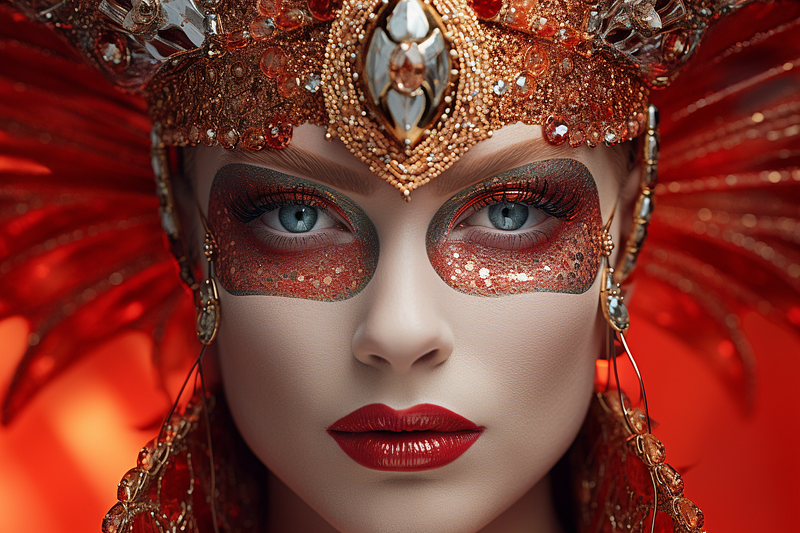
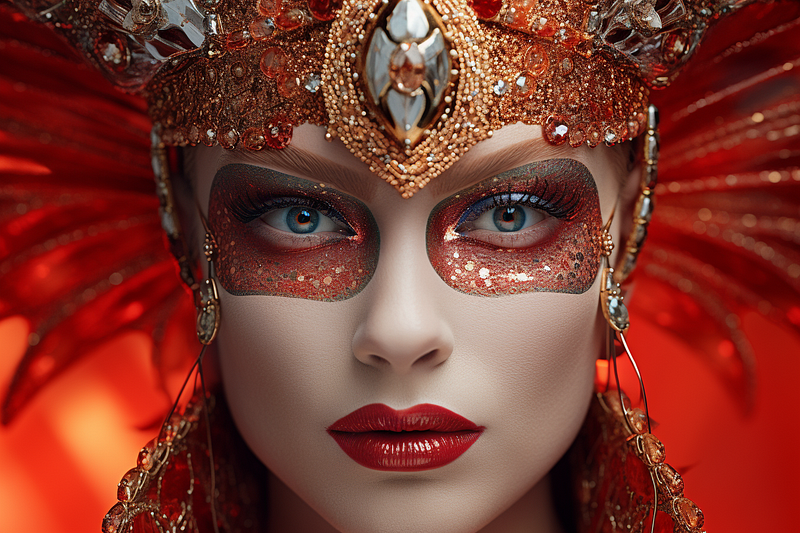
Here are the failed attempts:
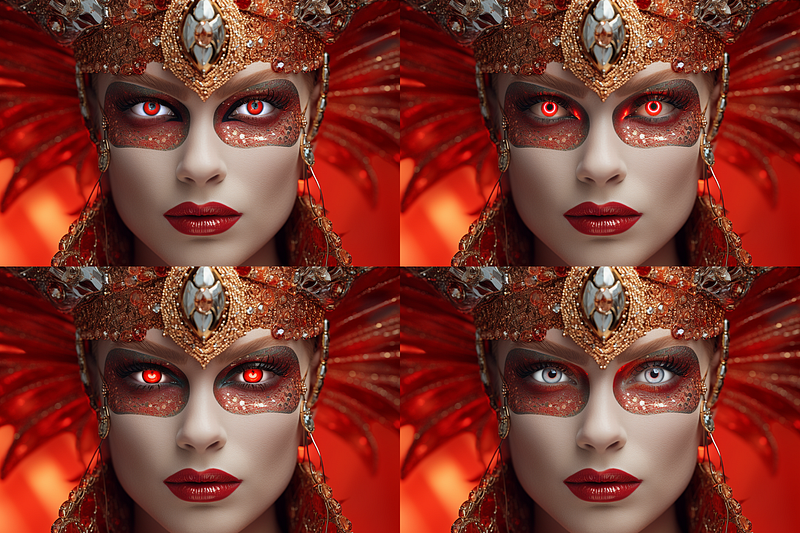
Prompt 1 — Vary (Region) red eyes --ar 3:2
Prompt 2 — Vary (Region) red eyes:: an extreme close-up portrait photo of a queen, glamorous --ar 3:2
Prompt 1 deleted the original prompt and substituted it with a new phrase. In most images, the Queen’s eyes are too red.
Prompt 2 employed the Slider Method/Multiprompting technique without assigning a weight (the default weight is 1). The eyes are either overly or underly red.
However, after several rerolls, obtaining an image with a subtle red tint in the eyes is possible — but more work.
Solution
- Activate
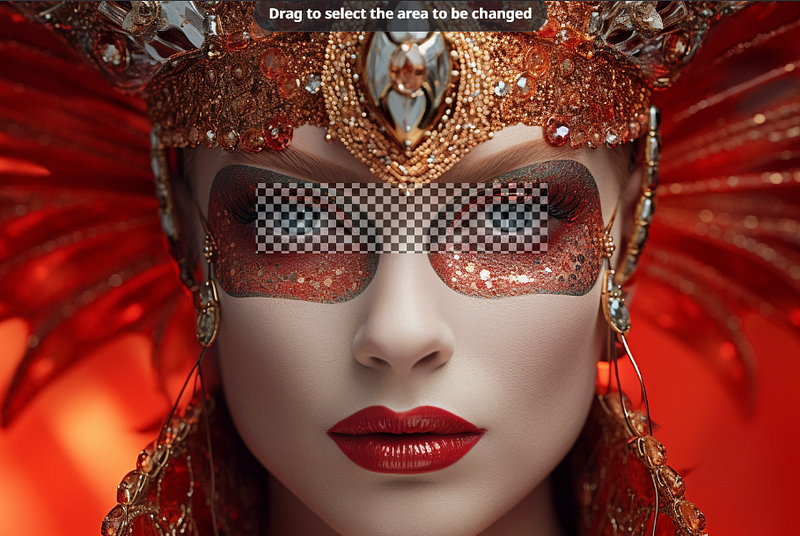
/remixto enable prompt editing. - Select the eyes.
- In the Vary (Region) editor, type “red eyes::0.2” (without quotes) at the front of the original prompt. The prompt will become like this:
red eyes::0.2 an extreme close-up portrait photo of a queen, glamorous --ar 3:2 - Tip: Press ENTER after editing the prompt. You can also click the “Submit Job” button. But I find it more satisfying to press ENTER (loudly) after editing the prompt (laugh).
- (Optional) Adjust the value of the promptlet, say 1.5, to increase the redness of the eyes.
Explanation
- The Slider Method is an excellent method for fine-tuning images. It is also supported by the Vary (Region) inpainting.
- If this is your first time hearing about the Slider Method, read this: Midjourney Slider Method: How to fine-tune images by Multiprompting. Check out this story if you’re new to multiprompting: Midjourney: A gentle guide to Multi-prompt.
- Placing the new adjustment/item at the front of the prompt will cause the bot to prioritize it for inclusion in the image. There is no guarantee, but it will be prioritized.
- It’s also OK if you’re not interested in the theory or don’t have time to read it all. You can use the following template:
[item/modification]::weight_value your-original-prompt - Replace “item/modification” with the item or modification you want to include in the image. Short phrases or words are preferred. Use weight values less than one to reduce the effect (0.25, 0.3, 0.5, 0.6, 0,7) or values greater than one to increase the effect (1.5, 2, 5, 10, 20). The values are merely indicative; there are no fixed values. It is also acceptable to enter 0.2 or 15, for example.
- Assigning a lower weight to the first promptlet reduces its influence, which means it has less impact on the generated output. As a result, the redness in the eyes will be toned down. Similarly, the redness of the eyes increases as you increase the weight.
- Because you keep your original prompt, the bot can use it as the cue to help the new addition or modification to blend in better.
Bonus content
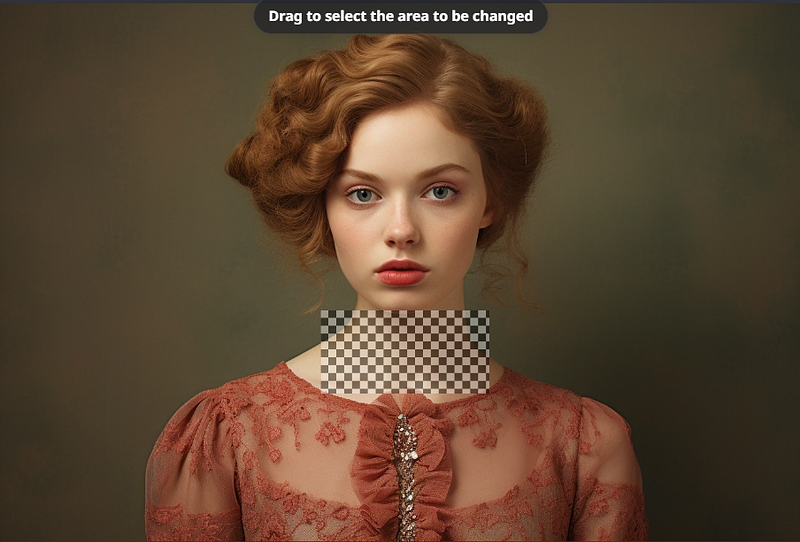
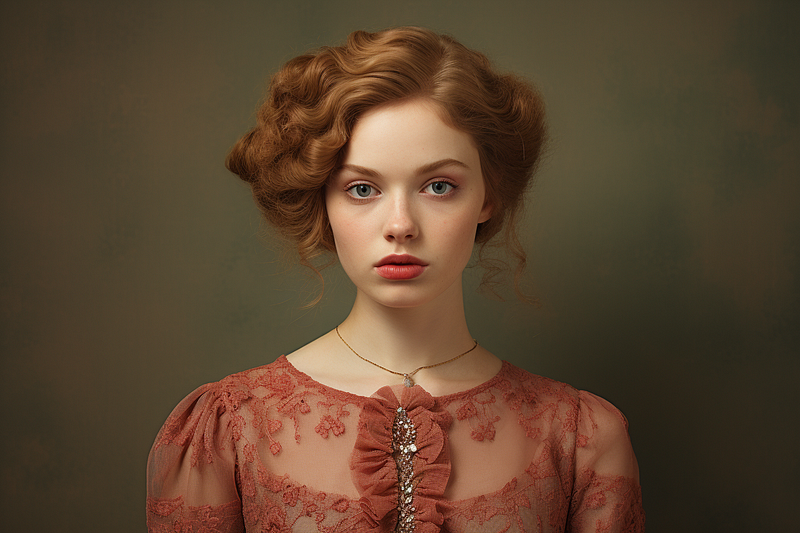
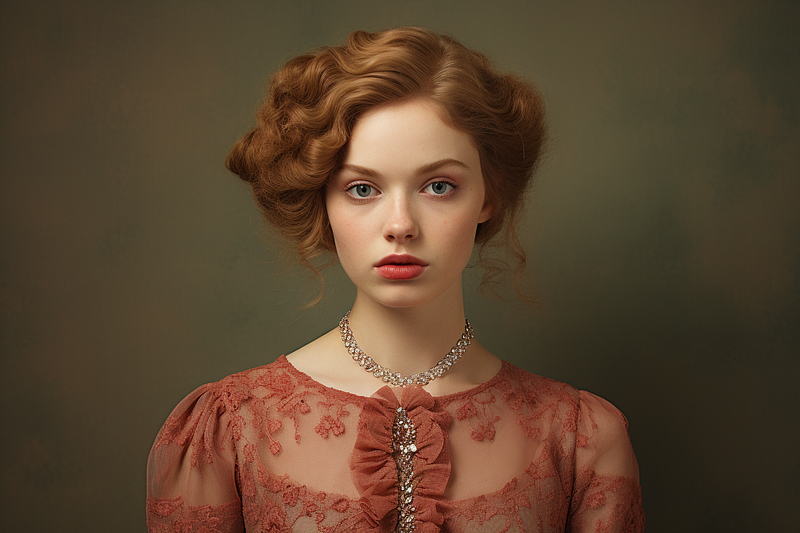
The Slider Method can also be used to create a series of inpainting variations. We’re going to add a diamond necklace for this lucky lady.
Prompt 3 — Vary (Region) diamond necklace::0.5 a fictional studio portrait photo of a lady --ar 3:2
Prompt 4 — Vary (Region) diamond necklace::20 a fictional studio portrait photo of a lady --ar 3:2
Prompt 3 increases your chances of creating a petite and subtle diamond necklace.
Prompt 4 increases the likelihood of creating a modest or larger diamond necklace.
Therefore, simply changing the weight (numerical value) of the promptlet increases your chances of getting what you want while reducing rerolls.
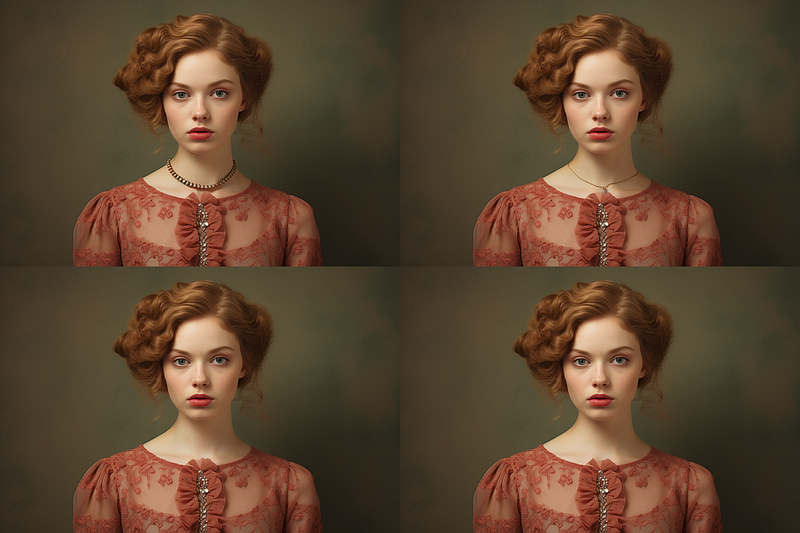
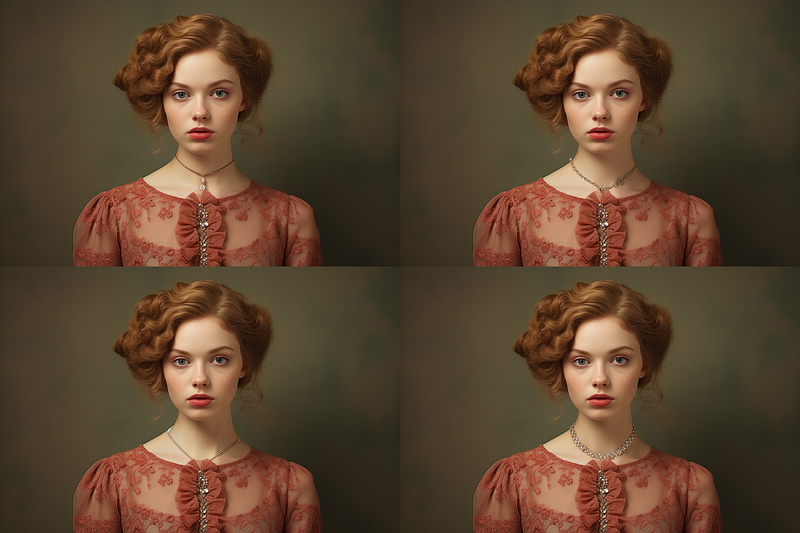
So, tell me, which diamond necklace is your favorite? I’ll make you one :-)
Related stories
Conclusion
- The Slider Method is a simple method for fine-tuning your inpainting.
- It can also be used to make a series of inpainting variations.
- You can increase or decrease the influence of the first promptlet (slider) by adjusting the numerical value of its weight, resulting in a subtle or more noticeable inpainting outcome.
I hope you like this story!
Please give me a clap or leave a positive comment to let Medium’s algorithm know that this story is helpful and has contributed to its platform’s success.
Your support inspires me to create higher-quality content in the future!
Never miss a story. Follow me on Medium for updates, stories, and tips about Midjourney.
Sign up here for a free email alert when I post a new story.


