
Mental Illness Is a Weight You Can Never Put Down
4 ways to cope with bipolar disorder

“I didn’t see you at the party last night,” a friend said to me before Bible study one Sunday morning.
“No, I wasn’t there,” I said, hoping to end the conversation with no more questions.
“Were you sick?” my friend asked.
Just leave it alone! my mind screamed.
“Yeah, I had a headache,” I said, knowing full well it was a lie.
“That’s too bad. We had a nice time.”
Why lie about such a simple matter? Because it’s easier than trying to explain the weight of mental illness. Lying about my mental health has become part of how I cope with bipolar disorder.
My Mental Illness
I have bipolar 1 disorder. Anxiety, depression, and suicidal ideation are part of everyday life for me.
Bipolar disorder feels like carrying a 200-pound weight on your back every second of every day. Bipolar disorder offers no breaks. There are no holidays or weekend escapes.
It’s like being conjoined twins with your worst enemy.
And it’s exhausting.
Wearing Masks
Most of us with mental illnesses learn to wear masks. We put on a smile, laugh at your jokes, and put all our energy into appearing “normal.”
Why? Often we do it to make others feel comfortable.
Want to make an entire room of people nervous? Say, “My depression is terrible today,” or “I’m not sure I can stay here because my anxiety is out of control.” Worse yet, say, “I’m obsessing over ways to kill myself.”
It may be true, but most people can’t handle it.
So, to be kind, we wear a mask as we cope with bipolar disorder. We pretend we’re fine when it’s the furthest thing from the truth.
Putting on a show 24/7 takes much more energy than you would expect. The exhaustion is why we often have to shut down and skip your social invites. Depression has left us with nothing left to give.
As dark as this all sounds, the story is not hopeless. While you can’t escape your mental illness, there are things you can do to make it easier to cope with bipolar disorder.
Here are four steps to lighten your burden.
1. Take breaks when needed
One of the most vital lessons to learn with bipolar disorder is you have to take care of yourself first. It’s okay to take breaks and say no, even if others don’t understand. A well-rested mind is more stable and ready to tackle tougher challenges.
2. Vent in a journal
While you may want to explode with all the frustration in your head, that’s usually a bad idea. Screaming and throwing things tends to freak people out, even when it feels like the right thing to do. Instead, pour out your worst feelings in a journal. It’s okay to destroy the file or shred the paper when you’re done.
Releasing the intense feelings tormenting your heart can ease your burden. Let yourself feel all the things inside and work through your emotions with the words on the page.
3. Tell the truth
This is the hardest one for me. In most areas, I’m brutally honest, but when it comes to saying how I feel, I rarely speak my truth.
Your true friends will understand when you have terrible days with mental illness. If you wear a smile mask all the time, they will never know you need help.
Instead, tell those closest to you when you are suffering. Share some of the darkness inside and then accept the support they offer. Every load is easier to carry if you can share the weight.
4. Talk to your doctor
If you’re fighting an extended dark period, it may be time to speak to your professional care team. Make sure you always tell your doctor or therapist the reality of what you’re feeling so they can best treat you.
A doctor can’t help mend a fractured foot if you never tell them you broke it. The same is true for your mental health. Speak up and lay all your cards on the table. Then your care team can best help you move forward with your treatment plan.
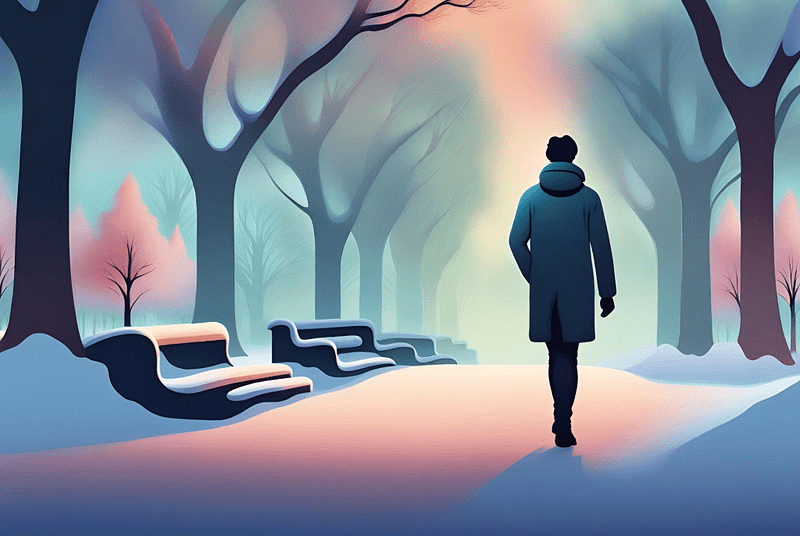
Be Kind as They Cope With Bipolar Disorder
Living with mental illness is exhausting. If you know someone coping with a mental disorder who cancels plans and misses events, please show kindness. They’re carrying more than you know. Often, the only way to cope is to close our doors and be alone for a while.
Bipolar disorder is a burden many of us will carry for the rest of our lives. It’s a hard life, but one that can still be full of joy and activity. By taking breaks, keeping a journal, speaking your truth, and getting professional help, you can be happy.
Never give up in working toward that goal.
Until next time, keep fighting.
Originally published at https://speakingbipolar.com on January 31, 2024.


