avatarEP McKnight, MEd

Free AI web copilot to create summaries, insights and extended knowledge, download it at here

2271

Abstract

in French, and was about a Black American G.I. in Paris who fell in love with a white Frenchwoman. This was followed by Van Peebles’ only studio picture as a director, 1970’s “Watermelon Man”, about a white racist who awakes as a Black man. Some of his other works included, “Don’t Play Us Cheap,” a stage musical and a film, “Confessions of a Ex-Doofus-Itchy Footed Mutha,” “Panther,” “How to Eat Your Watermelon in White Company (And Enjoy it), “Baadassss”, and “Identity Crisis”. There are other works of Van Peebles that did not see the break of the day hitting the big screen or the stage which is normal for many careers especially in the entertainment business.</p><p id="accf">Also, Van Peebles’s newfound interest included becoming the first Black trader at the American Stock Exchange per a 1986 Times article.</p><p id="8e70">Mel Van Peebles broke fresh ground that many African Americans’ filmmakers and directors followed and is yet following as he revolutionized how African-Americans were depicted on the screen. His legacy expanded over three decades as a novelist, playwright, composer, and Wall Street whiz as all can be summed up as him being an overall trailblazer and inspiration to countless past, current, and new filmmakers to come, namely Matty Rich, John Singleton, Spike Lee, and others.</p><p id="d012">In conclusion, Melvin Van Peebles stood tall in the shoes he wore and allowed no one to affect his walk in any direction. In an interview with The Times, he clearly stated his blunt stance about his career, “The point isn’t that I’m Black or white, but that I’m a genius, and I don’t have to prove myself to other people. If they can’t accept me as a human being, that’s their problem, not mine.”</p><p id="ad09">According to Mario Van Peebles, his son, his father championed Black images and knew their importance, and knowing that a picture was worth a thousand words, then a movie has to surpassed that by far. He wanted his film to be representative of the success of reality by the Blacks and not an imitation of the colonizer’s mentality.</p><p id="cb96">Overall, his work was meant to show appreciation for the power, beauty, and interconnectivity of all people.</p><p id="5ada"><b>In the words of Melvin Van Peebles</b>: “Somebody o

Options

nce asked me, ‘Melvin, how’d you get to the top?’</p><p id="6fa8">“It was simple. Nobody would let me in at the bottom.”</p><p id="4f0f">For additional reads:</p><div id="ad1b" class="link-block"> <a href="https://readmedium.com/celebrating-ms-betty-reid-soskin-100-years-young-the-oldest-national-park-ranger-48b90ba9ebd5"> <div> <div> <h2>Celebrating Ms. Betty Reid Soskin 100 Years Young, the Oldest National Park Ranger</h2> <div><h3>A snapshot about how one lady found her niche and lived it to the fullest</h3></div> <div><p>medium.com</p></div> </div> <div> <div style="background-image: url(https://miro.readmedium.com/v2/resize:fit:320/0*NZUNPzJbRJ-4i-87)"></div> </div> </div> </a> </div><div id="1373" class="link-block"> <a href="https://readmedium.com/a-legend-josephine-baker-receives-highest-paris-burial-honor-9545db86dc41"> <div> <div> <h2>A Legend, Josephine Baker, Receives Highest Paris Burial Honor</h2> <div><h3>How the first Black Woman is recognized for her artistry and activism</h3></div> <div><p>medium.com</p></div> </div> <div> <div style="background-image: url(https://miro.readmedium.com/v2/resize:fit:320/0*r4Nh1Ke9SGYutnr1)"></div> </div> </div> </a> </div><div id="0024" class="link-block"> <a href="https://readmedium.com/celebrating-the-life-and-times-of-dancer-actor-michael-k-willimas-9-6-21-377807df962e"> <div> <div> <h2>Celebrating the Life and Times of Dancer/Actor, Michael K. Willimas, 9/6/21</h2> <div><h3>How one man’s talent and zest for life touched so many near and far, famous and not as famous people</h3></div> <div><p>medium.com</p></div> </div> <div> <div style="background-image: url(https://miro.readmedium.com/v2/resize:fit:320/0*HoR1jQD_C6VqoNur)"></div> </div> </div> </a> </div></article></body>

Melvin Van Peebles, the Man, Filmmaker, Visionary, Trailblazer, and Activist

A snapshot of how one man single handily started a cinematic revolution
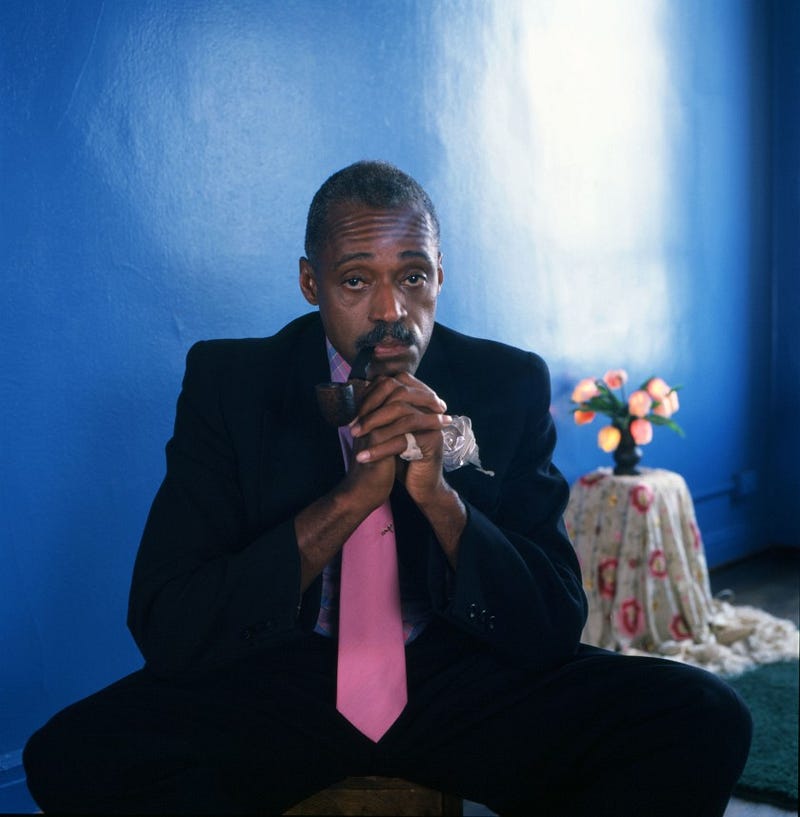
Photo by Anthony Barboza/Getty Images

In reality and everyone knows Melvin Van Peebles as the Black filmmaker, novelist, and playwright whose audacity and rebelliousness were exemplified in his work which has influenced generations of artists.

Some of Melvin Van Peebles works are getting a renewed release to the public notably his best-known film, 1971’s “Sweetback’s Baadassss song”, set for a 50th-anniversary tribute this weekend at the New York Film Festival, his Tony-nominated play, “Ain’t Supposed to Die a Natural Death” to be revived on Broadway next year, his debut feature film, and 1968’s interracial romance, ”The Story of a Three-Day Pass,” rereleased in theaters earlier this year.

Melvin Van Peebles considered himself a genius regardless of what anyone thought of him was of no concern to him. He directed, wrote, edited, scored, and starred in his landmark indie film “Sweet Sweetback’s Baadasssss Song.” His film became the top-grossing independent film of 1971 and made $10 million from a reported $500, 000 investment against much bias from an all-white jury that gave the film an X rating as it made a political statement about Black power as it became a political and cultural landmark and paved the way for other African-American filmmakers.
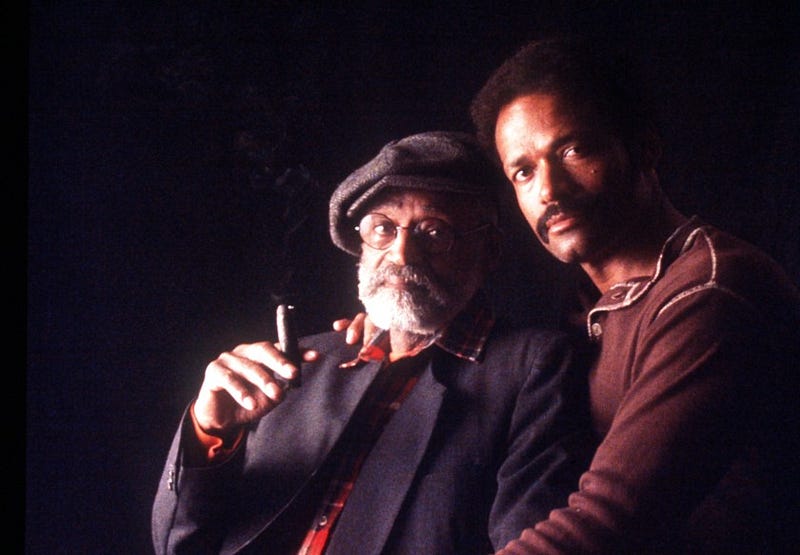
Photo by Sony Pictures Classics

Mr. Van Peebles, a Ohio Wesleyan University graduate, and an Air Force man, was Born on August 21, 1932, in Chicago. His career extended to being a cable car operator, a postman in San Franciso and all the while made several short films, followed by his relocation to Europe and published a series of novels.

His 1968 debut feature, “The Story of a Three-Day Pass,” was based on one of his novels that he wrote in French, and was about a Black American G.I. in Paris who fell in love with a white Frenchwoman. This was followed by Van Peebles’ only studio picture as a director, 1970’s “Watermelon Man”, about a white racist who awakes as a Black man. Some of his other works included, “Don’t Play Us Cheap,” a stage musical and a film, “Confessions of a Ex-Doofus-Itchy Footed Mutha,” “Panther,” “How to Eat Your Watermelon in White Company (And Enjoy it), “Baadassss”, and “Identity Crisis”. There are other works of Van Peebles that did not see the break of the day hitting the big screen or the stage which is normal for many careers especially in the entertainment business.

Also, Van Peebles’s newfound interest included becoming the first Black trader at the American Stock Exchange per a 1986 Times article.

Mel Van Peebles broke fresh ground that many African Americans’ filmmakers and directors followed and is yet following as he revolutionized how African-Americans were depicted on the screen. His legacy expanded over three decades as a novelist, playwright, composer, and Wall Street whiz as all can be summed up as him being an overall trailblazer and inspiration to countless past, current, and new filmmakers to come, namely Matty Rich, John Singleton, Spike Lee, and others.

In conclusion, Melvin Van Peebles stood tall in the shoes he wore and allowed no one to affect his walk in any direction. In an interview with The Times, he clearly stated his blunt stance about his career, “The point isn’t that I’m Black or white, but that I’m a genius, and I don’t have to prove myself to other people. If they can’t accept me as a human being, that’s their problem, not mine.”

According to Mario Van Peebles, his son, his father championed Black images and knew their importance, and knowing that a picture was worth a thousand words, then a movie has to surpassed that by far. He wanted his film to be representative of the success of reality by the Blacks and not an imitation of the colonizer’s mentality.

Overall, his work was meant to show appreciation for the power, beauty, and interconnectivity of all people.

In the words of Melvin Van Peebles: “Somebody once asked me, ‘Melvin, how’d you get to the top?’

“It was simple. Nobody would let me in at the bottom.”

For additional reads:

Hollywood
Filmmaking
Life Lessons
Education
Startup
Recommended from ReadMedium