
Meet ALPACA, an Open-Source ChatGPT Alternative On The Rise
Running ChatGPT-like models locally on your laptop
Giddyup!
A new language model called Alpaca was introduced last week. It is small, easy to reproduce, and shows similar capabilities to OpenAI’s ChatGPT or Microsoft’s Bing Chat. Now, since you can’t inspect the underlying models of the latter, it is difficult for researchers to study their weaknesses, e.g. generating false information, stereotypes, and toxic language.
This is where Alpaca comes in.
Last week, a research team at Stanford University published the Alpaca model along with its training data on GitHub, making Alpaca 100% open source.
In addition, there is an interactive demo of the model in action and users are encouraged to help the academic community and report any noticeable behaviors.
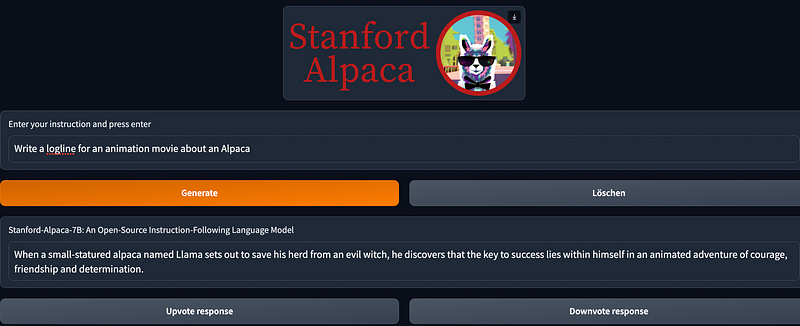
But the Alpaca story is just beginning here.
Since the model was released along with its training data, anyone can build their own version of Alpaca from the GitHub repository and run a ChatGPT-like language model locally on their computer.
And that’s exactly what people did.
Shortly after the release of the so-called “Stanford Alpaca”, another version called “LoRA Alpaca” appeared on GitHub. Using a technique for efficiently fine-tuning a large language model (LoRA), the revised “Stanford Alpaca” aims to match the quality of OpenAI’s GPT-3 (text-DaVinci-003) and is available via this notebook. For research purposes, the model can also be run locally on cheap hardware like a Raspberry Pi!
Now you guessed it.
An Alpaca doesn’t stop.
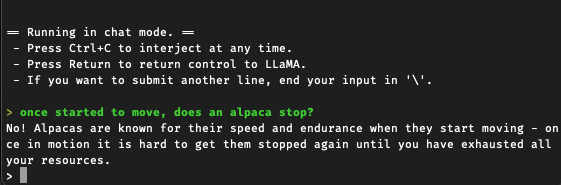
Because next, somebody came up with Alpaca.cpp, creating another version of the Alpaca model that runs locally on your Macbook or Windows laptop! 🤯
(the project’s GitHub page says it’s a combination of the LLaMA foundation model and LoRA Alpaca).
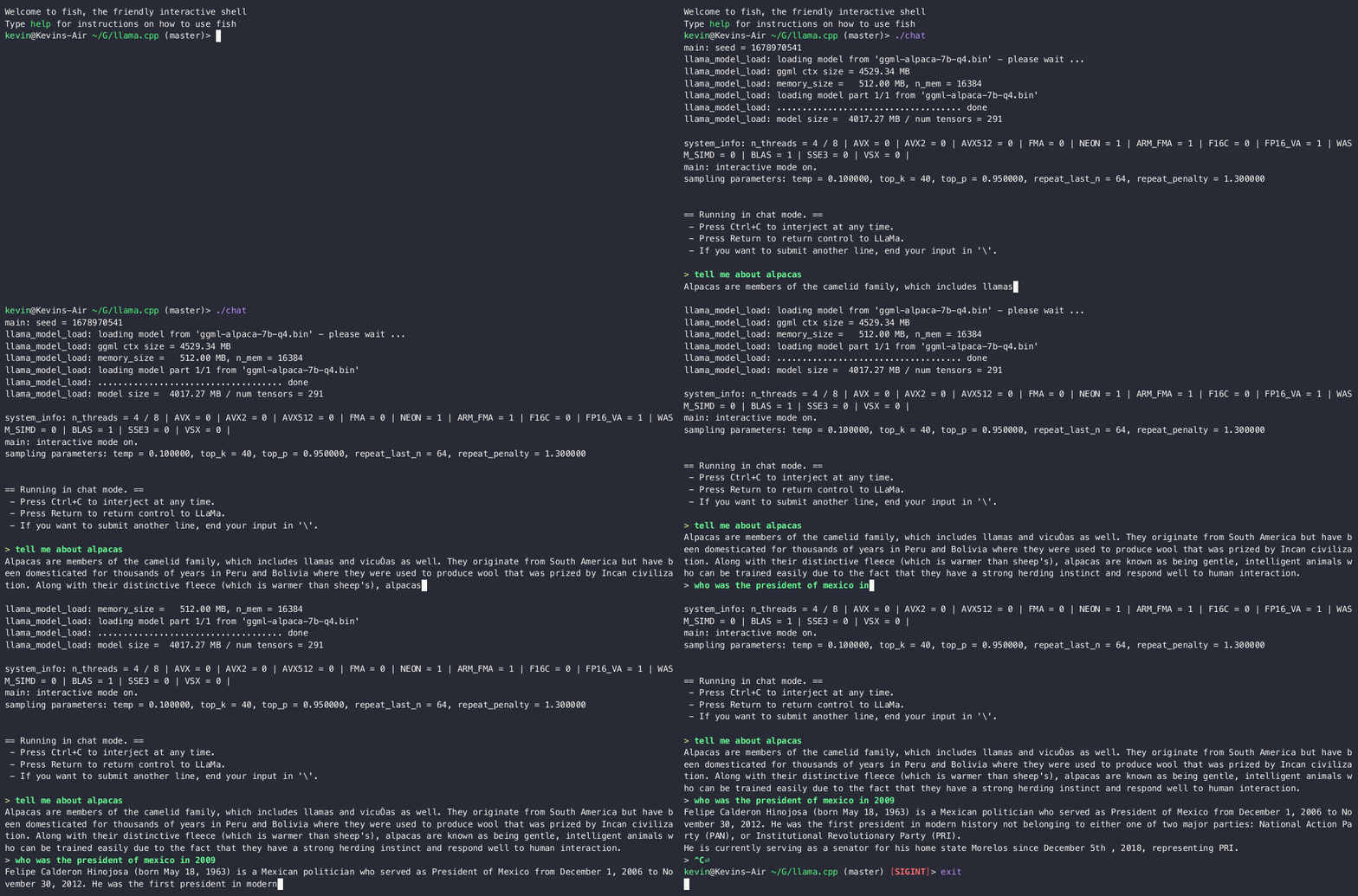
The magic of open-source.
How long will it take the open-source LLMs to catch up with those models whose behavior they are designed to study?
Try Alpaca with this demo: https://alpaca-ai.ngrok.io/
Official project page: https://crfm.stanford.edu/2023/03/13/alpaca.html
Stanford Alpaca: https://github.com/tatsu-lab/stanford_alpaca
LoRA Alpaca: https://github.com/tloen/alpaca-lora
LoRA Alpaca Notebook: https://colab.research.google.com/drive/1eWAmesrW99p7e1nah5bipn0zikMb8XYC
Alpaca.cpp: https://github.com/antimatter15/alpaca.cpp
➡️ For more information about AI & Creativity, follow me on Twitter or Medium (use my referral link to get full access to all my articles and those of thousands of other writers).
➡️ If you like my content, why not leave a “clap” at the end of this article, so more people can see it?


