
Meds or Not, ADHDers Medicate
A story of Mountain Dew and three generations of neurodiversity
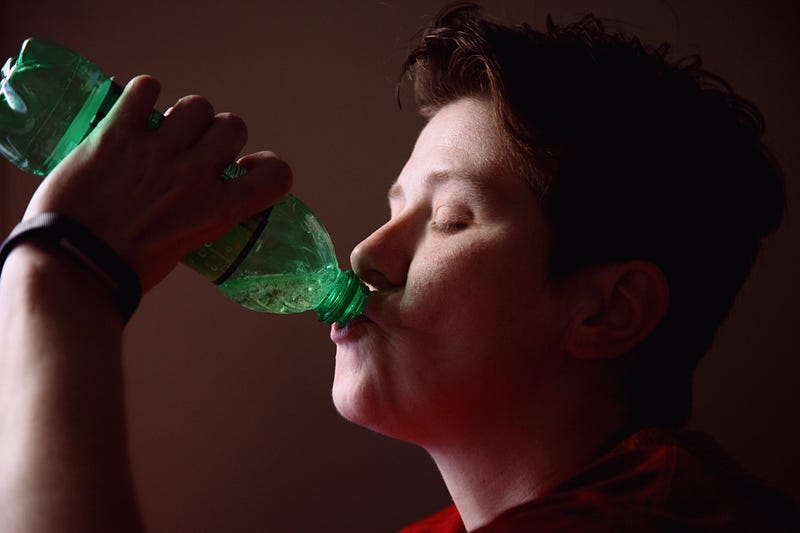
My day was not going as planned. I was late to my Friday morning walk, which meant we ended it half an hour later than usual. When I got home, I received a call from daycare that my oldest had a mild fever and needed to be picked up.
I couldn’t wrap my brain around how to approach the rest of my day, and after an hour or two of trying to manage on my own, I went into the discord server where my writing friends hang out. Said I couldn’t figure out what to do, and maybe I should have my fourth glass of Mountain Dew.
“ROCHELLE, THAT IS A LOT OF MOUNTAIN DEW,” one of them said.
“Don’t do it,” added another. “Mountain Dew tastes like… What even does it taste like?”
“Nostalgia,” I replied immediately. No thought required. “It tastes like childhood.”
When I was a kid, my dad had at least one Mountain Dew a day and would often share. I’d get one when I went in to help him at work, on long drives, or in summer afternoons. My mom’s decaf Diet Coke never did it for me the way Mountain Dew did.
When I was older, my dad decided the sugar content was too much and dropped the Mountain Dew. Now that I think about it, this was right about when he started drinking more beer at night. He became less himself. Seemed to age, really.
I miss Mountain Dew Dad. No wonder it tastes like nostalgia.
These days, I spend a lot of my time debating what kind of official documentation my son needs for his ADHD. His main struggle is with impulse control, although I see all the ways, for better or worse, ADHD manifests in his life.
When I first told my dad I was looking for an ADHD diagnosis for my kid and all the symptoms I saw in my son, he said, “Well, if that’s ADHD, then I have it too.”
My response? “I think you do, actually.”
I realized it as I said it, but the signs had always been there. Varied energy levels and focus levels. Hyperactivity as a kid that he wrote off as being a wild teenager in a freer time. Great ideas, but trouble following through.
You know—all the things I see in myself, too.
I don’t drink a lot of soda now that I’m in my 30s. The carbonation often upsets my stomach, and the sugar, more than the caffeine, can be an issue for my brain. I feel fuzzy — often literally, like someone is tickling my skull from the inside — when I’ve had too much sugar. My caffeine of choice is usually calorie-free caffeinated water enhancers.
But this week, there was a deal for the pizza I wanted — one pizza, one cheesy bread, one 2-liter, one price — and I got the 2-liter of nostalgia.
November has been overwhelming. I’m writing for NaNo, developing a webinar for work, and designing and filming my first Skillshare course. I have dissertation QA, academic editing projects, and a bunch of “I might have this for you to edit soon” uncertainties.
I am the slightest bit behind schedule. Enough to make me frantic, but not enough to activate the hyperfocus mode I get when true panic sets in. In panic’s place has been this itching that I’m not doing enough, but with big goals that have fuzzy milestones and an unclear “done enough” goalpost, I found myself flailing at best.
Throw in a sick kid, and there I was, a humanoid comprised of nervous energy and 30 ounces of Mountain Dew, trying to figure out how to make progress on anything while navigating parenting simultaneously.
My ADHD diagnosis is unofficial and based on my understanding of ADHD in women and girls, my family history (with several diagnosed boys), and what I see in my son. Which means I don’t have meds I can take for ADHD. But it doesn’t mean I don’t self-medicate. Just like it seems my dad did for years, too.
Mountain Dew might not be the most effective ADHD treatment, but I realized that it is still, essentially, what it is. For my dad. For my son. For me. And hey, I got this article written. So maybe it’s not all bad.


