
Maypop
Even state wildflowers don’t get validation from the New York Times
Today’s New York Times Spelling Bee letters:
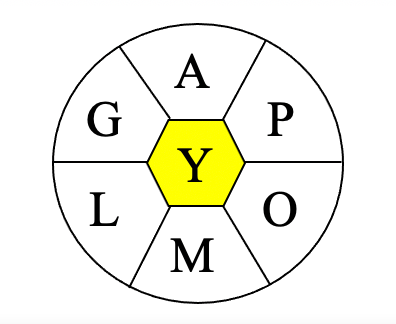
A, G, L, M, O, P, and center Y (all words must include Y).
Merriam-Webster says…
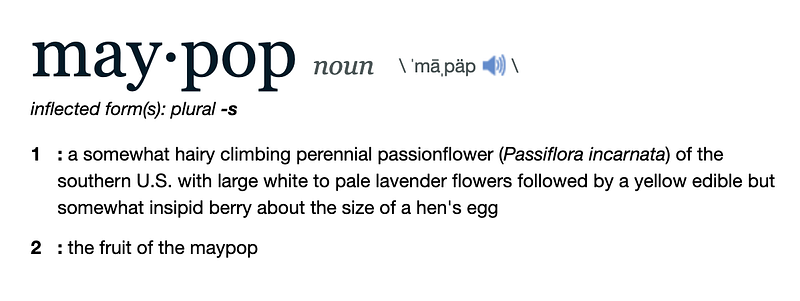
Silly little dictionary! Don’t you know maypop can’t possibly be a word if the New York Times says it ain’t?
For further fascinating facts, check out the Spelling Bee Master.
What’s your favorite dord* from today’s puzzle?
My Two Cents
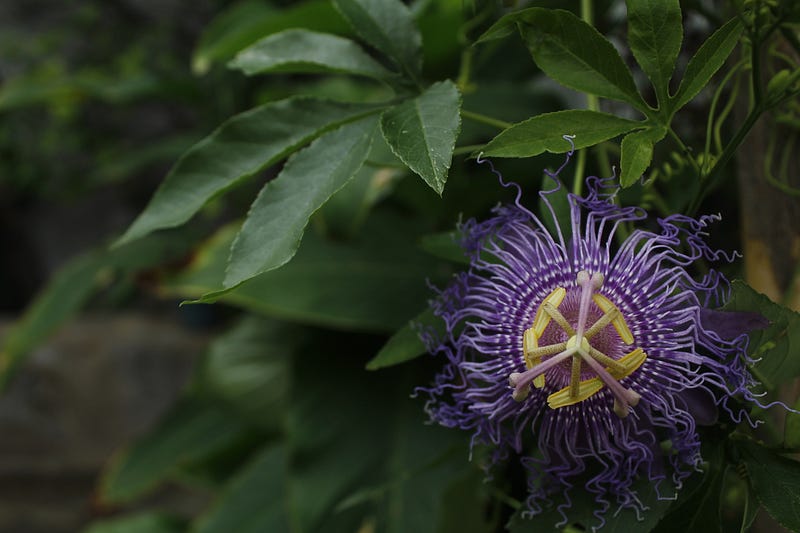
Tennessee has three state flowers. Let’s start with that. So even if the editors of the Spelling Bee don’t consider maypop a word, the Volunteer State can still show off the iris (the state cultivated glowers) and the Tennessee purple coneflower, which was designated as the second wildflower if, for any reason, the official wildflower (maypop) is unable to fulfill her duties.
Hmmm… how prescient of them.
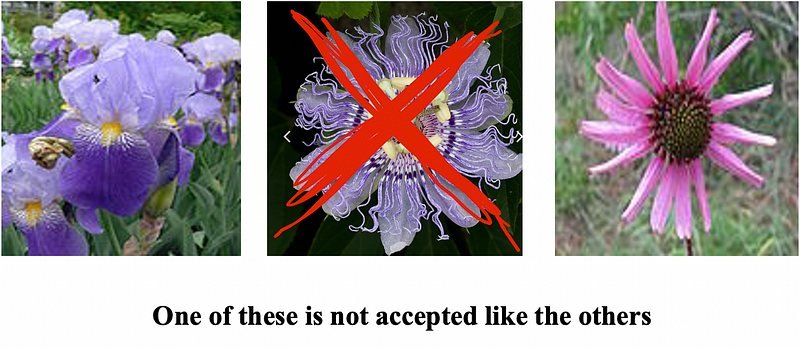
What’s in a name
According to some sources, the name maypop comes from the fact that the fruit of this vine “may pop” when it’s stepped on. Which sounds like a stretch, since that would result in a ton of things being named maypop. The dictionary claims that maypop is actually an alteration of maycock, itself an alteration of maracock from an Algonquian language of Virginia maracaw, from the Carib merecuyá, from the Tupi maracuyá.
As convoluted as that sounds, it makes more sense to me, because as a Spanish-speaker I’ve actually heard of the word maracuyá being used to describe one of the varieties of the common passion fruit.
Now, many people (me, myself and I included) think that the moniker “passion fruit” was given to maypop’s more beloved cousin, passiflora edulis, because of its aphrodisiac properties.
Many people, it turns out, are wrong.
According to some experts, the passion flower got its name because Spanish missionaries in the 1400 and 1500s — who were overwhelmingly Christian — thought the plant could be used to teach the indigenous people about the Passion of Christ.
I am not kidding.
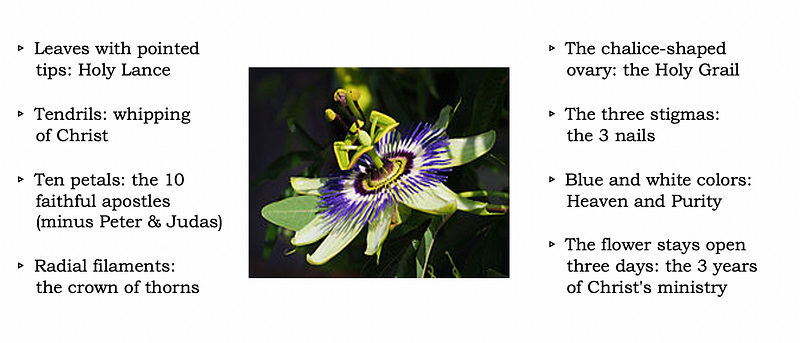
I’m trying to think of a clever joke to end this section of the article, but I’m afraid whatever I write will probably offend a bunch of readers… or not enough of them.
Either way, think of your own clever joke.
Make yourself useful
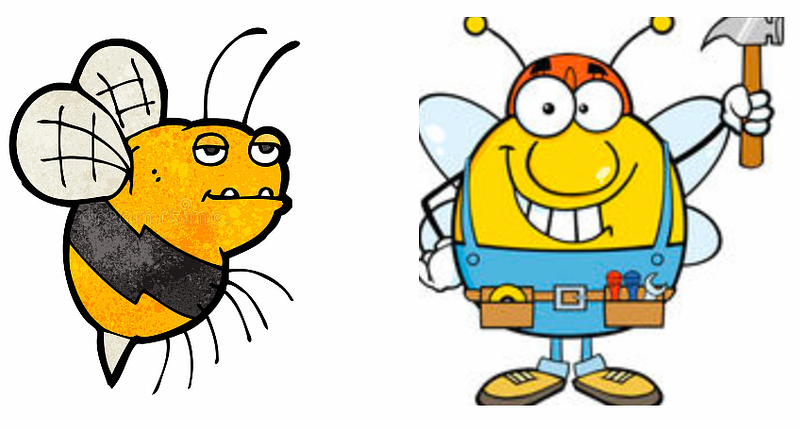
Maypops are also known as purple passionflowers, and they are pretty important when it comes to wildlife. They appear to be a favorite morsel of bumblebees and carpenter bees. Here are two accurate, detailed photos I found of both types of insects:
Hummingbirds also love to stick their thin, long beaks into these beautiful flowers. So, with the help of the birds and the bees — literally — the purple passionflower gets its seed spread around and goes forth and multiplies.
The fruit it produces, also called a maypop, is not as tasty and tart as the passion fruit we all know and either love or can’t stand. However, many butterfly larvae enjoy feasting on the fleshy inside as they grow strong.
Maypop, the breakfast of champion worms!
There are claims the plant has herbal uses against anxiety, insomnia, the runs, burns, and hemorrhoids. And it’s also used to make a tea. The fruit can be used to make jams and juices. And to feed your pet butterfly worms, if you happen to have any.
The good thing about Tennessee's rejected state wildflower is that it is easily cultivated and has spread across the United States, covering it with a beautiful purple color that would drive any partisan politician mad! More than twenty states awash in magenta!
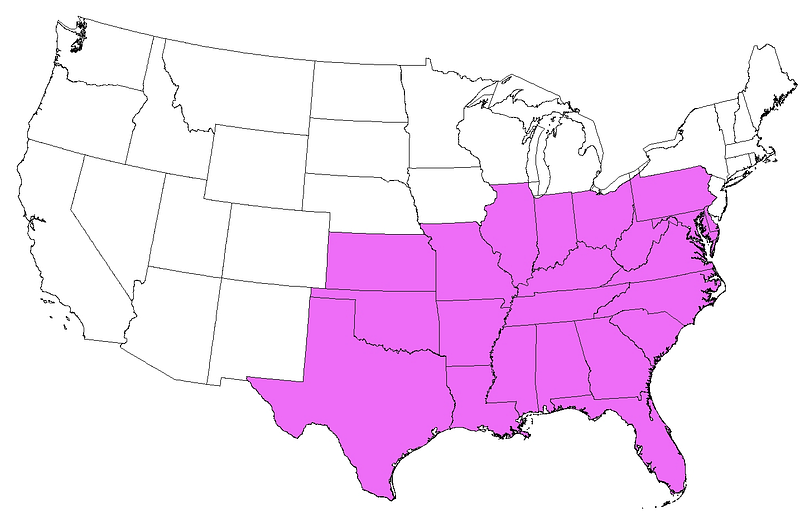
Which looks a lot more fun than having only two of them:
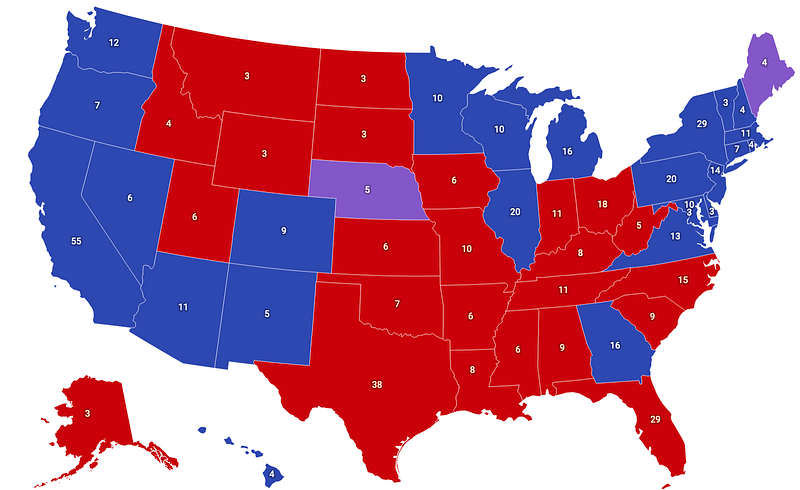
Now, if we could only get that maypop to keep spreading across the entire country, maybe we’d end up with a fairer electoral college system.
I’ll end today’s column with that utopian thought.
But not before reminding Tennessee that they need to change one of their three state flowers. And that’s because the editors of the Spelling Bee puzzle decided that the word maypop is a dord.*
You can check out my previous entry on another dord* here:
*What the heck is a dord, you ask? Here’s the answer: