
Geta
Flip-flopping our way around
Today’s New York Times Spelling Bee letters:
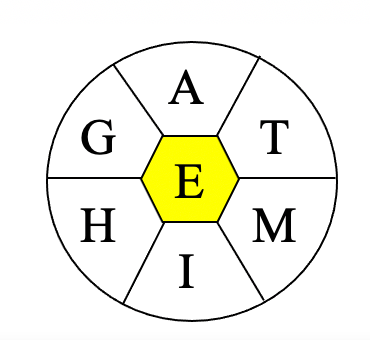
A, G, H, I, M, T, and center E (all words must include E).
Merriam-Webster says…

Silly little dictionary! Don’t you know geta can’t possibly be a word if the New York Times says it ain’t?
For further fascinating facts, check out the Spelling Bee Master.
What’s your favorite dord* from today’s puzzle?
My Two Cents
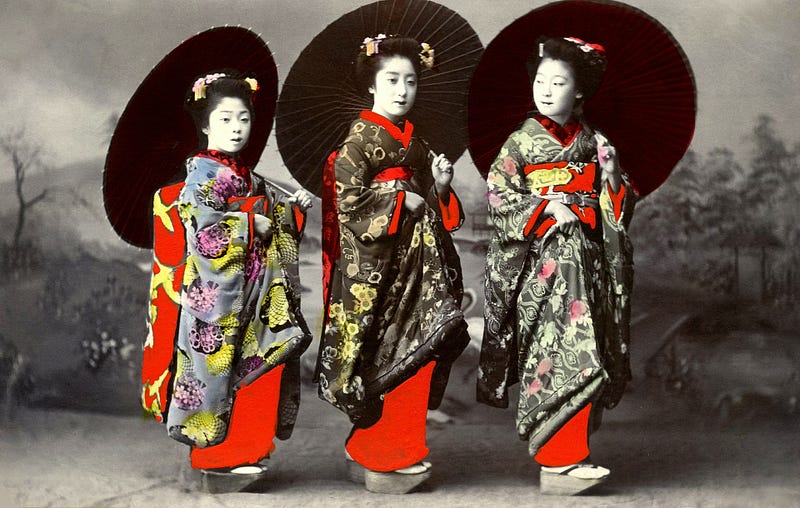
The women in the photo are wearing okobo, also known as koppori geta. These are a type of geta, although they don’t have the typical pair of “teeth” common to most of them.
Because they are wearing okobo, the three women in the photo are most likely maiko, or apprentice geishas. Today okobos are also worn by girls during the Shichi-Go-San, or rite of passage held annually for children in the fall. Women also use them for the Seijin no Hi, a coming of age ceremony held in January for those who turn 20 between the previous and upcoming April.
Anatomy of a clog
A geta consists of a dai, or flat board made of wood, and one to three ha, or supporting blocks beneath it. This ha (歯) literally means “tooth”. Feet are held in place by a thong, or hanao, the same feature found in flip flops. With good reason, since flip flop usage in the U.S. began after World War II G.I.s brought home zori, the flat version of the geta.
Here is a photo showing the three basic parts of a geta:
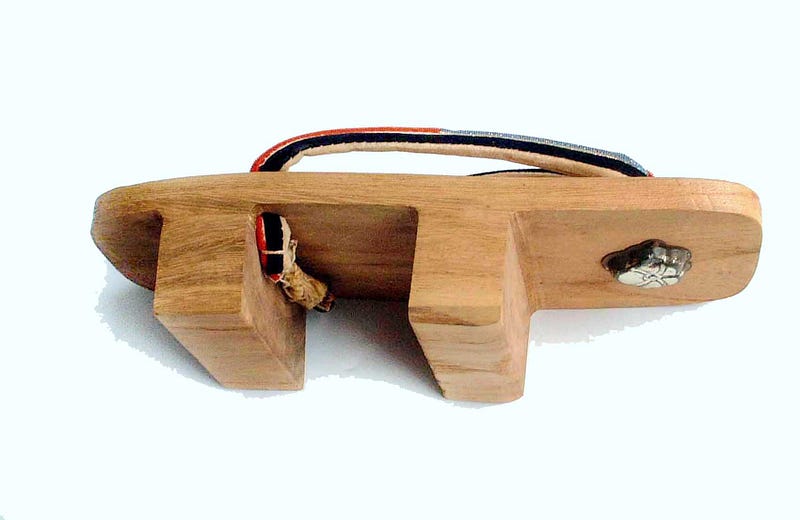
If you look closely, you’ll notice the board and teeth are actually one piece of wood. That’s because authentic geta are carved that way. So, if you’re at a store buying the footwear and you notice the support boards are attached to the flat part… don’t getta those geta.
Sorry, I couldn’t resist.
The geta’s advantage as basic footwear came from the height provided by the support boards, which kept the feet clean and dry from puddles, snow, and nastier stuff that could be found on the floor or on streets. Because many geta were lacquered, they were also impermeable, so feet were kept mostly dry. (There’s no accounting for people with sweaty soles… what can you do?)
Additionally, the wood material — commonly sourced from paulownia tree — was not flexible like flip flops, for example, so geta did not throw back water or mud to the back of the legs when a person walked around in them.
Aside from geisha and geishas-in-training, geta were worn by the oiran. These were the high-end escorts of Japanese feudal times. They didn’t have clear, plastic, 10-inch platform heels back then, so instead the oiran wore very tall geta with three teeth.
Now, oiran by far outranked geishas when it came to clientele. Geishas were very popular, yes, but perhaps because of that were considered (at the time) to be for the lower class men. And the oiran made sure you’d know who they were. How? By wearing their geta barefoot, even in the winter. When the weather started getting chilly, geishas would slip on their tabi, those socks that look a bit like cloth hooves.
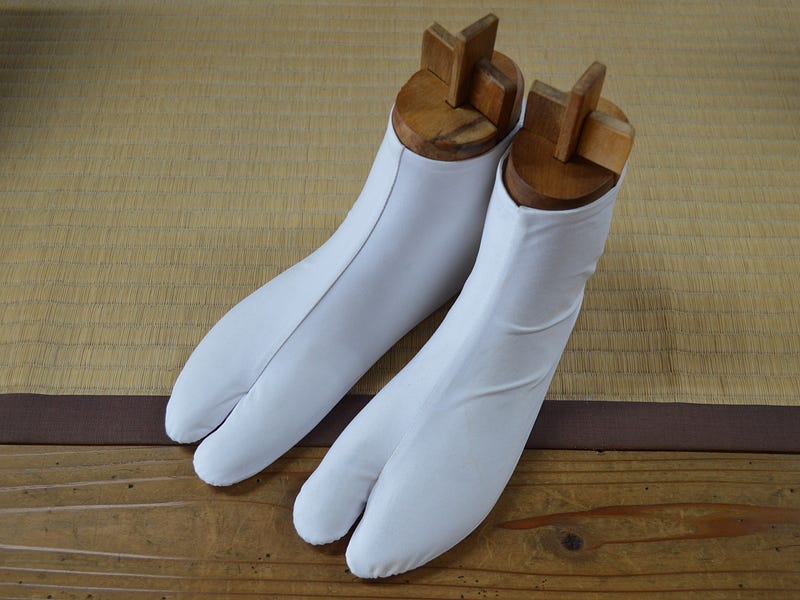
The oiran? They wouldn’t be caught dead in those. Better to freeze your tootsies off than let anyone think you were a lowly geisha. Besides, the bare foot pressed against the wooden geta with the toes peeking out from under the expensive kimono was considered sexy as heck.
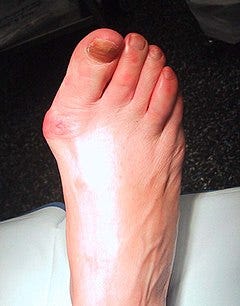
Of course, you probably needed to have sexy feet if you were an oiran.
So, less like this…
And more like this:
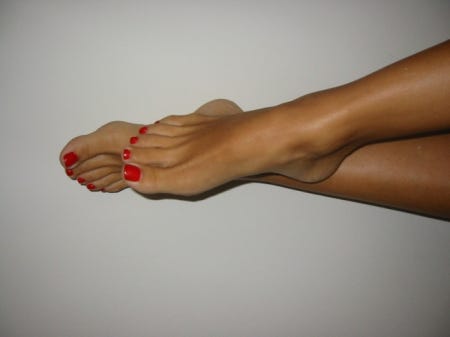
Back in feudal Japan there were no web sites dedicated to feet. I’m sure if there had been, they probably would have included a lot of photos of oiran.
Not a typo
In modern Japan the geta is also a typographic symbol.
〓
It looks like a two-toothed geta without the flat wood board. Hence the name. Duh!
It’s actually a proofreading mark used to indicate that a certain typography character is missing or not available. For example, when a computer can’t process whatever gibberish you wrote and won’t display the glyph on its screen.
Oh, and also, Geta is the name of a planet in the 1982 science fiction novel Courtship Rite, which in the United Kingdom was titled… Geta. How clever!
The novel, penned by American-Canadian mathematician and writer Donald Kingsbury, was given this description by Jo Walton: “This is the book with everything, where everything includes cannibalism, polyamory, evolution and getting tattoos so your skin will make more interesting leather when you’re dead.”
Just one look at the cover, and you can tell Jo Walton was absolutely right!
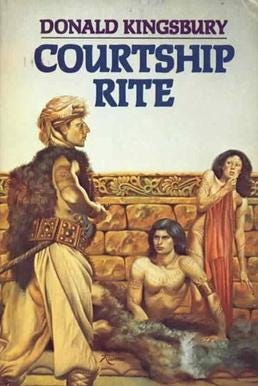
Despite all that, Courtship Rite fared well in the sci-fi awards realm. It was the inaugural winner of the Compton Crook Award for best first novel, was nominated for the Hugo Award in 1983 and finally won the Prometheus Hall of Fame Award… in 2016.
It took a while, but I guess that cover finally grew on that Prometheus jury, huh?
Anyway, to wrap this up. Yes, you’ll be tempted to tell everyone about that fabulous, hand-made, beautifully decorated shoes you bought during your trip to Japan. And that’s okay. Just don’t call them geta.
Because according to the editors of the Spelling Bee puzzle, geta is a dord.*
You can check out my previous entry on another dord* here:
*What the heck is a dord, you ask? Here’s the answer: