
Mayberry blood brothers: The light and darkness of Andy Griffith and Don Knotts
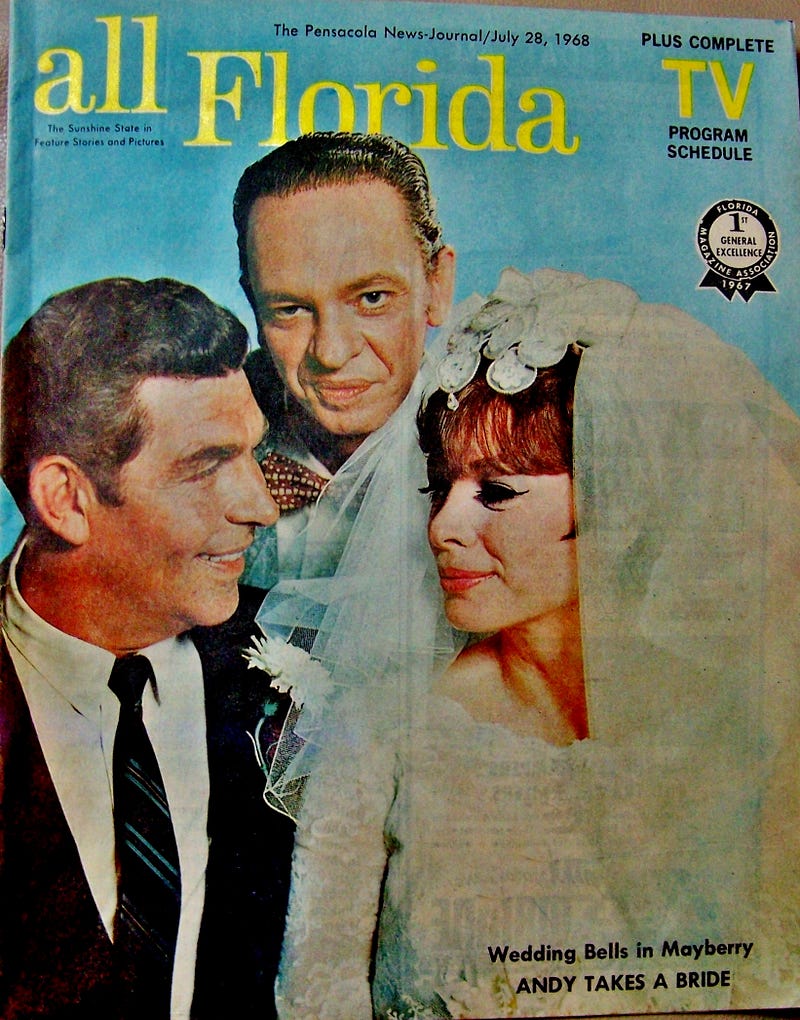
“Fans stream tens of billions of minutes of Andy Griffith Show episodes every year,” maintains Daniel de Visé. “What other black-and-white TV show has that kind of draw?” A panoramic interview with the Andy & Don: The Making of a Friendship and a Classic American TV Show biographer coincides with the 63rd anniversary of the beloved never-never land Southern comedy’s launch. The former Washington Post journalist uncovers Griffith and Knotts’ fame, insecurities, obsessions, regrets, widows Cindi Knight and Francey Yarborough, Aneta Corsaut, manager Dick Linke’s dismissal, temporary Barney Fife replacement Warren Ferguson [Jack Burns], Jim Nabors, Gomer Pyle, U.S.M.C., George Lindsey’s prickly relationship with Griffith, Mayberry R.F.D., John Ritter, Three’s Company, Murder in Coweta County, Matlock, Pleasantville, and Griffith’s surprising mentorship of Billy Bob Thornton.
The Daniel de Visé Interview
When did you first catch sight of Andy Griffith and Don Knotts?
I grew up watching reruns of The Andy Griffith Show on WGN television in Chicago. I have no idea which episode I saw first, but it was probably one of the black-and-white ones. I don’t remember WGN showing too many of the color episodes. I definitely saw TAGS long before I saw either actor in any other production.
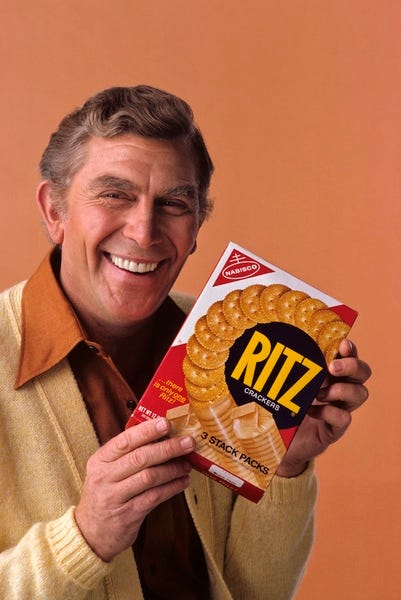
I do, however, distinctly remember Andy doing commercials for Ritz Crackers in the late ’70s. A friend and I broke into that “Mmmm-mmmm…good cracker” bit with some Ritz crackers in an upscale restaurant once in Richmond, Virginia, and the server, who was younger, had no idea what we were laughing about. I also strongly remember watching Don on Three’s Company back when that was a hot show [Knotts replaced fourth wall-breaking landlord Norman Fell starting with the fourth season in 1979 and remained until the series finale in 1984].
Who encouraged you to chronicle the comedy duo’s 50-year friendship?
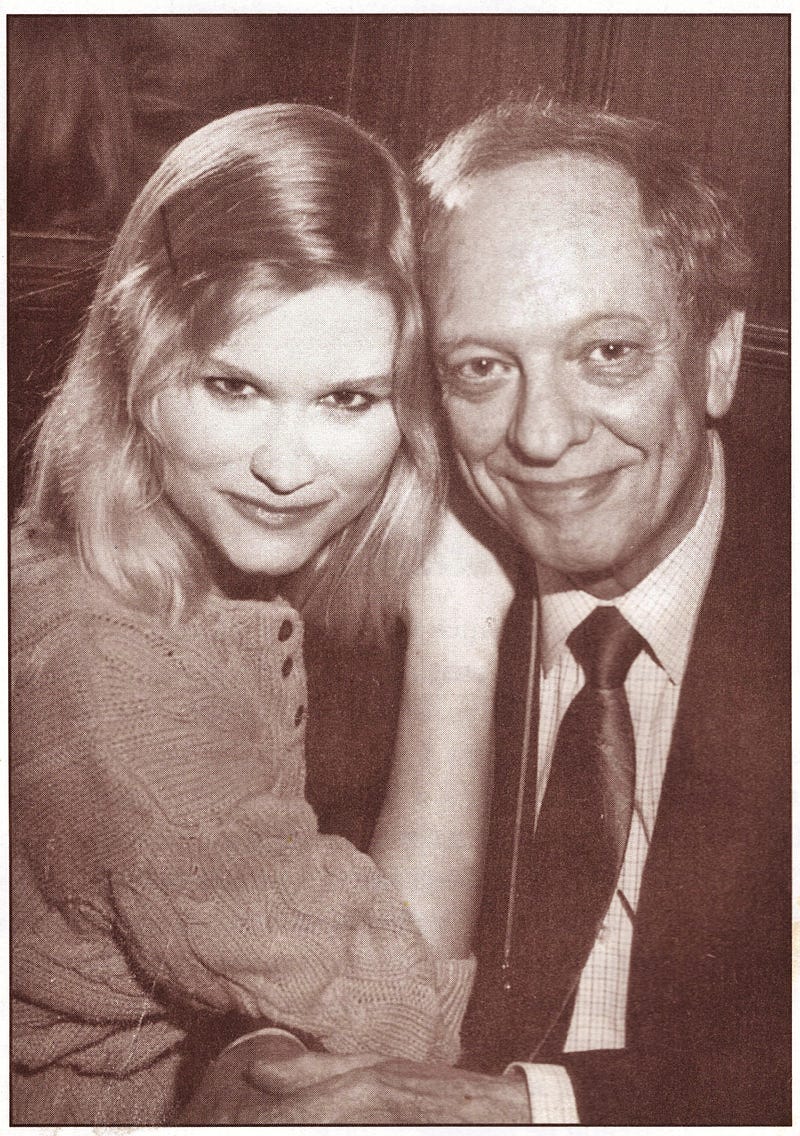
Don was my brother-in-law. He got into a relationship with Francey Yarborough around the same time I started dating her younger sister Sophie. Don was costarring in the short-lived What a Country! [1986–1987]. Don and Francey were together and in love until the day he died [at age 81 on February 24, 2006, coincidentally the same day as Gunsmoke sidekick Dennis Weaver]. So I started out thinking I would do a biography on Don. If you write books and you’re related to someone famous, it’s a natural choice.
My literary agent and I discussed it and decided to repurpose the project as a dual biography. That friendship lay at the very heart of TAGS, and I knew enough about the two men to know there was enough in their relationship to justify a book.
Andy and Don carved parallel paths through several eras in the entertainment industry. Both of them went to New York. They found success in theater and radio and moved on to cinema and the rising medium of television. Both came from the rural South, and their shared vision of a 1930s childhood in small-town Americana became Mayberry. Everybody — the actors, writers, directors and producers — lent their talents to bringing that vision to the screen. After TAGS, they veered off into separate endeavors but remained best friends to the end. Theirs was a Hollywood friendship, forged in the intense environment of shooting 32 episodes per season and being with each other more than they saw their own families.
As Don’s brother-in-law, how did you strive for objectivity while writing Andy & Don?
That’s a good question. Andy & Don was my second book, and it came near the end of a nearly 25-year run as a daily newspaper reporter. I was working at the Washington Post, and by that time I had no problem being objective, no matter the topic. I put on my reporter hat every time I sat down to write, and I made every decision about what to include and how to write it up based on its value as news and narrative. I stressed to everyone I interviewed that I would write the book as a journalist.
I ended up putting a lot of stuff in the book that was probably a little hard for members of Don’s and Andy’s families to read. Andy had a longtime affair with Aneta Corsaut, who played Helen Crump on the Griffith Show. That had never been written before. Don had a prescription medication problem exacerbated by hypochondria, insomnia, and a 30-year association with psychiatrist Dick Renneker. He overdosed at home in spring 1991 [near the end of his occasional Matlock appearances as neighbor and retired “King of Plastics” Les Calhoun] after changing from one brand of pills to another, more toxic variety, and inadvertently taking a few too many. He would have died if Francey hadn’t arrived and frantically called 911. She persuaded the doctors that Don needed an intervention. They marched Francey into his room to deliver an ultimatum that if he didn’t stop, then she was leaving. And Don listened [adapted from page 240 of Andy & Don].
A small but significant percentage of people who read the book, and who only knew those men as their clean-scrubbed TV characters, had a hard time with some of those passages. The vast majority of readers understand that it is a work of journalistic nonfiction and embrace it in that spirit.
Were you expecting the criticism that certain fans would level at the book once they realized that Andy and Don were fallible and not really their “clean-scrubbed TV characters?”
I did dozens of book talks and talked to hundreds of people about the show, and I don’t recall anyone telling me to my face that they were shocked and let down at the revelations in my book. But if you scroll through the 400-and-some Amazon reviews, you do see negative talk here and there. Considering how understandably protective the fan club is of the Mayberry brand, I’m actually surprised I didn’t get more flak.
In the end, a lot of this is about the art of biography. Anyone who has read a few literary biographies knows that part of the biographer’s job is to tell the story in full. If you read a writerly biography of Elvis, Sinatra, Aretha Franklin — pretty much anyone — you will come away knowing things that run counter to the official press kit. The vast majority who read Andy & Don are pretty sophisticated and understood what I was trying to do.
Were you shocked that Andy and Aneta Corsaut had an off-screen romance? How did you verify the relationship existed?
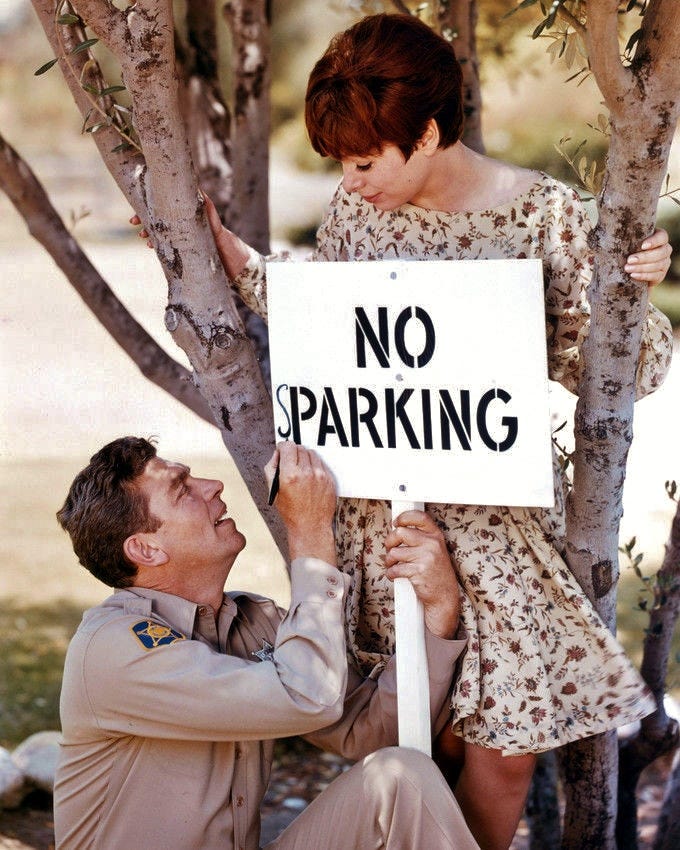
I don’t recall who first told me about the romance. Whoever it was, the information was probably on background, meaning that it wouldn’t be right for me to divulge the name. After that, I started asking everyone I interviewed who was around the Mayberry set, and after the third or fourth confirmation, people started going on the record. I ended up quoting a couple people by name about the relationship. I eventually reached Aneta’s older brother Jesse Corsaut [a talented artist whose bronze of John Wayne stood in the Reagan White House and also designed the presidential medallion for Bill Clinton].
I was not surprised. By the time I was researching Aneta’s life, I was well aware that both of my principal characters had been involved in many romances, both inside and outside their marriages. Both of them also had a habit of dating costars. I knew about more of those relationships than I was able to tell in the book, for legal reasons.
Have you learned any additional details about Andy’s mysterious second wife Solica Capsuto [1973–1981] since the book’s publication?
Not a thing. I bet she’s a lovely woman. I’d love to meet her one day. The late, great Ken Berry of the Mayberry R.F.D. spin-off was pretty good friends with Andy and Solica. He adored her and told me she was a hippie at heart.
When did you make Don’s acquaintance?
The first time I met Don was probably at Walt Disney World. Sophie and I lived and worked in South Florida in the early ’90s, and one year Don and Francey came to Orlando so that he could lead the daily parade in the Magic Kingdom. We drove up there to see them. We joined them on one of those VIP backstage tours, tunneling through the bowels of Disney and then surfacing here and there at spots in the manicured theme park. Wherever we emerged into that public space, fans of all ages gathered round. Don was like Elvis in that regard. Everybody loved him.
Did Don ever turn down a fan’s request?
Don had a good heart, and he was also deeply superstitious about the ephemeral nature of fame. He thought that if he snubbed a single fan, anywhere, ever, that the whole thing could unravel and he could wind up jobless and homeless. He did not take his celebrity for granted.
In later life, Don would go to these celebrity signings, and he’d have a line out the door and around the corner. Everyone else would be looking on in envy and awe. Don would stay there and sign every item. I don’t think I ever spoke to someone he’d turned away.
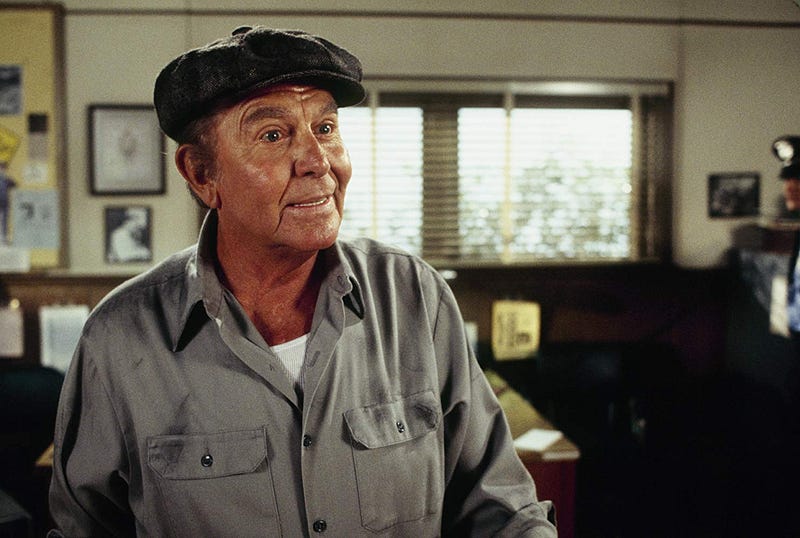
Andy had a tougher time accepting the public’s adulation.
Fame was Andy’s destiny. Once he had it, he handled it well at some times and poorly at others. He was a wonderful boss on the Griffith Show set. Every vibe I got from the cast and crew tells me that he rose to that role, came to the set with the right attitude, and kept things happy and productive.
Andy had a pretty good rapport with the press — for the most part. He didn’t share Don’s bottomless patience for fans and autographs. There was a side of him that was insecure, and that came out when he struggled with fans in meet-and-greet situations and autograph sessions.
Not long ago Sophie and I drove into Wilmington, North Carolina. At a bagel place the next morning, someone asked me what I did for a living. I told them that I am a writer, and I wrote a book about Andy Griffith. The guy didn’t miss a beat. “I met Andy,” he said. “He was an ass&*%$.”
The closer you get to Wilmington or Manteo [Andy’s home for much of his adult life], the more people you meet who knew Andy or at least met him somewhere. Andy could be pretty prickly in his autumn years. He was also terribly shy in social situations where people felt like they knew him, and he didn’t know them, and he was always at a disadvantage. But if you met him through friends, through someone he knew and cared for, then he was as warm and enveloping as the sun.
Francey told me that Don was just as shy and insecure as Andy in some ways. Don sometimes had a very hard time interacting with fans and could forget he was famous. Somebody would be staring at him in an elevator, and he’d be wondering if he had spaghetti sauce on his shirt.
Overall, Andy handled celebrity pretty well. He remained famous and prosperous through six decades, and he engineered a full-scale comeback with Matlock [1986–1995]. Not many Hollywood celebrities maintain their currency for that long. Goodness, he ended up with a Presidential Medal of Freedom [awarded by George W. Bush in 2005]. That alone shows the enormous reach of his fame.
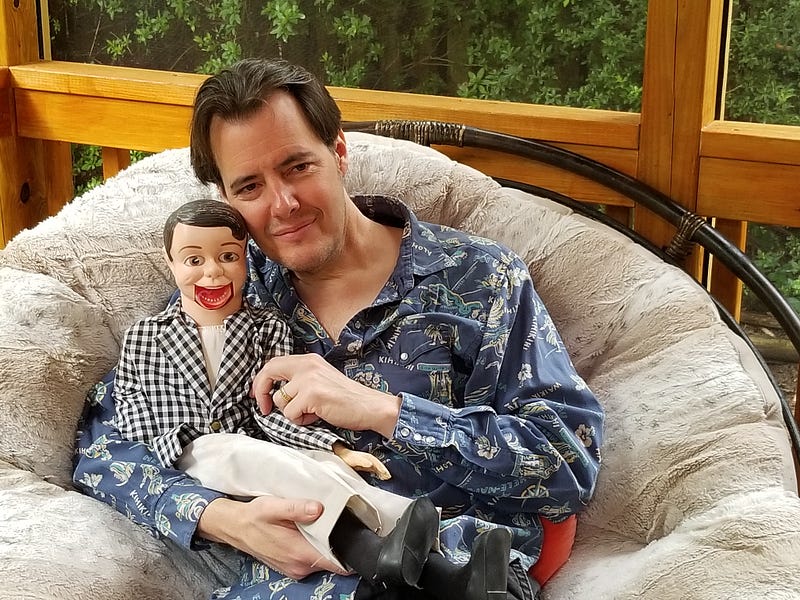
How often did you hang with Don, and what did your conversations explore?
I saw Don 2–3 times a year from 1992 to 1997 when Sophie and I lived in Los Angeles. We attended family gatherings together at Thanksgiving and Christmas. After that, we flew back to visit a lot. We probably saw Don once or twice in those later years, but I was not around during his final months. I can’t conjure up a final meeting or anything like that.
I did spend a lot of time talking to Don about his career and his early life, because the topic fascinated me. I don’t know how often he told those stories about going on the radio and his childhood ventriloquism act, but he definitely told them to me. He was very intelligent, very driven, very ambitious — just like Andy. Both of them knew what they wanted and worked very, very hard to get it.
Would Don volunteer anecdotes about his venerable career, or did you kinda have to pull them out? There’s no way he would have been as gregarious as Andy at dinner.
Don would be sitting there at family gatherings, sort of by himself in a corner, quiet. I would go over and talk to him. Actually, Sophie would prod me to get up because she was afraid Don was bored. I’d go into reporter mode and ask him questions, like you’re doing with me now. Don understood that I had a sincere interest in his journey to fame, so he took my questions seriously and answered them thoughtfully. But he was definitely not one to clear his throat at Christmas dinner and start telling stories about the old days. You had to go up to him one-on-one and ask.
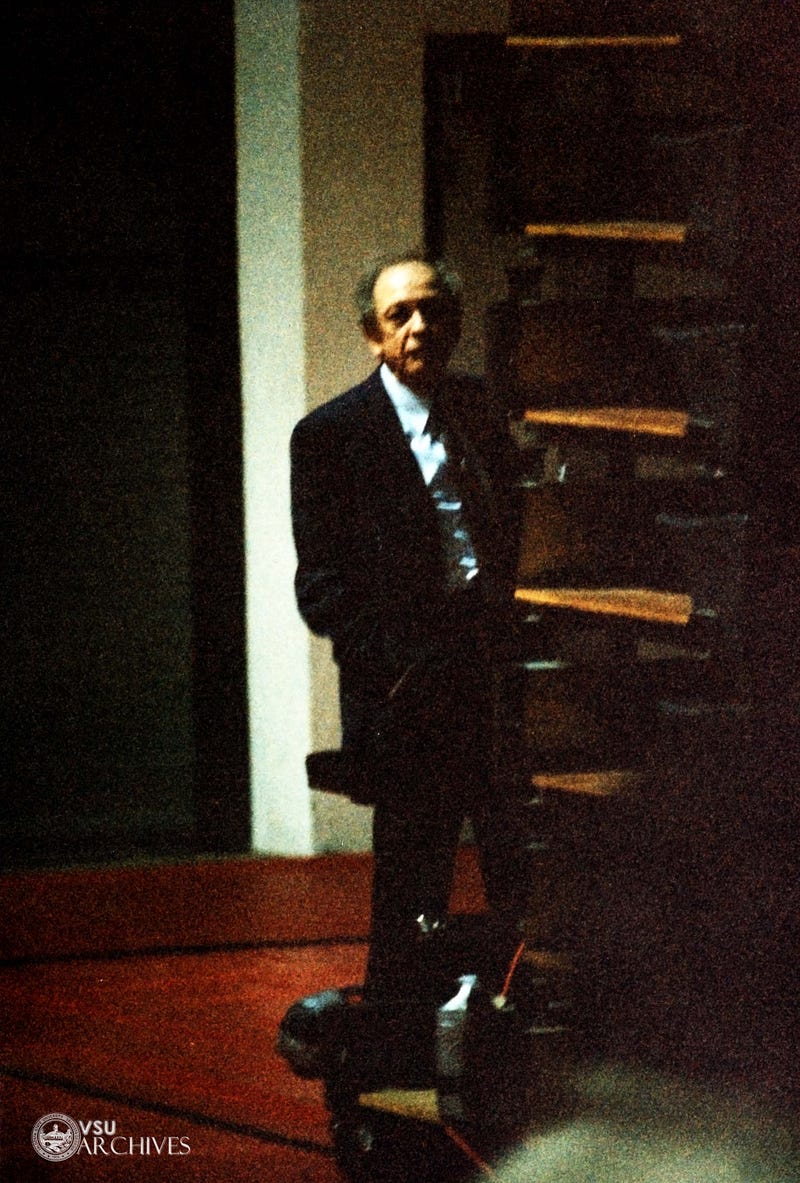
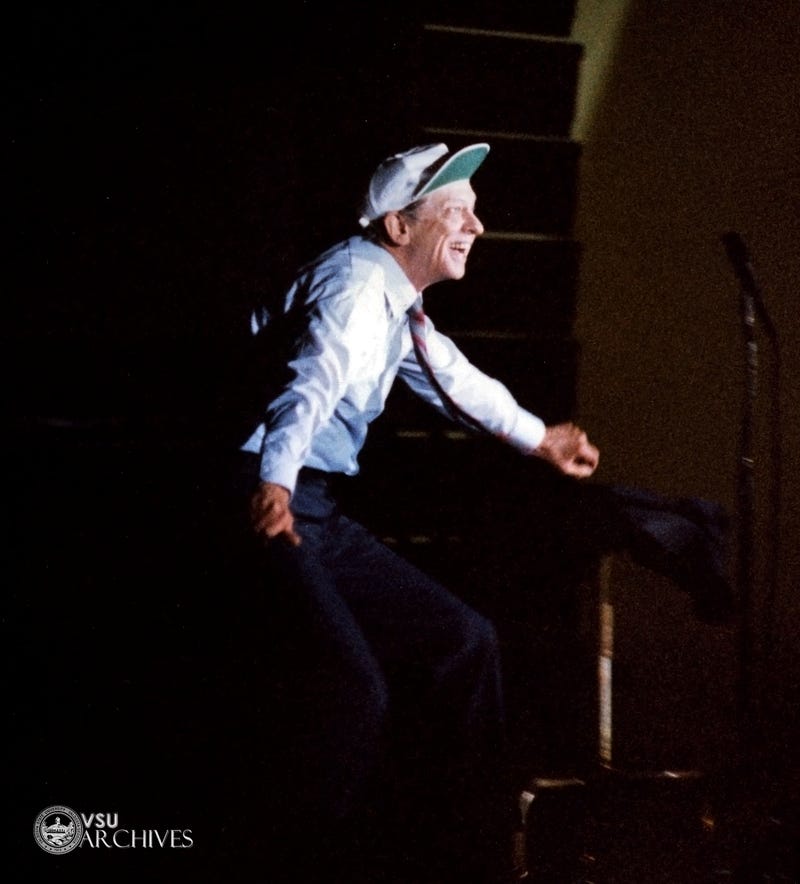
Pleasantville [1998] was directed by Gary Ross and consists of a superb cast in Tobey Maguire, Reese Witherspoon, Jeff Daniels, Joan Allen, William H. Macy, and Paul Walker. The surreal comedy-drama about two teenagers zapped by a seemingly mild-mannered TV repairman [Knotts] into a guileless 1950s sitcom delivered his best career notices in ages. Did it come up during your conversations?
Yeah, I imagine Don and I talked about it. Pleasantville was a good movie. It marked a new era in which Don was regarded as an elder statesman of comedy. I have a memento from that set, a blue bowling shirt that says “Pleasantville” on it, with an iron burn on the back. I’m sure it was a gift to Don from the crew, and he gave it to me at some point. We were roughly the same size. I have a couple of his old suit jackets. I found a credit card receipt from the Magic Castle in the breast pocket of one of them. Pretty cool.
Did Don consider asking you to collaborate on Barney Fife and Other Characters I Have Known, his breezy 1999 memoir that Robert Metz ultimately penned?
I don’t know. Don came up with the idea for that memoir as a result of his relationship with first wife Kathryn “Kay” Metz [1947–1964], who was related to Robert. Don had more than one writer in the family!
There’s an Andy memoir that was scheduled for publication [I Appreciate It: My Life was co-written with “The Andy Griffith Show Rerun Watchers Club” founding member-Goober in a Nutshell scribe Jim Clark and picked up by Thomas Nelson Publishing in 2010. A black and white rustic cover was circulated online advertising a foreword by Ron Howard]. I’m not certain why it was pulled. That’s one book I would certainly read.
I interviewed prolific vintage Hollywood author Steve Cox about One Fine Stooge: Larry Fine’s Frizzy Life in Pictures [2006]. Was his 2008 tome with Kevin Marhanka — The Incredible Mr. Don Knotts: An Eye-Popping Look at His Movies — useful in your research?
I loved The Incredible Mr. Don Knotts! Really a fun read, beautifully designed, and an enormous source of information on Don’s movies, every one of which I tried to include in my book. Nowadays I’d probably contact Steve. Back then I was very, very careful and cautious about telling anyone what I was working on because I was terribly worried about getting scooped — i.e. someone else writing the same book and publishing it first.
You encountered Andy at Don’s March 6, 2006, funeral at Pierce Brothers Westwood Village Memorial Park & Mortuary, “a small, storybook campus of graves and greenery set among the towers of steel and glass on Wilshire Boulevard in Los Angeles.” Were you able to have a brief conversation with Andy after his dynamic eulogy?
The briefest of conversations, perhaps. That day is a blur. I definitely met Andy, and I remember sensing an aura around him, celebrity or fame or whatever you want to call it, something that a lot of people describe when they meet very charismatic people. I use “charisma” here in the Dungeons & Dragons sense, something bigger than attractiveness, a more fundamental sort of magnetism. My wife Sophie spent more time with Andy over the years and described this big, enveloping warmth, which radiated out from him when he was with Don and anyone close to Don. He just loved Don, and if you were with Don, then Andy loved you.
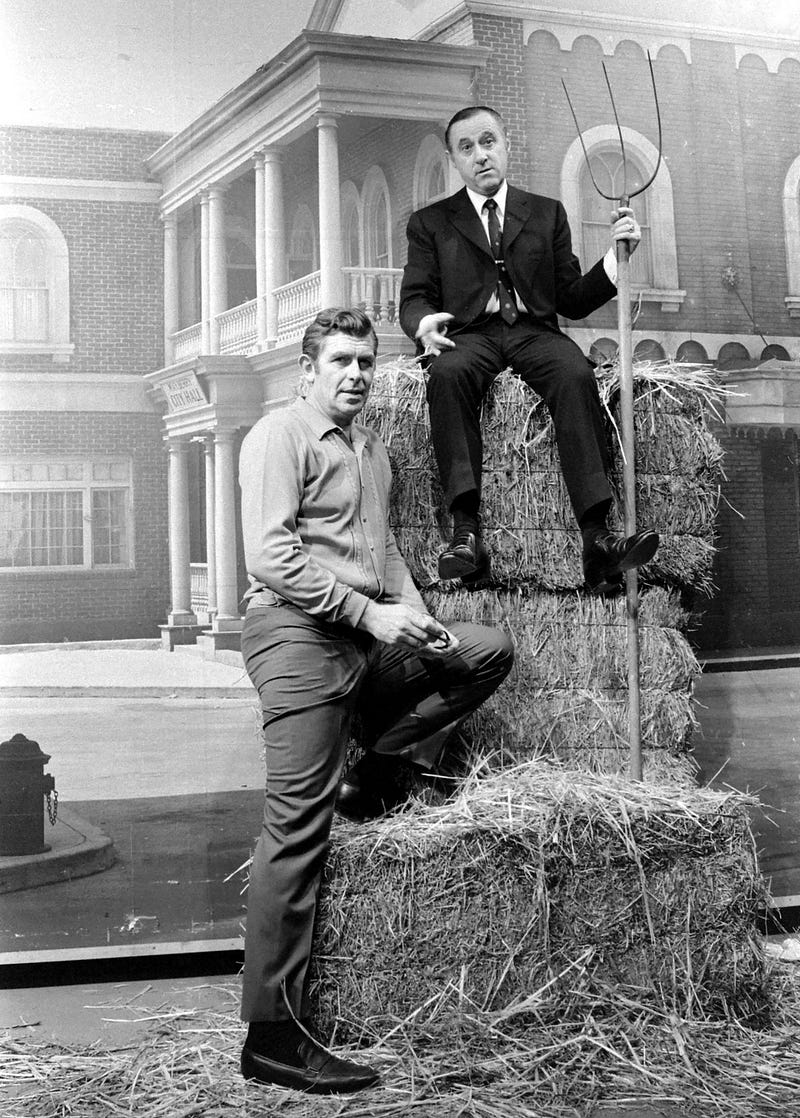
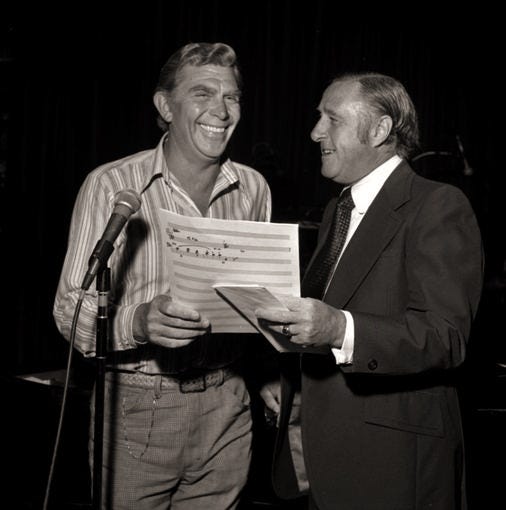
Could Andy have risen to the top without Dick Linke’s guidance? Linke also managed Jim Nabors, Ken Berry, Frankie Avalon, Bobby Vinton, Forrest Tucker, and functioned in various production capacities on TAGS, Mayberry R.F.D., and Matlock. Andy is on record as saying, “If it hadn’t been for Dick Linke, there would be no Andy Griffith.”
Andy was destined for fame. Dick Linke helped him immeasurably, but if Dick hadn’t been there, Andy would have partnered up with someone else. Both Andy and Don wanted to end up where Jack Benny was, and they both had at least a vague sense of how to get there — catch a bus to New York. That’s where their natural talent and ambition kicked in.
Did Linke get over being fired midway through season five of Matlock after 37 years of shepherding Andy’s career?
I interviewed Dick multiple times before his death [at age 98 in 2016]. Sure, he was sad about losing that gig [in January 1991], and who wouldn’t be? He spoke honestly, and whatever he said about his ouster as Andy’s manager wound up in my book. Clearly there was tension in the relationship among Andy, Dick, and Andy’s wife Cindi Knight [married from 1983 until Griffith’s 2012 death]. At some point one of them had to go, and it wasn’t gonna be Andy or Cindi.
Is it true that Andy intended to turn his modest 1950s home on Roanoke Island into a museum but Cindi insisted it be torn down in 2013?
All I really know about that episode is what I read in the papers. It didn’t have much bearing on Andy’s friendship with Don, so I didn’t include it in the book. I don’t recall anyone telling me specifically that Andy wanted his house to be a museum. Andy already had a museum, in Mount Airy.
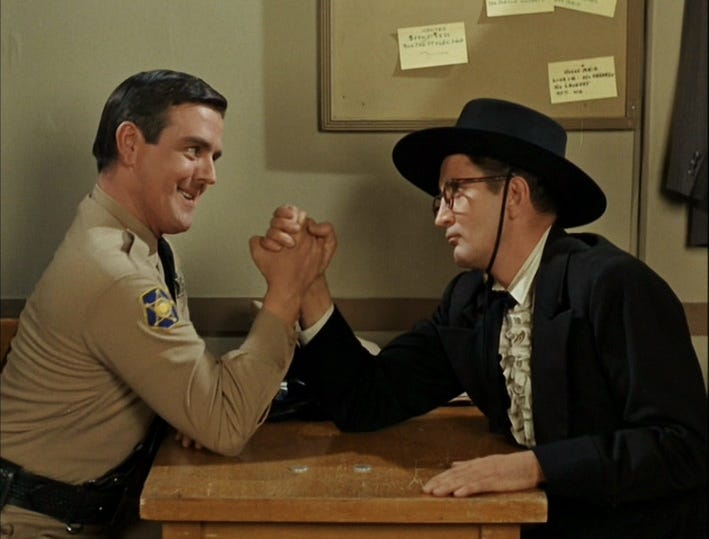
Who were you most disappointed in not convincing to go on the record for Andy & Don?
Fortunately, I got to interview just about everyone on my list. Cindi Griffith respectfully declined, and I was sad about that. Cindi and I have never met. From what I hear, she’s a pretty private person, and I would be, too, if I had spent many years of my life married to a global celebrity! That sort of life must wear you out. Imagine Andy and Cindi going to a restaurant and trying to just sit quietly and have dinner. Luckily I found many other sources to speak about Andy’s life and work in those later years.
I couldn’t get to Jack Burns, who had the terrible job of briefly replacing Don as Andy’s deputy Warren Ferguson during season six. I would love to have known how he felt about that era. Jack died in 2020. He started out in Boston and teamed up with George Carlin. Hard to imagine a guy like that in Mayberry. You can hear his Boston accent on the show. I really do wonder what they were thinking when they cast Jack.
Did Jack Burns speak about Mayberry following the cold-hearted Christmas 1965 dismissal?
I just did a quick search on Newspapers.com and couldn’t find a single article where Jack revisited TAGS, and that matches my recollection. I can’t imagine the Warren Ferguson role would have figured prominently on his résumé. He had lots of other credits, working as a comedy duo with George Carlin and Avery Schreiber and a bunch of other stuff after Mayberry [e.g. writing for Hee Haw, The Muppet Show, and Fridays — ABC’s brief Saturday Night Live competitor].
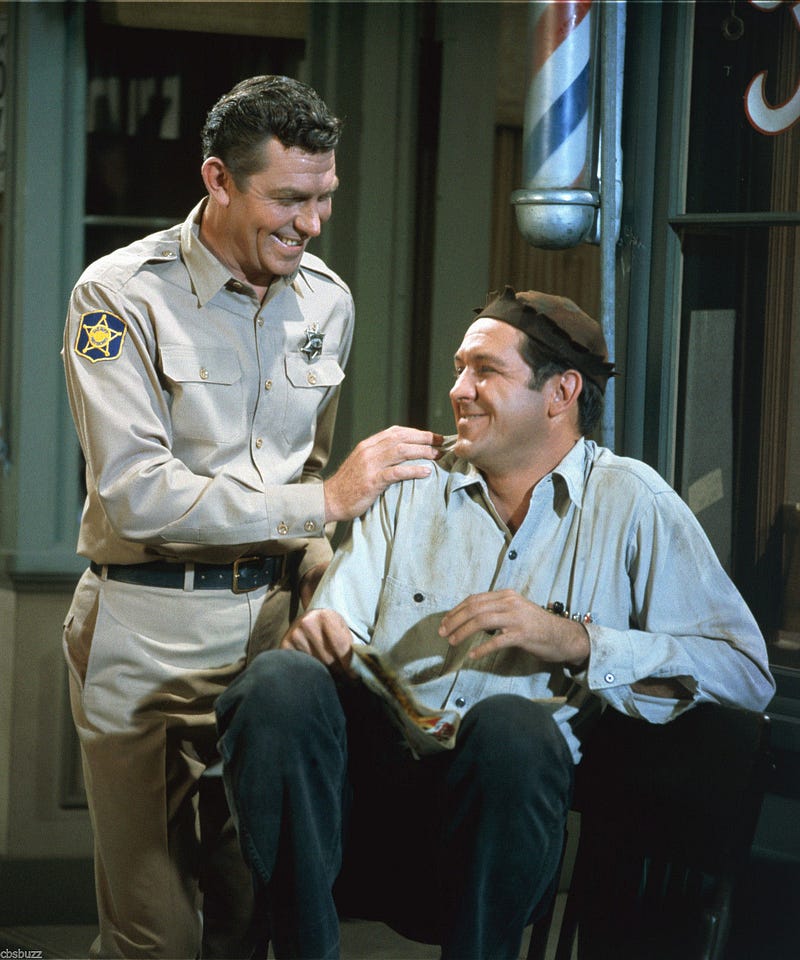
Andy’s bond with George Lindsey [Wally’s Filling Station attendant Goober Pyle] was fractured at times. Lindsey and Nabors had both auditioned for the part of Gomer Pyle in 1962, and Andy chose the latter. Lindsey had to wait another two years before he was cast as Gomer’s cousin when it became clear that Nabors was departing for his own series. When TAGS was on the air, if the sensitive actor didn’t receive a call from Andy he knew that the star didn’t like his performance for that particular episode. Decades later when they reunited on Return to Mayberry, Lindsey disclosed in his 1995 memoir Goober in a Nutshell, “When I got to the location for the first day of shooting [Los Olivos, California, February 1986], I went up to the motel room where Andy and Cindi were staying. We visited for a little while and then Andy said, ‘Well, Cindi and I are going to get a cheeseburger,’ and they just left me there. That was about the tone for me on the set for the rest of the shoot.”
George died before I could speak to him. I can unpack several things from his anecdote. First, there was a pecking order among Griffith Show stars in those latter days. Andy and Don were at the top along with Ron Howard, who in some ways became an even bigger fish, at least in Hollywood terms. Jim Nabors also occupied that first tier [uncannily like his comedy mentor, Nabors became weary of starring as Gomer Pyle, U.S.M.C., and willingly abdicated his sitcom throne after five seasons in 1969. Perched at No. 2 in the ratings, parent series TAGS had bowed out at No. 1 the previous year].
Second, I am positive that Andy didn’t enjoy the show anywhere near as much after Don left, and he probably associated George with the post-Don era.
Third, Andy could be moody. Andy was quite aloof and dismissive toward Billy Bob Thornton the first time they met on the Matlock set [Thornton’s second-ever screen role was as a pawnshop clerk in the season one 1987 episode “The Photographer”], and Billy was a huge fan. Years later, Andy loved Sling Blade [1996] so much that he tracked Billy down, and Billy became like a son to him. Andy had no recollection of having snubbed Billy earlier. Billy laughed when he told me that story [in 2001 Thornton wrote and directed Daddy and Them, a dark comedy about a dysfunctional Arkansas family with Griffith as their patriarch].
How involved was Andy with Gomer Pyle, U.S.M.C. [1964–1969, filmed simultaneously on the same Desilu lot as TAGS] and Mayberry R.F.D. [1968–1971]?
Gomer Pyle, U.S.M.C. has at least two fascinating connections to the Griffith Show. The first is that it launched as an earlier, highly successful spin-off of TAGS, showcasing Jim Nabors, who was red-hot in the latter half of the 1960s. The second is that Gomer Pyle amounted to a reboot of No Time for Sergeants, the book, play, and film that more or less launched Andy’s career [and first paired him with Don in 1955]. Mind you, ABC produced an actual, titular reboot of No Time for Sergeants with Sammy Jackson. That series flopped [1964–1965, imprudently scheduled in the same 8:30 p.m. time slot versus CBS’s TAGS], while Gomer Pyle soared. My sense is that Andy had little artistic involvement in Jim’s show [he guest-starred in the 1966 episode “Opie Joins the Marines” and arrived fleetingly with Aunt Bee, Opie, and Goober in the bittersweet climax of “Gomer Goes Home”]. Andy did pitch in when Don got around to filming his first post-Griffith film, the marvelous Ghost and Mr. Chicken [1966].
Mayberry R.F.D. was the spin-off that launched right after the end of TAGS, with Ken Berry taking over the lead from Andy as town councilman-farmer Sam Jones and some Mayberry regulars staying on in supporting parts [i.e. Frances Bavier, George Lindsey, Jack Dodson, and Paul Hartman]. Confusion lingers as people still occasionally ask me about the book I wrote on Mayberry R.F.D.
Andy appeared in five R.F.D. episodes, mostly early in the first season. In the pilot he finally marries Helen Crump, who was his girlfriend both on and off the set. Andy had other projects in mind by this time, notably his first feature film, the overlooked Angel in My Pocket [1969]. The very last thing Andy wanted was to become embroiled in a Griffith Show spin-off.
[Author’s Note: In Griffith’s extensive 1998 interview for the Archive of American Television, he stated his participation in Mayberry R.F.D. “I did like Sheldon Leonard did on the Griffith Show,” recalled Griffith. “I’d go down for a day, read the script, give notes, and leave. They had their own producers (Bob Ross, Joel Swanson, and later George Turpin). Then the next week I’d come back and do the same thing”].
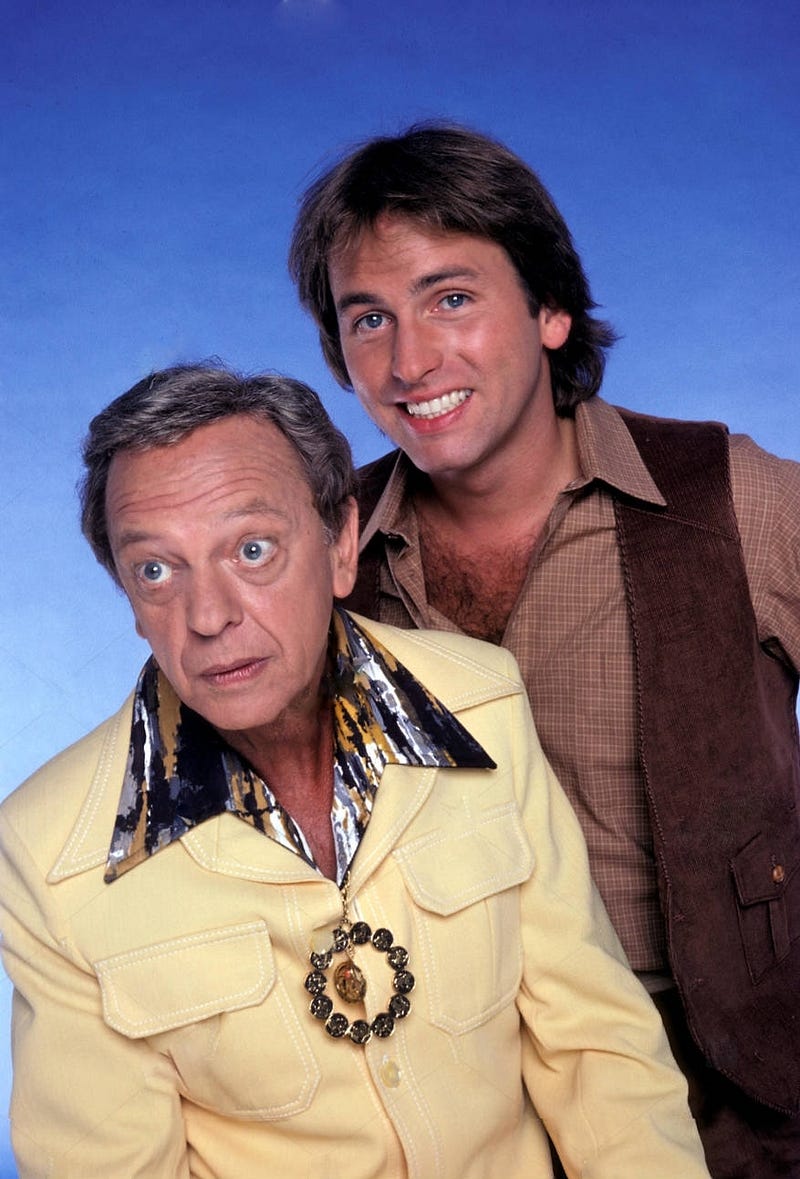
“I thought Don was awful on Three’s Company,” Andy point-blankly insisted in his 1998 Archive of American Television interview when reminiscing about Don’s debut Matlock guest spot in 1988. “I said, ‘Lord Don, bring it down, bring it down, you were on Three’s Company too long’ because he was performing the same way with those big huge takes and everything” [timeline wise his reunion with Don on the highly rated NBC movie-of-the-week Return to Mayberry in 1986 may have really been when he spoke privately with Don]. Was Andy off-base or accurate in his assessment of Don’s broader comedy interpretation?
Andy was sharply critical of his own work, too. That quote about Don sounds very close to how Andy felt about his performance during the first season of the Griffith Show — ‘Too broad, too slapstick. Lord, Andy, bring it down. Bring it down.’
Each man envied the other for things one had and the other didn’t. Andy had greater fame. Don had greater artistic recognition. Don was funnier and the better comedic actor. Andy had greater range and was probably the better actor overall — just check out A Face in the Crowd [1957]. Andy earned more money. Don won more Emmys. And so on. Now, Andy was much more prone to speak candidly about this sort of stuff, especially later in life. Don was much more likely to keep such thoughts to himself. Even Don’s 1999 memoir — I doubt he bad-mouthed a single soul in it.
Mr. Furley isn’t Don’s best work, but he did a fine job in that role. Producers Don Nicholl, Mickey Ross, and Bernie West slotted him into one of the decade’s hottest shows, and he took that goofy role and ran with it. All his co-stars adored him. I interviewed the actors who played Janet [Joyce DeWitt] and Jack Tripper’s Lothario of a best friend Larry Dallas [Richard Kline].
Which Andy and / or Don screen credit is painful to sit through?
There’s an Andy film called Pray for the Wildcats [1974, an ABC movie-of-the-week] that would make a fine Mystery Science Theater episode. Andy, Captain Kirk [William Shatner] and the Brady Bunch dad [Robert Reed] are a sort of leather-clad biker gang in Baja.
If there’s a worst Don Knotts film, it’s probably one of the Disney ones like Herbie Goes to Monte Carlo [you’d be hard pressed to sink lower than Mule Feathers, an incoherent 1977 western spoof starring Rory Calhoun as a conniving preacher with Knotts providing the voice of the titular sidekick for roughly 20 minutes]. Don did a syndicated sitcom following Three’s Company and Return to Mayberry called What a Country that doesn’t hold up very well [toplined by Branson entertainer Yakov Smirnoff with Knotts as a former marine turned principal]. Most of his work through the early ’70s, at least, is pretty unassailable.
Have you experienced a change of heart about an Andy and / or Don role?
I have gained an ever-greater appreciation for Matlock, Andy’s autumnal comeback, especially after meeting so many people on the book tour who told me how much that show meant to them. I have never really been able to write off any of Don’s Universal films. From The Ghost and Mr. Chicken through How to Frame a Figg [1966–1971], all five are fun to watch. And I enjoy watching TAGS more than ever. For a couple of years there, every time I caught an episode, it felt like work. Now it’s pure fun.
Is there a project that Andy and / or Don should not have rejected? Perhaps a movie that became a blockbuster or earned rave notices.
If there are projects that Andy or Don famously turned down, they’re not springing to mind. Don, in particular, was never one to turn down work. Both of them were quite flexible in the range of projects they took on in their later years.
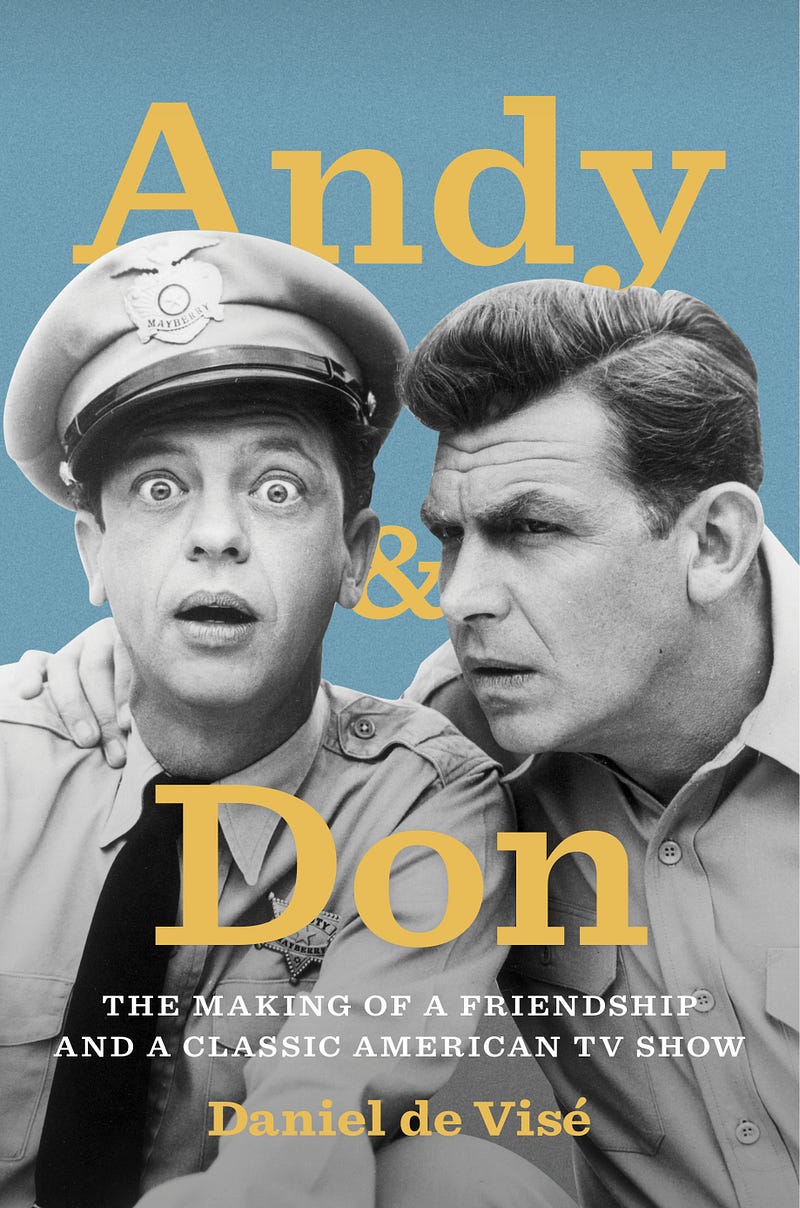
What inspired the Andy & Don cover shot?
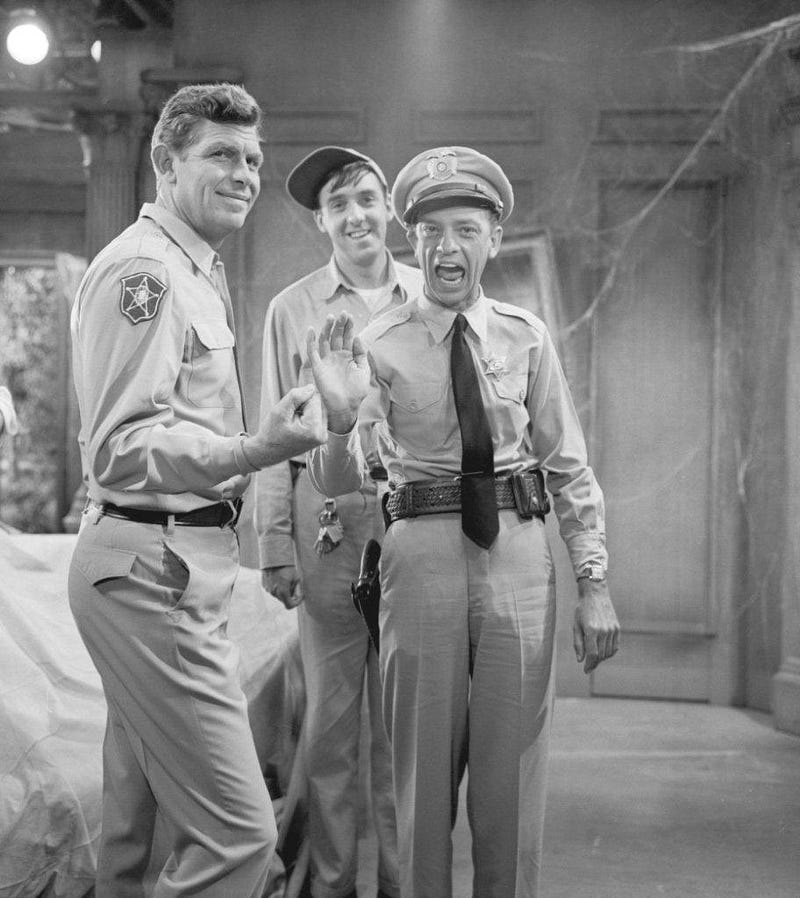
I love that photo. It captures the relationship between the two characters as well as any picture I’ve seen. The designers at Simon & Schuster selected it, and I could only marvel at the pop-art beauty of the finished cover when I saw it.
Both the photo and the layout of the cover put a little bit of an exclamation point on “Don,” and I like that. Andy was the bigger star, and one point of my book was to underscore how hugely important Don was to the success of the show. They were equally important, but it was called The Andy Griffith Show. It’s nice to give an extra shout-out to Don and his role in the production.
Was Simon & Schuster always the intended publisher?
I loved working with Simon & Schuster. They published my first book, I Forgot to Remember: A Memoir of Amnesia [2014], co-written with my wonderful friend Su Meck, so it seemed right and proper to approach them with Andy & Don. They were delighted to publish it and delighted at its sustained success.
Did Simon & Schuster request that you eliminate passages to keep the book under 300 pages?
Ha. Simon & Schuster absolutely requested that I cut the thing. When I first handed it in, I had something like 180,000 words. The contract called for 90,000, and I guess I hadn’t read the fine print. I spent a humbling month cutting, cutting, and cutting. I got it down to under 100,000 words and hit “send,” and they went with that. They must have been impressed that I was able to cut 80,000 words from my own manuscript.
Quite a lot of what I deleted wound up as blog posts on my website after the book came out. I’m sorry to say they’re no longer available — I’ll eventually restore them. But fear not — the best of them were cross-published on Classic Movie Hub, and you can read them here. That site is great fun.
Was it difficult being married to a senior editor at the Washington Post while drafting Andy & Don?
Sophie is an extraordinarily talented editor. She is my secret weapon. She probably goes easy on me. I can’t honestly remember us disagreeing about anything. I almost always take Sophie’s editing advice. She helped me immeasurably with keeping the manuscript fast-paced, trimming the boring stuff, and breathing life into the human relationships. She liked the way Andy & Don read in the end.
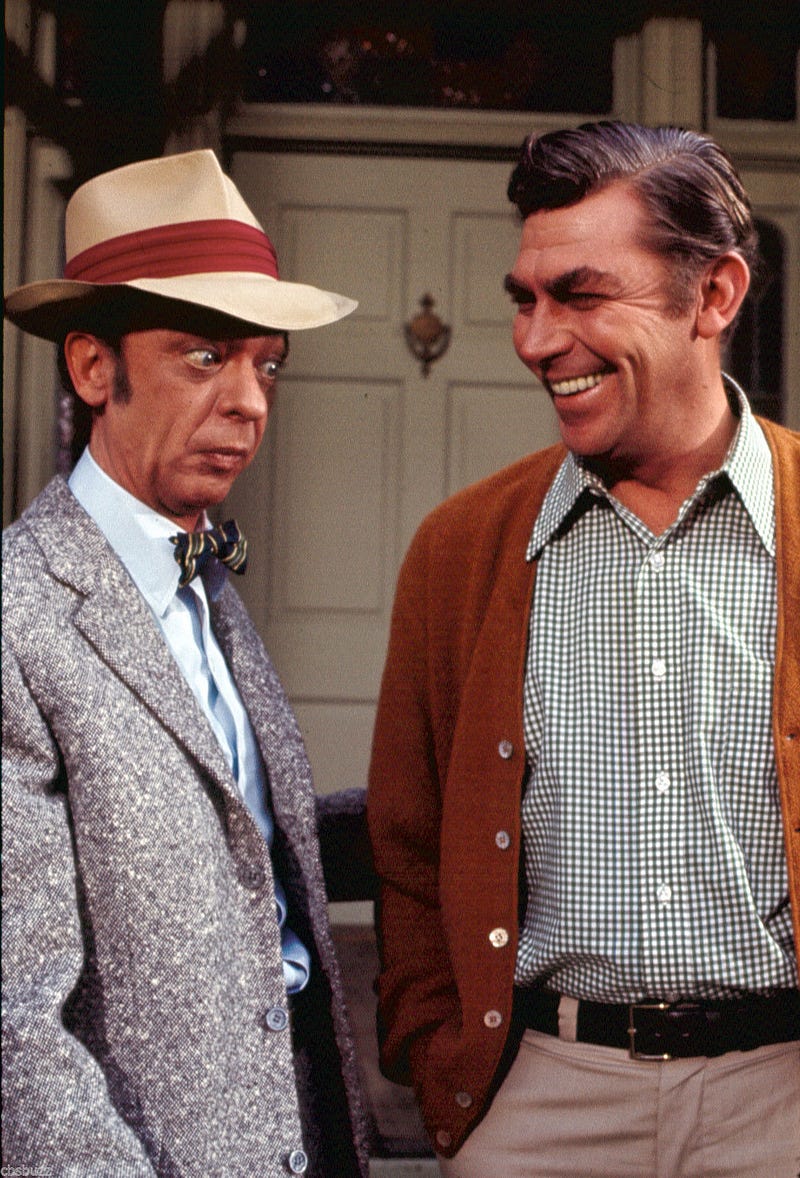
What feedback did you receive from Francey after she read Andy & Don?
None of my sources saw the book until the review copies came out. Francey felt I did a good job. She is an extremely intelligent woman as well as a terrific actress. She and Don worked together for years in plays such as Harvey, Last of the Red Hot Lovers, On Golden Pond, and Norman, Is That You? Francey understood that I had to remain as impartial as possible when I sat down to write it.
Did you miss any deadlines?
I am proud to say I’ve never missed a deadline on a book. My background is daily newspaper reporting, so book deadlines seem very generous to me!
What was your first job as a beat reporter?
The first stories I wrote for pay were for a neighborhood weekly newspaper in Chicago, where I grew up, around 1989. It was called Inside Lincoln Park. That’s the neighborhood where I lived. My first full-time reporter job was for the Boca Raton News in Florida. That paper no longer exists. My first story was probably about a parks commission meeting. They were always arguing about potholes that needed to be filled.
Are you employed with a newspaper?
No. I have done books full-time since 2012. I don’t really do other writing, except articles to promote the books. The Washington Post and Miami Herald were wonderful places to work, but I certainly don’t miss the stress of daily deadlines!
How many copies has Andy & Don sold?
It’s in its seventh or eighth printing in both hardcover and paperback. I’m happy to say that Andy & Don has remained on the Amazon bestseller list of books about TV shows — not the overall bestseller list to be clear — pretty much since it came out in 2015. It’s one of those books that people keep finding, like Jennifer Armstrong’s book about Seinfeld [Seinfeldia: How a Show About Nothing Changed Everything, 2016] and Tom Shales’ book about SNL [Live from New York: An Uncensored History of ‘Saturday Night Live’, co-written with James Andrew Miller, 2002]. Incidentally, both of those wonderful people wrote blurbs for Andy & Don.
What’s on your calendar?
I have King of the Blues: The Life and Times of B. B. King scheduled for release in October 2021 from Rough Trade and another project in the pipeline. Without giving too much away, I can say that both are narrative-nonfiction biographies in the performing arts arena.
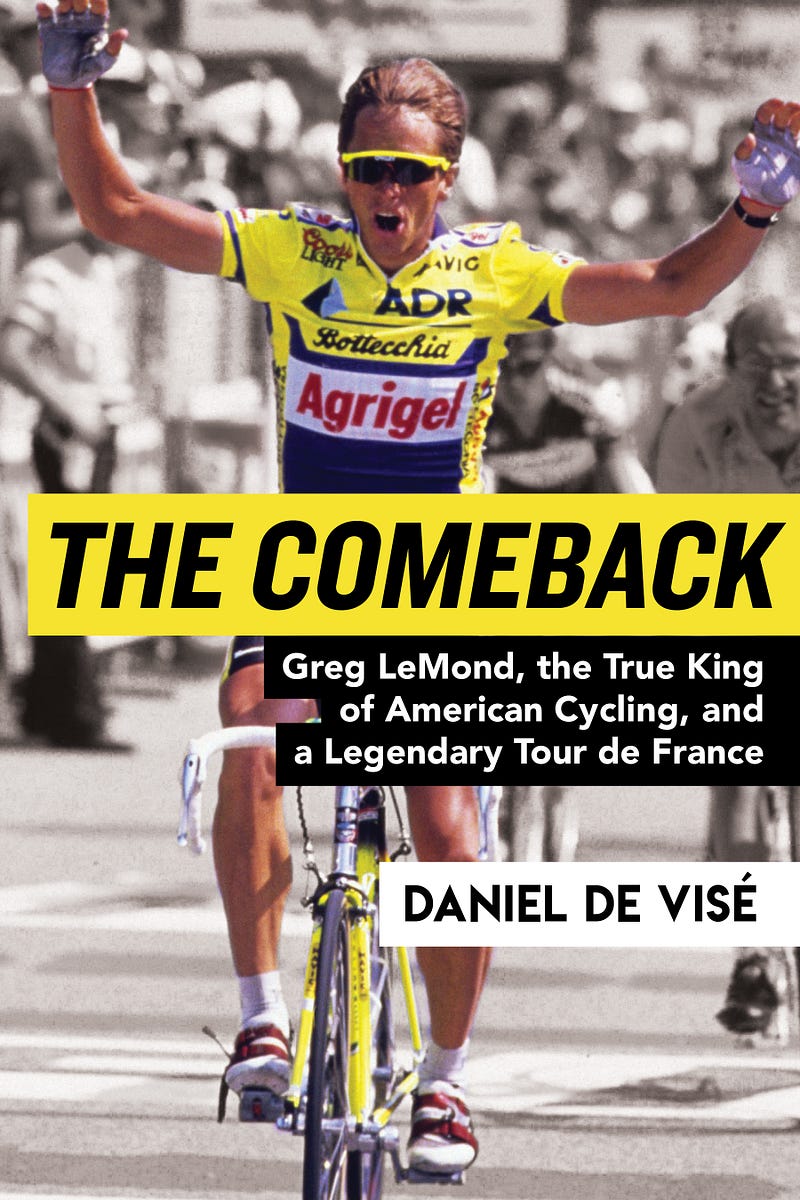
I’d love to say a few words about the book I wrote after Andy & Don. It’s called The Comeback [2018] and is the story of what I consider the greatest comeback in American sports. Greg LeMond, our nation’s first Tour de France winner, got shot in a hunting accident in 1987 and nearly died. Two years later he fought his way back to win the closest Tour de France in pro cycling history. I call him the true king of American cycling.
Greg was pretty well-known back in the ’80s, but in all the excitement over Lance Armstrong and his U.S. Postal Service sponsor, he was forgotten. On December 4, 2020, Greg became the 10th individual athlete in U.S. history to earn the Congressional Gold Medal. The medal is the nation’s highest civilian honor, equal in stature to the Presidential Medal of Freedom. It goes to American icons, people whose achievements transcend their discipline. Andy received the Medal of Freedom.
I wrote The Comeback partly to convince someone, somewhere, that Greg deserved this great honor. U.S. Rep. Mike Thompson, from Greg’s home state of California, read the book and then spent nearly two years working very, very hard to make the medal a reality.
If you were the custodian of Andy and Don’s respective oeuvres, what projects would you champion to enhance their legacies and draw in new fans?
We live in an era of unprecedented access. I can’t remember a time when more stuff — movies, shows, songs, videotaped artifacts — was available to anyone with an Internet connection, instantly. And yet, it all seems a little unstable and impermanent. TAGS fans erupted in outrage when news leaked that Netflix was going to drop the show. Was it gone forever? No, as it turned out, Amazon Prime picked it up, and let’s not forget how many devoted fans have uploaded favorite clips to YouTube.
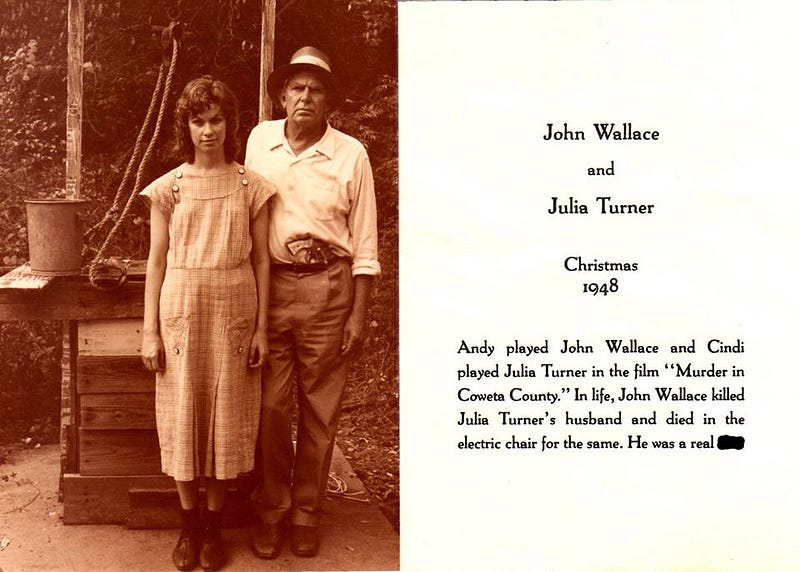
A number of Andy-Don projects should be preserved, whatever preservation means these days. The Griffith Show itself sits at the top of the list. What else is absolutely essential? A Face in the Crowd, definitely. Andy’s breakout skit, “What It Was, Was Football” [1953]. Don’s “Nervous Man” character on The Steve Allen Show [1956–1960]. I hope that the best of their other work remains available in some format into perpetuity — Don’s 1966–1971 Universal films, Angel in My Pocket, some or all of Three’s Company and Matlock, and such semi-forgotten films as Murder in Coweta County [1983] and The Private Eyes [1980], filmed at the Biltmore mansion in North Carolina with Tim Conway. Johnny Cash is terrific as a law-abiding sheriff bringing a villainous Andy to justice in Coweta County, and you can see Cindi in a cameo shortly before they married.
I’d like to see Don’s and Andy’s birth homes properly preserved. Andy’s childhood home is intact and justly celebrated, but anybody can rent it out and stay there. I’d rather see it converted into a satellite of the wonderful Andy Griffith Museum. I also wish the museum would stock Andy & Don. Unfortunately, both the museum and the fan club have a blind spot for my book. Both organizations are averse to unflattering truths, even in a celebratory book. That’s forgivable in a fan club, but isn’t a museum supposed to be a repository of history?
As for Don, I am pretty sure I found his first home, a boxy American Foursquare on Jefferson Street in Westover, just across the Monongahela River from central Morgantown, West Virginia. With apologies to whoever lives there, that dwelling should be purchased and protected. I’ve made a few overtures to local leaders, but nothing has come of it. No trace remains of the larger home on University Avenue where Don lived most of his childhood starting at age five.
Something on Netflix or Amazon would go a long way toward broadening the audience for their work. And how about a feature film exploring their friendship? I can envision Timothy Olyphant [Deadwood, Justified, The Office] for Andy and Jay Baruchel [Knocked Up and How to Train Your Dragon] for Don. Olyphant has the good humor, charisma, fatherly calm, and requisite accent to play Sheriff Taylor. When I saw Baruchel in This Is the End, I just remember thinking, ‘That guy could do Barney.’
I hope that my book raised the profile of Andy and Don. A talented group of producers has purchased film rights to Andy & Don, with a view to making a documentary. Of course, lots of film rights are sold, and few become actual movies. I’m hopeful for this one, but it is not an actual IMDB entry yet, just a project in the works.
The fan base seems larger than ever. The chapter-driven Andy Griffith Show Rerun Watchers Club may be giving way to massive Facebook groups, and there’s nothing wrong with that. Mayberry Days, the gathering in Andy’s North Carolina home town, draws around 30,000 people a year. Fans stream tens of billions of minutes of Griffith Show episodes every year. What other black-and-white TV show has that kind of draw?
© Jeremy Roberts, 2020. All rights reserved. The Daniel de Visé interview was edited and sequenced for clarity. To touch base, email [email protected] and mention which story led you my way. I appreciate it sincerely.


